
Action
Adventure
Animation
Comedy
Crime
Documentary
Drama
Family
Fantasy
History
Horror
Music
Mystery
Romance
Science Fiction
Thriller
War
Western
Found 40 movies, 33 TV shows, and 0 people
Can't find what you're looking for?
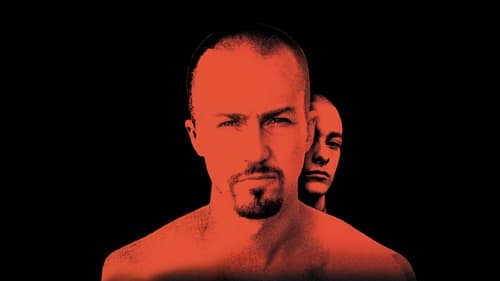
Derek Vineyard is paroled after serving 3 years in prison for killing two African-American men. Through his brother, Danny Vineyard's narration, we learn that before going to prison, Derek was a skinhead and the leader of a violent white supremacist gang that committed acts of racial crime throughout L.A. and his actions greatly influenced Danny. Reformed and fresh out of prison, Derek severs contact with the gang and becomes determined to keep Danny from going down the same violent path as he did.

American history, from Columbus landing and found that George Bush becomes president. College Film by Trey Parker.
The history behind America's most popular foods.
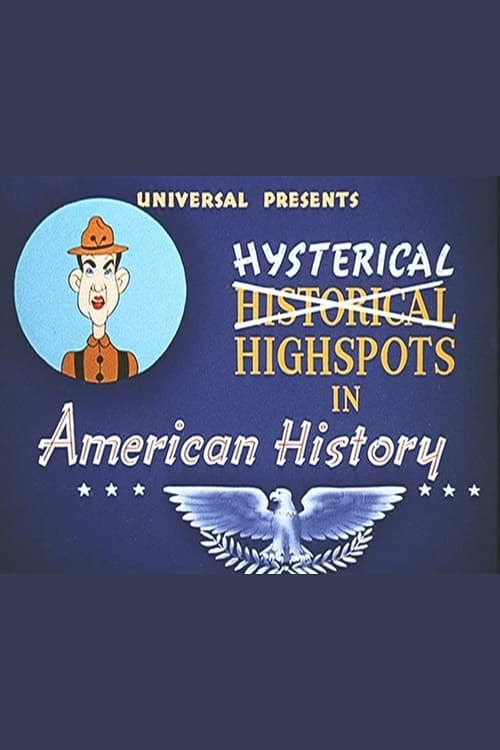
A comical twist on the history of America.
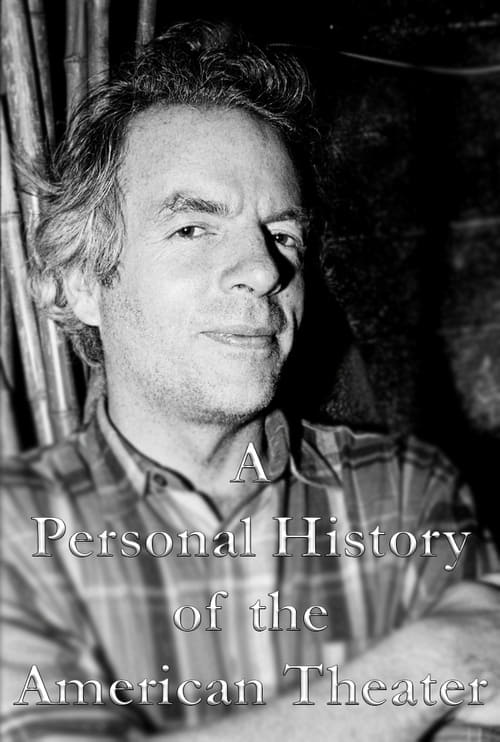
An autobiographical monologue in which Spalding Gray randomly draws cards for titles of the plays in which he performed in the 1960s. He proceeds to tell stories that came out of the experiences with each play.
A foosball movie video documentary about the players, promoters, history and passion of American foosball.
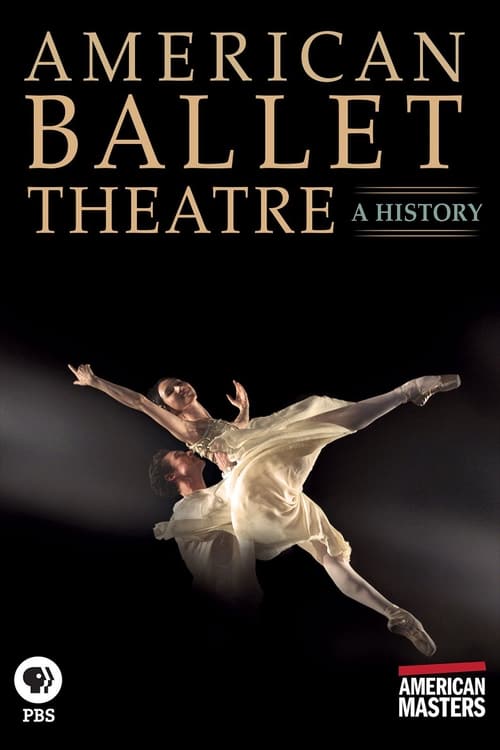
Delve into the rich, 75-year history of one of the world's preeminent ballet companies. Ric Burns' documentary combines intimate rehearsal footage, virtuoso performances and interviews with American Ballet Theatre's key figures. Combined with hundreds of carefully curated stills and rare footage of ballet icons Alonso, Jerome Robbins, Agnes de Mille, Antony Tudor, Nora Kaye and Mikhail Baryshnikov, the film provides a comprehensive inside look at American Ballet Theatre and the world of professional ballet for both seasoned aficionados and those who never have seen a ballet.
Ernest Borgnine, star of the classic train movie Emperor of the North, hosts and narrates this remarkable examination of the uniquely American Hobo.
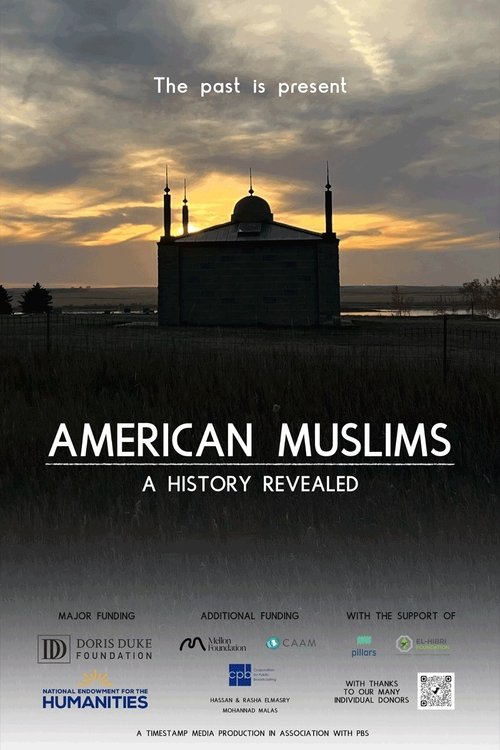
American Muslims: A History Revealed is a series of short documentary films that reveal and explore the untold histories of Muslims in the United States. Starting in the 16th century, with the first Muslims to arrive in America as part of the Spanish conquests, the project will trace the waves of migration and conversion that have created the diverse Muslim communities that exist across the nation today.
A History Of Native American Indians
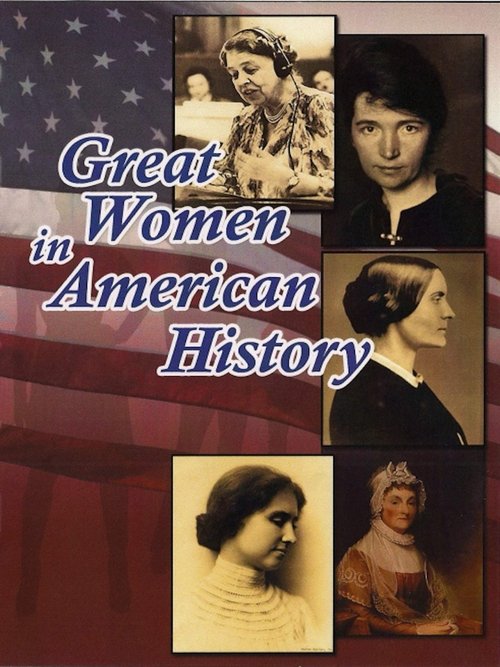
Why did Abigail Adams urge her husband to 'remember the ladies?' Why was Harriet Tubman called the 'Moses' of her people? Who founded the American Red Cross? These are but a few of the questions answered in 'Great Women in American History'.
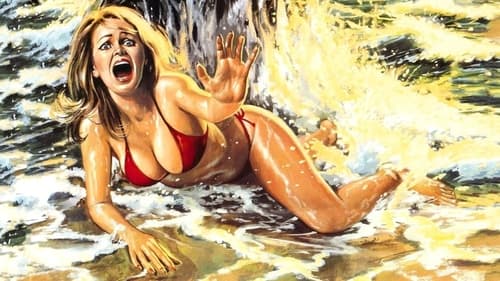
Hollywood is a town of tinsel and glamour; but there is another Hollywood, a place where maverick independent exploitation filmmakers went toe to toe with the big guys and came out on top.

The history behind America's most popular beverages
Includes twelve documentaries of people and events which shaped the wild west. Old West Cowboys - Parts 1 & 2 Wild Bill Hickock - Parts 1 & 2 Wyatt Earp - Parts 1 & 2 Gunfighters of the Old West - Parts 1 & 2 Great Indian Wars - Parts 1 & 2 Geronimo - Parts 1 & 2
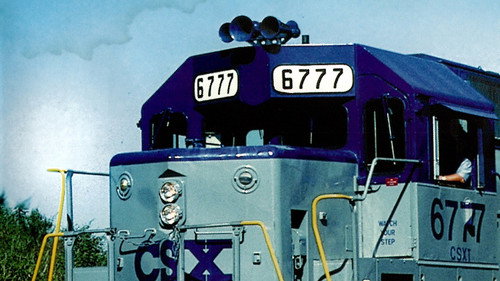
The History of American Railroads: The Era of Diesel examines the golden age of America’s passenger railroads, traveling across the United States on legendary trains of the East, South, and West. Featuring routes such as the New York Central, Pennsylvania, B&O, Nashville, Chattanooga & St. Louis, Atlantic Coast Line, Rio Grande, Santa Fe, and Union Pacific, the documentary also explores the difficult transition years of the 1960s and 1970s as America’s great passenger trains made their final journeys.
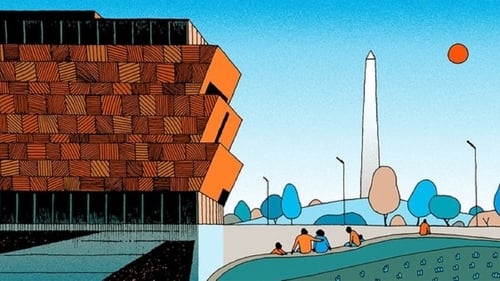
The grand opening dedication ceremony of the Smithsonian's National Museum of African American History and Culture.
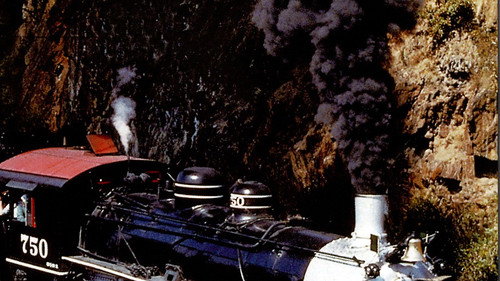
The History of American Railroads: The Years of Steam traces the rise and decline of American steam railroading, following classic steam trains from their prominence in the 1920s through the 1940s, the transition years of the 1950s, and the twilight of steam in the 1960s and early 1970s. Featuring historic railroads including the Central Railroad, Reading Railroad, Delaware and Hudson, Ontario and Western, Canadian Pacific, Pennsylvania Railroad, Baltimore and Ohio, and New York Central, the documentary explores the legacy of America’s steam era.
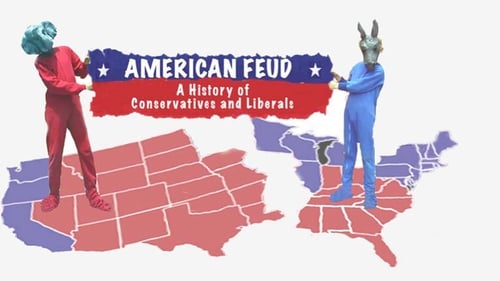
This documentary fulfills a unique niche by taking a non-partisan, unbiased approach to the history of Liberalism and Conservatism in the United States. The film starts at the foundation of the country and continues though the 2006 election. Scholars, authors, historians and partisan activists are used not only to tell the history of each movement, but also to show how the meaning of each term has changed over time. Modern Conservatism is depicted as arising from opposition to Franklin D. Roosevelt's New Deal, becoming a national movement in the 1960's and reaching its apex with Ronald Reagan. Modern Liberalism has its roots in the progressive era of the 1890's becoming dominant with the New Deal, and losing influence with the perceived failures of the "Great Society programs" and Vietnam war policies of Lyndon Johnson.
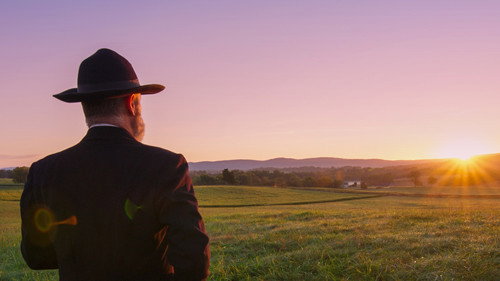
Remembering Antietam explores the legacy of the bloodiest single-day battle in American history and Col. Ezra Carman’s role in documenting and preserving the battlefield where 23,000 soldiers were killed or wounded in twelve hours of combat. This U.S. victory, though costly, gave President Abraham Lincoln the opportunity to issue the preliminary Emancipation Proclamation.
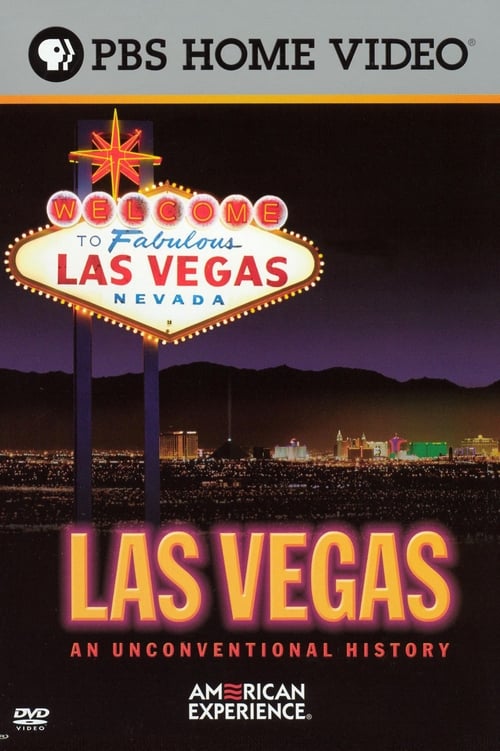
The continued story of the circumstances that led to the founding of what would become a huge tourist destination in the desert.
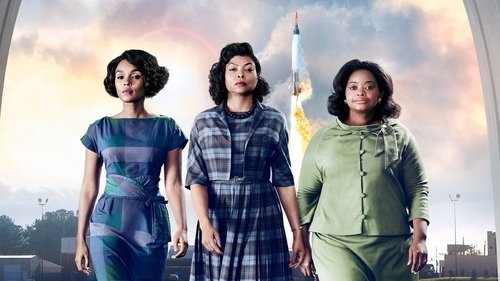
The untold story of Katherine G. Johnson, Dorothy Vaughan and Mary Jackson – brilliant African-American women working at NASA and serving as the brains behind one of the greatest operations in history – the launch of astronaut John Glenn into orbit. The visionary trio crossed all gender and race lines to inspire generations to dream big.
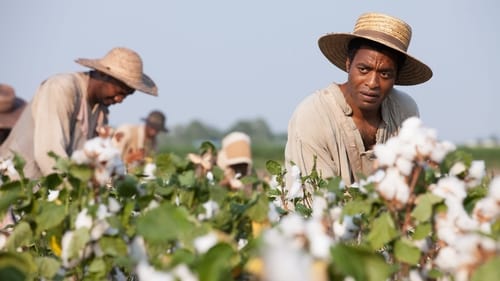
In the pre-Civil War United States, Solomon Northup, a free black man from upstate New York, is abducted and sold into slavery. Facing cruelty as well as unexpected kindnesses Solomon struggles not only to stay alive, but to retain his dignity. In the twelfth year of his unforgettable odyssey, Solomon’s chance meeting with a Canadian abolitionist will forever alter his life.
In the 1960s, two entrepreneurs hatch an ingenious business plan to fight for housing integration—and equal access to the American Dream.
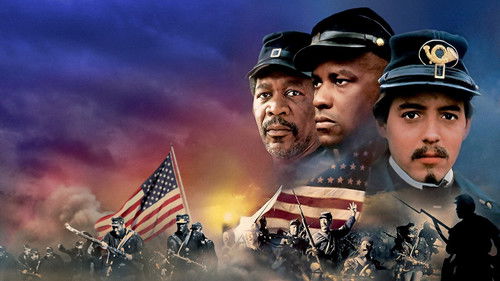
Robert Gould Shaw leads the US Civil War's first all-black volunteer company, fighting prejudices of both his own Union army and the Confederates.
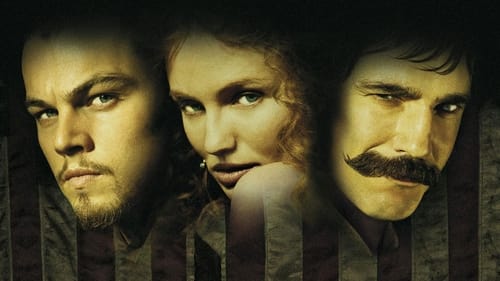
In early 1860s New York, Irish immigrant Amsterdam Vallon is released from prison and returns to the Five Points, seeking revenge against his father's killer, William Cutting, a powerful anti-immigrant gang leader. He knows that revenge can only be attained by infiltrating Cutting's inner circle. Vallon's journey becomes a fight for personal survival and to find a place for the Irish people.

Chronicles the powerful friendship between two young Black teenagers navigating the harrowing trials of reform school together in Florida.
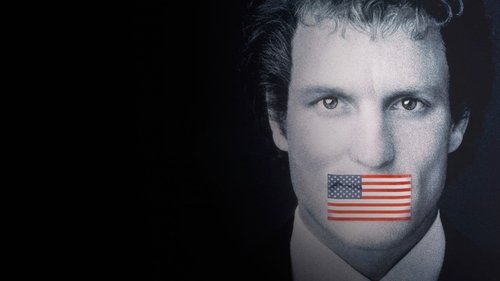
Larry Flynt is the hedonistically obnoxious, but indomitable, publisher of Hustler magazine. The film recounts his struggle to make an honest living publishing his girlie magazine and how it changes into a battle to protect the freedom of speech for all people.
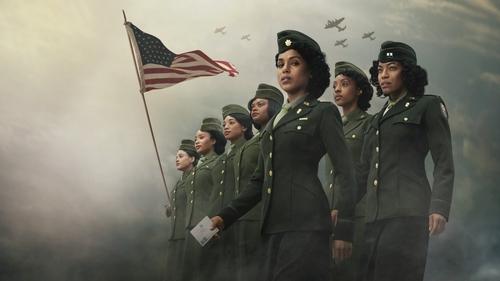
During World War II, the US Army's only all-Black, all-women battalion takes on an impossible mission: sorting through a three-year backlog of 17 million pieces of mail that hadn't been delivered to American soldiers and finish within six months.
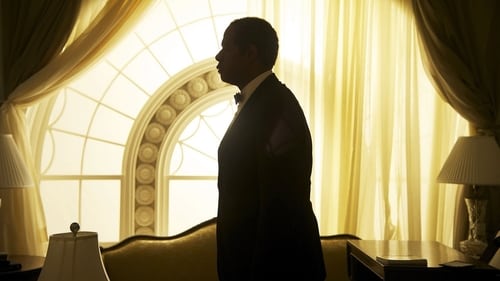
Cecil Gaines was a sharecropper's son who grew up in the 1920s as a domestic servant for the white family who casually destroyed his. Eventually striking out on his own, Cecil becomes a hotel valet of such efficiency and discreteness in the 1950s that he becomes a butler in the White House itself. There, Cecil would serve numerous US Presidents over the decades as a passive witness of history with the American Civil Rights Movement gaining momentum even as his family has troubles of its own. As his wife, Gloria, struggles with alcoholism and his defiant eldest son, Louis, strives for a just world, Cecil must decide whether he should take action in his own way.

A tribute to the controversial black activist and leader of the struggle for black liberation. He hit bottom during his imprisonment in the '50s, he became a Black Muslim and then a leader in the Nation of Islam. His assassination in 1965 left a legacy of self-determination and racial pride.
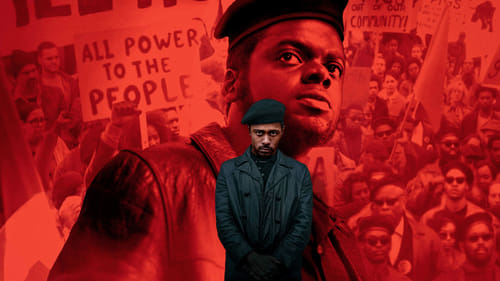
Bill O'Neal infiltrates the Black Panthers on the orders of FBI Agent Mitchell and J. Edgar Hoover. As Black Panther Chairman Fred Hampton ascends—falling for a fellow revolutionary en route—a battle wages for O’Neal’s soul.
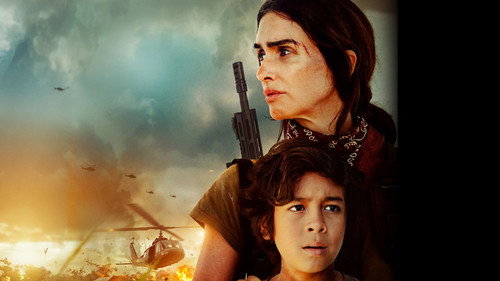
A boy seeks revenge after surviving El Mozote massacre in El Salvador, where government forces killed his family and destroyed his village - the deadliest civilian massacre in modern Latin America.
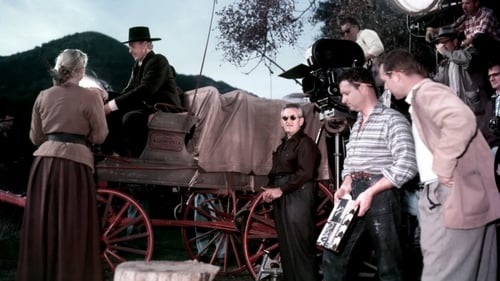
The story of a family of Quakers in Indiana in 1862. Their religious sect is strongly opposed to violence and war. It's not easy for them to meet the rules of their religion in everyday life but when Southern troops pass the area they are in real trouble. Should they fight, despite their peaceful attitude?

The rise of Aretha Franklin’s career from a child singing in her father’s church’s choir to her international superstardom.
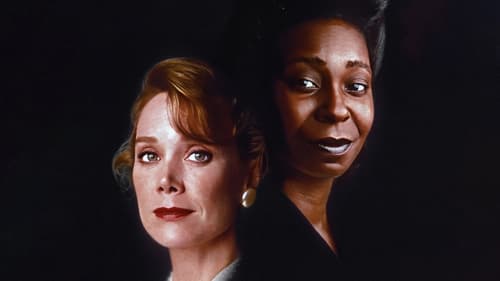
Two women, black and white, in 1955 Montgomery Alabama, must decide what they are going to do in response to the famous bus boycott led by Martin Luther King.
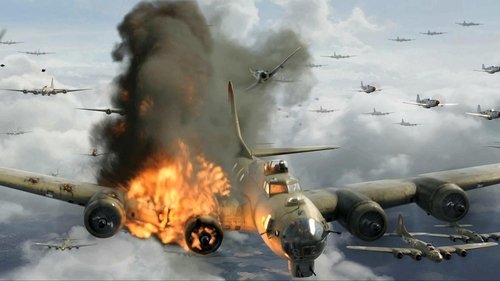
The story of the Tuskegee Airmen, the first African-American pilots to fly in a combat squadron during World War II.
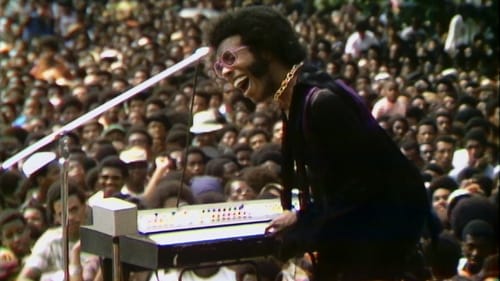
During the same summer as Woodstock, over 300,000 people attended the Harlem Cultural Festival, celebrating African American music and culture, and promoting Black pride and unity. The footage from the festival sat in a basement, unseen for over 50 years, keeping this incredible event in America's history lost — until now.
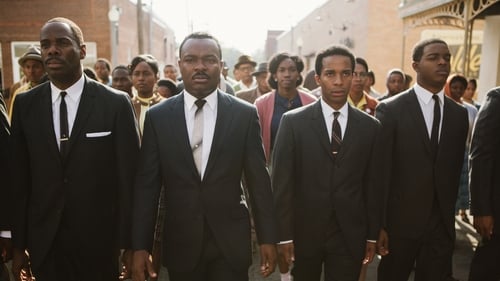
"Selma," as in Alabama, the place where segregation in the South was at its worst, leading to a march that ended in violence, forcing a famous statement by President Lyndon B. Johnson that ultimately led to the signing of the Voting Rights Act.
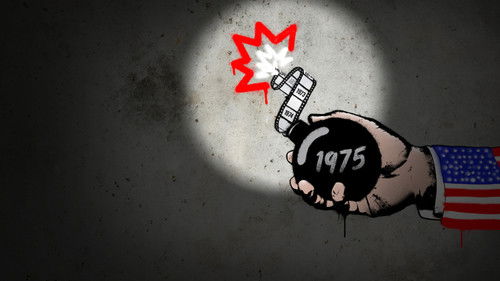
In 1975, as America faced social and political upheaval, filmmakers turned chaos into art.
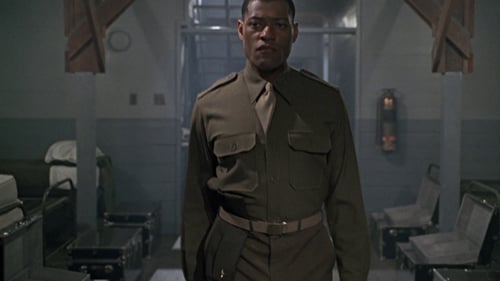
During the Second World War, a special project is begun by the US Army Air Corps to integrate African American pilots into the Fighter Pilot Program. Known as the "Tuskegee Airman" for the name of the airbase at which they were trained, these men were forced to constantly endure harassement, prejudice, and much behind the scenes politics until at last they were able to prove themselves in combat.