
Action
Adventure
Animation
Comedy
Crime
Documentary
Drama
Family
Fantasy
History
Horror
Music
Mystery
Romance
Science Fiction
Thriller
War
Western
Found 39 movies, 8 TV shows, and 0 people
Can't find what you're looking for?
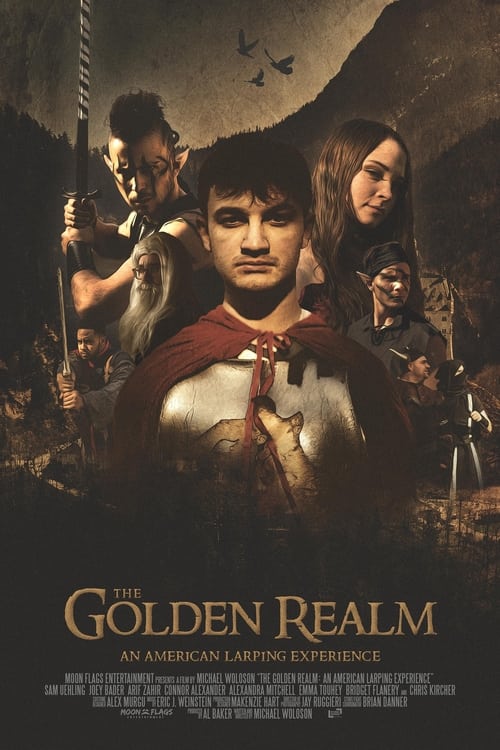
Dylan and Toby are live action role-players who never break from their characters and have an intense rivalry. After one battle ends with the "death" of a loved one, they prepare for a final showdown.
Part II of PBS' American Experience: Reagan

An eye-opening experience. Must see film! Getting an understanding of the long history of Americans is so insightful from this point of view. Very important film to watch and learn new insights.
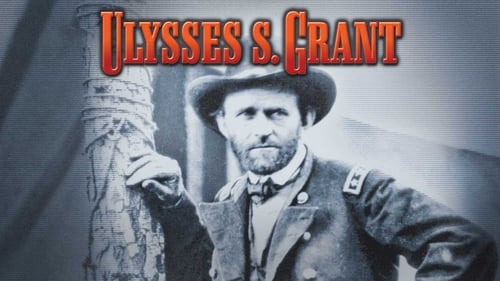
As a general, he had fought to preserve the Union. As president, he helped to oversee the transformation from union to nation. As a former president, he was the embodiment of the very idea of national union, and of America's entry onto the world stage. As a dying general, he was the symbol of the nation's greatest and most traumatic war. The story of Ulysses S. Grant's life, from his first days on the Ohio frontier to his last days out-writing death in the Adirondacks, is an endlessly fascinating one. Few public figures have ever held a such a firm grip on the American popular imagination. Grant was a man whose rise from obscurity made him a hero to millions who could see themselves in him. An ordinary man who faced and met extraordinary challenges, his successes and failures seemed to encapsulate the national character. He was so popular with the American public that, despite his two scandal-ridden terms as president, he was nearly nominated to run for a third term.
This documentary contrasts the issues faced by today's Native American people and covers the injustices that their people had faced in the past.
No Turning Back is part three of BECOMING AMERICAN: The Chinese Experience. World War II ushered in the beginning of major changes for the Chinese in America. At war with Japan, China became an American ally. In an abrupt about-face, Chinese Americans found themselves suddenly embraced by America's political establishment, and the exclusion laws were quickly repealed. To fuel the war effort, Chinese men and women moved into factory jobs, military service, and other arenas formerly closed to them. With this integration into mainstream American society, barriers of racism started to dissolve. But it was in the late sixties, as Civil Rights laws and the 1965 Immigration Reform Act took effect, that Chinese Americans began their rise to the pinnacle of U.S. life.
Between Two Worlds is part two of BECOMING AMERICAN: The Chinese Experience. The 1882 Exclusion Act prohibited Chinese laborers from entering the country and becoming citizens. It also ushered in the most violent decade in Chinese-American history, with assault, arson, and murder becoming ever-present dangers for a people marginalized in the eyes of the law. Part Two of BECOMING AMERICAN: The Chinese Experience tells the story of these hostile years when Chinese Americans existed in a kind of limbo, denied the rights of their new country and no longer at home in their former one. They found refuge in Chinatowns.
Gold Mountain Dreams is part one of BECOMING AMERICAN: The Chinese Experience. In the 1840s, civil war and famine in southern China drove thousands of young men to seek their fortune in the California Gold Rush. This program traces the Chinese experience in America, from their welcome in San Francisco as “celestial men of commerce,” through the Gold Rush and building of the Transcontinental Railroad, to the 1882 Chinese Exclusion Act banning their entry into this country. This program rediscovers the often-overlooked role of the Chinese and tells their stories through the lives of individuals using photos, artifacts, and interviews with descendants and historians.
From the hand-drawn typeface on the book cover of The Godfather to Herman Miller’s biomorphic coffee table, the work of Japanese American artists/designers including Ruth Asawa, George Nakashima, Isamu Noguchi, S. Neil Fujita, and Gyo Obata permeated American postwar culture. While these second generation Japanese American artists have been celebrated, less-discussed is the powerful effect their World War II incarceration—a period of intense hardship and discrimination—had on their lives and art.
Redefining race relations through public discourse made legends of the two men profiled here: multitalented performer, writer, athlete and civil rights activist Paul Robeson, and literary giant Richard Wright (Native Son). For Robeson, this propensity ultimately cost him his career, leading to his blacklisting during the McCarthy era. For Wright, it fueled a body of work that brought the experience of being black in America to the world at large.
As a child, Dr. Frank Kitamoto and his family lived on Bainbridge Island, WA, where the U.S. government first ordered Japanese Americans to register, leave their homes, and then intern them in detention camps - a panic-stricken reaction to the bombing of Pearl Harbor. In After Silence, the past comes alive as Frank - who spent 3 -1/2 years of his childhood in an internment camp during WWII - and five students from his island community develop archival photographic prints in the high school darkroom. Together, Frank and the students discuss the need to safeguard the constitutional rights of those living in the United States.
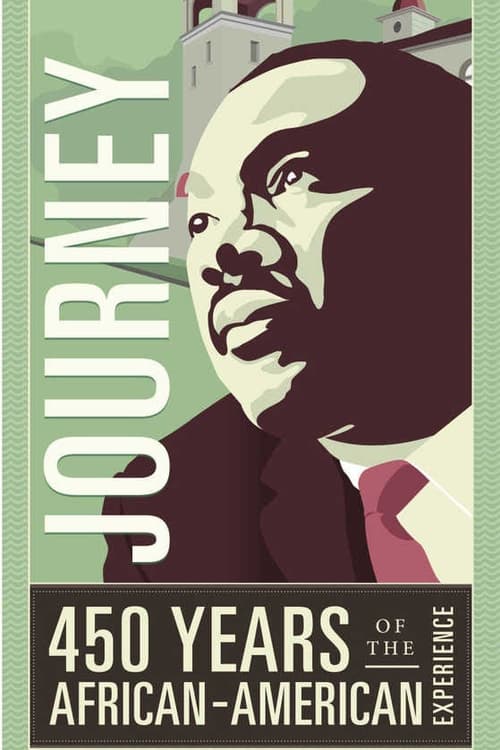
Chronicles over four centuries of African American influence on the development of the modern-day United States. Before Plymouth Rock and Jamestown, St. Augustine, FL had built a multicultural colony of free and enslaved men and women. This small colony would eventually set the stage for the first Underground Railroad in the late 1600s. Then, 300 years later, be the epicenter of events that would lead to the passage of the Civil Rights Act of 1964.

Unseen Tears documents the effects of Native American boarding (residential) schools in western New York and Ontario. The documentary focuses on communites effected by the Thomas Indian School and the Mohawk Institute.
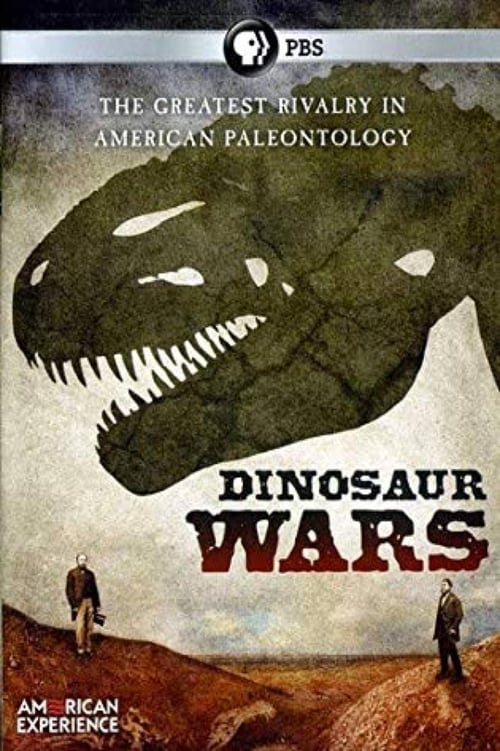
Dinosaur Wars is the story of two talented scientists, O.C. Marsh and Edward Cope, whose once professional rivalry soured into a bitter personal feud. Together, Marsh and Cope were responsible for identifying more than 142 different species and for introducing dinosaurs into the American imagination, but their legacy would be forever marred by two decades of ruthless infighting, espionage, and sabotage.
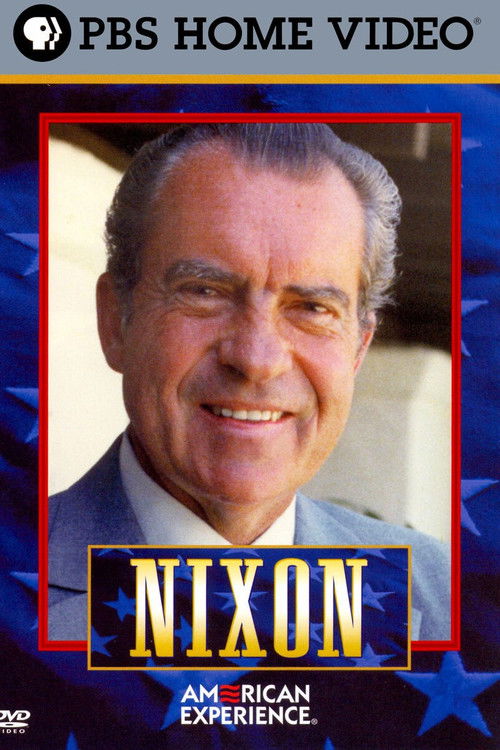
The enigmatic nature of the Nixon presidency combined comparatively progressive legislative initiatives with a flagrant abuse of presidential power and the public trust. His achievements in expanding peaceful relations with China and the Soviet Union stand in stark contrast with his continuation of the war in Vietnam. Finally brought down by scandal and duplicity, his administration did much to erode the citizenry's faith in government.
He was a farmer, a businessman, an unknown politician who suddenly found himself president. Of all the men who had held the highest office, Harry Truman was the least prepared, but would prove to be a surprise.
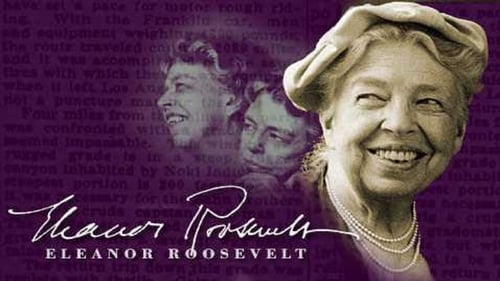
Eleanor Roosevelt struggled to overcome an unhappy childhood, betrayal in her marriage, a controlling mother-in-law, and gripping depressions — all the while staying true to her passion for social justice. This biography includes rare home movies, contemporary footage, and reflections from Eleanor’s closest surviving relatives, as well as biographers Blanche Wiesen Cook, Allida Black, and Geoffrey C. Ward, bringing to vibrant life one of the century’s most influential women.
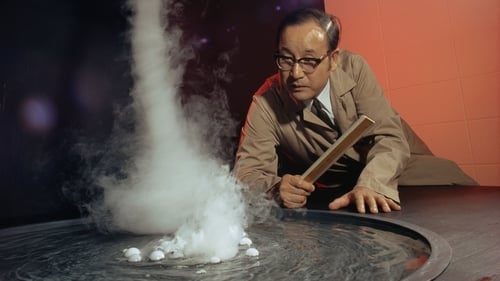
Meteorologist Tetsuya Theodore "Ted" Fujita spent ten months studying The Super Outbreak of 1974, which was the most intense tornado outbreak on record. Mr. Tornado is the remarkable story of the man whose groundbreaking work in research and applied science saved thousands of lives and helped Americans prepare for and respond to dangerous weather phenomena.
Before there was Disneyland, there was Coney Island. By the turn of the century, this tiny piece of New York real estate was internationally famous. On summer Sundays, three great pleasure domes--Steeplechase, Luna Park and Dreamland--competed for the patronage of a half-million people. By day it was the world's most amazing amusement park, by night, an electric "Eden".
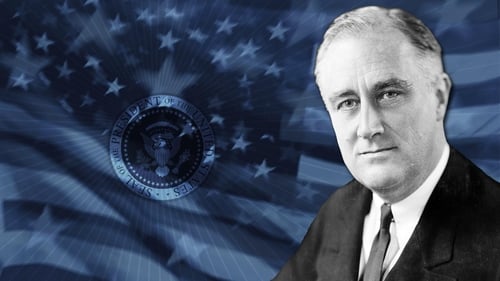
Franklin Delano Roosevelt is one of the most revered and influential Americans of this century. The subject of hundreds of books and countless plays, films, and television programs, he has become an icon for an entire generation. Until this definitive 4-hour documentary based on two books by senior creative consultant and FDR biographer Geoffrey Ward, the personal motivations and physical and emotional trails that marked his life remained elusive. By interviewing dozens of those who knew FDR or had chronicled his career, by uncovering rare and previously unseen footage of his public appearances and private life, and by weaving them together in a taut and compelling narrative beautifully read by David McCullough, writer/producer David Grubin presents the most complete account to date for Mr. Roosevelt. For this achievement, a Peabody Award was presented to David Grubin Productions and The American Experience for FDR.
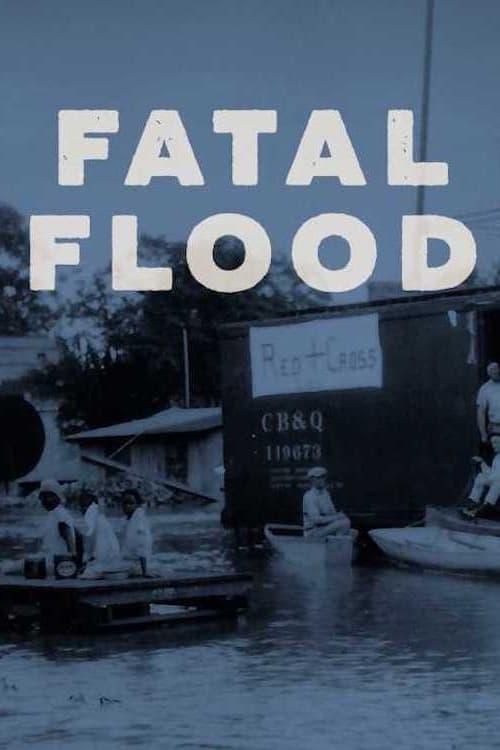
In the spring of 1927, after weeks of incessant rains, the Mississippi River went on a rampage from Cairo, Illinois to New Orleans, inundating hundreds of towns, killing as many as a thousand people and leaving a million homeless. In Greenville, Mississippi, efforts to contain the river pitted the majority black population against an aristocratic plantation family, the Percys, and the Percys against themselves. A dramatic story of greed, power and race during one of America's greatest natural disasters.

November 2016 : The United States of America are about to elect their new president. AMERICA is a deep dive into the heart of Arizona, meeting the inhabitants of a little town crossed by Road 66, the broken inheritors of the American Dream who deliver us their hopes and fears.
The Triangle Fire chronicles the 1911 fire at the Triangle Shirtwaist Factory in New York City killing one hundred and forty-eight young women and forever changed the relationship between labor and industry in the United States.
On February 1, 1913, more than 150,000 people eagerly rushed to Grand Central Terminal to gaze at New York City's newest landmark. A marvel of engineering, architecture, and vision, the new Beaux Arts structure on 42nd street housed an underground electric train station that would revolutionize the way people traveled and transform midtown Manhattan.
Discover the fascinating story of Elizebeth Smith Friedman, the groundbreaking cryptanalyst who helped bring down gangsters and break up a Nazi spy ring in South America. Her work helped lay the foundation for modern codebreaking today.
Arguably one of the most fateful and resonant events of the last half millennium, the Pilgrims journey west across the Atlantic in the early 17th century is a seminal, if often misunderstood episode of American and world history. The Pilgrims explores the forces, circumstances, personalities and events that converged to exile the English group in Holland and eventually propel their crossing to the New World; a story universally familiar in broad outline, but almost entirely unfamiliar to a general audience in its rich and compelling historical actuality. Includes the real history of the "first thanksgiving".
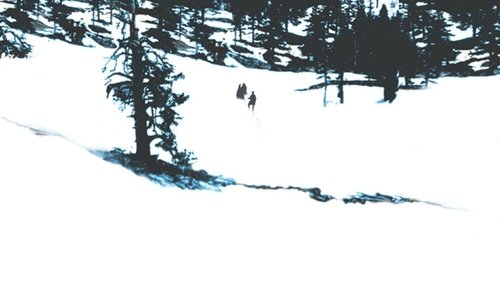
Doomed attempt to get to California in 1846. More than just a riveting tale of death, endurance and survival. The Donner Party's nightmarish journey penetrated to the very heart of the American Dream at a crucial phase of the nation's "manifest destiny." Touching some of the most powerful social, economic and political currents of the time, this extraordinary narrative remains one of the most compelling and enduring episodes to come out of the West.
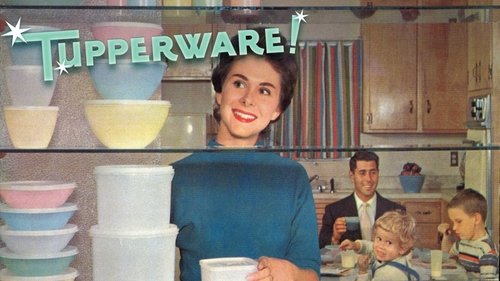
The remarkable story of Earl Silas Tupper, an ambitious but reclusive small-town inventor, and Brownie Wise, the self-taught sales-woman who built him an empire out of bowls that burped. Brownie was an intuitive marketing genius who trained a small army of Tupperware Ladies to put on Tupperware parties in living rooms across America in the 1950s. She rewarded her sales force with minks and modern appliances at extravagant annual jubilees which the company filmed. her saleswomen earned thousands, even millions, selling Tupperware. And the experience changed their lives.
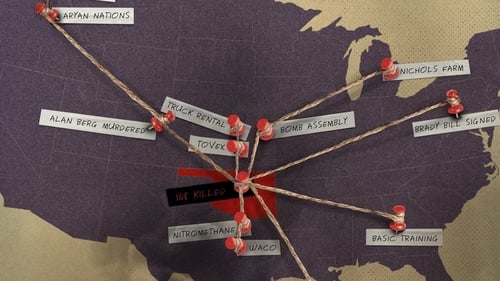
The bombing of the Alfred P. Murrah Federal Building in Oklahoma City in April 1995 is the worst act of domestic terrorism in American history. This documentary explores how a series of deadly encounters between American citizens and federal law enforcement—including the standoffs at Ruby Ridge and Waco—led to it.
As a general, he had fought to preserve the Union. As president, he helped to oversee the transformation from union to nation. As a former president, he was the embodiment of the very idea of national union, and of America's entry onto the world stage. As a dying general, he was the symbol of the nation's greatest and most traumatic war. The story of Ulysses S. Grant's life, from his first days on the Ohio frontier to his last days out-writing death in the Adirondacks, is an endlessly fascinating one. Few public figures have ever held a such a firm grip on the American popular imagination. Grant was a man whose rise from obscurity made him a hero to millions who could see themselves in him. An ordinary man who faced and met extraordinary challenges, his successes and failures seemed to encapsulate the national character. He was so popular with the American public that, despite his two scandal-ridden terms as president, he was nearly nominated to run for a third term.

Filmed over five years in Kansas City, this documentary follows four transgender kids – beginning at ages 4, 7, 12, and 15 – as they redefine “coming of age.” These kids and their families show us the intimate realities of how gender is re-shaping the family next door in a unique and unprecedented chronicle of growing up transgender in the heartland.
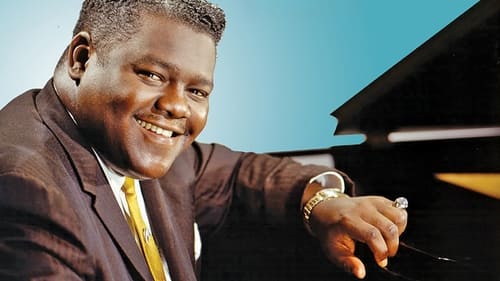
One of the most popular rockers of the 1950s and early 60s, Fats Domino and his record sales were rivaled then only by Elvis Presley. With his boogie-woogie piano playing rooted in blues, rhythm & blues, and jazz, he became one of the inventors, along with Presley, Chuck Berry, Jerry Lee Lewis and Little Richard, of rock ‘n’ roll, a revolutionary genre that united young black and white audiences.
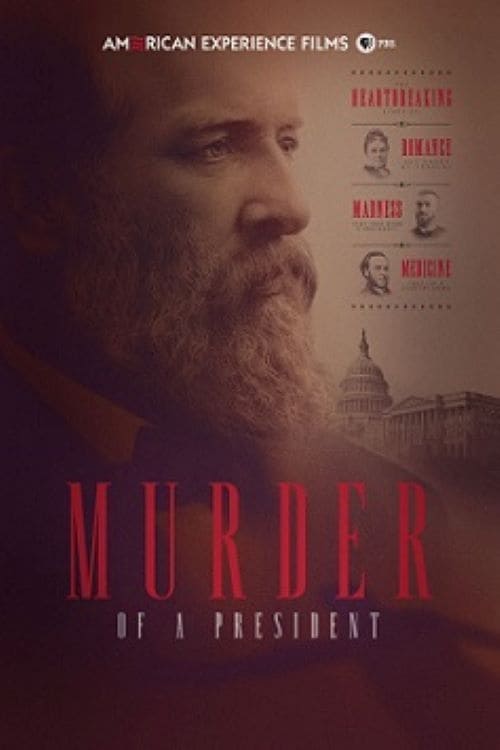
The life of President James Garfield, including his rise to power and the aftermath of his assassination.
In the closing decades of the nineteenth century, during what has become known as the Gilded Age, the population of the United States doubled in the span of a single generation. As national wealth expanded, two classes rose simultaneously, separated by a gulf of experience and circumstance that was unprecedented in American life. These disparities sparked passionate and violent debate over questions still being asked in our own times: How is wealth best distributed, and by what process? Does government exist to protect private property or provide balm to the inevitable casualties of a churning industrial system? The outcome of these disputes was both uncertain and momentous, and marked by a passionate vitriol and level of violence that would shock the conscience of many Americans today.
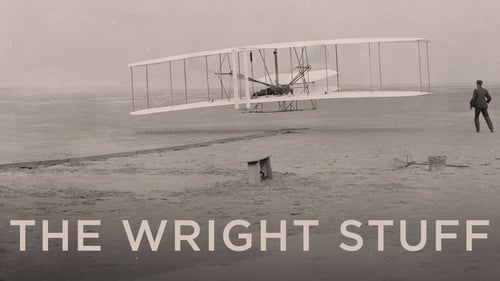
On August 8, 1908, at a racetrack outside Paris, Wilbur Wright executed what was, for him, a routine flight: a smooth take-off banking into a couple of tight circles, ending in a perfect landing. The flight took less than two minutes, but it left spectators awestruck. While the combined talents of Wilbur and Orville Wright had produced the first plane capable of controlled flight , their distrust of others had almost cost them the credit for their invention. Now, having proved to the public that they had mastered the sky, the reserved brothers from the small town of Dayton, Ohio, became world celebrities.
In 1988, after two terms in office, Ronald Reagan left the White House one of the most popular presidents of the twentieth century -- and one of the most controversial. A failed actor, Reagan became a passionate ideologue who preached a simple gospel of lower taxes, less government, and anti-communism.
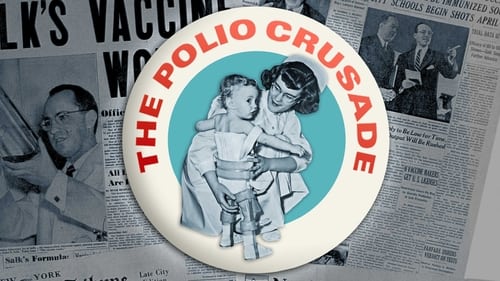
The film interweaves the personal accounts of polio survivors with the story of an ardent crusader who tirelessly fought on their behalf while scientists raced to eradicate this dreaded disease. Based in part on the Pulitzer Prize-winning book Polio: An American Story by David Oshinsky, Features interviews with historians, scientists, polio survivors, and the only surviving scientist from the core research team that developed the Salk vaccine, Julius Youngner.
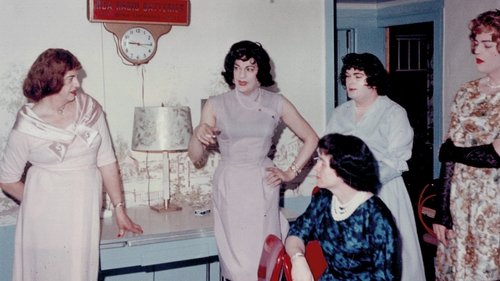
In the 50s and 60s, deep in the American countryside at the foot of the Catskills, a small wooden house with a barn behind it was home to the first clandestine network of cross-dressers. Diane and Kate are now 80 years old. At the time, they were men and part of this secret organization. Today, they relate this forgotten but essential chapter of the early days of trans-identity. It is a story full of noise and fury, rich in extraordinary characters, including the famous Susanna, who had the courage to create this refuge that came to be known as Casa Susanna.
Robert Stone’s Academy Award–nominated documentary reconstructs the 1946 Operation Crossroads nuclear tests at Bikini Atoll. Built largely from previously unseen U.S. government archival footage and eyewitness accounts, the film recounts the relocation of the Bikini Islanders and the experiences of American sailors who were exposed to radioactive fallout during the experiments. The documentary later aired as part of the PBS series American Experience.