
Action
Adventure
Animation
Comedy
Crime
Documentary
Drama
Family
Fantasy
History
Horror
Music
Mystery
Romance
Science Fiction
Thriller
War
Western
Found 20 movies, 1 TV show, and 0 people
Can't find what you're looking for?
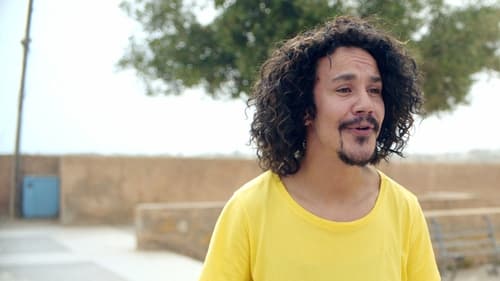
In love with Brazil and Maria, a soap opera heroin harassed by a corrupt contractor, Abdelinho suffers parallel ordeal in Morocco by pressure of Amr Taleb, a dogmatic, moralistic priest, enforcing religious purity on the community
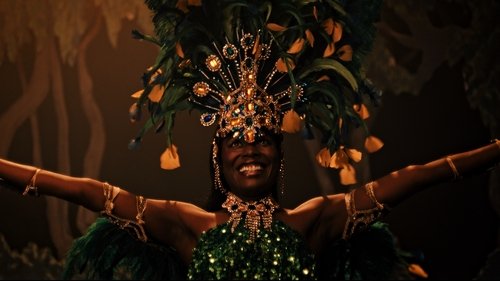
When a young Afro-Brazillian dancer is pressured to live up to her mother’s decorated Samba career, she is haunted by who the world wants her to be.

Young African-Brazilian Miguel drives across the country in search of a long-lost relative to find out about his ancestry. However, a deeper understanding emerges through his encounters along the way.
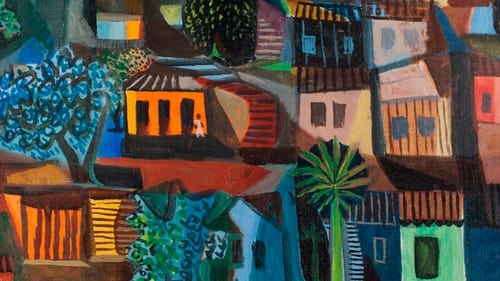
This controversial film from director Glauber Rocha records the funeral of his friend, major Brazilian painter Emiliano Di Cavalcanti.
No description available for this movie.
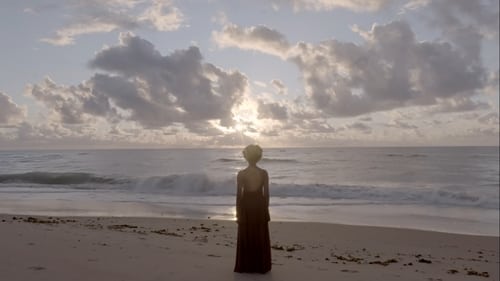
Self-directed visual for Luedji Luna's new studio album. It verses about love and affection of black women.
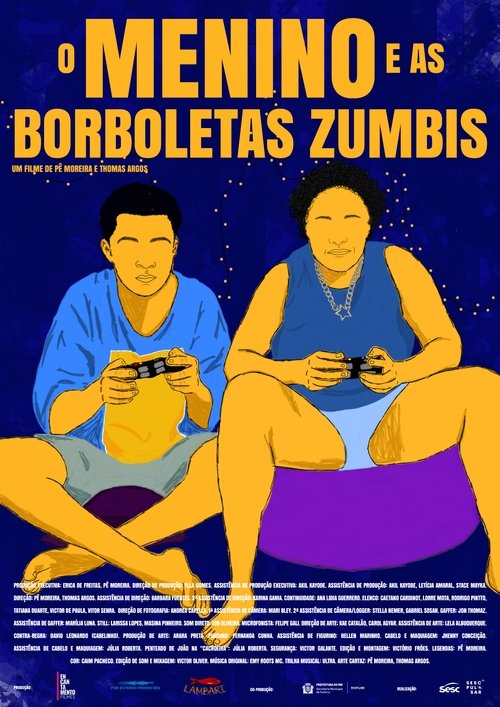
In this romcom stained with Brazilian queerness, João used to think the butterflies in his stomach were dead. When he falls in love with Lucas, his best friend, something weird starts happening in his belly. Maybe he has zombie butterflies.
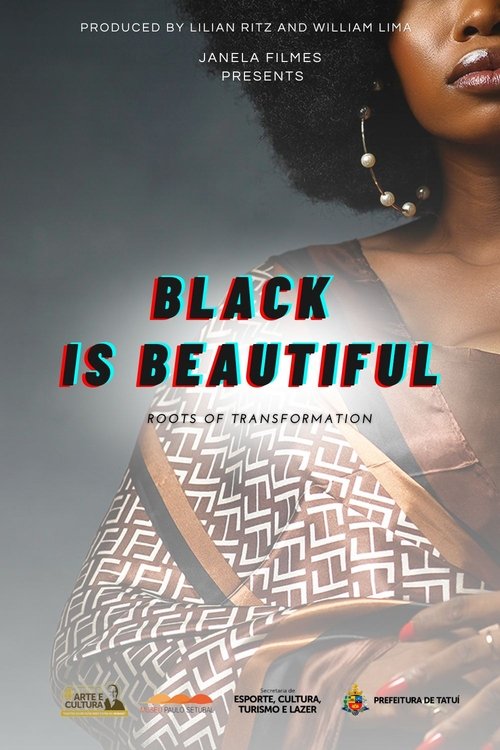
No description available for this movie.
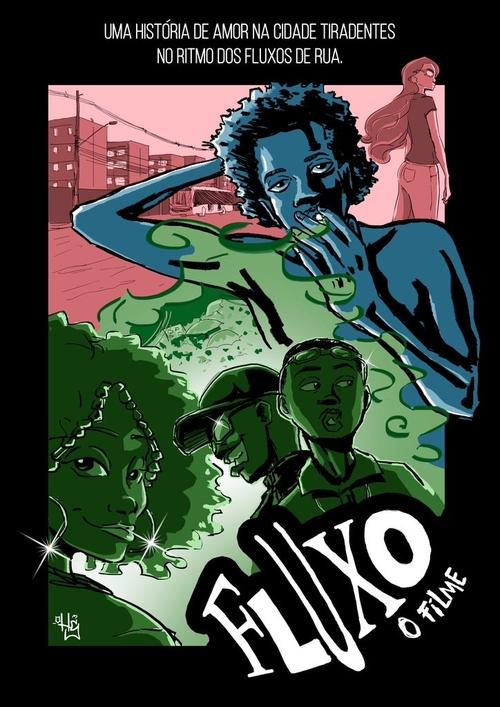
Amid an identity crisis, Fábio, 22 years old, a young black man from Cidade Tiradentes, reconnects with his past through a funk party with friends. On their way to the Fluxo, as these parties are called, he faces internal and external challenges that make him confront his feelings after his recent breakup. The film investigates the experiences of young people who live in the extreme east of São Paulo, the biggest city in Brazil and considered one of the main pillars of funk history.

The Other Side of the Atlantic is a documentary that builts a bridge in the ocean that separates Brazil and Africa. The film tackles the cultural exchanges, the imaginary created through the mirroring, the prejudice and dreams built in both sides of the atlantic through the life stories of the students of african countries in transit through Brazil.
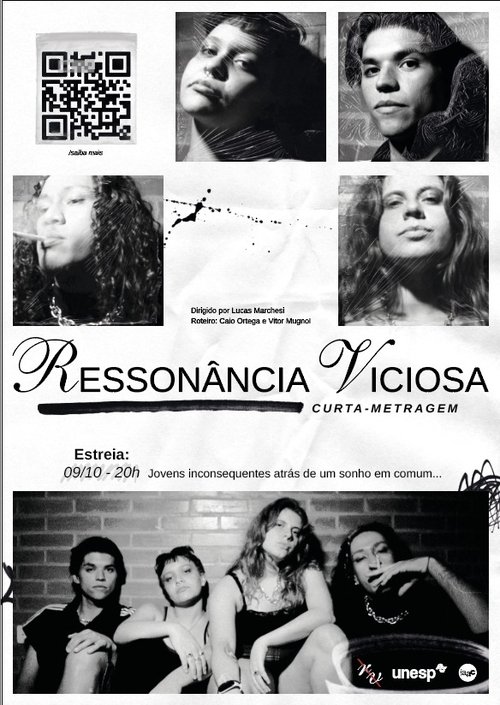
Four inconsequential young people and a dream at stake... in an attempt to better understand the steps that followed a tragedy, stories are told and memories are revisited: dive headfirst into the chaotic universe of the band Vicious Resonance.

This documentary accompanies the journey of artists who exalt and celebrate ancestry and the orishas in their work. It also offers a manifesto against one of the biggest problems facing Brazil: religious racism. The feature brings together stories from music, theater, fashion, dance and the visual arts to promote reflection on the power and importance of black representation, art and diversity

No description available for this movie.
The documentary adresses the meaning of music and the musical diversity present in Umbanda (a Brazilian religion with afroindigenous roots). With interviews with four umbandistas from Fortaleza - Ceará, Crossroads of the Sound pays reverence to the enchanted dimension where the sounds cross each other to make the spirits dance.
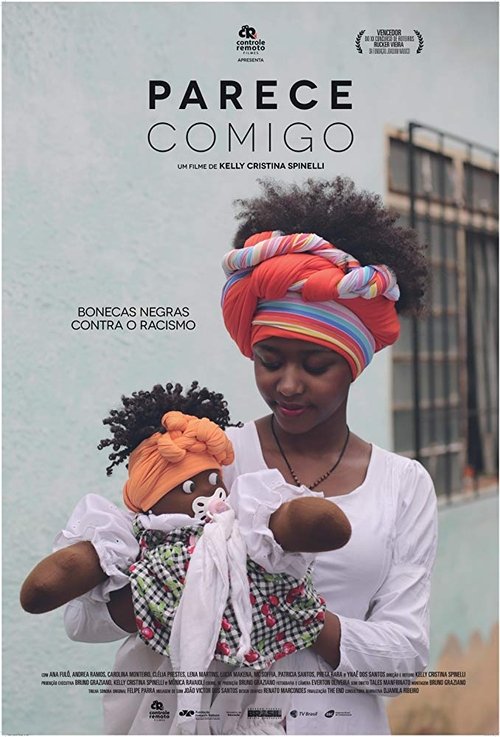
'Black girls don't play with black dolls', says the lyrics of Preta Rara's rap, one of the characters in It Looks Like Me. The documentary explores the lack of black dolls in the Brazilian market and shows the work of the artisans who try to change this scenario facing the gigantic toy industry with their handmade dolls.

Festive Land examines one of the largest and most extraordinary popular celebrations in the world, the week-long Carnival that brings more than two million people to the streets of Salvador, the capital of Bahia, in northeastern Brazil. Carnival is the most expressive showcase of the unique cultural richness of Bahia, where African culture has survived, prospered, and evolved, mixing with other Brazilian influences to create forms found nowhere else in the world. The film captures this unique cultural energy through extraordinary footage of musical performances, dances, religious manifestations, and street celebrations. At the same time, Carnival reflects the racial and social tensions of Brazil's heterogeneous society. At first glance there appear to be two million people chaotically mixed on the streets, but a more detailed look reveals how patterns of segregation driven by racial, social and economic differences continue in Carnival.
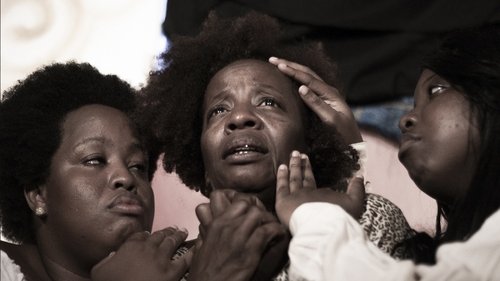
After years abroad due to his brother's murder, a renowned journalist returns to his family's home to take care of his mother, who suffers from an unknown illness. Late at night, he is visited by two strangers. As new events unfold, leading him to suspect that something ominous and deeply disturbing has struck his mother, a new tragedy rises.
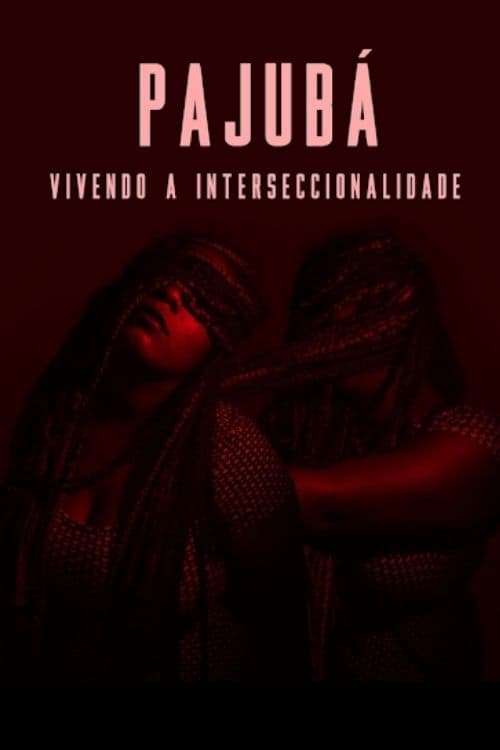
"Pajubá" is a language created by black LGBTs as a mode of resistance. Given this, the present short film seeks to rescue the reality of people who experience in their own skin the strength of intersectionality between race, gender and sexuality in the São Francisco Valley region.

Murilo, a Black graffiti artist from São Paulo, Brazil, shares his memories in an animated diary blending 2D, 3D, and live-action about his best friend, childhood, and the Brazilian hip-hop scene.

A debate about the presence of black culture in Brazilian contemporaneity, as well as the various paradoxes found in the environment of a society marked by a racist and slavery tradition.