
Action
Adventure
Animation
Comedy
Crime
Documentary
Drama
Family
Fantasy
History
Horror
Music
Mystery
Romance
Science Fiction
Thriller
War
Western
Found 9 movies, 0 TV shows, and 0 people
Can't find what you're looking for?
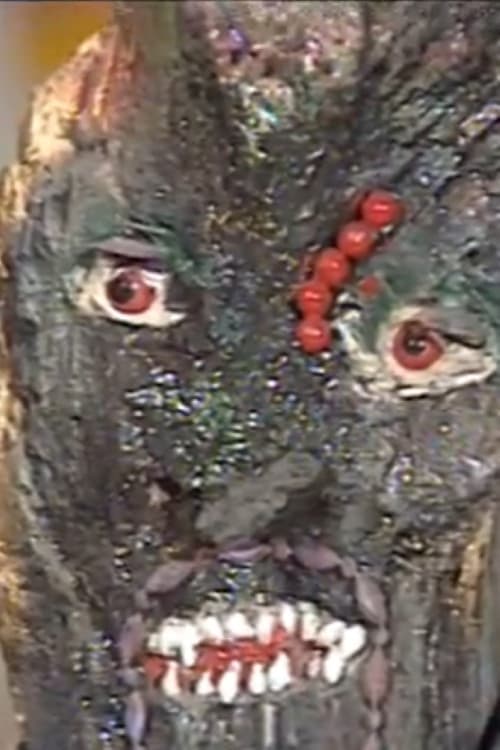
Contemporary African-American artists tell how their art and lives have been affected by African influences and their own experiences living as Black Americans in today's world. Writer/Professor, Maya Angelou expresses the black experience in words and poetry.
Black Is the Color highlights key moments in the history of Black visual art, from Edmonds Lewis’s 1867 sculpture Forever Free, to the work of contemporary artists such as Whitfield Lovell, Kerry James Marshall, Ellen Gallagher, and Jean-Michel Basquiat. Art historians and gallery owners place the works in context, setting them against the larger social contexts of Jim Crow, WWI, the civil rights movement and the racism of the Reagan era, while contemporary artists discuss individual works by their forerunners and their ongoing influence.

African masks in performance: The spectacular masks of the Winiama people in the rural village of Ouri, in Burkina Faso, perform to reenact the encounters between the village ancestors and the spirits of the wilderness. This video emphasizes performance. There are lots of long takes of individual mask's performances from start to finish, with musical accompaniment, crowd reaction. Professor Roy has taught African art history at the University of Iowa for thirty years, and he has been doing research in Burkina Faso for thirty-seven years. He recently published The Land of Flying Masks: Art and Culture of Burkina Faso (Munich: Prestel, 2007).
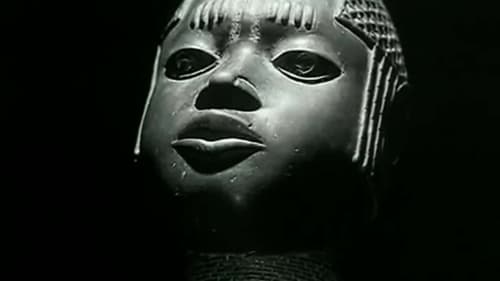
Commissioned by the journal Présence Africaine, this short documentary examines how African art is devalued and alienated through colonial and museum contexts. Beginning with the question of why African works are confined to ethnographic displays while Greek or Egyptian art is celebrated, the film became a landmark of anti-colonial cinema and was banned in France for eight years.
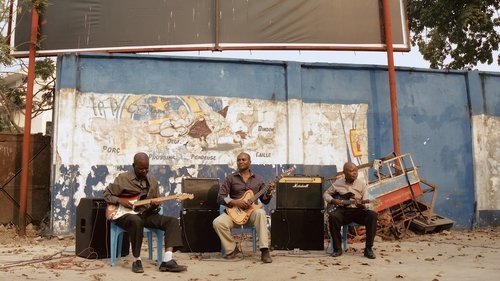
In the fifties, when the future Democratic Republic of Congo was still a Belgian colony, an entire generation of musicians fused traditional African tunes with Afro-Cuban music to create the electrifying Congolese rumba, a style that conquered the entire continent thanks to an infectious rhythm, captivating guitar sounds and smooth vocals.
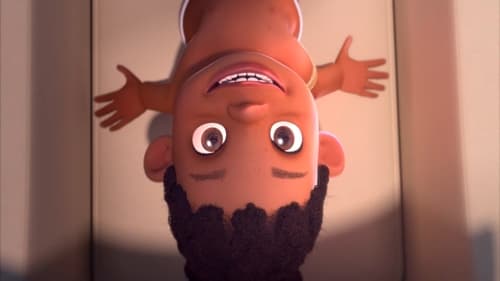
A peaceful neighborhood, a peaceful home, a peaceful couple who is about to celebrate the arrival of their new piece collection of African Art.
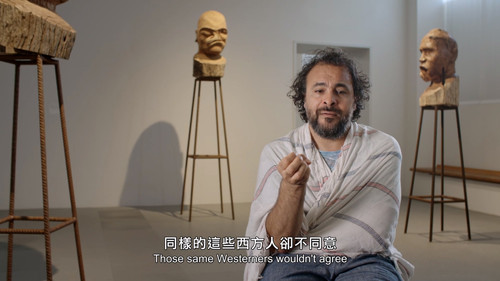
There is an interlinking history of violent European colonialism and the cultural legacy of ethnographic collections in institutions. This documentary traces the progression of colonial history from the Berlin Conference of 1884-85 to the systematic elimination of cultural traditions, religions and lifeways which would occur sporadically through genocides and warfare until the early 20th century throughout the African continent—surveying the inquiries and movements for historical justice, the relationships between European institutions and colonial violence and following enduring struggles against these organisations to regain what was taken.
How African artists have spread African culture all over the world, especially music, since the harsh years of decolonization, trying to offer a nicer portrait of this amazing continent, historically known for tragic subjects, such as slavery, famine, war and political chaos.

"A country without artists is a dead country... I hope we are alive..." It is in this film by Fawzi Sahraoui produced by the RTA in 1985 and filmed a few months before the painter M'hamed Issiakhem 'turns off this sentence is spoken. A very interesting docu-fiction in which Issiakhem delivers himself with finesse, passion and generosity.