
Action
Adventure
Animation
Comedy
Crime
Documentary
Drama
Family
Fantasy
History
Horror
Music
Mystery
Romance
Science Fiction
Thriller
War
Western
Found 38 movies, 20 TV shows, and 0 people
Can't find what you're looking for?

Follows the story of Chris Collard, from his early life dealing with juvenile detention, to his experience with kickboxing and eventual rise to world champion.

Everyone is familiar with certain types of Aboriginal architecture. Traditional igloos and tepees are two of the most enduring symbols of North America itself. But how much do we really know about the types of structures Native Peoples designed, engineered and built? For more than three hundred years, Native communities in North America have had virtually no indigenous architecture. Communities have made do with low-cost government housing and community projects designed by strangers in far away places.

Set in and around Darwin the film discloses the life of a full-blood Aborigine as depicted in Douglas Lockwood's book of the same name. Philip Roberts recalls his early years of tribal life and gradual acceptance by the white community. He receives medical training, and travels frequently to his own people making use of his knowledge.
A modern-day aborigine, alone on a deserted planet, surrounded by cold nature, builds a new world from the remnants of an extinct civilization. This surreal audiovisual work reflects on the question of human existence when the world is on the verge of destruction, evoking the mourning of an activist artist over an ecological catastrophe.
In 1925, Fred Maynard established the Australian Aboriginal Progressive Association (A.A.P.A.), the first large scale Aboriginal rights movement. The film is a biography of Fred Maynard, a significant and important historical figure, and an overview of the rise and undermining of the A.A.P.A. It also looks at Maynard’s intellectual influences and the connections the A.A.P.A. had to other significant black rights movements to show the deep philosophies that underlined this early and significant Aboriginal protest movement.
Two-Spirited director Michelle Sylliboy asks another Two-Spirited woman to express her views on the land Issue.
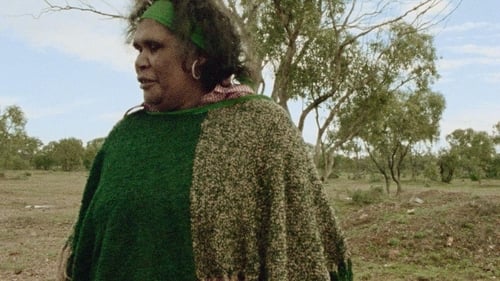
Essie Coffey gives the children lessons on Aboriginal culture. She speaks of the importance of teaching these kids about their traditions. Aboriginal kids are forgetting about their Aboriginal heritage because they are being taught white culture instead.
A documentary record of the Gunabibi fertility ceremony among Aboriginal communities in northern Arnhem Land, filmed by anthropologist Roger Sandall using extended synchronous sound observation.
Created by Anishnabe Videographer Joe Beardy and trainee Darlene Naponse, Aboriginal Radio Waves Part I is the first part of a two part series about community radio. Through interviews and visuals, the video shares with you the voices of station managers, volunteers, DJs, and community members.
Created by Anishnabe Videographer Joe Beardy and trainee Darlene Naponse, Aboriginal Radio Waves Part II is the second part of a two part series about community radio. In Aboriginal Radio Waves II, Joe Beardy and Darlene Naponse detail the steps involved in obtaining a station, from procedure of applying for grants, the start up of the station, to radio programming are covered within the video, and respond to community concerns related to funding and autonomy.
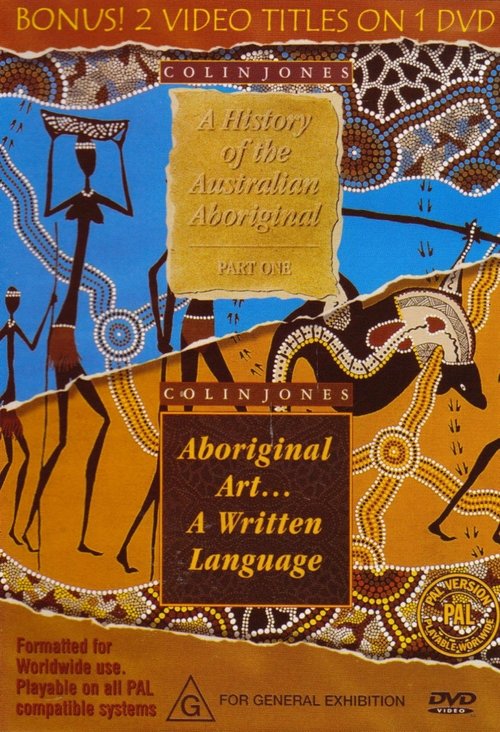
Colin Jones is of Aboriginal, Polynesian and English decent. The Aboriginal side of his family are from the Kalkadoon and Nunuckle tribal groups. His grandfather taught him about Aboriginal traditions and the art of his people. Colin is now a noted Artist. At present Colin is studying for his Masters Degree in Humanities. Much of the history that he talks about in this video comes from his own studies and research, conducted over many years. Colin's reason for making this video is to explain from an Aboriginal point of view based on his historical data, what has happened to his people over the past two hundred years since the white man arrive in Australia.
Filmed on the plains of north-western New South Wales, this documentary looks at one man's fight against the scourge of Indigenous imprisonment in his community. Inside Out tells the story of a pastor and former prison guard, Uncle Isaac Gordon, whose dream is to see the numbers of Aboriginal youths heading to jail slashed. Gordon wants to build a 'healing centre' for troubled Aboriginal young people at risk of jail time, built on his family's ancestral land near the towns of Brewarrina and Walgett. But will government bodies get on board?
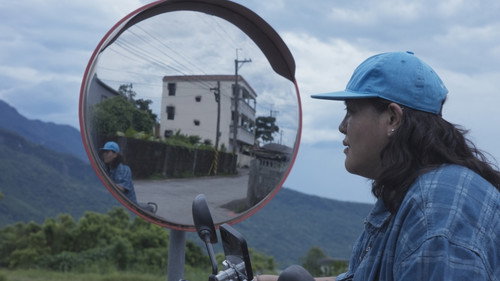
No description available for this movie.
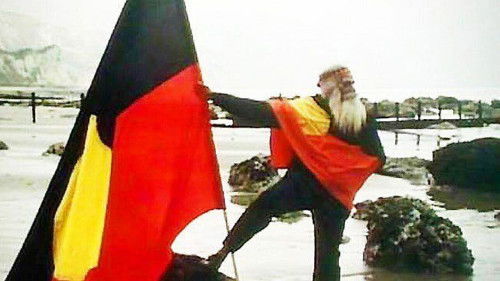
The film explores the archive to tell the story of how Burnam Burnam, in 1988, reclaimed the White Cliffs of Dover for the Wurundjeri people. Along with a promise not to repeat the violence suffered by him and his ancestors.
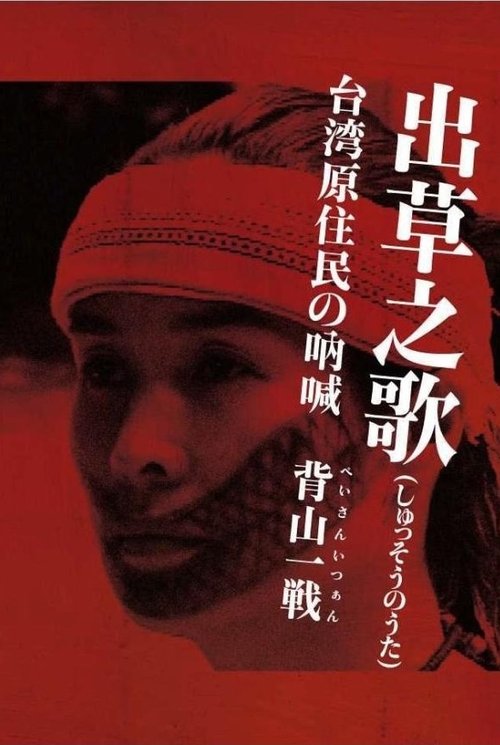
Kao Chin Su-mei, a former actress and now a legislator in the Taiwan Legislative Yuan (the legislative assembly), is from the Tayal tribe, one of the aboriginal peoples of Taiwan. Together with both the Taiwan Aborigine Workgroup, consisting of all the tribes including the Han people, and the aboriginal music group Feijuyuenbao Synectics, she finds the courage to fight for the return of their ancestors’ souls from Japan. Their appeal is unambiguous: “We cannot bear it that our ancestors’ souls are still in Japan. This is because we are not Japanese.”
This documentary shows the well-known Aboriginal poet Oodgeroo Noonuccal (Kath Walker) living on Stradbroke Island, Queensland, the place that was once the home of her native tribe. She welcomes visitors, particularly Aboriginal children, hoping to imbue them with pride in their own culture.
In 1973, for the first time, Aboriginal people from across Australia directly elected members to the National Aboriginal Consultative Committee (NACC), a body set up to represent their interests to the Federal government, via the newly created Department of Aboriginal Affairs.
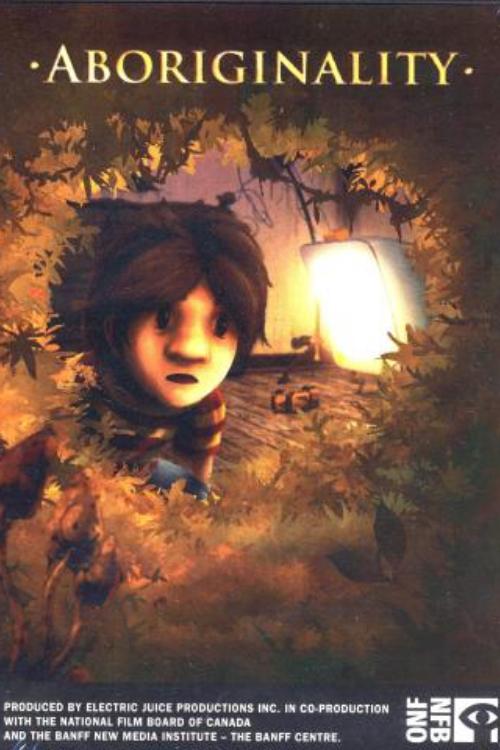
Follow Dallas Arcand, an urban youth, as he heads down the mystical Red Road to re-connect with new and traditional elements of First Nations culture. Dallas is a world champion hoop dancer and hip-hop artist aiming to connect urban Indigenous young people to their rural ancestral histories. He's a 7th generation Cree from Alexander (Kipohtakaw) First Nation.
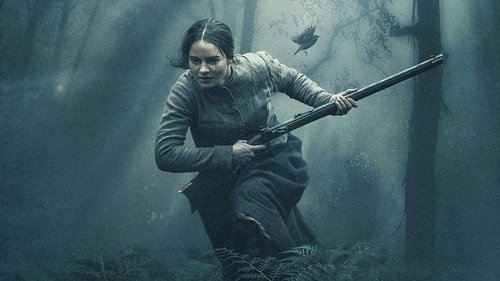
In 1825, Clare, a 21-year-old Irish convict, chases a British soldier through the rugged Tasmanian wilderness, bent on revenge for a terrible act of violence he committed against her family. She enlists the services of an Aboriginal tracker who is also marked by trauma from his own violence-filled past.
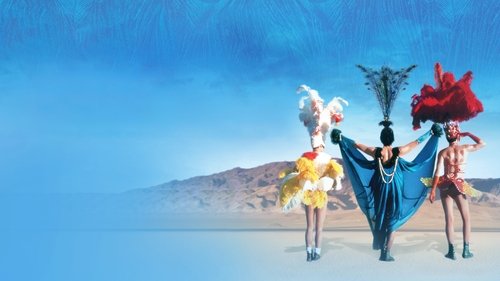
Two drag performers and a transgender woman travel across the desert to perform their unique style of cabaret.
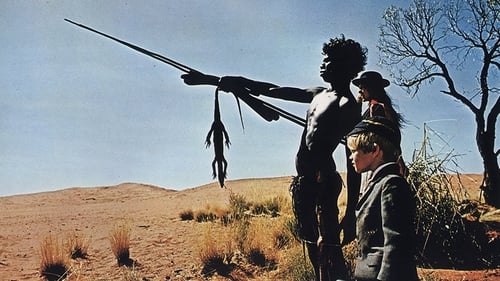
Under the pretense of having a picnic, a geologist takes his teenage daughter and 6-year-old son into the Australian outback and attempts to shoot them. When he fails, he turns the gun on himself, and the two city-bred children must contend with harsh wilderness alone. They are saved by a chance encounter with an Aboriginal boy who shows them how to survive, and in the process underscores the disharmony between nature and modern life.
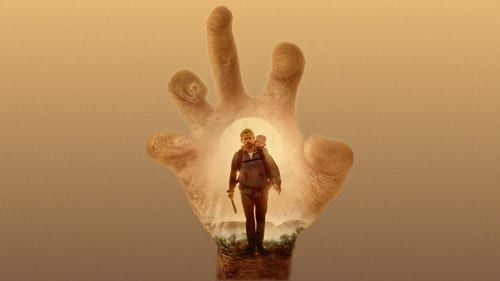
After being infected in the wake of a violent pandemic and with only 48 hours to live, a father struggles to find a new home for his baby daughter.
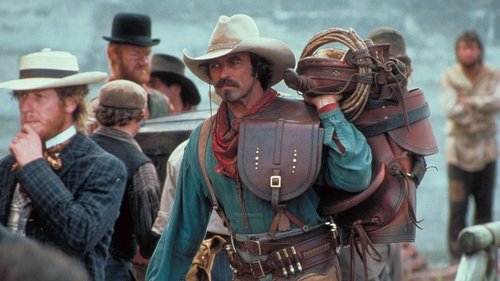
American Matt Quigley answers Australian land baron Elliott Marston's ad for a sharpshooter to kill the dingoes on his property. But when Quigley finds out that Marston's real target is the aborigines, Quigley hits the road. Now, even American expatriate Crazy Cora can't keep Quigley safe in his cat-and-mouse game with the homicidal Marston.
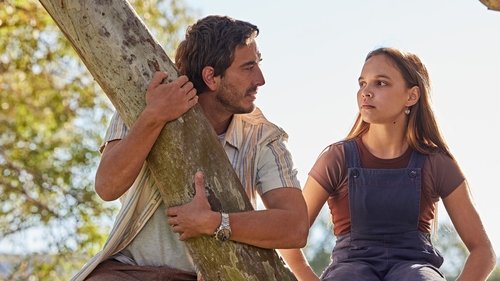
Ex TV personality, Chris Masterman, becomes stranded in an Outback town outside Alice Springs. There, he teams up with 12-year-old Indigenous girl Charlie. The pair form an unlikely friendship and work together to rescue and rehabilitate orphaned joeys in the remote but stunning Outback community—an endeavour that proves to be life-changing for them both.
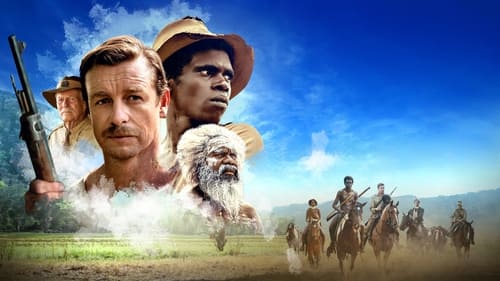
In a remote corner of the wild country, a bloody war rages. Travis is a bounty hunter with one last hope of redemption. Gutjuk is a young Indigenous man trying to save the last of his family. Together they embark on a manhunt, which unravels a secret that ultimately pits them against each other.
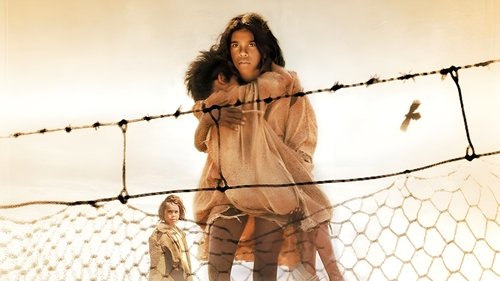
In 1931, three Aboriginal girls escape after being plucked from their homes to be trained as domestic staff, and set off on a trek across the Outback.
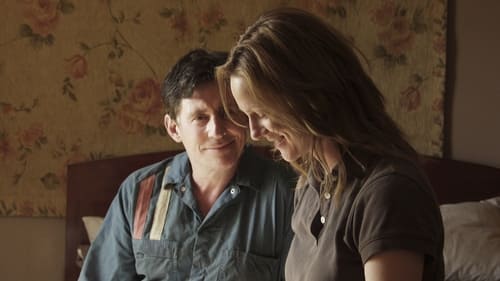
Outside the Australian town of Jindabyne, local man Stuart Kane is on a fishing trip with friends when they discover the body of a murdered girl.
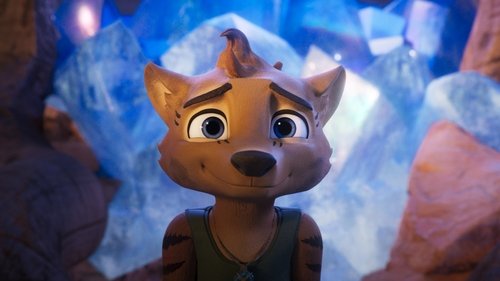
Adopted by a big, lively and spirited kangaroo family of traveling wrestlers, Teo’s life is pretty great. But when mysterious visions lead him to a faraway land, Teo is forced to rediscover his roots and embark on an epic journey to save his homeland from impending destruction.
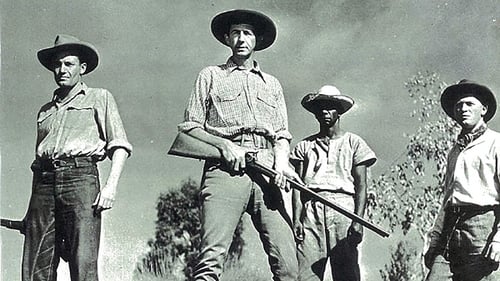
A family buy land set around a water hole in a remote location, that is occupied by native Australians. The two groups clash.
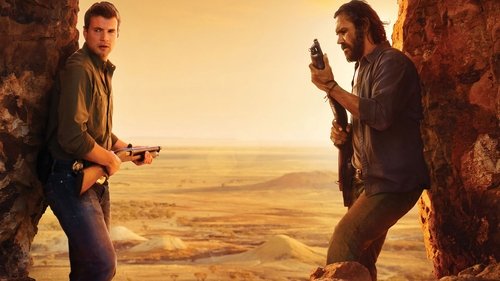
Indigenous Detective Jay Swan arrives in the frontier town of Goldstone on a missing persons inquiry. What seems like a simple investigation unearths an intricate web of crime, corruption, human trafficking, and coordinated exploitation of indigenous people’s land. Jay must bury his differences with young local cop Josh, so together they can bring justice to Goldstone.
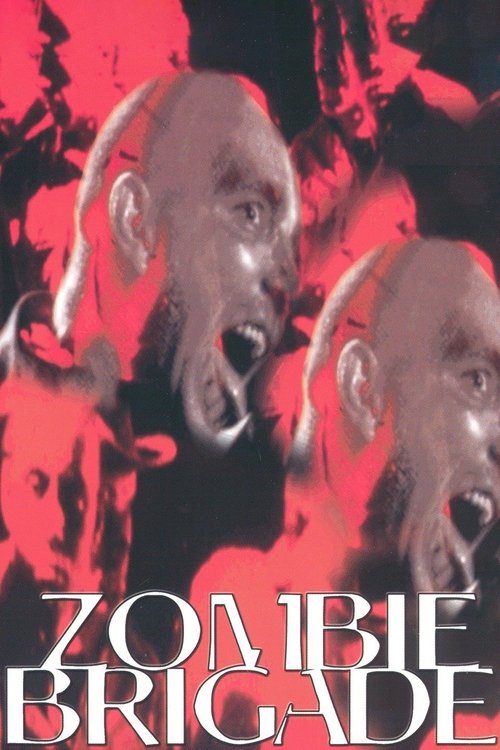
When an amusement park is built on the grounds of an old cemetery, the dead rise to take revenge.
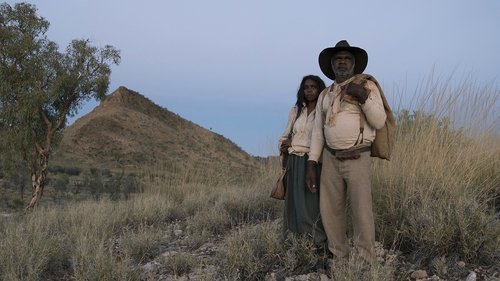
In 1929, an Australian Aboriginal stockman kills a white station owner in self-defense and goes on the lam, pursued by a posse.
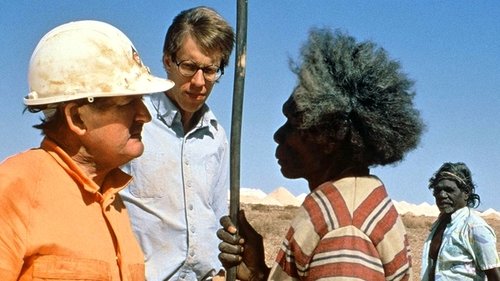
The Australian Aborigines (in this film anyway) believe that this is the place where the green ants go to dream, and that if their dreams are disturbed, it will bring down disaster on us all. The Aborigines' belief is not shared by a giant mining company, which wants to tear open the soil and search for uranium.

In 1978, Tom Lewis appeared in the Australian feature film, The Chant of Jimmie Blacksmith. The life of the character he played was hauntingly close to his own, a young, restless man of mixed heritage, struggling for a foothold on the edge of two cultures. Tom's mother is a traditional Indigenous woman of southern Arnhem Land, his father a Welsh stockman who he never really knew. Yellow Fella is a journey across the land and into Tom's past, as he attempts to find the resting place of his father and to finally confront the truth of his most inner feelings of love and identity.

It's 1968, and four young, talented Australian Aboriginal girls learn about love, friendship, and war when they entertain the US troops in Vietnam as singing group The Sapphires.
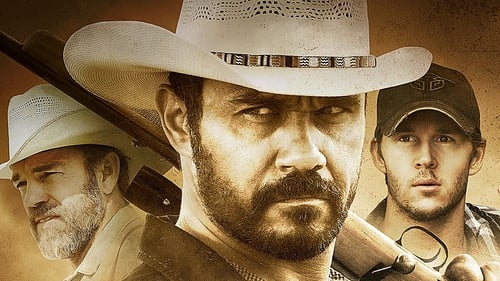
A murdered girl is found under a bridge on a remote road and indigenous detective Jay Swan gets the case. Jay finds that no-one is that interested in solving the murder of an indigenous teenager and he is forced to work alone.
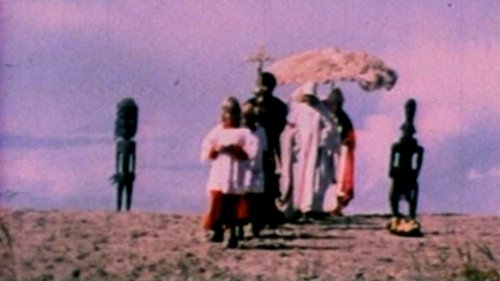
Concerns a young boy's mystical experiences during his Confirmation. As the ceremony unfolds, figures from religion and mythology appear and impress on him the need to become a soldier of Christ.

The story of 95-year-old Aboriginal elder Laurie Baymarrwangga and her work to maintain the language and cultural traditions of the Yan-nhangu people of Murrungga.