
Action
Adventure
Animation
Comedy
Crime
Documentary
Drama
Family
Fantasy
History
Horror
Music
Mystery
Romance
Science Fiction
Thriller
War
Western
Found 21 movies, 3 TV shows, and 0 people
Can't find what you're looking for?
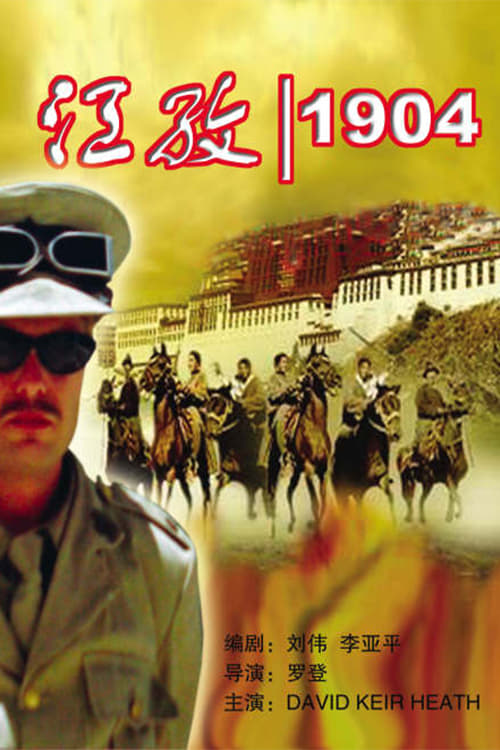
David Austin, a Scottish scholar of the Orient, befriends Awang Dunzhu on the bustling streets of Kathmandu, not knowing that the two will soon both become translators for opposing sides in the British invasion of Tibet.
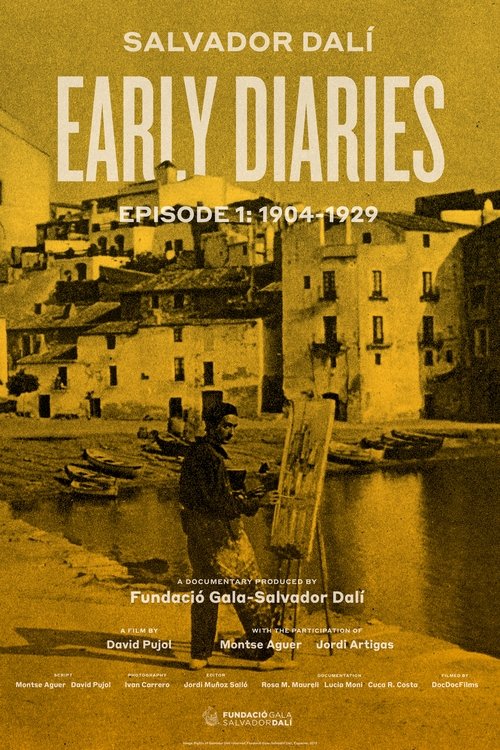
No description available for this movie.
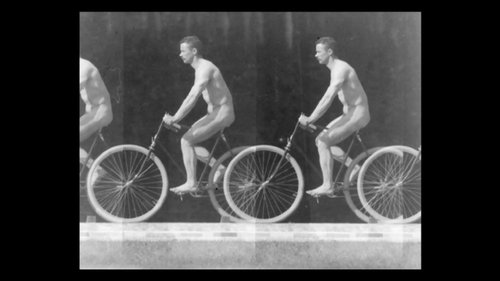
A film initiated by the Cinémathèque Française (France - 2007) The Cinémathèque Française digitized, restored and reanimated more than 400 fragile cellulose nitrate films of Etienne-Jules Marey’s work. These 400 incunables are presented for the first time in this film: a monument!

No description available for this movie.

Straschek's film points to the gap between workers and intellectuals and describes the "difficulties of the revolution" in a biting and witty way.
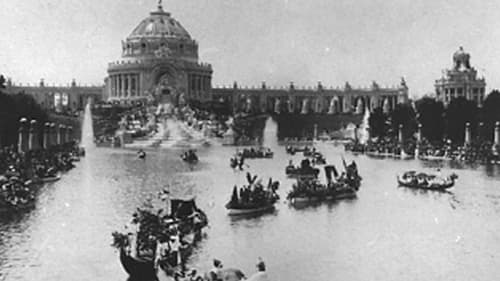
Uses first-person accounts from Missourians who went to the Fair in 1904, interviews with historians, archival motion pictures, and photographs to situate the St. Louis Fair in the social, political, and cultural context of American society in 1904. Covers American civilization at the turn of the century; the representation of history; authenticity; modernity; dress and body language; oral history and childhood memories; world fairs as experiences; and receiving information through visual symbols, words, and exhibits.

100 years of the biggest Portuguese sports institution, a century of glory in the world of sports.

A Béla Vajda Cartoon
First chapter of the series of 18 decades of life in Mexico in the twentieth century. The film narrates the entrance of Mexico into the new century, accompanied by technological advances, such as film and its impact and importance in political and social life.
People on street outside bunting draped building. VIP's out & photographers take pictures. Park & subway entrance. Old bobby helmets on police as VIP's into subway. Pan over waving people with trolley behind and carriage. Appears to be near city hall. Pan inside sideway. People walking out including well-dressed women. Subway past camera left to right. Ceremony. Subway opening.
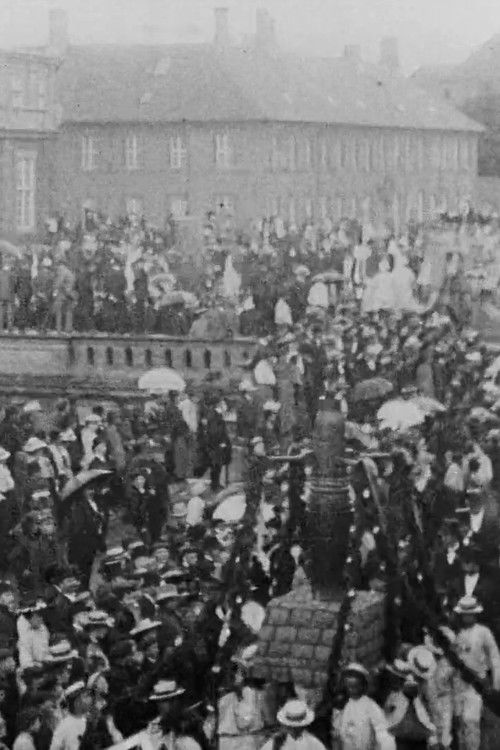
Trade Guilds' Parade at Christiansborg Ridebane in 1904.
An automobile race.
Baby Parade at Asbury Park, N.J., in 1904.
ravel back in time to the 1893 World’s Fair with its grandiose buildings and displays of “exotic” people from around the world. The fairs promoted America’s interest in overseas expansion and notions of Anglo-Saxon superiority. Savage Acts links the pageantry of fairs to the story of the Philippine War, America’s first attempt to claim an overseas colony and a turning point in U.S. foreign policy. Philippine diplomats and fighters as well as U.S. politicians and soldiers tell their experiences of the conflict and the opposition it sparked.
Welshman and revivalist Evan Roberts is the subject of this program that tells Roberts's life story and examines his role in the 1904 revival of Christianity in Wales. Told from Roberts's viewpoint, the program uses contemporary letters, interviews and photographs to relay the story of his life from the time of his conversion at age 13 to his gradual spiritual development and his role in the revival at his church, Moriah Lougher.
The wedding of Armand De Guiche and Élaine Greffulhe.
To film this event, the camera was placed inside the rail, on the track surface itself. As the film begins, in the foreground a gate opens and a horse ridden by a jockey is escorted across the track, followed by several men who appear to be fans of the race horse. Following the first horse are six in succession, and then there is a large group of men surrounding another horse that appears to be a favorite.
The Great Toronto Fire was a devastating blaze that destroyed 122 buildings and put 5,000 people out of work. The fire started in a clothing warehouse on Wellington Street and quickly spread, gutting thirteen acres of Toronto's prime commercial district. Special trains brought hundreds of firefighters from as far as Buffalo, New York. There was only one person injured -- the Toronto fire chief. Amazed firefighters and onlookers watched photographer George Scott and his assistant set up in the thick of the fire and film the burning buildings on Front Street. One of the first big Canadian film scoops, Scott's film was distributed throughout Canada and the United States.
No description available for this movie.
Opens with a woman posing on a pedestal, dressed in a white body leotard with a sash tied at her hips. Marshall continues with various feminine poses, reminiscent of classic Greek statuary, to accentuate her figure. Film cuts to Treloar posed on the bare stage without a pedestal. He wears brief leopard-skin trunks or short tunic, wrist bands, and Roman-looking laced sandals. His poses accentuate the muscular development of his upper body, particularly that of his arms, and include movements that make the muscles jump. Treloar finishes with a slight nod to the camera.
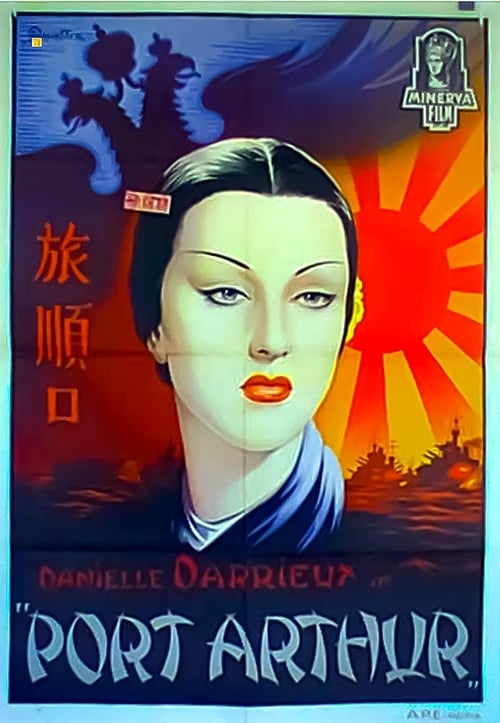
French-language version of Port Arthur (1936), a German language film (q.v.) co-produced by German, French and Czechoslovakian film interests. About espionage, action and romance in the Russo-Japanese War, as the conflict threatens Russian naval officer Boris Ranewsky and his Japanese wife Youki.