
Action
Adventure
Animation
Comedy
Crime
Documentary
Drama
Family
Fantasy
History
Horror
Music
Mystery
Romance
Science Fiction
Thriller
War
Western
Explore all movies appearances

The Bodiless Woman is an intervention film about the violence perpetuation and, above all, about the victim’s dignity and her deliverance.

Lisbon, Portugal, 2010. Pilar, a pious woman devoted to social causes, maintains a peculiar relationship with her neighbor Aurora, a temperamental old woman obsessed with gambling who lives tormented by a mysterious past.
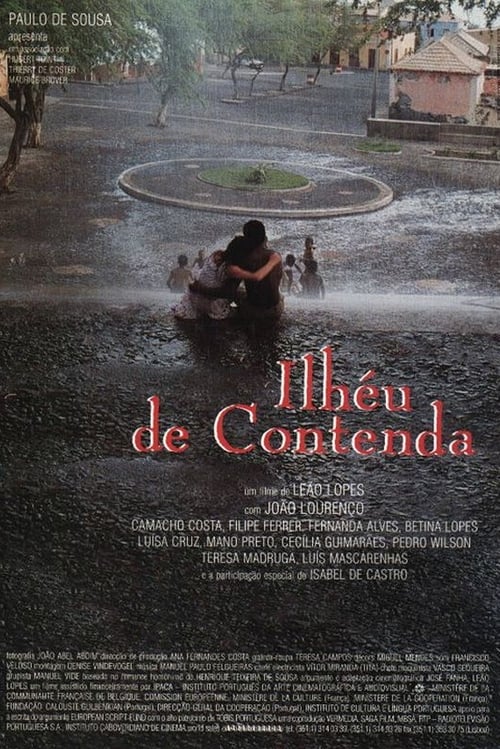
Cape Verde, 1964. At the feet of a mighty volcano, the traditional Cape Verdean society is undergoing a steady change. The old land-owning aristocracy is disintegrating. A class of "mulattos" begins to emerge, with a trade-based financial power that threatens the landlords. A new identity arises, a mix of old and new, of African and Portuguese culture, sensual and dynamic. The songs of Cesária Évora follow this inevitable transformation. From the novel by Henrique Teixeira de Sousa.

The film presents us with a reflection on the Spanish Civil War in the Portuguese society, At a time when Salazar ruled.

The young girl, Antónia Margarida Castelo Branco, is handed over by her mother to Brás Telles de Meneses because of the obscure interests between rural aristocratic families in the North. Brás is a ruined man, a bohemian with a reputation for violence and erratic behaviour. Antonia’s fortune is the first sacrifice made by the young wife. Fascinated by the man who humiliates and ill-treats her, she follows him in a pilgrimage to increasingly barren lands, to increasingly less hospitable houses.

A prophetic young woman Ana receives a foreboding vision about her father, dismisses it as superstition, and is devastated when it comes true. She learns that someone in the city foresaw the same fate, and against his wishes, she returns to confront him, only to become the subject of another terrifying prophecy he issues about her own future.

Set four years after the Portuguese revolution and the simultaneous loss of the Portuguese empire in Africa, the story concerns a director who sells guns to finance his play.

A nobleman from Alentejo, from a very conservative family, intends to reconquer Olivenza, returning the situation to the times of the Treaty of Tordesillas. To this end, he creates two movements, which prepare for the big day. However, these plans do not work, as the daughter of the Mayor of Olivenza falls in love with the son of the Baron of Altamira, and the war will be different...
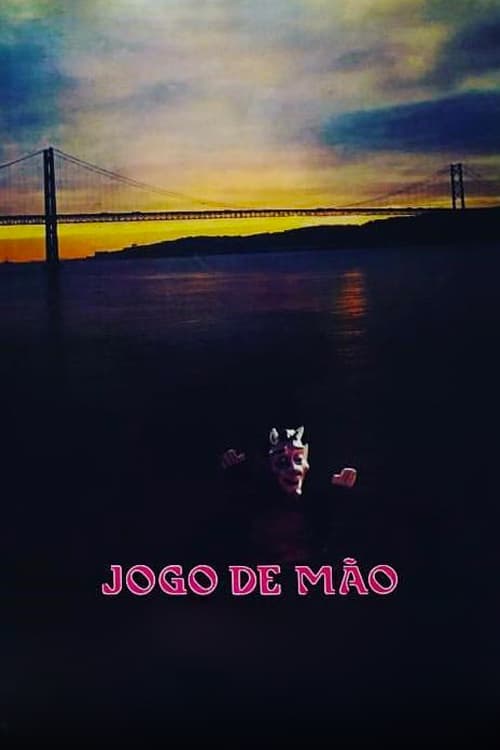
In a unique approach to what amounts to four pseudo-morality plays, director Monique Rutler has a street entertainer with hand puppets summarize the characters and idea of each story. The first sketch is about a young man who shines shoes for a living, and tries to keep up a relationship with two women while convincing each she is his only true love. The next story is about a man who beats up his wife when he is drunk, and sells furs for a living. One day, as she is riding in the back of his truck with the furs, he hits a bad patch and she and some furs fall out. The question is, will the woman be enterprising and leave the jerk - or not? The third tale concerns a woman looking into how much control a prostitute has over her clients, and to really find out, she becomes a prostitute herself for awhile - leading to some quite unexpected situations. The last segment handles the uglier side of the life styles of the rich and famous.

Hipólito is a self-made man, who went up in life in devious ways, and used for profit the social turmoil when Portugal changed from a monarchy into a republic, and then to a military regime. Finally, he is forced into exile. Back in 1935 to family, friends, and lovers, he is in a mix-mesh of lies, and scheming, again.
Subscribe for exclusive insights on movies, TV shows, and games! Get top picks, fascinating facts, in-depth analysis, and more delivered straight to your inbox.