
Action
Adventure
Animation
Comedy
Crime
Documentary
Drama
Family
Fantasy
History
Horror
Music
Mystery
Romance
Science Fiction
Thriller
War
Western
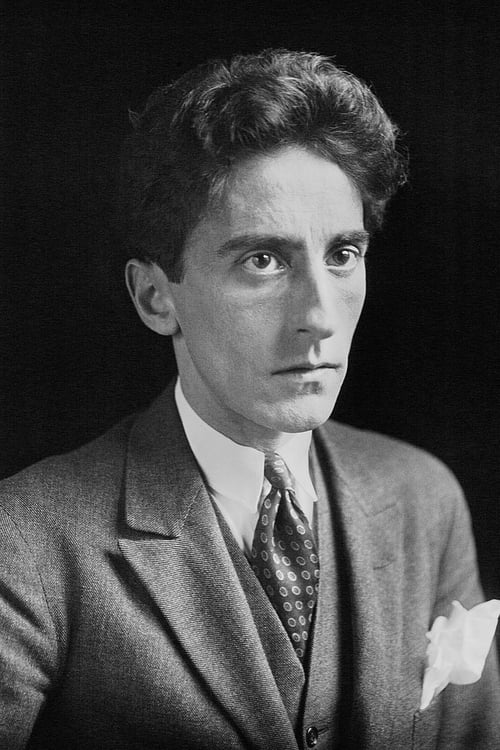
Jean Maurice Eugène Clément Cocteau (French pronunciation: [ʒɑ̃ kɔkto]; 5 July 1889 – 11 October 1963) was a French poet, novelist, dramatist, designer, boxing manager, playwright, artist and filmmaker. Along with other avant-garde artists of his generation (Jean Anouilh and René Char for example) Cocteau grappled with the algebra of verbal codes old and new, mise en scène language and technologie...
Not available
Enjoying the content? Support us!
Enjoying the content? Support us!
Explore all movies appearances
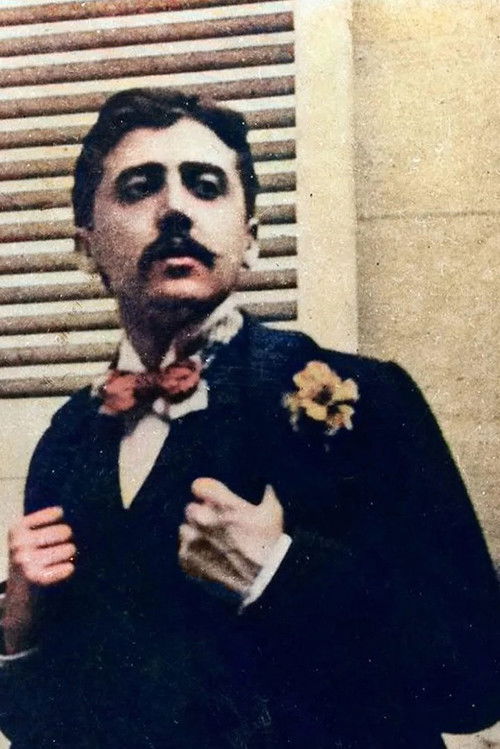
"Proust Palimpsesto: Pastiches e Misturas" (2026) is a Brazilian film essay directed by Carlos Adriano. The film, which explores the impossibility of filming Marcel Proust's "In Search of Time That Flew", is presented as a collage of archival images and theories.

"Fly too high and you will burn, go too low and you won't breathe." A 7 day vlog during the summer of 2023, a story of dreamers and drowners.
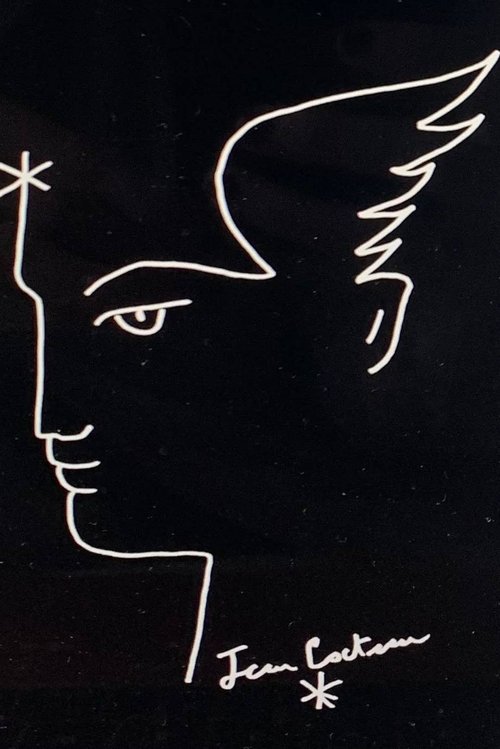
We film buffs grew up worshiping Jean Cocteau—particularly his BEAUTY AND THE BEAST, ORPHEUS and BLOOD OF A POET—but in recent years he has perhaps ebbed from our consciousness.
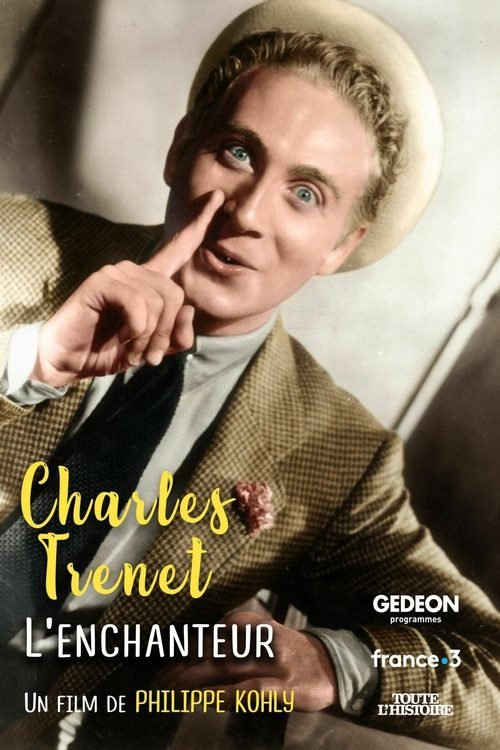
Portrait of Charles Trenet. Twenty years after his death, this documentary offers a new look at the artist. When, in 1956, the singer appeared on television, he was 43 years old. And it is a man of 60 or even 70 years old that today's audience has known. The first Charles Trenet, the one who transported France when he was 25 or 30 years old, remains largely unknown. Yet it was this kid of genius who, at the age of 25, invented French chanson. But the archives that are scattered throughout this portrait also show that he invented a certain idea of joy. For joy in Trenet was a sport, a daily gymnastics.
We thought we'd seen, read, and heard everything there was to see about the Cannes Film Festival, from the glitz and gossip to the scandals and censorship. And yet, Emmanuel Barnault's "Morceaux de Cannes" (Pieces of Cannes), by this leading expert on Italian and French cinema, convinces us otherwise. The third largest event in the world (after the Olympic Games and the FIFA World Cup) reveals its secrets only sparingly, as this film attests. The result of passionate research in the INA archives, these 52 minutes, without interviews or voice-over narration, string together rare and sometimes previously unseen footage. Taken together, they tell a surprising, original, and heartwarming story of the Festival. On the beach, on a street corner, in a restaurant, or in the privacy of a hotel room, these forgotten archives summon the greatest filmmakers, actors, and actresses of the last seventy years, from Jean Cocteau to David Lynch, for an anthology of the Festival's history.
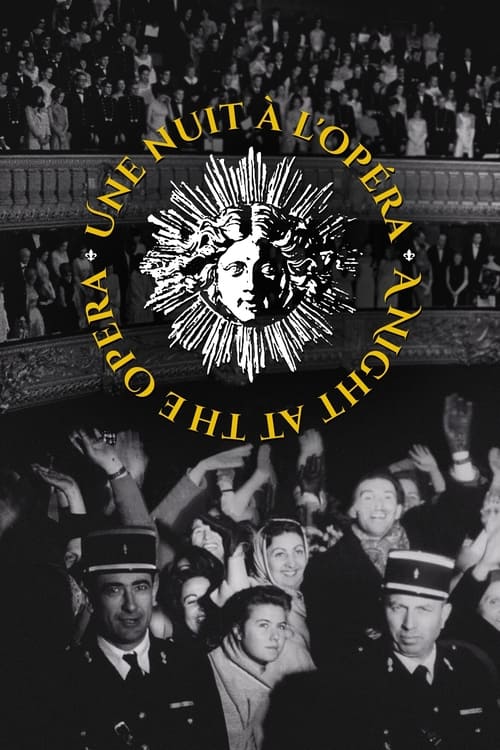
A documentary view of the galas of Paris’s Palais Garnier in the 1950s and ’60s.
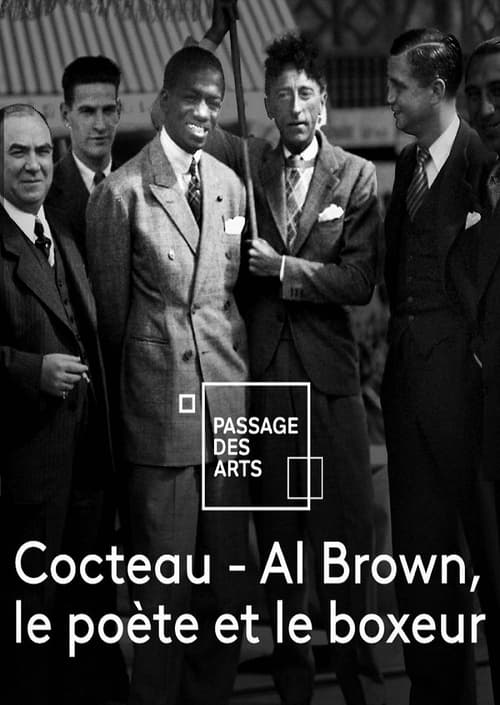
Portrait of Panama Al Brown, a great boxer in the 30's, and its story with France, with a focus on its relationship with Jean Cocteau, surrealist, poet, director, artist.
In Le Livre d’Image, Jean-Luc Godard recycles existing images (films, documentaries, paintings, television archives, etc.), quotes excerpts from books, uses fragments of music. The driving force is poetic rhyme, the association or opposition of ideas, the aesthetic spark through editing, the keystone. The author performs the work of a sculptor. The hand, for this, is essential. He praises it at the start. “There are the five fingers. The five senses. The five parts of the world (…). The true condition of man is to think with his hands. Jean-Luc Godard composes a dazzling syncopation of sequences, the surge of which evokes the violence of the flows of our contemporary screens, taken to a level of incandescence rarely achieved. Crowned at Cannes, the last Godard is a shock film, with twilight beauty.
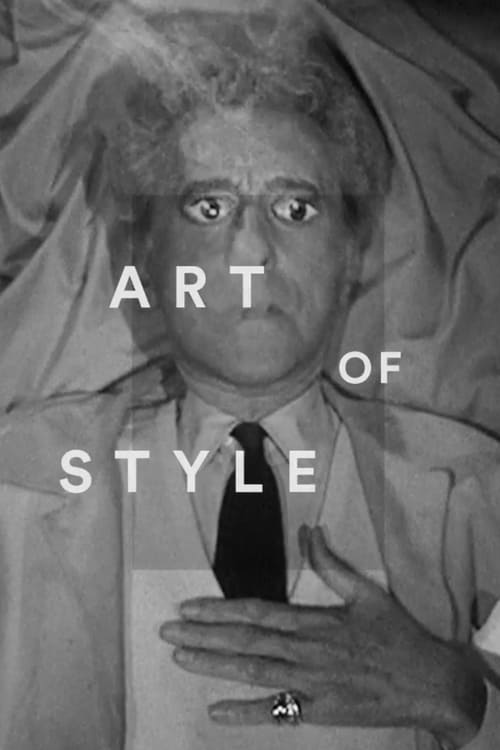
French artist Jean Cocteau's multifaceted work across poetry, plays, paintings and film made him one of the leading creative figures of the Parisian avant-garde movement. Featuring Cocteau's own writings read by actor Timothée Chalamet, explore the dream-like quality of Cocteau's one of a kind oeuvre.
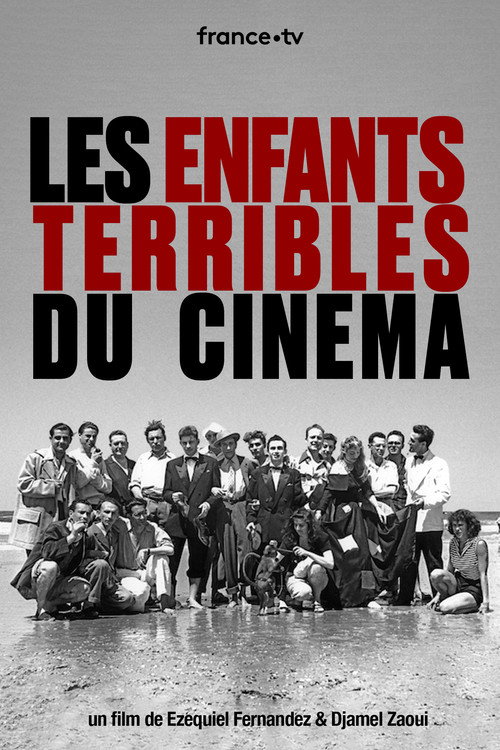
The documentary "Les Enfants terribles du cinéma" (The Terrible Children of Cinema) tells the little-known story of one of the crossroads of cinephilia, *OBJECTIF 49*, which culminated in the organization of the Biarritz Festival of Cursed Films during the summer of 1949. This festival was initiated by Jean Cocteau, then at the height of his cinematic career. In Biarritz, films deemed "cursed" were screened because they had not yet found an audience or had been banned by censors. This selection offered a radically different vision of cinema from that of other festivals, such as Cannes. An entire generation of active filmmakers was celebrated: René Clément, Robert Bresson, Jacques Doniol-Valcroze, Eric Rohmer...
Subscribe for exclusive insights on movies, TV shows, and games! Get top picks, fascinating facts, in-depth analysis, and more delivered straight to your inbox.