
Action
Adventure
Animation
Comedy
Crime
Documentary
Drama
Family
Fantasy
History
Horror
Music
Mystery
Romance
Science Fiction
Thriller
War
Western
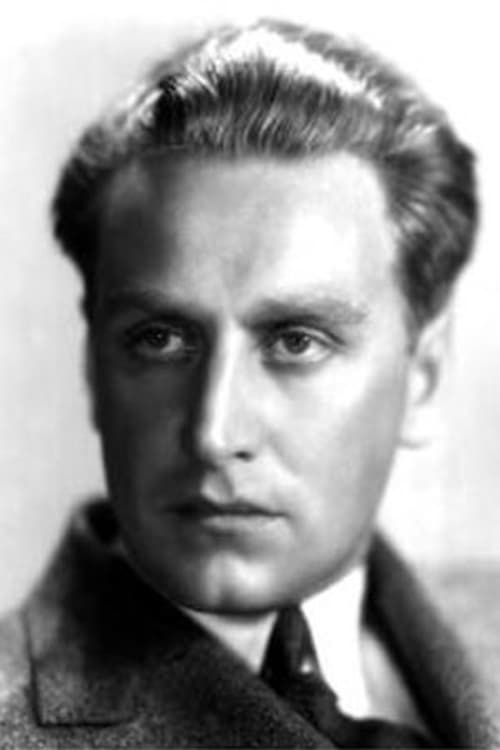
Grigori Vasilyevich Aleksandrov or Alexandrov (original family name was Mormonenko; 23 January 1903 - 16 December 1983) was a prominent Soviet film director who was named a People's Artist of the USSR in 1947 and a Hero of Socialist Labor in 1973. He was awarded the Stalin Prizes for 1941 and 1950. Initially associated with Sergei Eisenstein, with whom he worked as a co-director, screenwriter and...
Explore all movies appearances
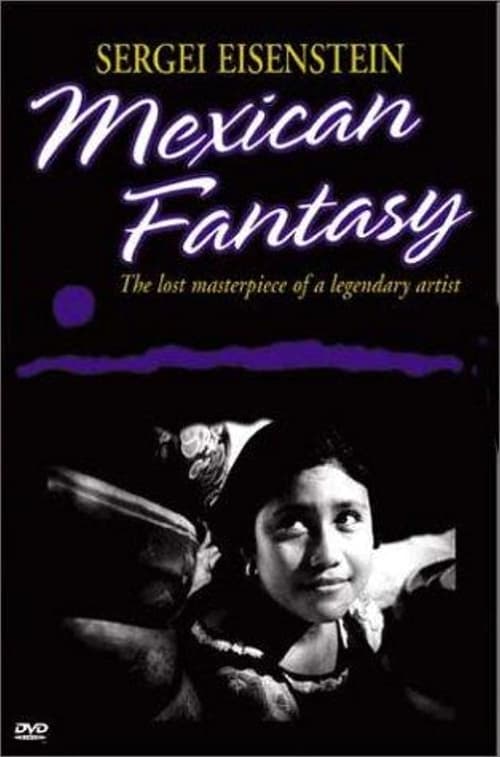
Eisenstein shot 50 hours of footage on location in Mexico in 1931 and 32 for what would have become ¡Que viva México!, but was not able to finish the film. Following two wildly different reconstruction attempts in 1939 (Marie Seton's 'Time in the Sun') and 1979 (Grigori Alexandrov's '¡Que viva México!') Kovalov has here compiled another hypothetical version of what Eisenstein's film might have been.

Eisenstein shows us Mexico in this movie, its history and its culture. He believes, that Mexico can become a modern state.
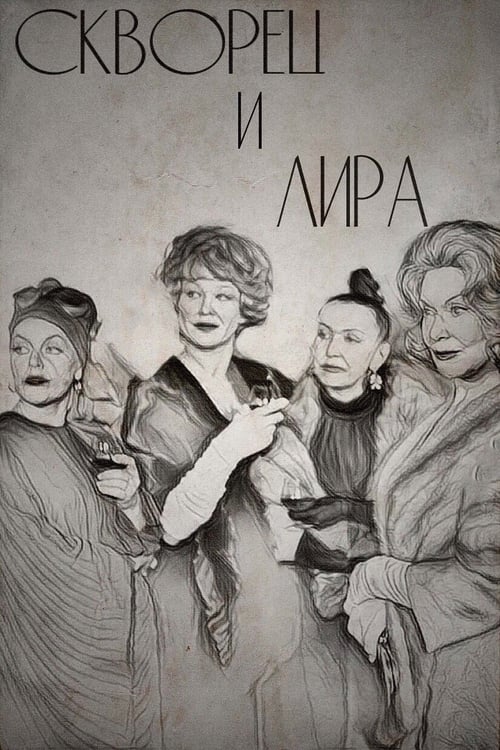
Soviet intelligence spouses — Lyudmila ("Lyre") and Fyodor ("Starling") Grekov at the beginning of the Great Patriotic War are tasked with settling in Germany. Personnel intelligence officers with vast experience are successfully introduced into German society and begin to work actively. At the end of the war, during the bombing of Berlin, fate separates them, but then they will meet in the new Germany and continue their work.

A test film for black-and-white television, made by Mosfilm in 1967. A girl dreaming to be in movies got a call from Mosfilm, asking her to be filmed. She enters the dreamy bubble that is called filmmaking. The film was commissioned by the Research Film and Photo Institute. It features famous actors and directors, including Georgy Vitsin, Georgy Georgiu, Pavel Vinnik, Grigory Alexandrov and others. Some of them play themselves.
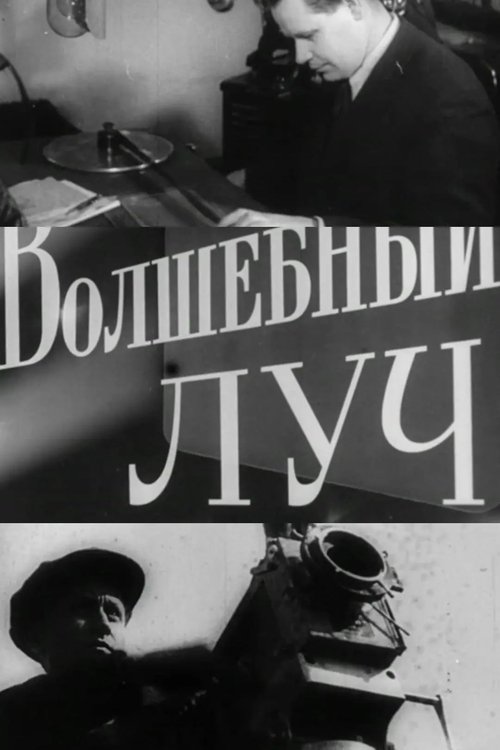
“The Magic Beam” is a film essay woven together from newsreels and documentary material from different decades, fragments of hundreds of non-fiction and fiction Soviet films of the 1910s-1960s.
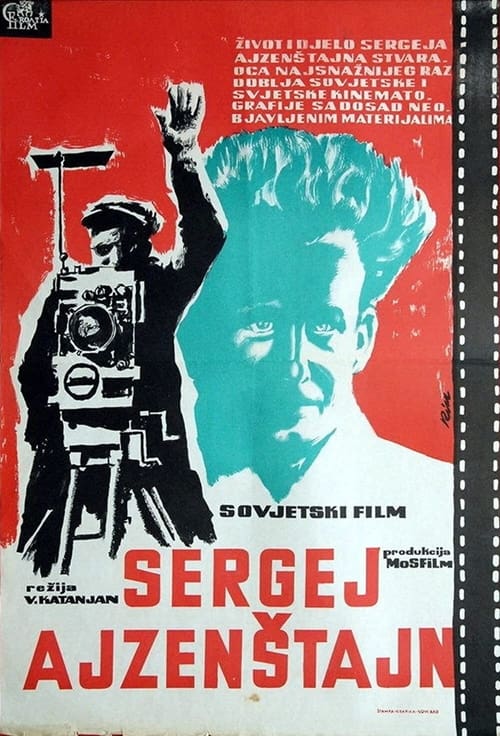
Documentary made for the 60th anniversary of Soviet director Sergei Eisenstein.

Archive footage from Potemkin (1925), with English dialogue dubbed in by American actors, is combined with new footage to tie together the brave stand of Odessa Russian guerrilla bands of the 1940's against German forces with the similar situation of 1905 when Odessa citizens aided in the revolt against the Czar as depicted in Eisenstein's classic Potemkin (1925).
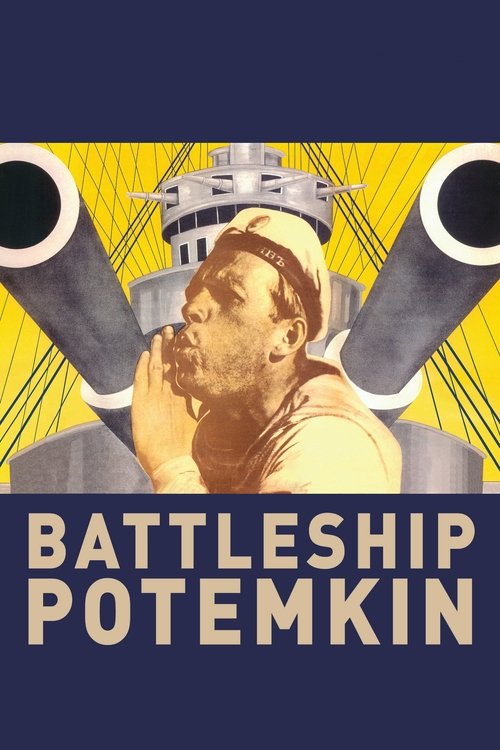
A dramatized account of a great Russian naval mutiny and a resultant public demonstration, showing support, which brought on a police massacre.

Workers in a factory in pre-revolutionary Russia go on strike and are met by violent suppression.
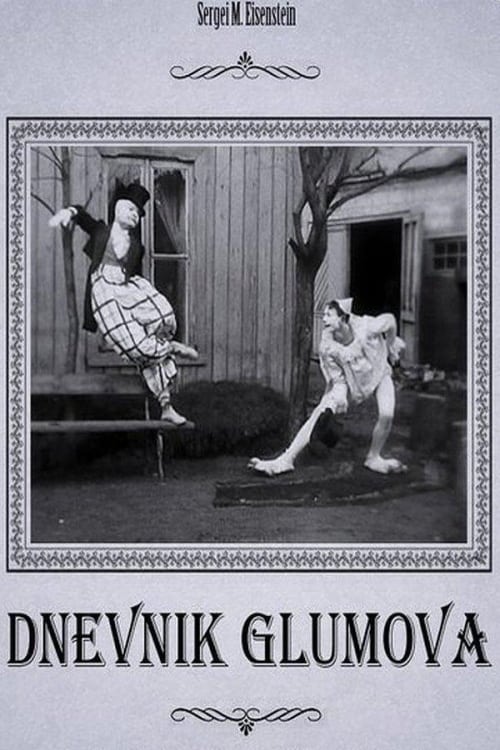
Filmic insert to Eisenstein's modernized, free adaptation of Ostrovskiy's 19th-century Russian stage play, "The Wise Man" ("Na vsyakogo mudretsa dovolno prostoty"). The anti-hero Glumov tries to escape exposure in the midst of acrobatics, derring-do, and farcical clowning. Several members of Eisenstein's troupe at the legendary "Proletkult" stage theatre in Moscow briefly appear in this little film.
Subscribe for exclusive insights on movies, TV shows, and games! Get top picks, fascinating facts, in-depth analysis, and more delivered straight to your inbox.