
Action
Adventure
Animation
Comedy
Crime
Documentary
Drama
Family
Fantasy
History
Horror
Music
Mystery
Romance
Science Fiction
Thriller
War
Western
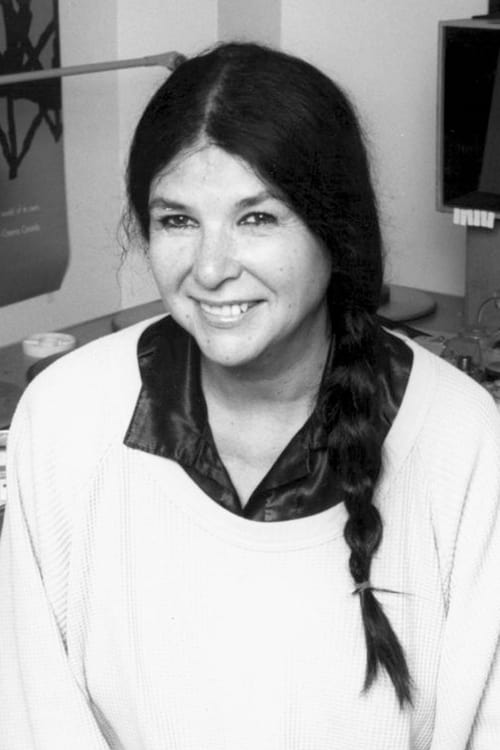
Alanis Obomsawin, OC (born August 31, 1932) is a Canadian filmmaker of Abenaki descent. Born in New Hampshire, and raised primarily in Quebec, she has produced and directed many National Film Board of Canada documentaries on First Nations culture and history. Description above from the Wikipedia article Alanis Obomsawin, licensed under CC-BY-SA, full list of contributors on Wikipedia.
Explore all movies appearances

Karine Vanasse goes behind the scenes of our cinema and showcases the talent of our artists and artisans. The objective? Make as many people as possible want to see local films all year round!
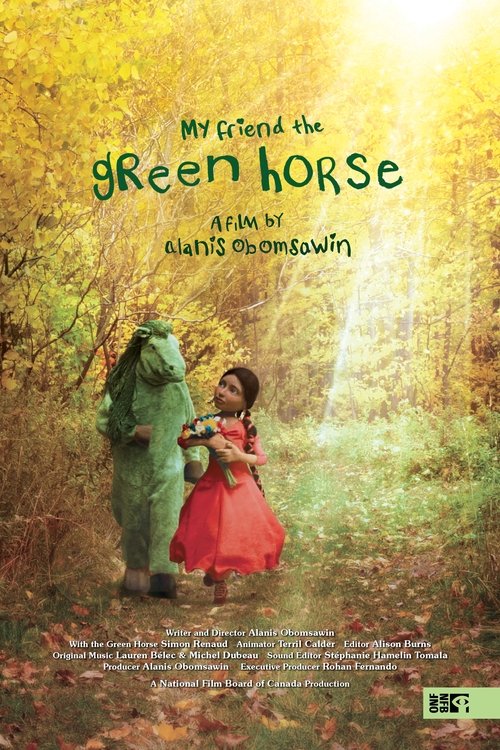
Often feeling alone in her waking life, the young Alanis Obomsawin found friendship with the Green Horse, a benevolent being she visited regularly in her dreams. Together with other animal spirits, the Green Horse guided Alanis to realize the immensity of the gift of life and the power of kindness.

Cree matriarch Aline Spears survives a childhood in Canada’s residential school system to continue her family’s generational fight in the face of systemic starvation, racism, and sexual abuse. She uses her uncanny ability to understand and translate codes into working for a special division of the Canadian Air Force as a Cree code talker in World War II. The story unfolds over 100 years with a cumulative force that propels us into the future.
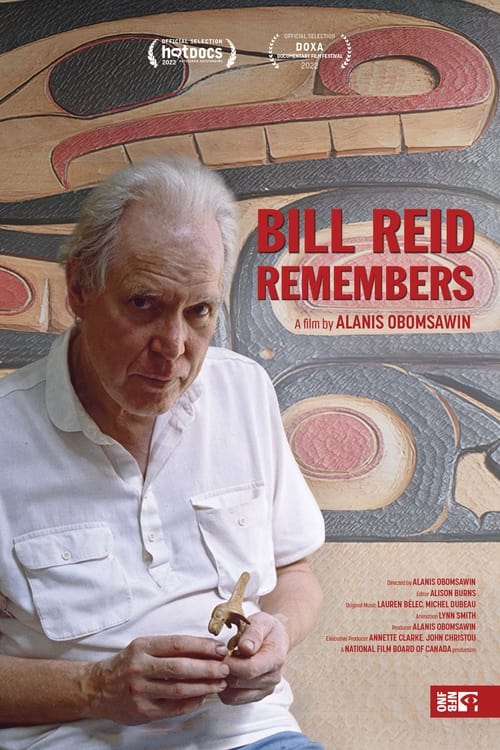
Renowned Haida artist Bill Reid shares his thoughts on artistry, activism and his deep affection for his homeland in this heartwarming tribute from Alanis Obomsawin to her friend's life, legacy and roots.

No plot available for this movie.
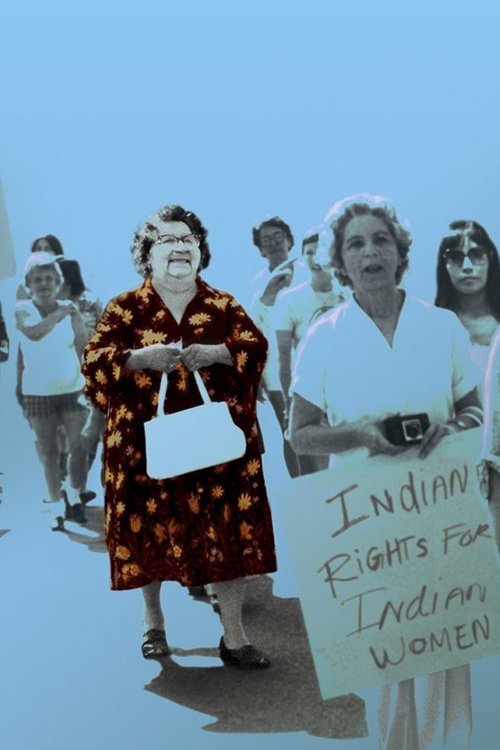
After marrying a settler, Mary Two-Axe Earley lost her legal status as a First Nations woman. Dedicating her life to activism, she campaigned to have First Nations women's rights restored and coordinated a movement that continues to this day. Kahnawake filmmaker Courtney Montour honours this inspiring leader while drawing attention to contemporary injustices that remain in this era of truth and reconciliation.
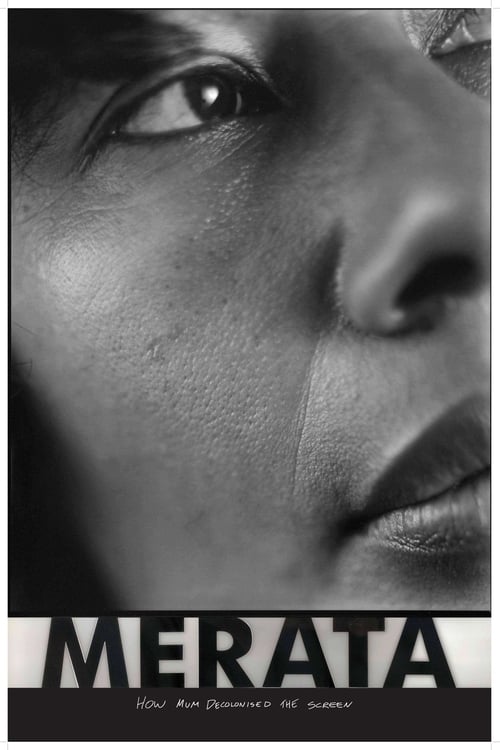
This film is an intimate portrayal of pioneering filmmaker Merata Mita told through the eyes of her children. Using hours of archive footage, some never before seen, her youngest child and director Hepi Mita discovers the filmmaker he never knew and shares the mother he lost, with the world.
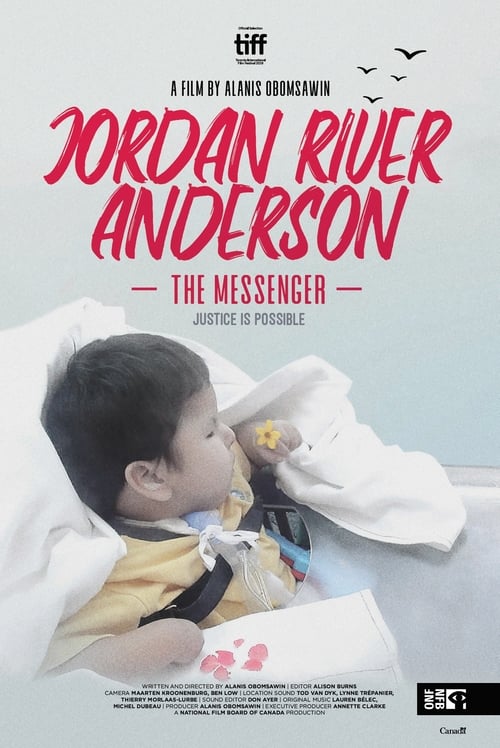
The story of a young boy forced to spend all five years of his short life in hospital while the federal and provincial governments argued over which was responsible for his care, as well as the long struggle of Indigenous activists to force the Canadian government to enforce “Jordan’s Principle” — the promise that no First Nations children would experience inequitable access to government-funded services again.
Quebec, on the cusp of the 1960s. The province is on the brink of momentous change. Deftly selecting clips from nearly 200 films from the National Film Board of Canada archives, director Luc Bourdon reinterprets the historical record, offering us a new and distinctive perspective on the Quiet Revolution.
The Nishiyuu walkers made the trek from Whapmagoostui in Quebec to Ottawa, a 1,600-kilometre journey whose roots date back millennia. At the heart of legendary director Alanis Obomsawin’s latest short documentary, her 51st film in 50 years of filmmaking, is the idea of walking as activism, as well as a symbol of decolonization and an embrace of the traditional.
Subscribe for exclusive insights on movies, TV shows, and games! Get top picks, fascinating facts, in-depth analysis, and more delivered straight to your inbox.