
Action
Adventure
Animation
Comedy
Crime
Documentary
Drama
Family
Fantasy
History
Horror
Music
Mystery
Romance
Science Fiction
Thriller
War
Western
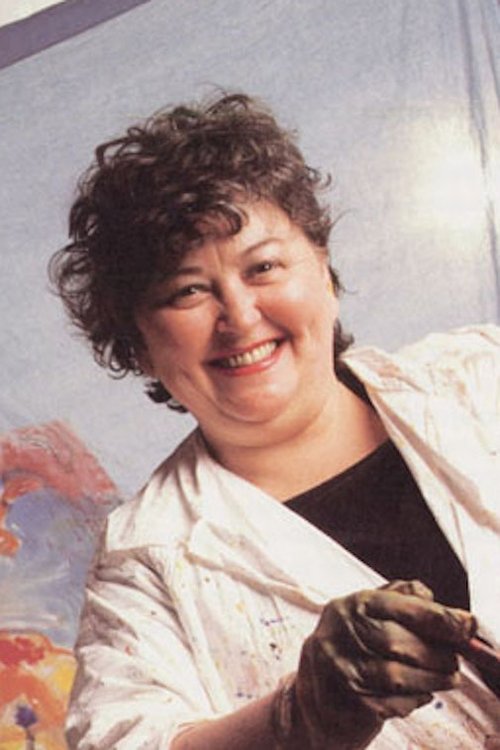
Joyce Wieland (1931-1998) was an experimental filmmaker and artist, whose work challenged and bridged boundaries among avant garde film factions of her time. Her works introduced a kind of manual manipulation of the filmstrip that inscribed an explicitly female craft tradition into her films, while also playing with the facticity of photographed images. Wieland's output was small, but received con...
Explore all movies appearances
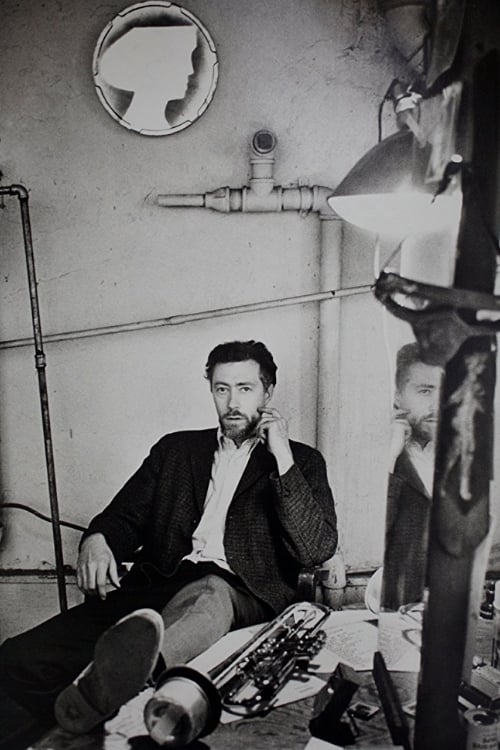
A serendipitous encounter with a younger artist gives legendary Canadian art icon Michael Snow the opportunity to reflect on his life and career.
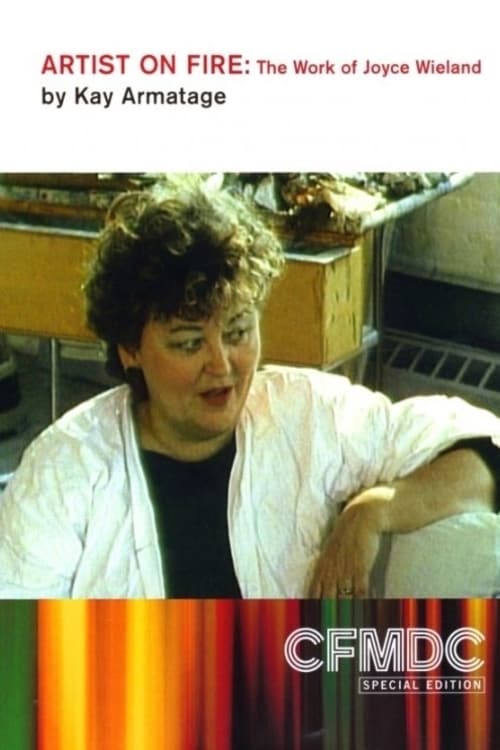
Considered one of Canada's most important women artists of the second half of the 20th century, Joyce Wieland's art embodies the essence of her homeland, feminism, and ecology. Artist on Fire: Joyce Wieland captures the vibrant spirit of this painter, collagist, quilt maker, and filmmaker. In the early '70s, Wieland was involved in filmmaking, producing movies with a political message. In her 30-year career, she worked in a variety of mediums, including cloth, pastels, colored pencil, oils, bronze, and watercolor. Her works and her influence are examined in this detailed video portrait.
Home movies shot on Super 8mm by W+B Hein over 10 years.
Joyce Wieland: “Hollis and I came back to Toronto on holiday in the summer of '67. We were staying at a friend's house. We worked our way through the city and eventually made it to the island. We followed each other around. We enjoyed ourselves. We said we were going to make a film about each other - and we did”. A & B in Ontario was completed eighteen years after the original material was shot. After Frampton's death, the film was assembled by Wieland into a cinematic dialogue in which the collaborators shoot each other with cameras.
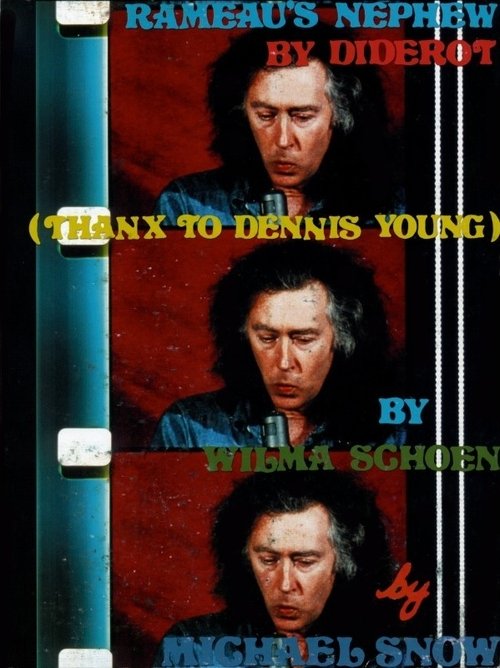
Various unrelated vignettes, often juxtaposing sound and image.
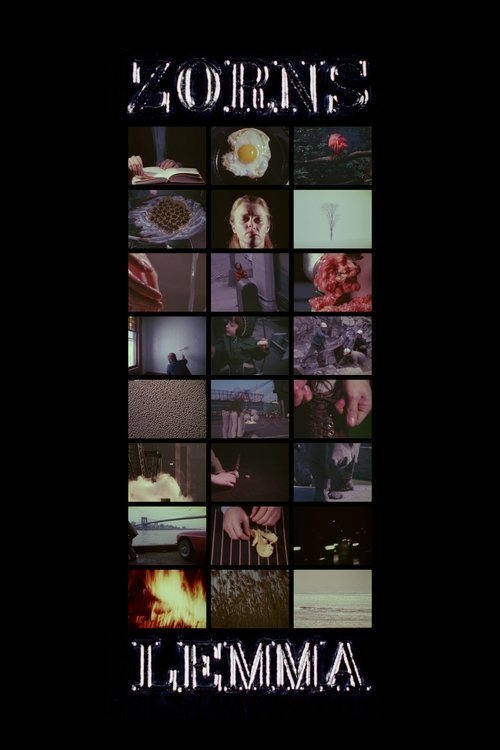
Zorns Lemma is a 1970 American structuralist film by Hollis Frampton. It is named after Zorn's lemma (also known as the Kuratowski–Zorn lemma), a proposition of set theory formulated by mathematician Max Zorn in 1935. Zorns Lemma is prefaced with a reading from an early grammar textbook. The remainder of the film, largely silent, shows the viewer an evolving 24-part "alphabet" (where i & j and u & v are interchanged) which is cycled through, replaced and expanded upon. The film's conclusion shows a man, woman and dog walking through snow as several voices read passages from On Light, or the Ingression of Forms by Robert Grosseteste.

An unreleased diary film shot during the Fairleigh-Dickinson Artist Seminar simultaneous to the production of Back and Forth by Michael Snow.

A camera moves back and forth at an increasing pace. Back and forth, back and forth...
Ken Jacobs’s most elusive and mysterious film is at once an allegory of movie-making, a demonstration of 8mm versatility, and a celebration of a now vanished neighborhood beneath the Brooklyn Bridge.
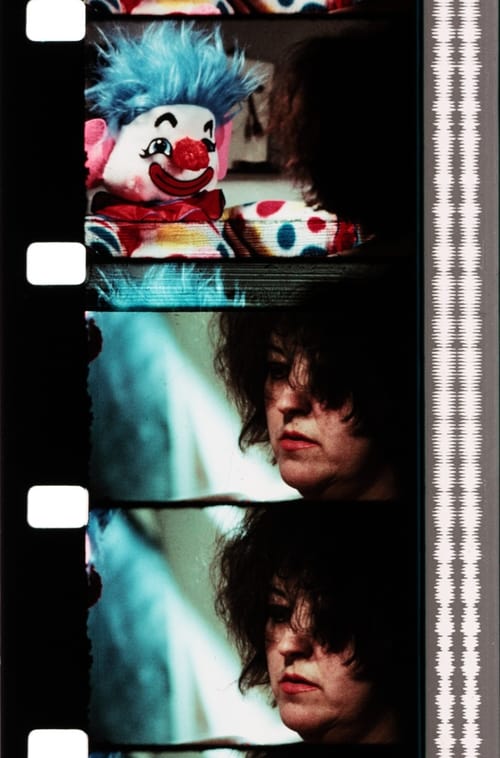
The rising moon is the main theme in this short movie of three people and an animal going about their nocturnal rituals. This movie is evidently part three of my trilogy that started with HOLD ME WHILE I'M NAKED and ECLIPSE OF THE SUN VIRGIN. It evidently is, since part three never really came out. This seems to look like it could be part three. — GK (anthologyfilmarchives.org)
Subscribe for exclusive insights on movies, TV shows, and games! Get top picks, fascinating facts, in-depth analysis, and more delivered straight to your inbox.