
Action
Adventure
Animation
Comedy
Crime
Documentary
Drama
Family
Fantasy
History
Horror
Music
Mystery
Romance
Science Fiction
Thriller
War
Western

Mohamed Zinet (Arabic: محمد زينت) is an Algerian actor and director, born January 16, 1932 in the Casbah of Algiers in Algeria, and died April 10, 1995 in Bondy in France. Born in 1932 in Algiers, Mohamed Zinet developed a passion for theater at a very young age. He led an amateur troupe called El-Manar El-Djazairi (The Algerian Flambeau) and in 1947, in Paris, he presented an adaptation of Bourg...
Enjoying the content? Support us!
Explore all movies appearances
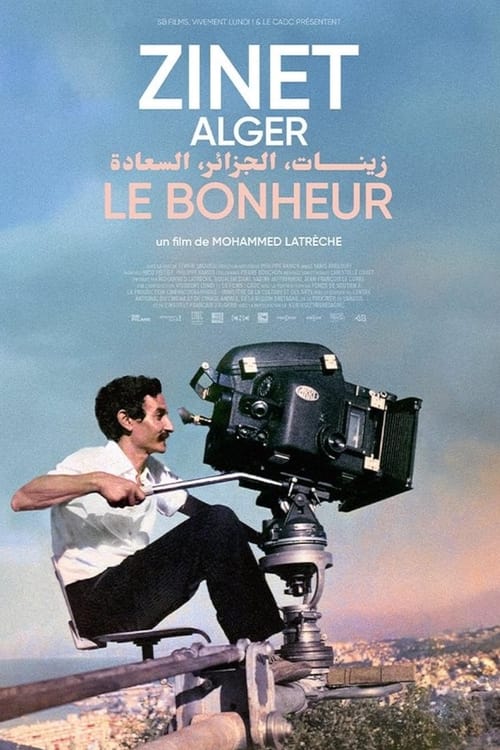
Who remembers Mohamed Zinet? In the eyes of French spectators who reserve his face and his frail silhouette, he is simply the “Arab actor” of French films of the 1970s, from Yves Boisset to Claude Lelouch. In Algeria, he's a completely different character... A child of the Casbah, he is the brilliant author of a film shot in the streets of Algiers in 1970, Tahya Ya Didou. Through this unique work, Zinet invents a new cinema, tells another story, shows the Algerians like never before. In the footsteps of his elder, in the alleys of the Casbah or on the port of Algiers, Mohammed Latrèche will retrace the story of Tahya Ya Didou and its director.

In 1958 in Paris, during the Algerian War, a young trainee lawyer, Maître Chabrier, was assigned to defend an Algerian garbage collector against paratroopers who had beaten him. Stay out of Algerian affairs, his peers advise him because the trial is taking a political turn. Chabrier acquired the reputation of the Fellaghas' lawyer.
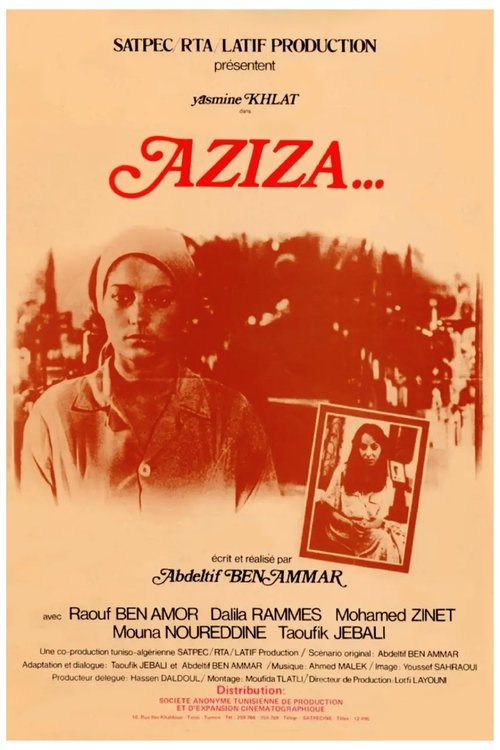
Around 1980, in Tunisia, Si Béchir, an old craftsman, sold his house and left the medina of Tunis with his family to settle in a new city on the outskirts of the capital. With his son Ali and his niece Aziza, the old man discovers a new way of life in a Tunisia in full change. Aziza becomes friends with Aïcha, a young actress, while Ali continues to fail in his little businesses. The arrival of a sheikh from the Persian Gulf will fuel all the desires in the city, including those of Ali. But the dream is short-lived.
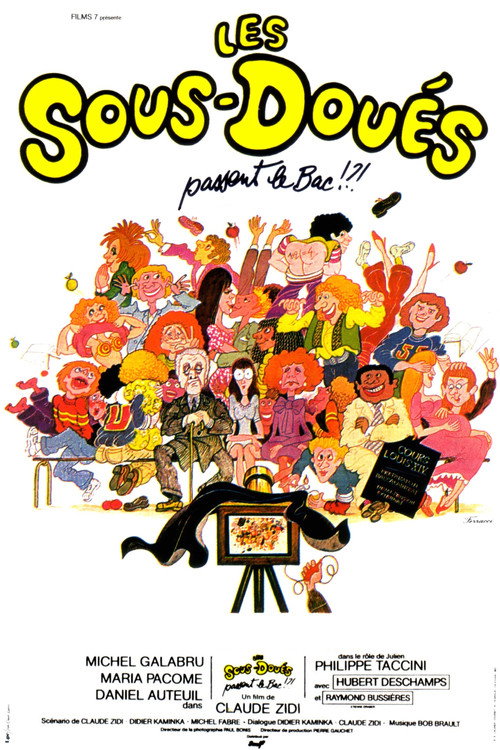
The story centers around a graduating class of "less-gifted" students in a private Versailles high school. Only a miracle has brought the students this far along, and after a practical joke misfires and the whole school is dynamited, the students are in deep trouble. They have to present themselves in court for their punishment and it could not be worse: If they don't pass their high-school graduation exams, they go to prison!
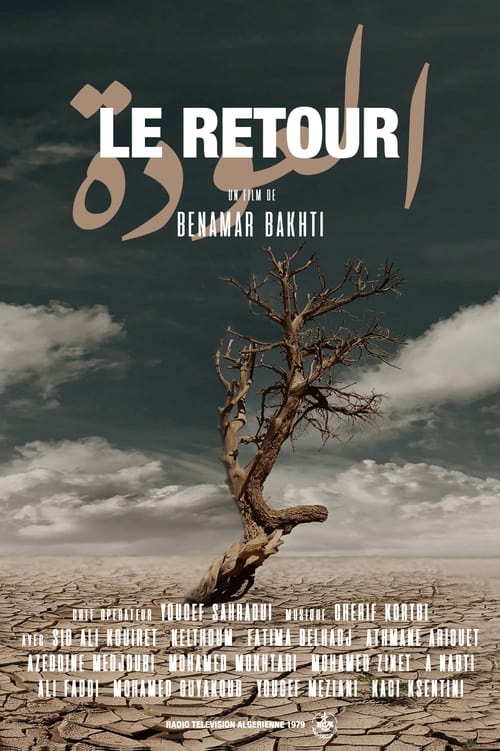
In the early 1970s, Lakhdar, an Algerian peasant, is forced to leave his desert land and his family for France, but immigration weighs on him and he dreams of returning. This day arrives, he walks in Paris, events decide otherwise.
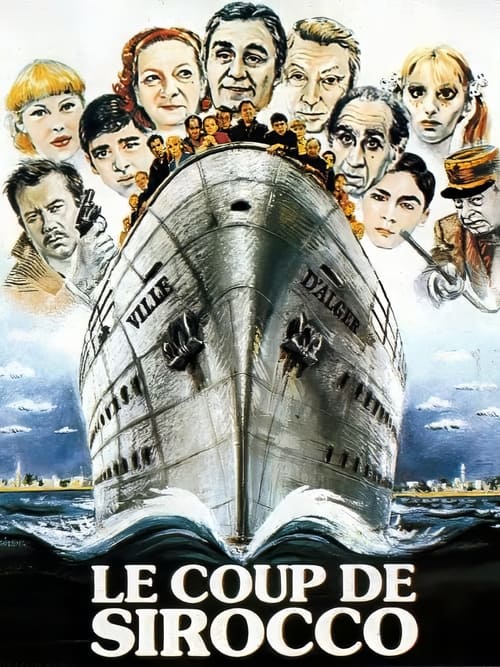
A shady Parisian tries to take advantage of a family of French-descended Algerians forced to move to France.
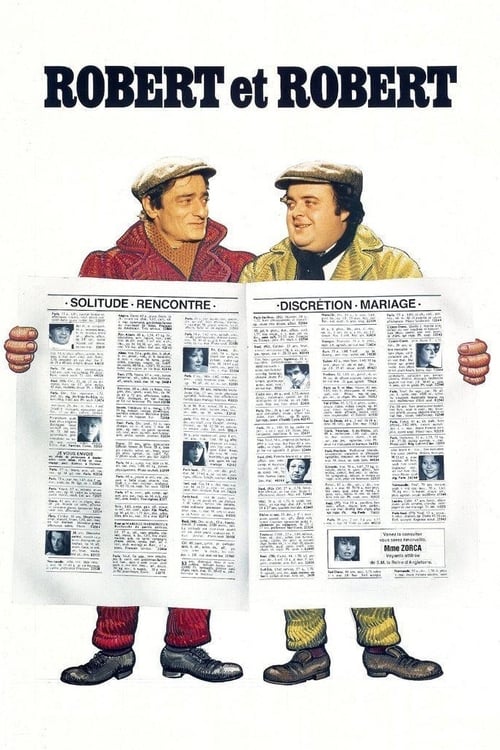
Robert #1 is played by Charles Denner, while Robert #2 is played by Jacques Villeret. Beyond their common name, the two Roberts are as different as night and day. Oh, there is one more resemblance: both Roberts are lonely, and both hope to meet suitable mates through a computer dating service. As they await the arrival of their new dates, Robert et Robert become fast friends. Of the three favorite film subjects of writer/director Claude Lelouch--romance, crime, and politics--Robert et Robert falls firmly into the first category.
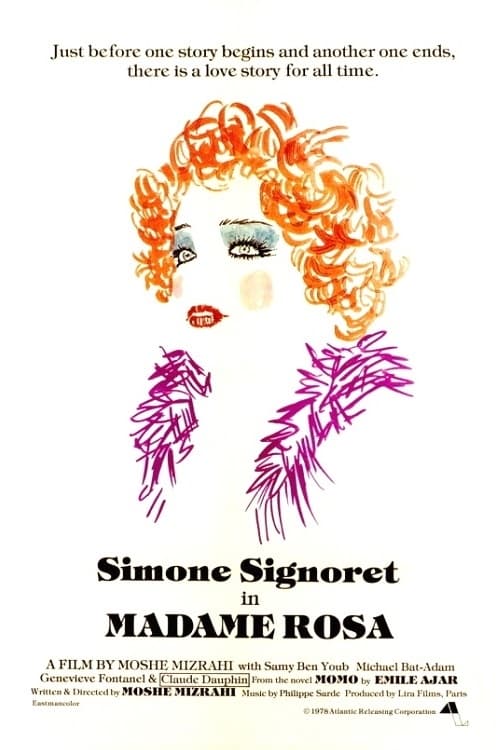
Madame Rosa lives in a sixth-floor walkup in the Pigalle; she's a retired prostitute, Jewish and an Auschwitz survivor, a foster mom to children of other prostitutes. Momo is the oldest and her favorite, an Algerian lad whom she raises as a Muslim. He asks about his parents; she answers evasively. As she ages and takes fewer children, Momo must do more for her; as money is tight, he tries to earn pennies on the street with a puppet. He's a beautiful man-child, and Madame Rosa makes him promise never to sell himself or become a pimp. A film editor, Nadine, befriends him, and his father appears as well. Madame Rosa reaches her last days in fear of hospitals, and Momo must act.

Georges Lajoie is a Parisian café owner. As every summer, Georges, his wife Ginette and grown-up son Léon go on holiday to Loulou's campsite, where they meet up with the Schumacher family (whose father is a bailiff) and the Colin family (who sells bras in the markets). This year, their peace is slightly disturbed by the proximity of a construction site where foreign workers are employed. Xenophobic comments are made. One evening at the ball, a fight breaks out between Lajoie, Albert Schumacher and two algerian immigrant workers...
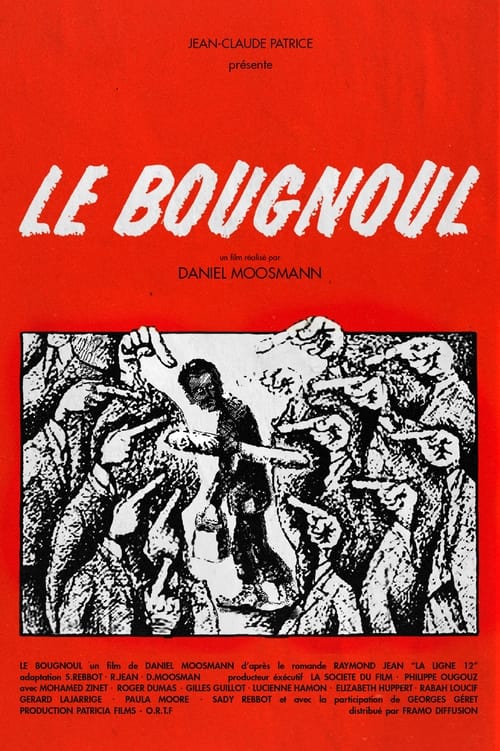
A construction worker on a construction site in the Paris suburbs, Mehdi takes the bus to return home after work. Wishing to get off while the vehicle is stationary in a traffic jam, the driver refuses: while restarting, the bus hits the car in front of it. The bus driver attacks Mehdi whom he holds responsible for the incident, claiming that it is forbidden to “talk to the stagehand”. Mehdi is implicated in court and his lawyer tries to draw attention to the living conditions of immigrant workers.
Subscribe for exclusive insights on movies, TV shows, and games! Get top picks, fascinating facts, in-depth analysis, and more delivered straight to your inbox.