
Action
Adventure
Animation
Comedy
Crime
Documentary
Drama
Family
Fantasy
History
Horror
Music
Mystery
Romance
Science Fiction
Thriller
War
Western

László Kovács was a Hungarian cinematographer who was influential in the development of American New Wave films in the 1970s, collaborating with directors like Peter Bogdanovich, Richard Rush, Dennis Hopper, Norman Jewison, and Martin Scorsese.
Explore all movies appearances
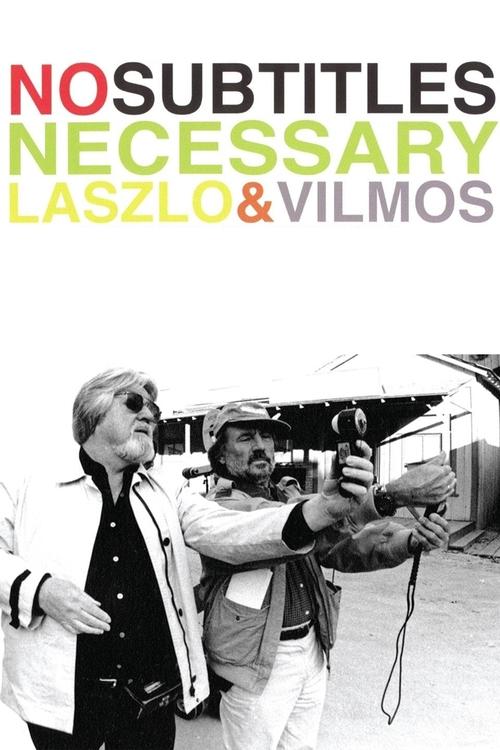
The artistry, triumph and lifelong friendship of the great cinematographers Laszlo Kovacs and Vilmos Zsigmond. With film school equipment, they shoot the Soviet crackdown of the 1956 Hungarian Revolution. As refugees they struggle in Hollywood, finally breaking into the mainstream with their pivotal contribution to the "American New Wave."
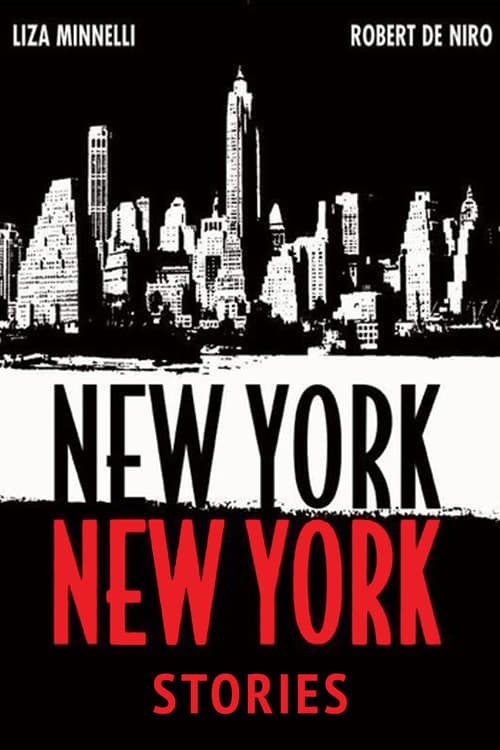
A documentary on the making of Martin Scorsese's 1977 Jazz drama New York, New York

The chronicle of the mind-blowing journey that was Hollywood during the seventies; the true and gripping story of the last golden age of American cinema, an exalted celebration of creativity and experimentation; but also of sex, drugs and rock 'n' roll: a turbulent and dark tale of ambition, envy, betrayal, hatred and self-destruction.
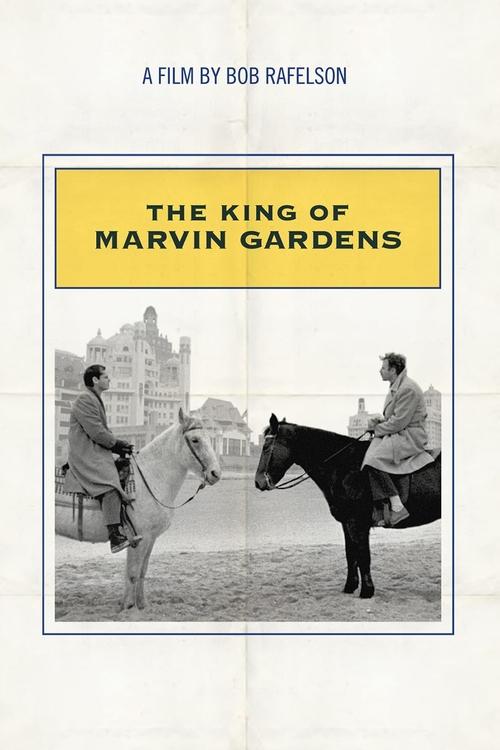
A 2002 video piece featuring director Bob Rafelson, cinematographer László Kovács, and actor Bruce Dern discussing style and process of the film The King of Marvin Gardens (1972).
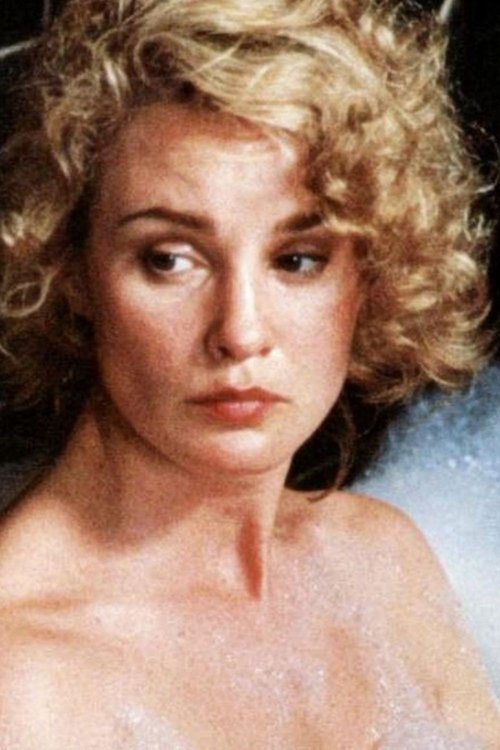
The making of FRANCES, a retrospective documentary.
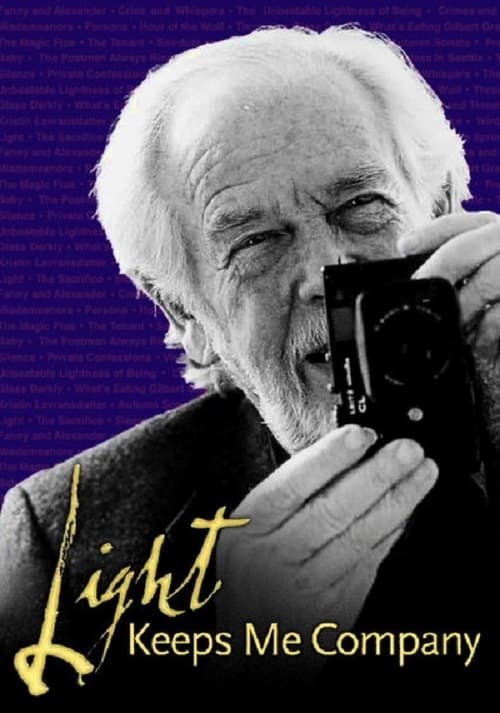
Carl-Gustaf Nykvist's documentary about his father, Sven Nykvist. The film is based on Sven's memoirs with Sven himself as narrator. A journey to the place of birth, Moheda, constitutes the hub of the film and during the journey friends and memories emerge. Written by Fredrik Klasson
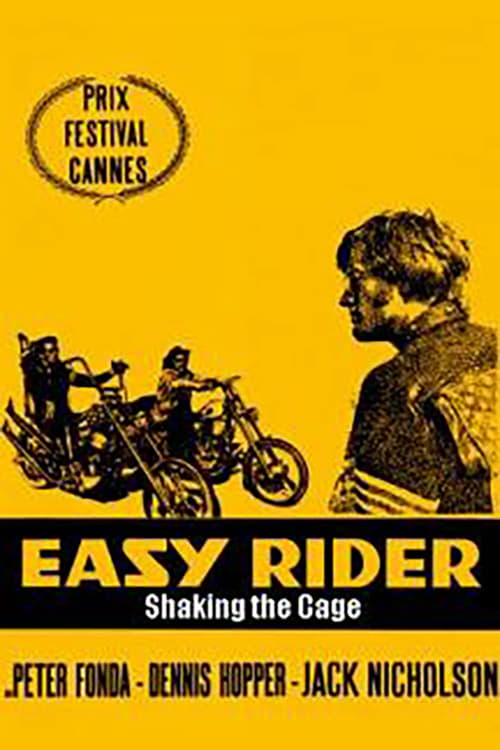
Documentary about the making and history of the film "Easy Rider."
This documentary about Easy Rider was created by Nicholas Freand Jones and first aired on BBC2 in December 1995.

An intimate window into one of the great movements in film history that brought about an evolution in the art of cinema. The documentary portrays the movement with insight on the lives and works of Jean-Luc Godard, François Truffaut and other principal players in the New Wave.
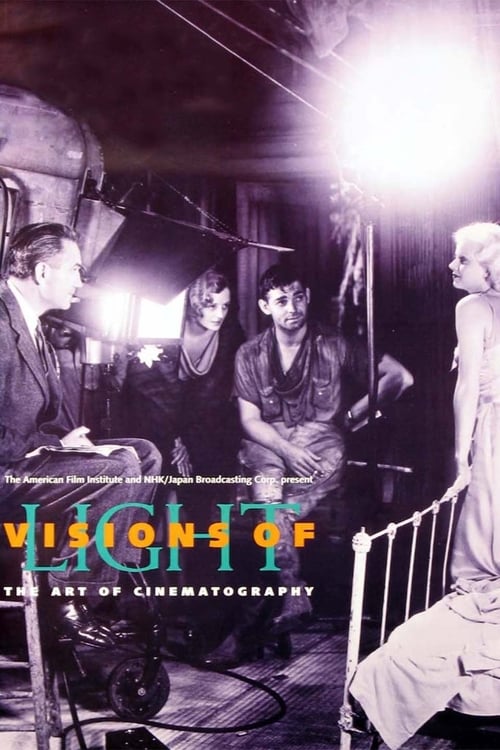
Cameramen and women discuss the craft and art of cinematography and of the "DP" (the director of photography), illustrating their points with clips from 100 films, from Birth of a Nation to Do the Right Thing. Themes: the DP tells people where to look; changes in movies (the arrival of sound, color, and wide screens) required creative responses from DPs; and, these artisans constantly invent new equipment and try new things, with wonderful results. The narration takes us through the identifiable studio styles of the 30s, the emergence of noir, the New York look, and the impact of Europeans. Citizen Kane, The Conformist, and Gordon Willis get special attention.
Subscribe for exclusive insights on movies, TV shows, and games! Get top picks, fascinating facts, in-depth analysis, and more delivered straight to your inbox.