
Action
Adventure
Animation
Comedy
Crime
Documentary
Drama
Family
Fantasy
History
Horror
Music
Mystery
Romance
Science Fiction
Thriller
War
Western

Masahiro Motoki (本木雅弘 Motoki Masahiro, born December 21, 1965 in Okegawa, Japan) is a Japanese actor. He portrayed protagonist Daigo Kobayashi in Departures, which won the 81st Academy Awards for Best Foreign Language Film. His performance earned him the Award for Best Actor at the 2009 Asia Pacific Screen Awards, at the 3rd Asian Film Awards and at the 32nd Japan Academy Prize.
Not available
Enjoying the content? Support us!
Enjoying the content? Support us!
Explore all movies appearances
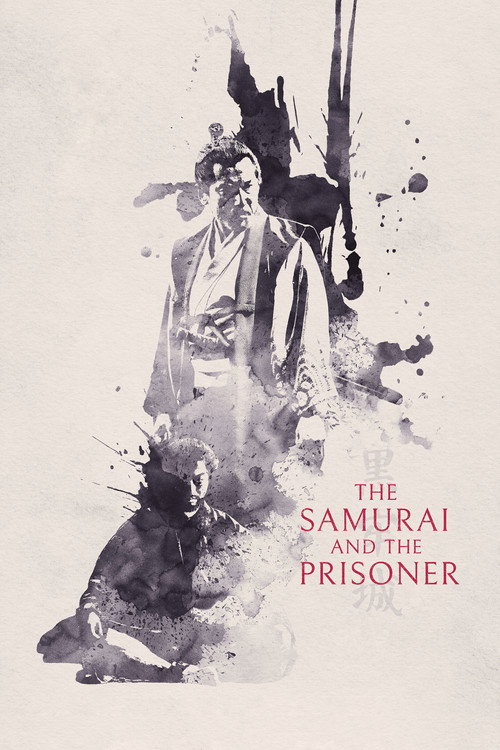
When Lord Murashige rises up against the tyrannical Oda, he finds himself besieged within the walls of his own castle. Isolated, he is confronted with a series of mysterious crimes that shatter the fragile order of his court, plunging the fortress into fear and suspicion. With Oda's army closing in and a traitor hiding among his ranks, Murashige is forced into an uneasy alliance with Kanbei, a brilliant and dangerous strategist held prisoner in the dungeon, as he must outwit his enemies and uncover the truth before time runs out.

This is the story of a strange encounter brought about by the atomic bomb, based on the true story of Akihiko Ito, a journalist who lived in Nagasaki and traveled throughout Japan to collect the stories of atomic bomb survivors.

Soon after the break of the pandemic and realizing that his clock is ticking, Kristofer gets the urge to embark on a journey to try to find out what really happened when his Japanese girlfriend mysteriously vanished without a trace from London fifty years earlier.

The day before his exhibition, world-renowned painter Tamura discovers that his own work contains a forgery. Meanwhile, the body of a woman with countless ukiyo-e tattoos is discovered at the sea. From the two incidents, the name of Ryuji emerges.

Takashi Miike is a cinema monster. Let's return to his filmography, his main themes, the framework of his monumental universe.

No plot available for this movie.

An eight-hour fiction shot for a total of twenty-seven weeks, over a period of fourteen months, in a village population forty-seven in the mountains of Kyoto Prefecture, Japan. It is a geographic description of the work and non-work of a farmer. A portrait, over five seasons, of a family, of a terrain, of a soundscape, and of duration itself. A film-as-adaptive-landscape. A georgic in five books.

No plot available for this movie.
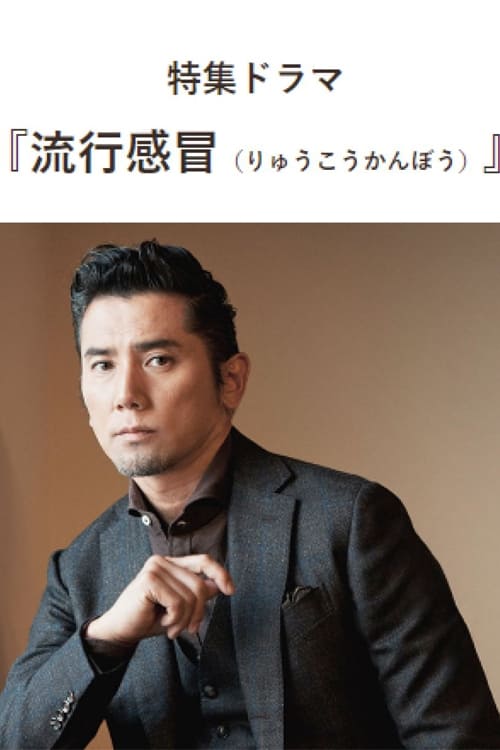
The novelist Shiga Naoya lives with his wife Haruko and their 4-year-old daughter Saeko. He is paranoid about Saeko’s health, making her wear heavy clothes even in summer in order to prevent her from catching a cold. Their child before Saeko died due to an epidemic, and he believes thorough enforcement is a natural consequence. In 1918, the Spanish flu reaches Japan. As the number of infected people grows, Shiga starts to suspect their servant Ishi might have gone to watch a travelling entertainment troupe’s performance which drew a great number of villagers. It is something Ishi is likely to do. But when Shiga questions her, she says that she did not go. However, she makes him have misgivings on a regular basis and he decides to take this opportunity to make her quit. An uproar ensues. Shiga feels that he has become a tyrant and refrains from kicking her out but he loses all reason and faith in humanity amid the pandemic…
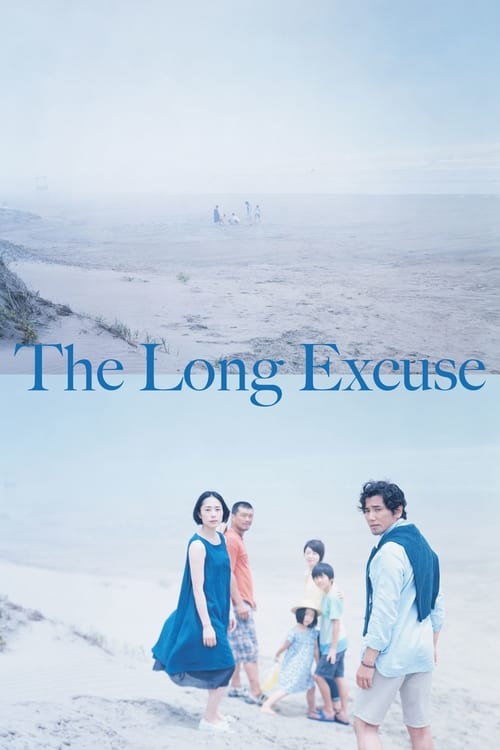
A recently widowed writer whose wife died in a bus crash comes to terms with his grief—or lack of it—in caring for the children of a working man who also lost his wife in the same accident.
Subscribe for exclusive insights on movies, TV shows, and games! Get top picks, fascinating facts, in-depth analysis, and more delivered straight to your inbox.