Action
Adventure
Animation
Comedy
Crime
Documentary
Drama
Family
Fantasy
History
Horror
Music
Mystery
Romance
Science Fiction
Thriller
War
Western
Explore all movies appearances

In 1968, the young Edgar Reitz teaches filmmaking at a girls’ school – a ground-breaking educational experiment. Fifty-five years later, there is a class reunion.

From the 1950s onwards, Erika and Ulrich Gregor brought countless film historical milestones to Berlin and shaped cinema discourse in post-war Germany. A look at the life and work of the couple without whom Arsenal and the Forum wouldn’t exist.

No plot available for this movie.
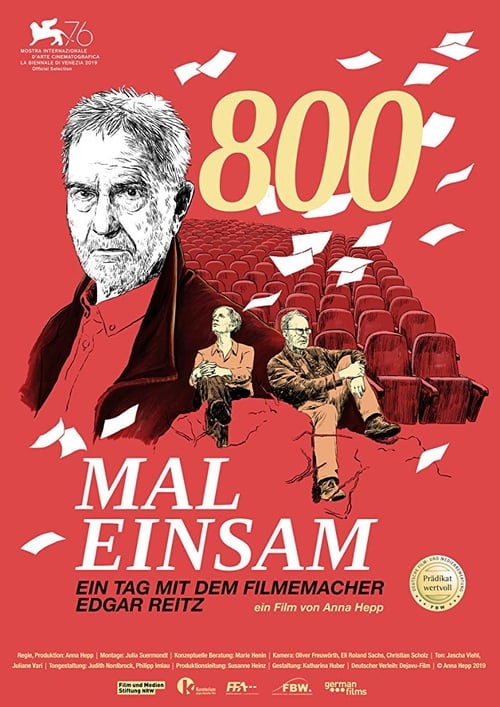
Anna Hepp meets with renowned German director Edgar Reitz in one of Germany’s most famous cinemas: the Lichtburg in Essen. Reitz talks about his life, his view of art and his sometimes philosophical viewpoint.
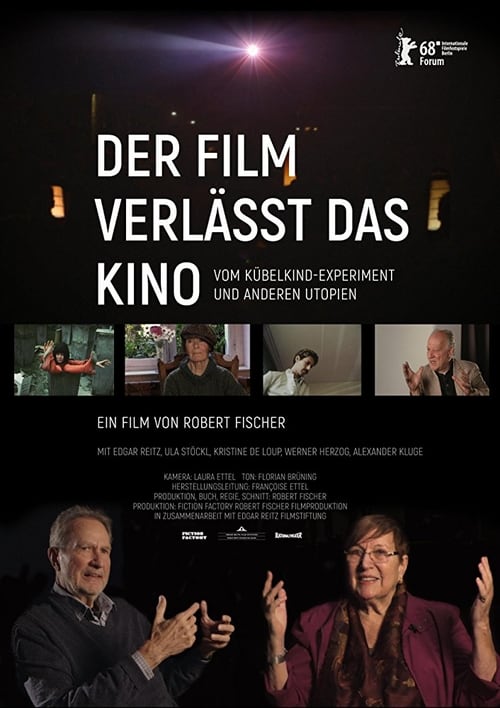
For over half a century, the filmmaker Edgar Reitz, one of the signatories of the Oberhausen Manifesto and a pioneer of epic film narration, has explored, as a practitioner and theoretician, the rules and limits of cinema, which he always seeks to break and extend in new ways. One example of his tireless search and research are the Geschichten vom Kübelkind, which he co-directed with Ula Stöckl in 1969/70, 22 absurdly funny, subversive and anarchistic short films of different lengths, which consciously oppose all conventions, with incredible success. The films remain unrivalled in their Dadaistic inventiveness.

A documentary by Hans Günther Pflaum and Peter H. Schröder.
A study of Alexander Kluge that also emulates his technique of seeking and linking. Kluge reads aloud, Kluge recounts, including stories from his childhood and youth, from the bombing of Halberstadt, his home town. “What you don’t understand as a child you will contemplate for the rest of your life.” Kluge does this as the author of films, books, TV programs. He has always had several professions at once. He is a legal advisor, director, author, founder of the television production company DCTP, and person in charge of its culture magazines. But if you think that these are all different jobs, you’re mistaken.
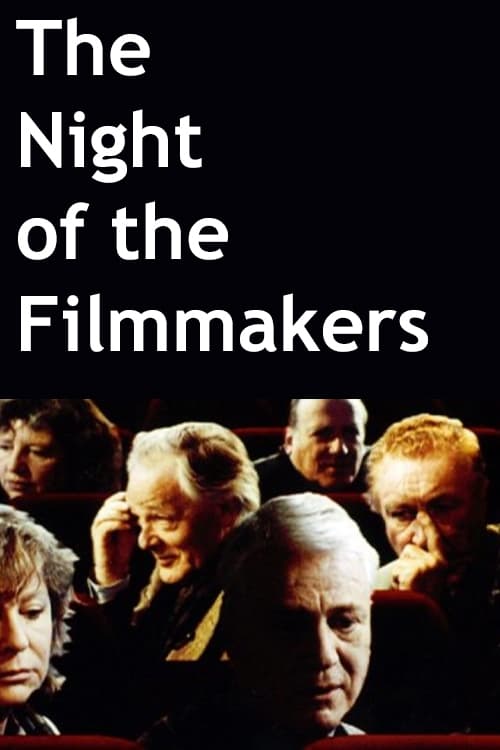
A meditation on the first 100 years of German cinema, featuring an assembly of German filmmakers.
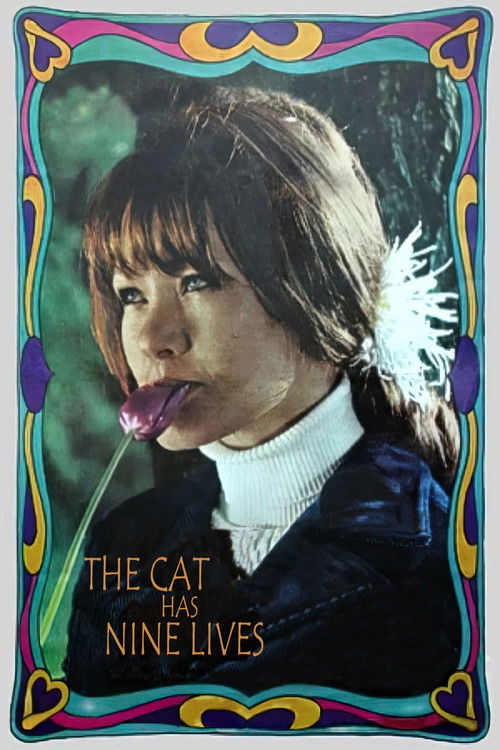
In the summer of 1967, journalist Katharina is visited in Munich by her French friend Anne. They take day trips and visit cafés, acquaintances, and parties. In a series of conversations between them and other women, they talk about the chances for female emancipation in a male-dominated society.
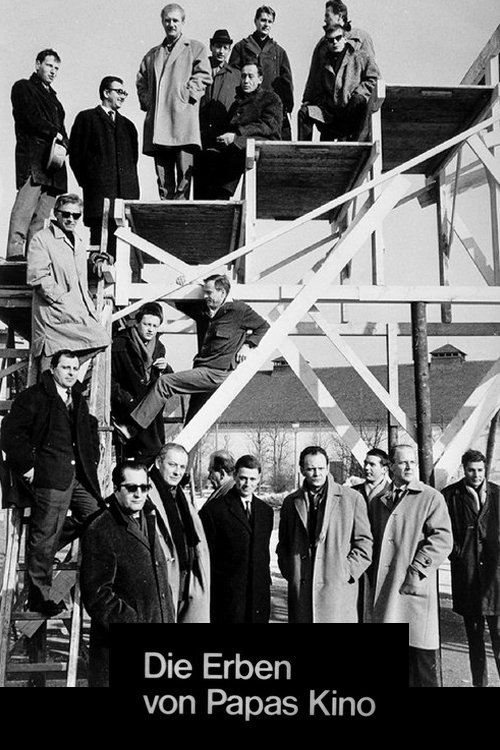
Documentary by Wilhelm Roth about the state of affairs of the Young German Cinema.
Subscribe for exclusive insights on movies, TV shows, and games! Get top picks, fascinating facts, in-depth analysis, and more delivered straight to your inbox.