
Action
Adventure
Animation
Comedy
Crime
Documentary
Drama
Family
Fantasy
History
Horror
Music
Mystery
Romance
Science Fiction
Thriller
War
Western
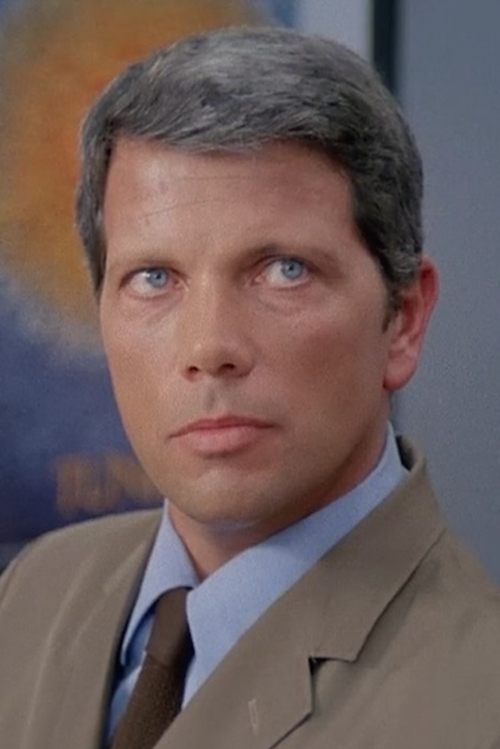
Pierre Zimmer (15 December 1927 – 22 May 2010) was a French actor and film director. He appeared in 31 films and television shows between 1966 and 2001. In 1962 he directed the film Give Me Ten Desperate Men, which was entered into the 12th Berlin International Film Festival. Source: Article "Pierre Zimmer" from Wikipedia in English, licensed under CC-BY-SA 3.0.
Explore all movies appearances
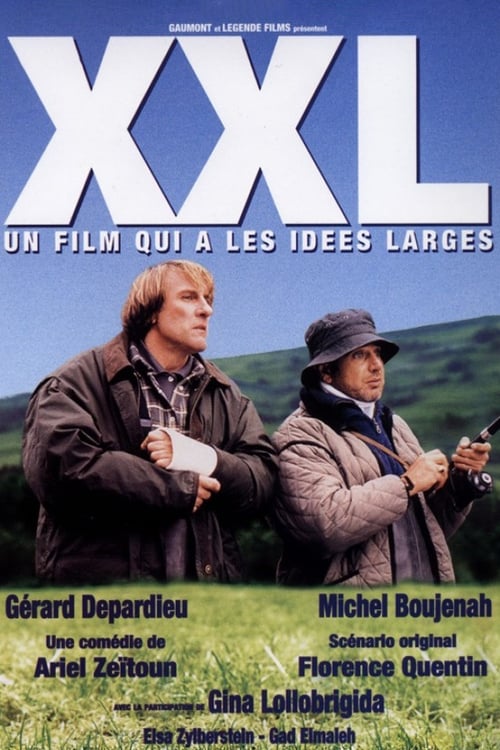
Tunisian-Jewish businessman Alain Berrebi (Michel Boujenah) courts Ashkenazi princess Arlette Stern (Elsa Zylberstein). Her father David (Maurice Chevit) learns of the death of a rural Auvergne peasant who once hid David and his cousin Nathan (Felix Fibich) from the Nazis. Nathan is now a NYC diamond dealer on West 47th Street. David, Nathan, Arlette, and Berrebi head for the funeral in Auvergne. There they encounter the deceased peasant's son, Jean Bourdalou (Gerard Depardieu), who operates the family's restaurants in Paris. Arlette does a romantic take on Bourdalou, which sends the distraught Berrebi off to cry on the shoulder of his mother Gaby (Gina Lollobrigida). Back in Paris, Bourdalou and Berrebi make plans to open a trendy fashion restaurant in Manhattan.
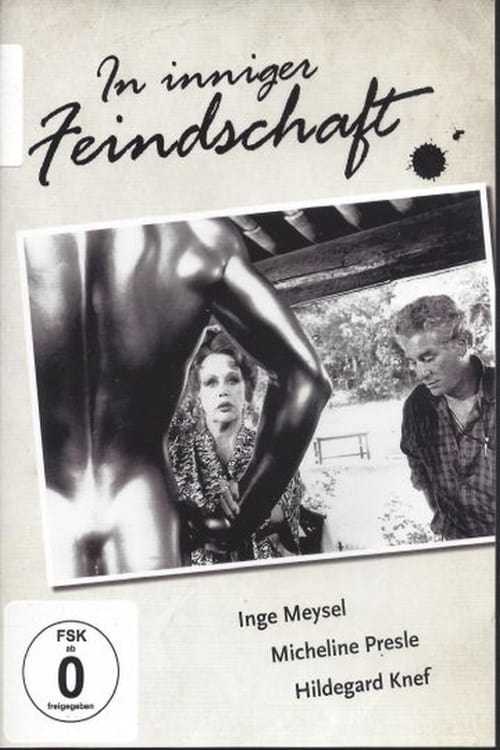
60 years ago, pianist Julie Bernstein was involved in an accident while her sister Gloria was taking a risky car ride. Her hands have been mutilated ever since and she suffers from cancer. When Julie learns that she was deceived by Gloria during a love affair in 1917, she swears revenge.
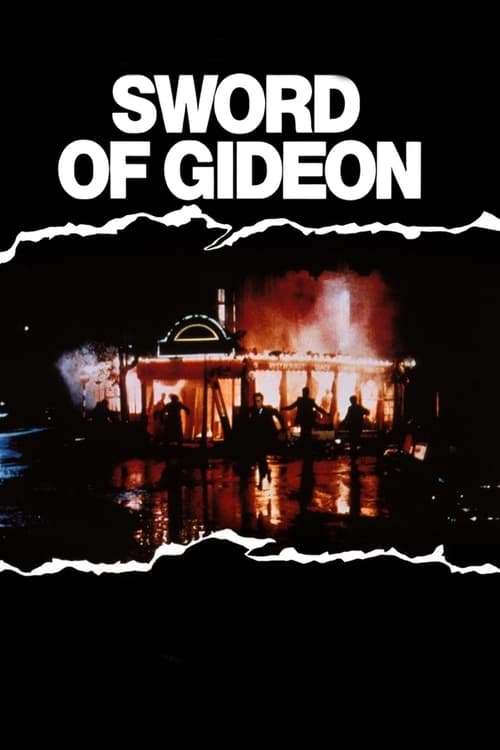
Chronicles a Mossad team hand picked to hunt down the terrorists involved in the 1972 Munich Olympic massacre of Israeli athletes.
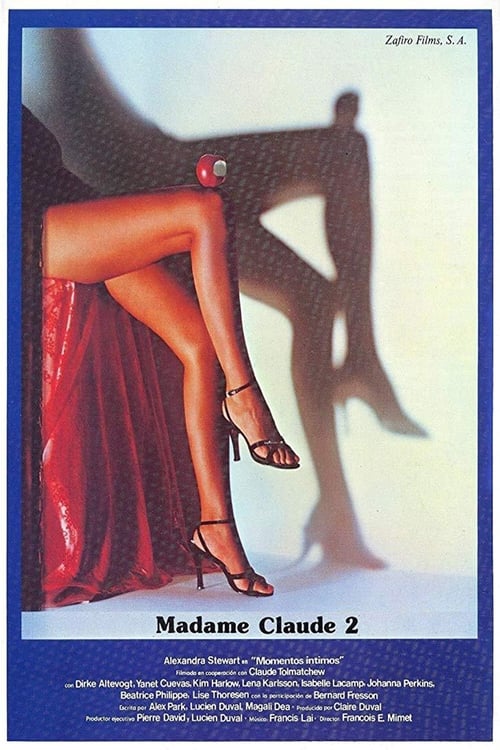
A notorious French madam, whose business serves many of the nation's most powerful individuals, plans to go international until she becomes the focus of media scrutiny.
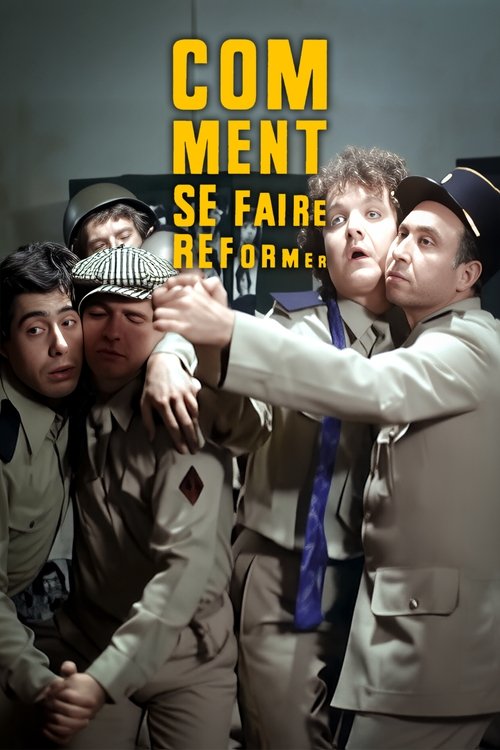
Two friends, Philippe and Jeannot, are drafted the same day and assigned to the same place. They have no taste for military life and during the conscription visit they try all they can to be declared unfit for service. They fail and land in barrack room 13, where a bunch of other "rebels" is gathered together, under the approximate control of a stupid warrant officer and a depressing captain.They all still have hopes of returning home soon.Besides Philippe and Jeannot, this motley crew consists of a rich allegedly kleptomaniac snob, a phony queen, an orthodox Jew, a yogi, a hippie, a Belgian, a hermetic poet, an Arab, and that's not the half of it...

No plot available for this movie.

Monique is a 35 year old French woman, living in New York. The daughter of a French diplomat who has remarried, Monique has no financial worries, and holds a good job with a publishing firm. She finds relationships difficult, and frequently suffers acute depression. Her nights are filled with strange dreams, and apparitions of flashing lights.
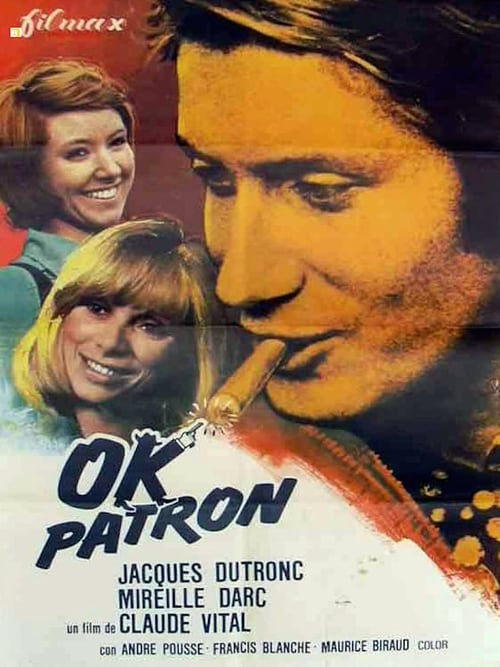
Mario, the head of the Mafia in France, has just been mortally wounded. His "companion" decides to find him a successor, before the New York "organization" appoints one. She instructs her two bodyguards to take on anyone who likes money, doesn't have any and, above all, doesn't want to work too hard - in short, "the average Frenchman"... They discover Léon Bonnet, a representative of "magic crosses". They send him gifts: champagne, weapons (a mistake...), a ring for his fiancée, and a meal worthy of the finest gourmets. In return, they take him to Mario's dying bedside, and have him sign over the estate. It's then that Leon, with his angelic good looks, restores order within the Mafia, surprising all his adversaries with his manners, and outwitting the police...
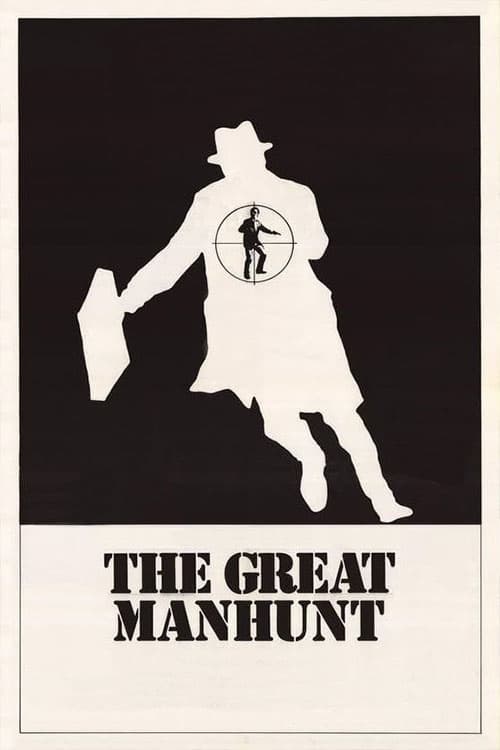
Who is Anton Haliakov, who has just been abducted by the M.I.5 in London? A Soviet scientist apparently. But sixteen years before the man had another identity, Clément Tibère, and another nationality, French. So what led him to become Russian and to change identity? And why are the British secret services interested in him?
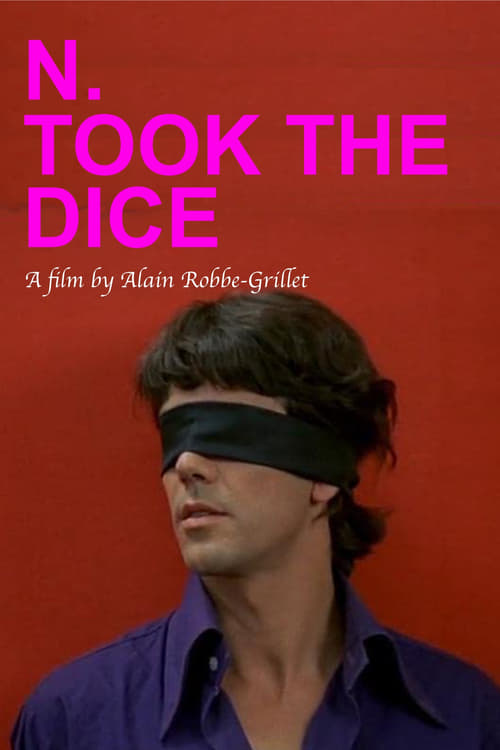
N Took the Dice is essentially a reworking of Eden and After made possible by the roll of a dice (scenes from the 1970 film were combined with outtakes and additional footage in an aleatory way). Robbe-Grillet was always interested in music and since he perceived Eden and After to be serial in nature, it only made sense that its sister film would stand in opposition to that.
Subscribe for exclusive insights on movies, TV shows, and games! Get top picks, fascinating facts, in-depth analysis, and more delivered straight to your inbox.