
Action
Adventure
Animation
Comedy
Crime
Documentary
Drama
Family
Fantasy
History
Horror
Music
Mystery
Romance
Science Fiction
Thriller
War
Western
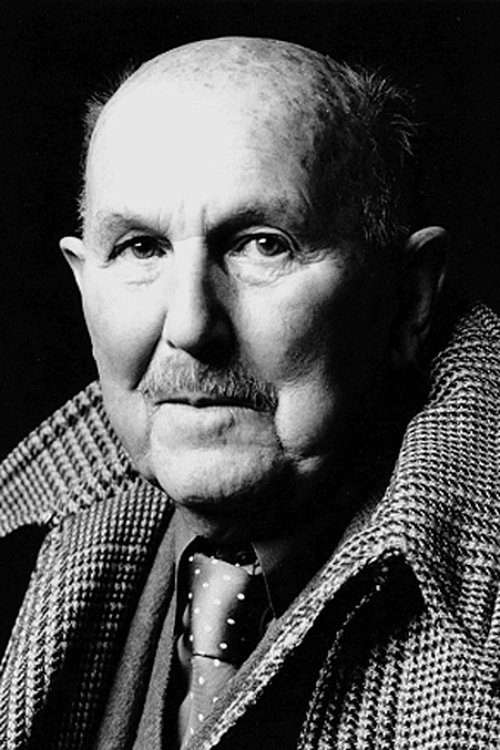
Michael Latham Powell (30 September 1905 – 19 February 1990) was a renowned English film director, celebrated for his partnership with Emeric Pressburger. They worked together under the name of "The Archers" and produced a series of classic British films, notably The Thief of Bagdad (1940), 49th Parallel (1941), The Life and Death of Colonel Blimp (1943), A Matter of Life and Death (1946, also cal...
Not available
Enjoying the content? Support us!
Enjoying the content? Support us!
Explore all movies appearances
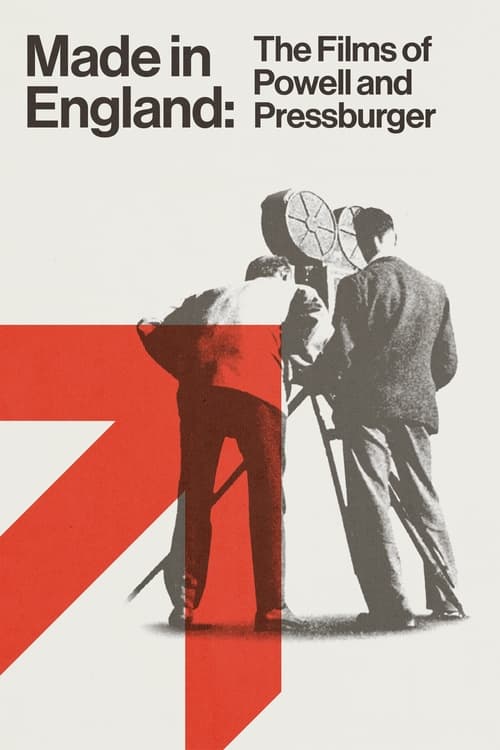
Martin Scorsese presents this very personal and insightful new feature-length documentary about British filmmakers Michael Powell and Emeric Pressburger.
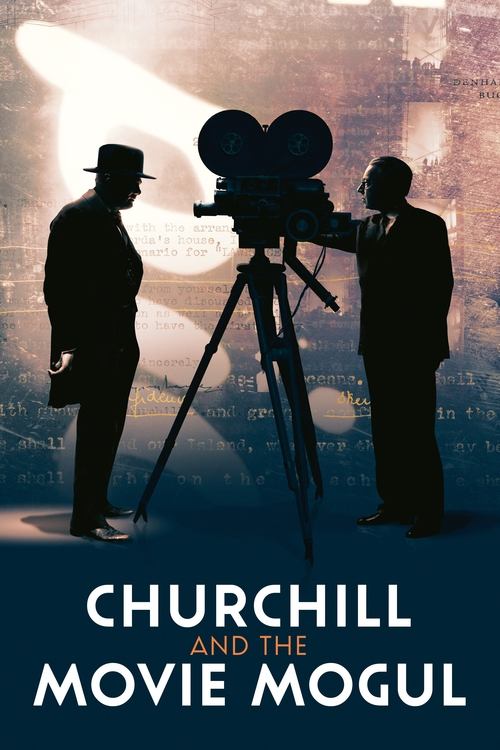
Winston Churchill understood the power of films, but the true extent of his use of cinema as a propaganda tool is rarely explored. In 1934, one of Britain's most celebrated film producers, Alexander Korda, signed Churchill up as a screenwriter and historical advisor. It was the start of a unique collaboration. Churchill provided script notes for Korda's productions and penned an epic screenplay. When war broke out, their collaboration took on national importance. Korda was sent on a mission to Hollywood to help bring America into the war, with positive results. With access to previously undiscovered documents, this film documentary examines that mission and a friendship that underpinned a unique, creative partnership.

Thelma Schoonmaker on Martin Scorsese and 'The King of Comedy'
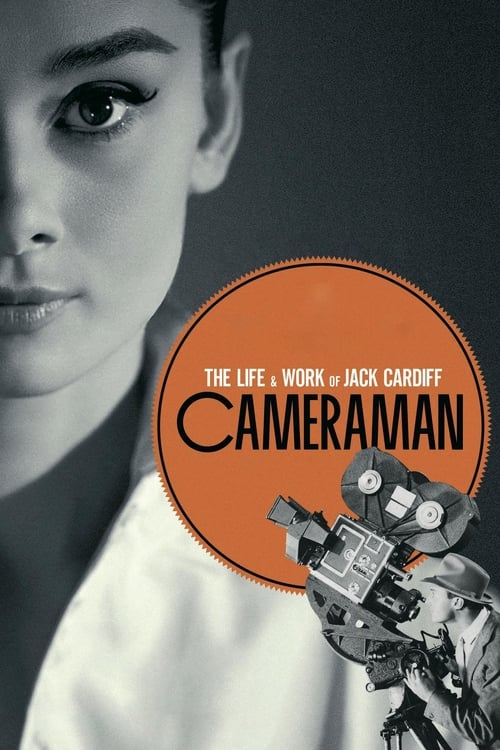
In 2001 Jack Cardiff (1914-2009) became the first director of photography in the history of the Academy Awards to win an Honorary Oscar. But the first time he clasped the famous statuette in his hand was a half-century earlier when his Technicolor camerawork was awarded for Powell and Pressburger's Black Narcissus. Beyond John Huston's The African Queen and King Vidor's War and Peace, the films of the British-Hungarian creative duo (The Red Shoes and A Matter of Life and Death too) guaranteed immortality for the renowned cameraman whose career spanned seventy years.
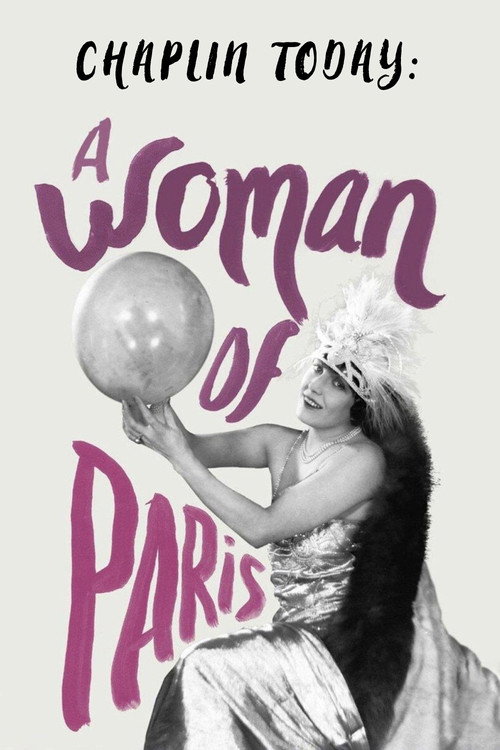
"A Woman of Paris" (1923) was the first film Chaplin made for United Artists Film Corporation, which he founded with his friends Mary Pickford, Douglas Fairbanks and D. W. Griffith. Chaplin had long considered making a dramatic feature. For the first time, he decided to direct. Actress and filmmaker Liv Ullmann analyses the film. She talks about the acting, the originality of the characterizations, as well as the "feminine" viewpoint Chaplin adopted for the first time in his films.

A documentary film examining Michael Powell's 1960 film "Peeping Tom," the controversy surrounding its release, and the life of its screenwriter, Leo Marks.
Amazing documentary shows rarely seen side of a master director. 1990 was a very good year for Martin Scorsese. After making a diverse group of films in the 80s, he reunited with Robert DeNiro for "Goodfellas" and later that year shot a segment for "New York Stories", an anthology film of three shorts by Scorsese, Woody Allen, and Francis Ford Coppola. During the editing, the French documentary series "Cinéma, de notre temps" filmed a documentary on the director, and it's a fascinating glimpse into his life, personality, and working habits as he edits his short with long-time collaborator Thelma Schoonmaker.
Examines laughter, its representation in film and its day to day function. Well known people from various backgrounds discuss the issue and what it means to them.
Why do we cry? Can men cry too? When are tears acceptable and when are they not?
People who have experienced fear - those involved in the peace movement, a child, a politian and a film director - discuss the psychological and physical aspects of this emotion.
Subscribe for exclusive insights on movies, TV shows, and games! Get top picks, fascinating facts, in-depth analysis, and more delivered straight to your inbox.