
Action
Adventure
Animation
Comedy
Crime
Documentary
Drama
Family
Fantasy
History
Horror
Music
Mystery
Romance
Science Fiction
Thriller
War
Western
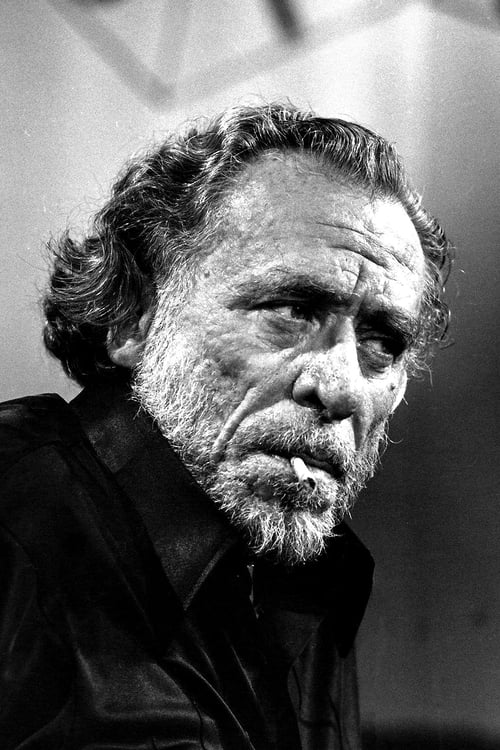
Henry Charles Bukowski was a German-American poet, novelist, and short-story writer. His writing was influenced by the social, cultural, and economic ambiance of his home city of Los Angeles.
Explore all movies appearances

"Fly too high and you will burn, go too low and you won't breathe." A 7 day vlog during the summer of 2023, a story of dreamers and drowners.
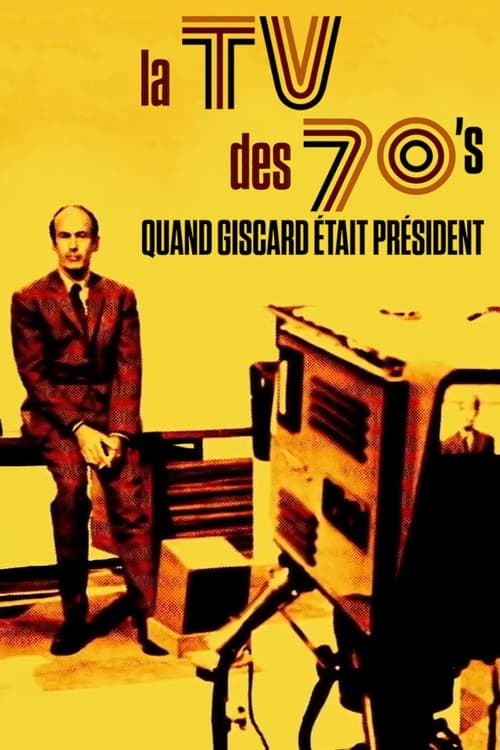
In May 1974, Valéry Giscard d'Estaing became President of the Republic and wanted to bring about a new era of modernity. One of his first decisions was to break up the ORTF with the creation of three new television channels: TF1, Antenne 2 and FR3. Three new public channels but autonomous and competing. It is a race for the audience which is engaged then, and from now on the channels will make the war! This competition will give birth to a real golden age for television programs, with variety shows in the forefront. The stars of the song are going to invade the living rooms of the French for their biggest pleasure. This unedited documentary tells the story of the metamorphosis of this television of the early 1970s, between freedom of tone, scandals, political intrigues and programs that have become mythical.

Henry Charles Bukowski (born Heinrich Karl Bukowski; August 16, 1920 – March 9, 1994) was a German-American poet, novelist, and short story writer. His writing was influenced by the social, cultural, and economic ambience of his home city of Los Angeles. His work addresses the ordinary lives of poor Americans, the act of writing, alcohol, relationships with women, and the drudgery of work. Bukowski wrote thousands of poems, hundreds of short stories and six novels, eventually publishing over 60 books. The FBI kept a file on him as a result of his column, Notes of a Dirty Old Man, in the LA underground newspaper Open City. In 1986 Time called Bukowski a "laureate of American lowlife".Regarding Bukowski's enduring popular appeal, Adam Kirsch of The New Yorker wrote, "the secret of Bukowski's appeal. . . [is that] he combines the confessional poet's promise of intimacy with the larger-than-life aplomb of a pulp-fiction hero."
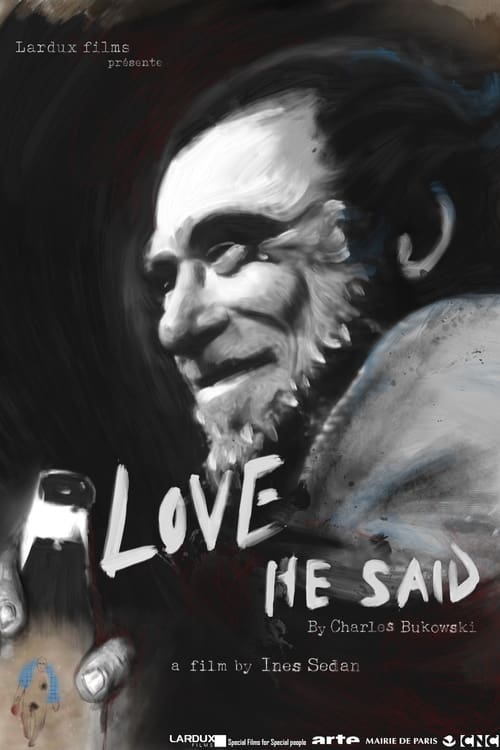
1973, San Francisco. Charles Bukowski, underground poet and punk ahead of his time, reads his poem Love to a wild audience who've come to see the pulp writer's provocative performance. But that day, instead of a punk they find a broken man hungry for love.
In this Bukowski poem entitled, "The Shoelace Poem," Bukowski invites the listener/reader to feel less alone in the insanity created by the simple, mundane string of ordinary life events. Sometimes it isn’t massive life tragedies that push someone over the edge. Sometimes it's just one too many broken shoelaces. And we should give everyone the benefit of the doubt, assuming we have likely all broken that last shoelace.
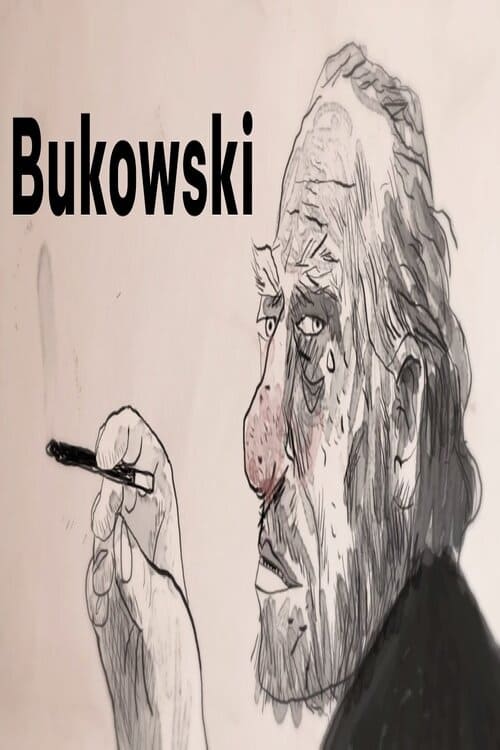
One afternoon, Bukowski sat down to record the audio version of his classic, Run With the Hunted. The session took place in his home with his wife by his side. These are the outtakes.
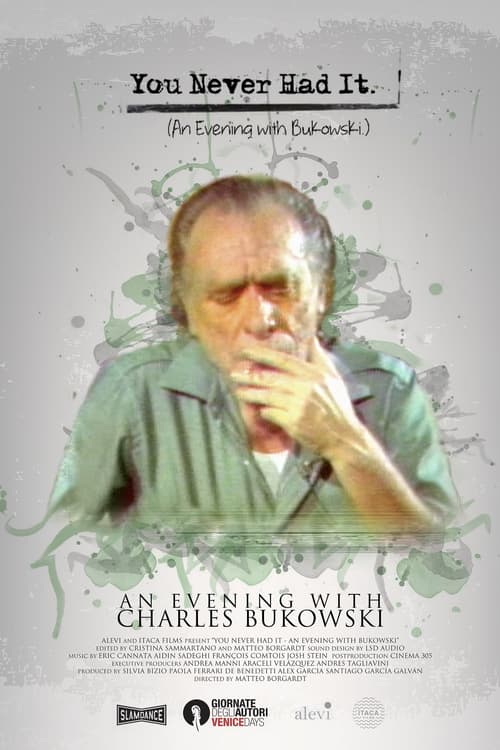
A long night spent drinking, smoking, and talking about sex, literature, childhood and humanity with irreverent writer poet Charles Bukowski in his California home in 1981. A story of video tapes lost, then found, and brought back to life.
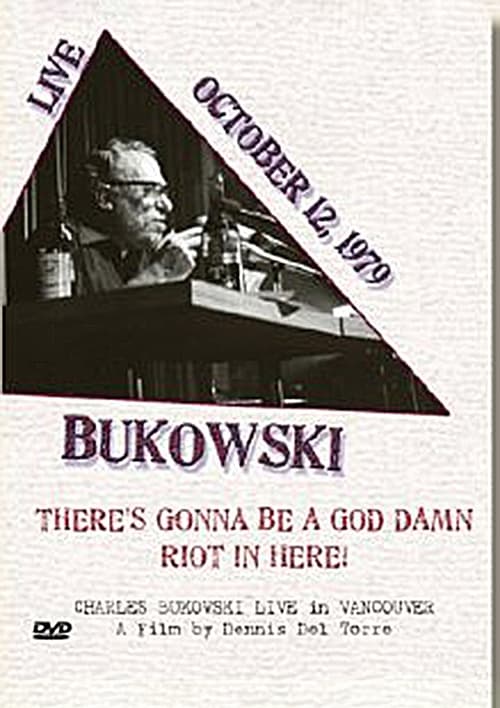
This is the last poetry reading Charles Bukowski gave outside the US. It was video taped in 1979 by local promoter Dennis Del Torre.
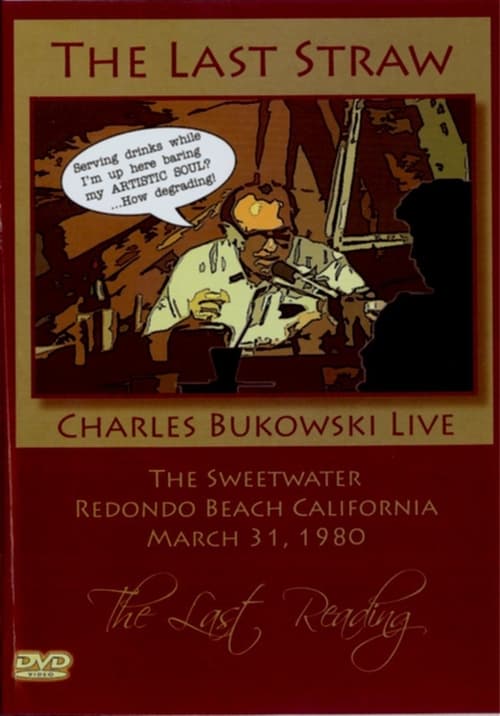
The Last Straw is a film documenting the very last live poetry reading given by Charles Bukowski at The Sweetwater, a music club in Redondo Beach, California on March 31, 1980
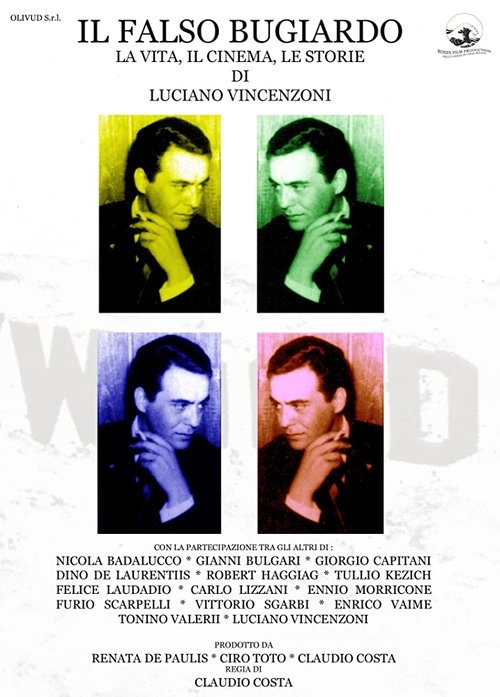
Based upon Vincenzoni's biography, "Pane e cinema", the documentary traces the story of the screen play writer who invented many stories that became blockbusters throughout the world.
Subscribe for exclusive insights on movies, TV shows, and games! Get top picks, fascinating facts, in-depth analysis, and more delivered straight to your inbox.