
Action
Adventure
Animation
Comedy
Crime
Documentary
Drama
Family
Fantasy
History
Horror
Music
Mystery
Romance
Science Fiction
Thriller
War
Western
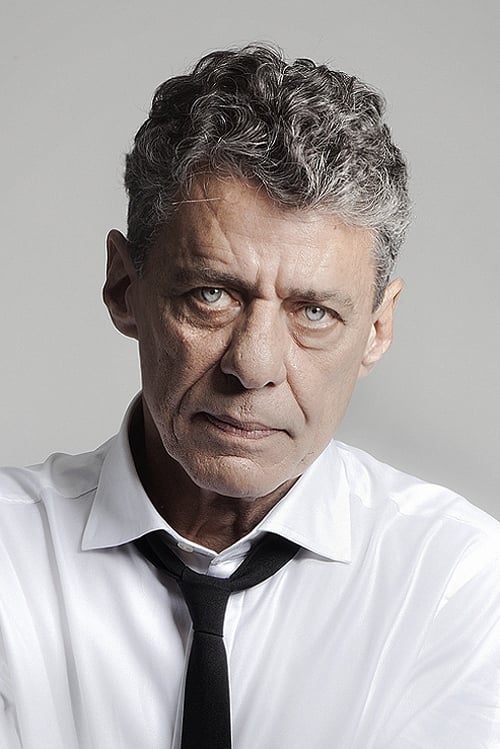
Francisco Buarque de Hollanda OMC • ComIH, better known as Chico Buarque (Rio de Janeiro, June 19, 1944), is a Brazilian singer, composer, guitarist, playwright, writer and actor. He is considered by many critics to be the greatest living artist in Brazilian music. His discography includes approximately eighty works, including solo albums, in partnership with other musicians and compacts.
Explore all movies appearances

The documentary narrates the life of Toquinho, one of the greatest Brazilian artists, a musician who transcends the barriers of time and language with his sensitivity. A story that shapes Brazilian popular music.

The film reveals the creation of poet Dorival Caymmi's musical works with testimonies from researchers, journalists and friends who lived with him and were able to enjoy his wisdom and talent.
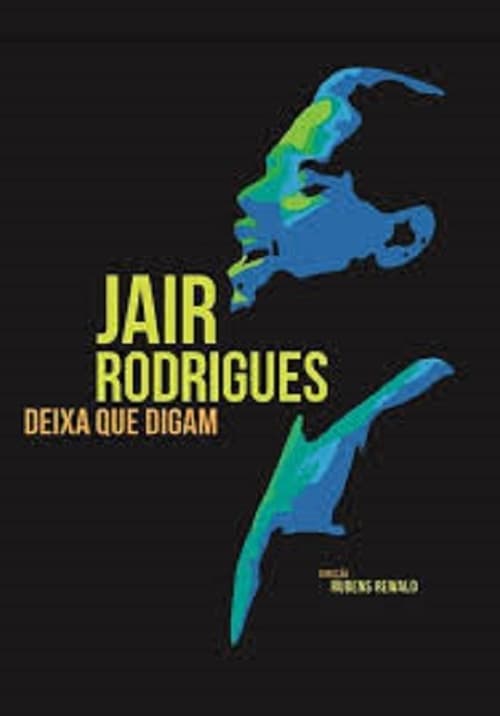
Jair Rodrigues, the portrait of an artist from a Brazil so close and yet so distant.
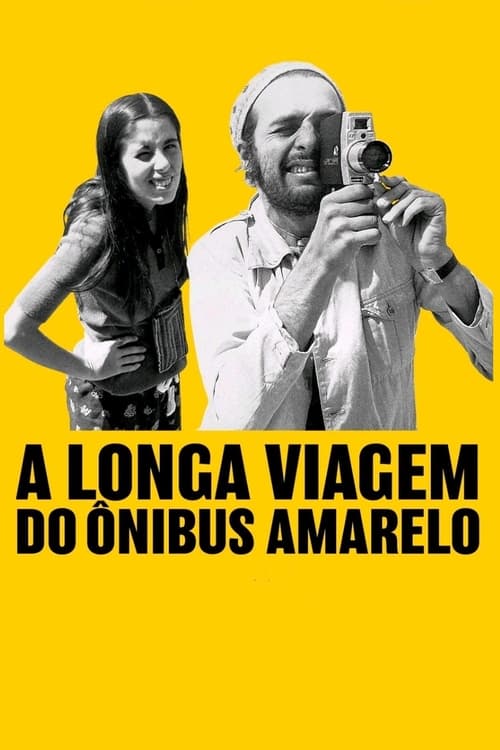
For this behemoth, Bressane took his opera omnia and edited it in an order that first adheres to historical chronology but soon starts to move backwards and forward. The various pasts – the 60s, the 80s, the 2000s – comment on each other in a way that sheds light on Bressane’s themes and obsessions, which become increasingly apparent and finally, a whole idea of cinema reveals itself to the curious and patient viewer. Will Bressane, from now on, rework The Long Voyage of the Yellow Bus when he makes another film? Is this his latest beginning? Why not, for the eternally young master maverick seems to embark on a maiden voyage with each and every new film!
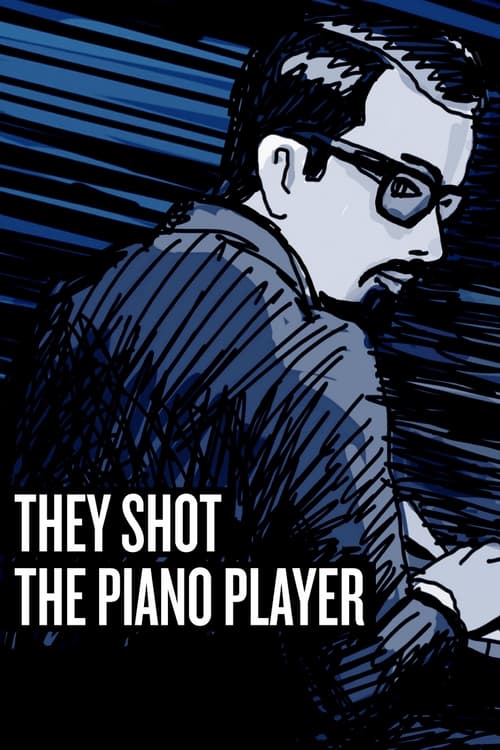
New York, 2010. Jeff Harris, a music journalist, sets out to uncover the truth about Francisco Tenório Júnior, a young Brazilian samba-jazz pianist who disappeared in Buenos Aires on March 18, 1976.
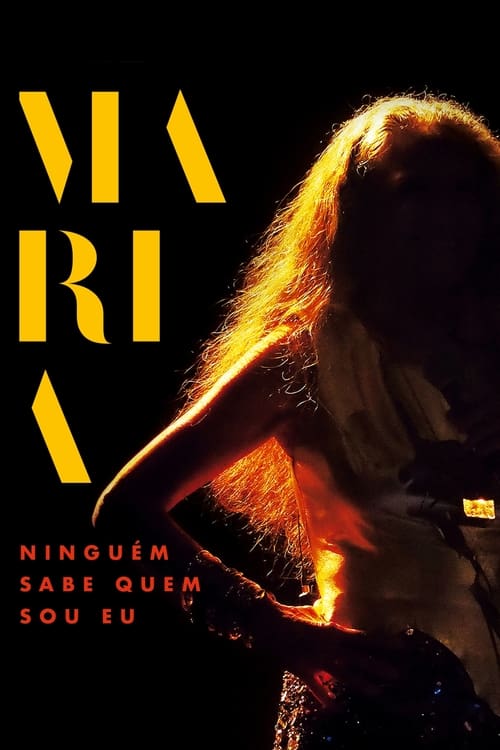
The film is an unprecedented and exclusive testimonial of Maria Bethânia from director and screenwriter Carlos Jardim, interspersed with rare footage of rehearsals and concerts by the singer throughout her 57-year career. Actress Fernanda Montenegro narrates five texts by authors such as Ferreira Gullar and Caio Fernando Abreu about Bethânia's importance on the Brazilian cultural scene.
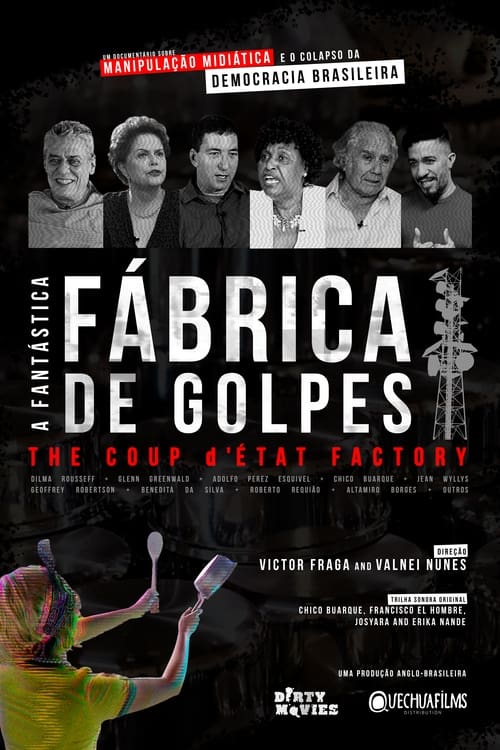
Brazil has a long tradition of coup d'états. These coups would have not been viable without the support of the big media, particularly TV Globo. Two Brazilian journalists in the UK reveal the manipulative tactics of these organisations.
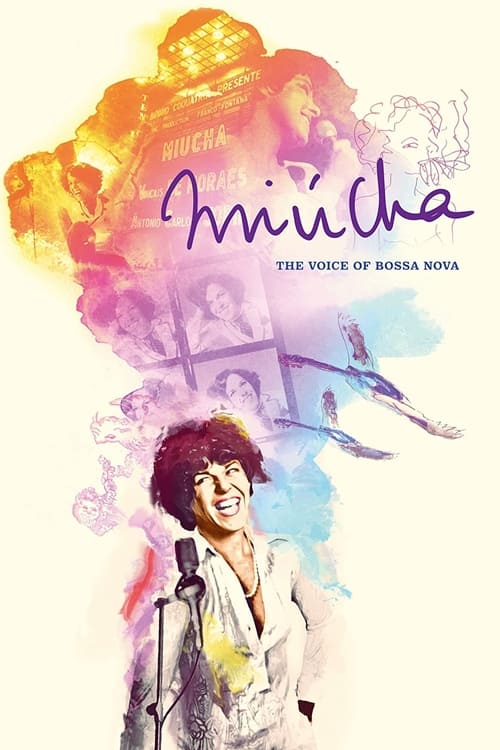
Despite her position at the epicentre of the Brazilian bossa nova scene, singer Heloísa Maria Buarque de Hollanda, known as Miúcha, has been largely underappreciated. This documentary, which dives into her career and personal life through a rich collection of archives, aims to change that.
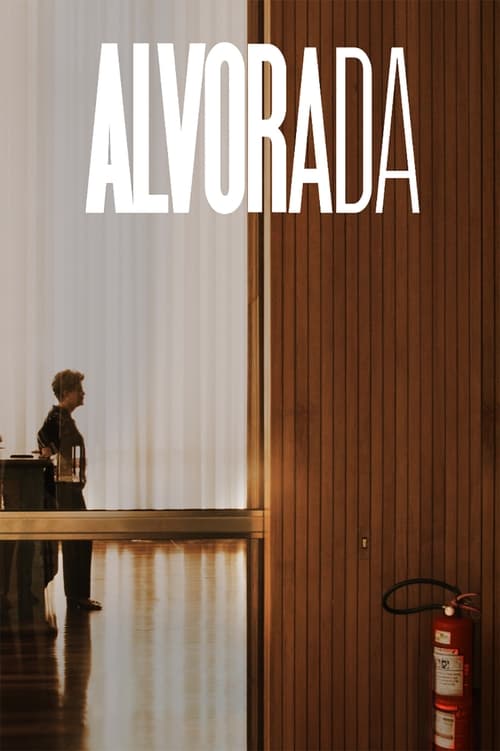
The film narrates, from an intimate point of view, the daily life of President Dilma Rousseff in her official residence, the Palácio do Alvorada, while awaiting the verdict of the impeachment process. Portraying the hallways of the palace, designed by Oscar Niemeyer, we see the coming and going of political meetings, the daily routine of the kitchen, the exchange of guards, whispers and phone calls. We feel the growing tension of officials, advisers and former ministers.
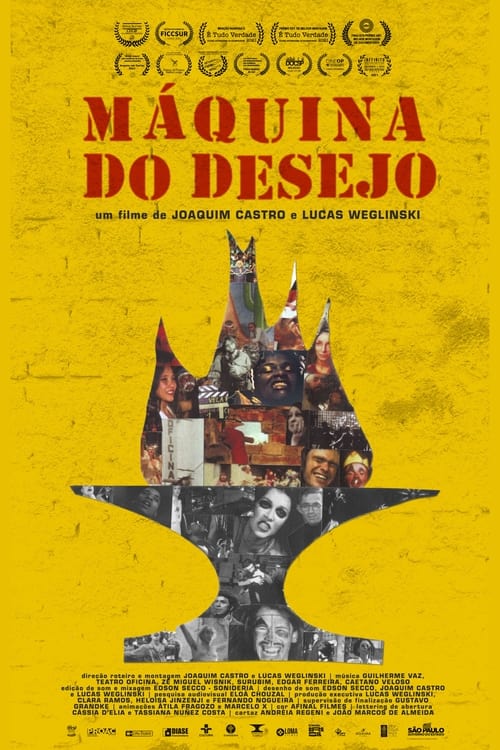
In six decades, Teatro Oficina has done more than revolutionize theatrical language in the country: the aesthetic influence of José Celso Martinez Corrêa's company extends from Tropicalism to the renewal of Brazilian audiovisual languages from the 1960s onwards. The film revisits a story that it involves personalities such as Caetano Veloso, Glauber Rocha, Lina Bo Bardi, Chico Buarque and Zé do Caixão, brings together scenic art, ecology, architecture and sexuality, and mixes art and life in the search for a Brazilian based language.
Subscribe for exclusive insights on movies, TV shows, and games! Get top picks, fascinating facts, in-depth analysis, and more delivered straight to your inbox.