
Action
Adventure
Animation
Comedy
Crime
Documentary
Drama
Family
Fantasy
History
Horror
Music
Mystery
Romance
Science Fiction
Thriller
War
Western
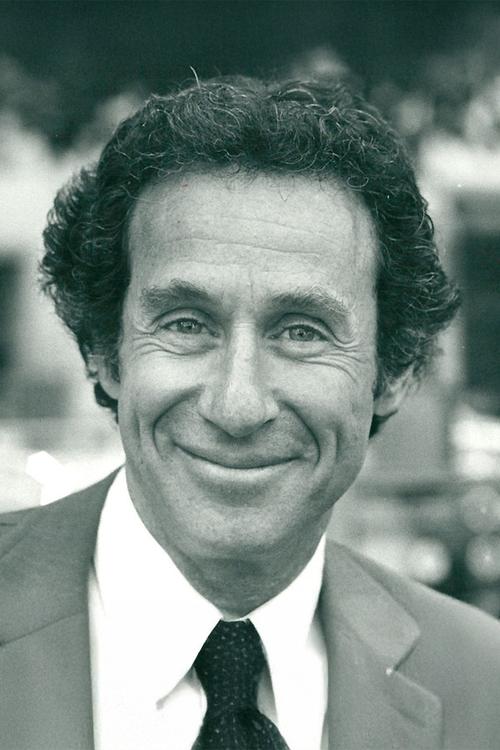
Arthur Hiller Penn (September 27, 1922 – September 28, 2010) was an American filmmaker, theatre director, and producer. He was a three-time Academy Award nominee for Best Director, and a Tony Award winner. Among other accolades, he was also nominated for a BAFTA Award, a Golden Globe and two Primetime Emmy Awards. Penn first achieved prominence as a theatre director, winning a Tony Award for Best...
Not available
Enjoying the content? Support us!
Enjoying the content? Support us!
Explore all movies appearances
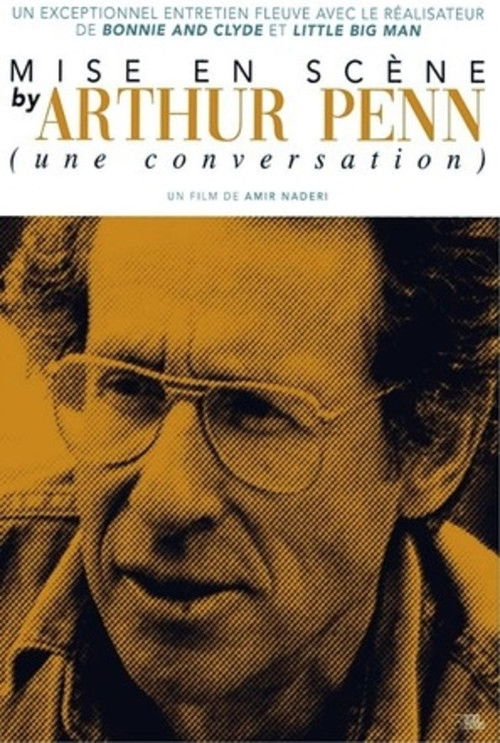
The life and work of Arthur Penn, whose films like "Bonnie and Clyde" helped shape the conversation around violence in America and its movies.
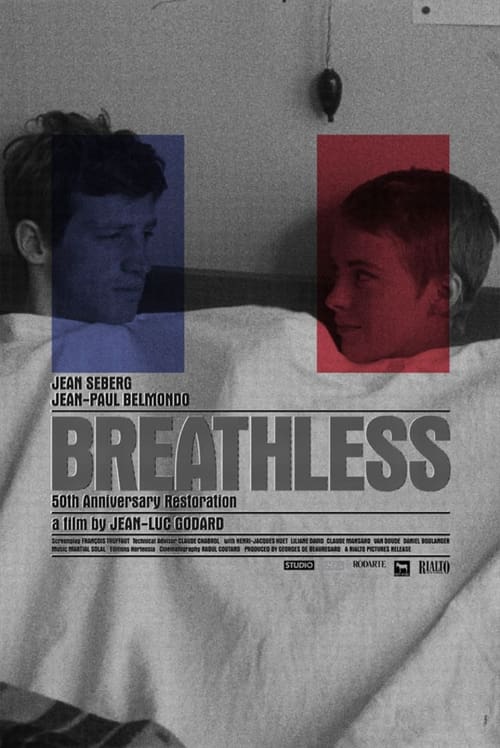
Documentary by Luc Lagier exploring Godard's career as a filmmaker, the production of Breathless and his influence and his relationship with American cinema.
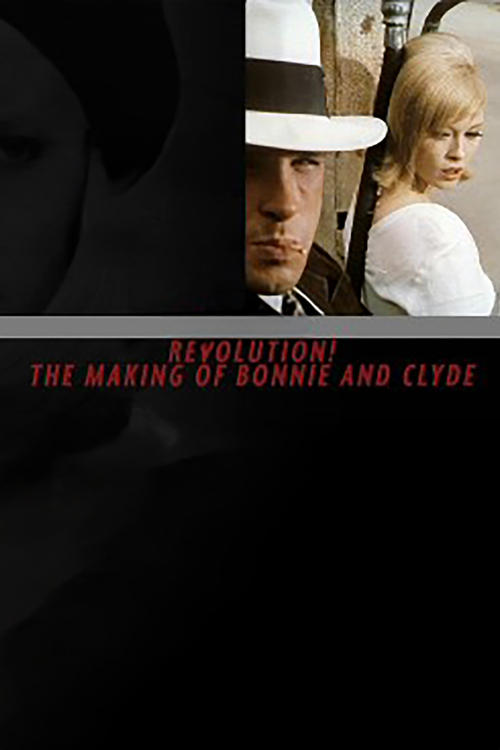
The making-of documentary of Bonnie and Clyde.
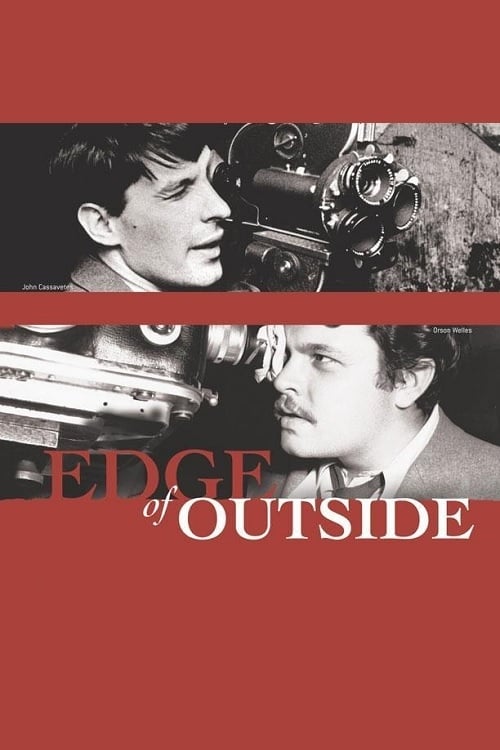
An hour-long documentary designed to celebrate the spirit of the independent filmmaker from D.W. Griffith to Quentin Tarantino. Interview footage and film clips are blended together to form a chronological approach to the subject matter.
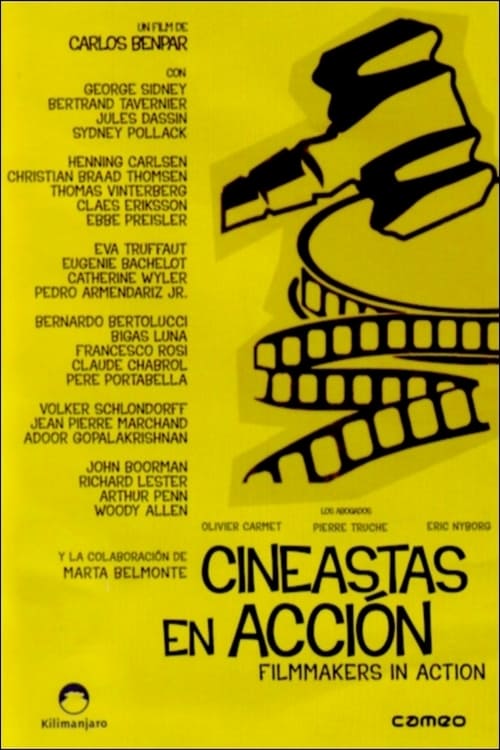
What is the state of cinema and what being a filmmaker means? What are the measures taken to protect authors' copyright? What is their legal status in different countries? (Sequel to “Filmmakers vs. Tycoons.”)
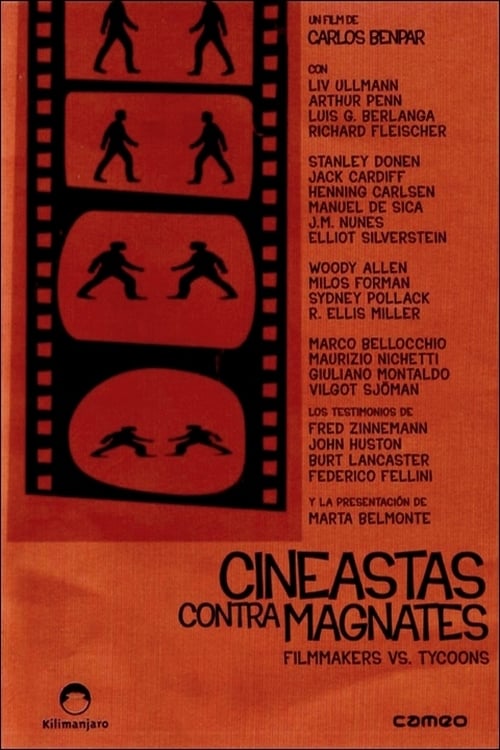
How the cinema industry does not respect the author's work as it was conceived, how manipulates the motion pictures in order to make them easier to watch by an undemanding audience or even how mutilates them to adapt the original formats and runtimes to the restrictive frame of the television screen and the abusive requirements of advertising. (Followed by “Filmmakers in Action.”)

The chronicle of the mind-blowing journey that was Hollywood during the seventies; the true and gripping story of the last golden age of American cinema, an exalted celebration of creativity and experimentation; but also of sex, drugs and rock 'n' roll: a turbulent and dark tale of ambition, envy, betrayal, hatred and self-destruction.
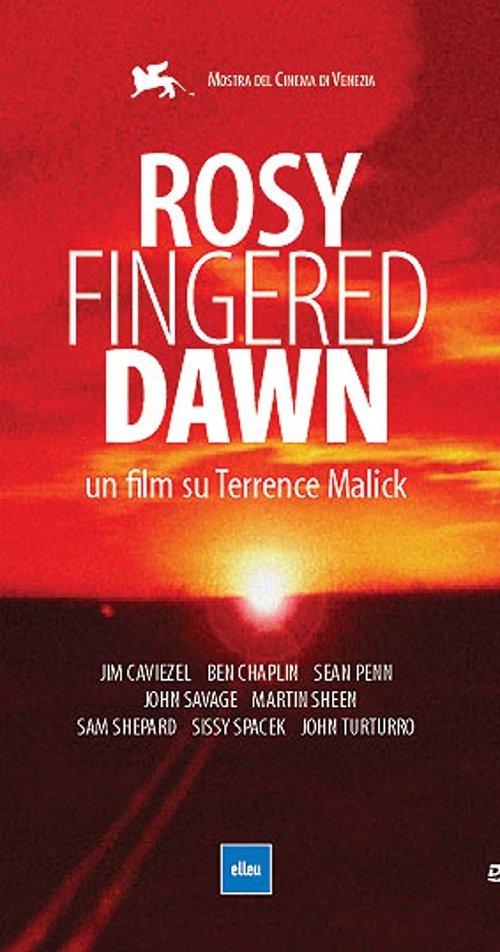
Rosy-Fingered Dawn is a film on Terrence Malick. It is about the making of BADLANDS, DAYS OF HEAVEN, THE THIN RED LINE and the personal involvement of some of the most representative figures of the American culture itself. This medley of voices has given origin to a journey throughout the whole United States, from California to Colorado, from Virginia to Minnesota, passing by New York and Los Angeles. Every stop represents an ideal set in which all the characters of the films come to life once again giving place to a growing flow of memories. The narrative dimension of Malick's cinema resounds and opens a new horizon on the visible contradictions of the American culture; no easy judgement but a critical consciousness is what emerges from this coral speech, together with a definite need: the necessity of art. A need that Terrence Malick was able to satisfy.

illustrates how directors pushed boundaries and altered the art of filmmaking during the turbulent, swinging 1960s. Narrated by Woody Harrelson, "Reel Radicals" features clips from such seminal films as Arthur Penn's "Bonnie and Clyde" (1967); Mike Nichols' "The Graduate" (1967); Dennis Hopper's "Easy Rider" (1969); John Frankenheimer's "The Manchurian Candidate" (1962); Stanley Kubrick's "Dr. Strangelove" (1964) and "2001: A Space Odyssey" (1968); John Schlesinger's "Midnight Cowboy" (1969); Richard Brooks' "Elmer Gantry" (1960) and "In Cold Blood" (1967); and Norman Jewison's "In the Heat of the Night" (1967) and "The Thomas Crown Affair" (1968). Frankenheimer, Jewison, Hopper, Schlesinger, Penn, Buck Henry, Paul Mazursky, Roger Corman and Arthur Hiller are among the filmmakers who discuss the decade.
In the Shadow of Hollywood examines this assault on our senses through interviews with directors, producers, writers and other experts in the film industry.
Subscribe for exclusive insights on movies, TV shows, and games! Get top picks, fascinating facts, in-depth analysis, and more delivered straight to your inbox.