Action
Adventure
Animation
Comedy
Crime
Documentary
Drama
Family
Fantasy
History
Horror
Music
Mystery
Romance
Science Fiction
Thriller
War
Western
Explore all movies appearances
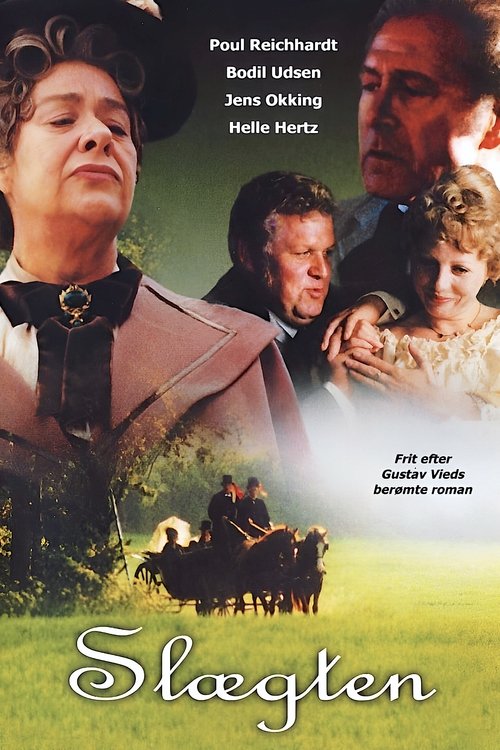
Anders Refn's film adaptation of Gustav Wied's novel stars Jens Okking and Helle Hertz in the leading roles as Baron Helmuth and his wife Alvilda. The baron is deeply enamored with his wife, but she is repelled by his blunt and coarse nature and is drawn to her cousin, who fulfills her desire for passionate romance.

A dramatized account of Denmark's first women's rights activist, Mathilde Fibiger. Based on letters and diaries, it depicts her life and views from the 1850s, when she published the controversial epistolary novel Clara Raphael, until 1872, when she died at the age of only 41.
In the wake of a divorce, Thelma now lives alone with her teenage daughter Irene. Somewhat overwhelmed by the situation (and initially often hiding in bed), the two women embark on new experiences. The contours of new identities and a firmer footing as individuals gradually emerge.
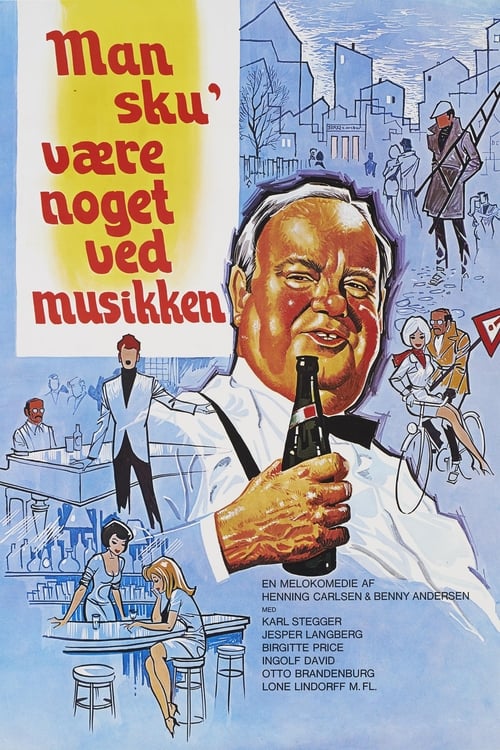
This is a film about the stuff dreams are made of, yet, there is nothing elevated in this concept, on the contrary. The characters around the bar Strudsen (the ostrich) are doing what ostriches do, hiding themselves from the threats of life and keeping their dreams to themselves. Scriptwriter Benny Andersen being a poet is rendering a loving portrait of a number of persons, who fail to try to make their dreams come true, possibly not being sufficiently dissatisfied with their life after all. The manager would like a bar of his own but dare not admit to it, the butcher would like to be an opera singer, the window cleaner (sorry, window polisher) is secretly in love with the bar lady, but dare not show it and the pianist willingly listens to all the different dreams being presented to him. This film was the best accomplished movie from Henning Carlsen since his debut with 'Sult'.

Audun’s son is killed in an accident while the mother is in bed with her lover. Ten years later is Audun on the road living as a salesman and on the lone women that he meet and steal money from.
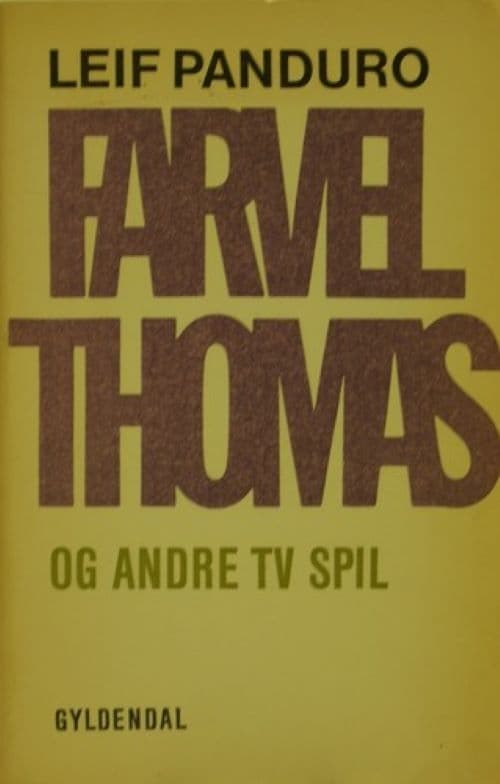
Thomas is newly divorced and is borrowing Bibi & Asger's apartment. He goes to the doctor because he is feeling unwell and is given some pills. At home, he gets drunk and is visited by his upstairs neighbor. At the same time, Thomas is being stalked by an unknown man on the phone. When Thomas meets Evy, he thinks they are going to have a nice evening, but she has other guests as well. After a night out on the town where Thomas gets drunk, he seeks out his divorced wife and begs her to come back.
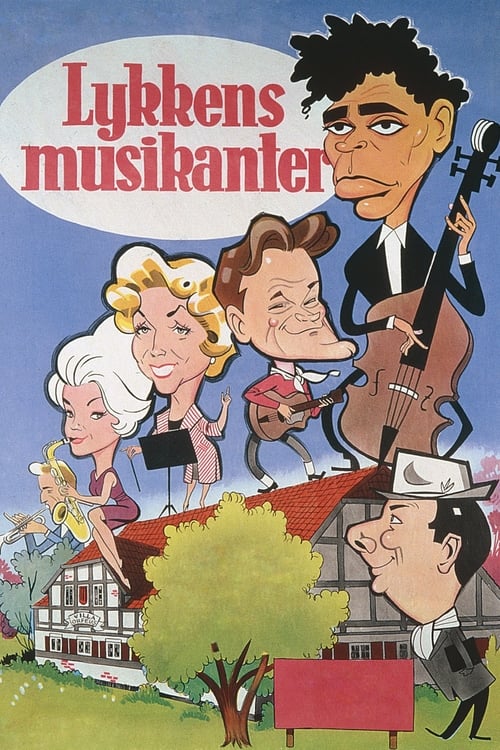
Villa Orfeus is a peculiar old house that has become a treasure for the neighborhood's residents. It is a sanctuary where the house's residents are allowed to be different, to be themselves in an alienated world. Lydia Wiljengren (Ellen Gottschalch), the widow of a wealthy music dealer, owns Villa Orfeus. She has gradually squandered her entire fortune on her fondness for musical people. The only condition for living in the house is that they can either play an instrument or sing.
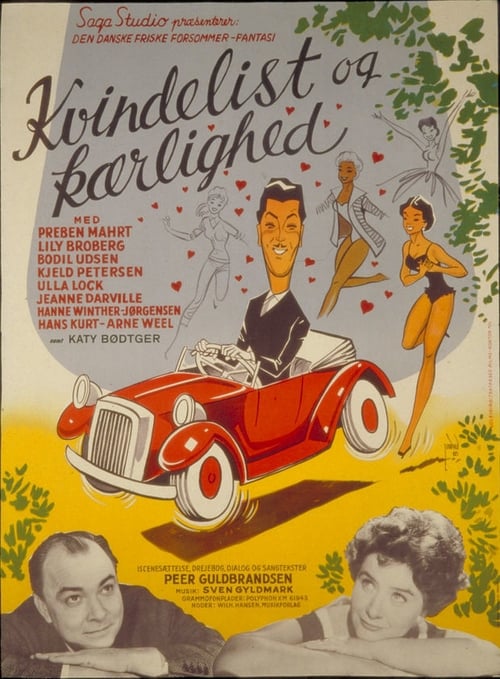
He is very happy – and proud! For he believes that he is a great, great hunter who brings home his beautiful prey, Eva. But she knows better, and so do her three sisters, who show up for the wedding, for girls naturally know everything there is to know about women's wiles and love. With a totally confused but sympathetic smile for the three unhappy women he did not get, he flees with his young bride. In return, the three amuse themselves by telling each other the true story—how things really went with the young couple—and the winding paths he took to reach his wedding. For it has always been the prey that has hunted the hunter, and – without him ever suspecting it – he has been more of a plaything than a Don Juan. What the girls "confess" to each other is not boring—it is a comedy—which, admittedly, is not about "that's how women are"! At most, it is about how women are like that too!
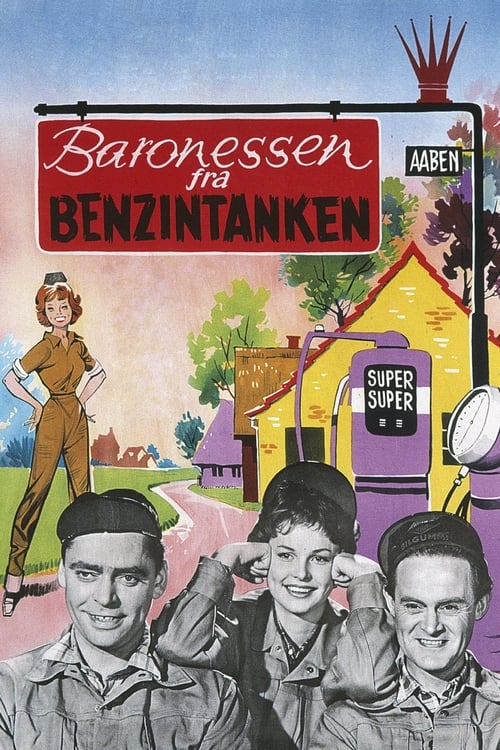
The film begins with Baron von Rosensteen's funeral. As Rosensteen has no heirs, the old Rosensteen Castle is to be inherited by the Rabenfeldt family. Supreme Court Attorney Berg visits the widow baroness about a document found among the papers of her son, the deceased baron. It turns out that the baron had a child out of wedlock with a non-noble woman. The widow baroness and the Supreme Court attorney decide to find the child, as this would mean that an heir to the castle had been found. The child turns out to be a girl named Anne Tofte, who works at a gas station with her uncle Lars Tofte and his colleague Hans Høy. They persuade Anne to live with the baroness for a while, which she is not very keen on. The widow tries to teach Anne to be a fine lady, rather than the tomboyish workshop mechanic her uncle had raised her to be.
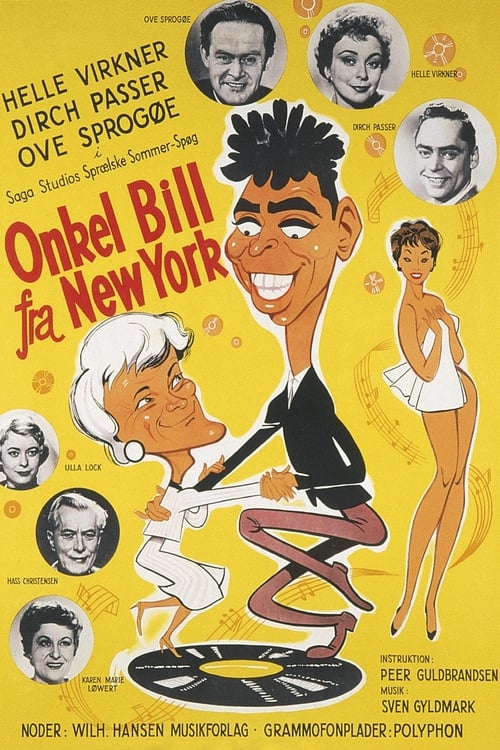
Hans Høj is the director of Music-Boxen. He also has an uncle, Uncle Bill. Uncle Bill is the super-duper CEO of the Music-Boxen group, which is based in New York, and Hans is the director of the Danish branch because Hans is Bill's nephew. That's right! Hans also has a lovely wife, Susanne, whom he has loved for three months, argued with for three months, and who has therefore moved away from him—every day—for three months. That's right! Susanna has a sweet and understanding mother, Helga. Uncle Bill has a sweet and uncomprehending daughter, Kate. Finally, there is the sweet, talented, and understanding head of the Danish branch of Music-Box, Johnny.
Subscribe for exclusive insights on movies, TV shows, and games! Get top picks, fascinating facts, in-depth analysis, and more delivered straight to your inbox.