
Action
Adventure
Animation
Comedy
Crime
Documentary
Drama
Family
Fantasy
History
Horror
Music
Mystery
Romance
Science Fiction
Thriller
War
Western
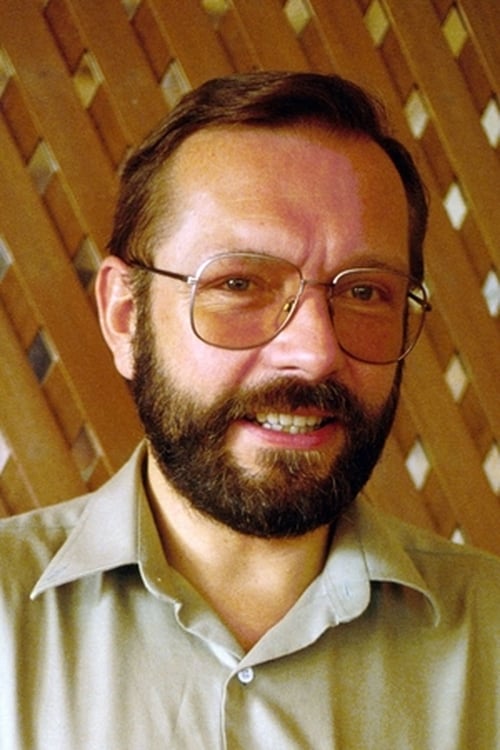
From Wikipedia Krzysztof Zanussi, (born 17 June 1939) is a Polish film and theatre director, producer and screenwriter. He is a professor of European film at the European Graduate School in Saas-Fee, Switzerland where he conducts a summer workshop. He is also a professor at the Silesian University in Katowice.
Explore all movies appearances
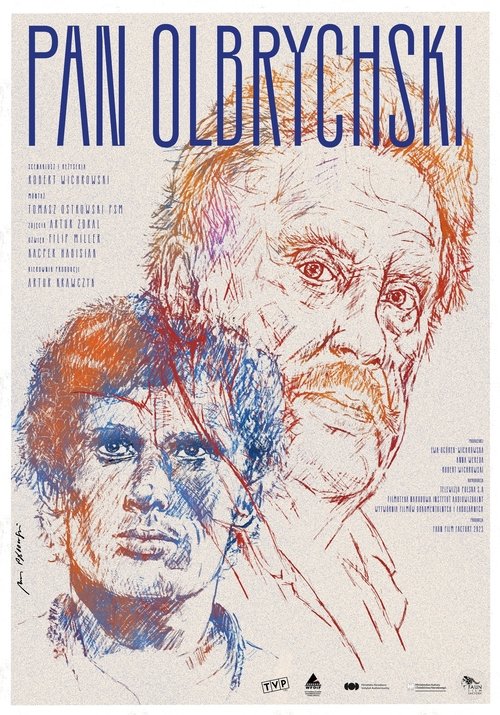
Biographical documentary film presenting the silhouette and artistic path of the outstanding actor Daniel Olbrychski. The narrative of the main character is confronted with his colleagues and friends, in contemporary interviews, including: with Krystyna Janda, Jerzy Hoffman, Krzysztof Zanussi, Volker Schlondorff and Adam Michnik. The archival materials will include statements and excerpts from the realization of scenes from Andrzej Wajda's films. The film roles of the main character are intertwined with his private life.
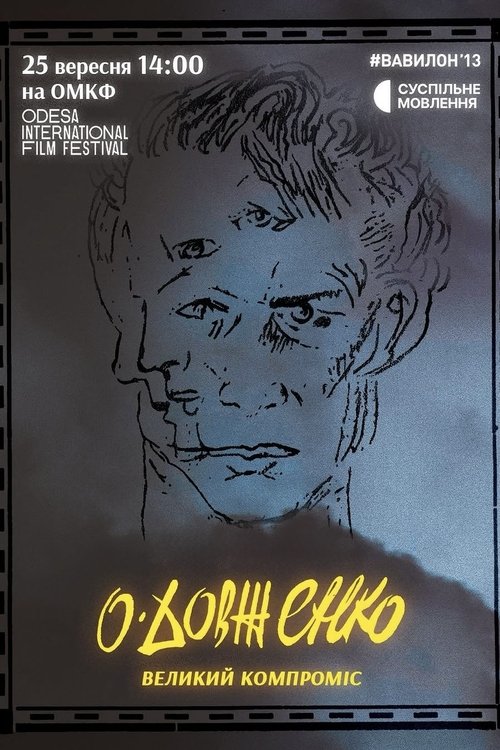
This film, marking the 130th anniversary of Oleksandr Dovzhenko's birth, reveals the artist's controversial path—from his first attempts at cinema to the creation of masterpieces that became symbols of Ukrainian poetic cinema. The authors show his ability to maneuver between creative ambitions and the political demands of the era, remaining a unique figure in cultural history.

The film was inspired by one of the most important documentaries shot by Krzysztof Kieślowski, Talking Heads (1980). The director asked his interlocutors seemingly simple questions, such as “Who are you?” and “What do you want?”.
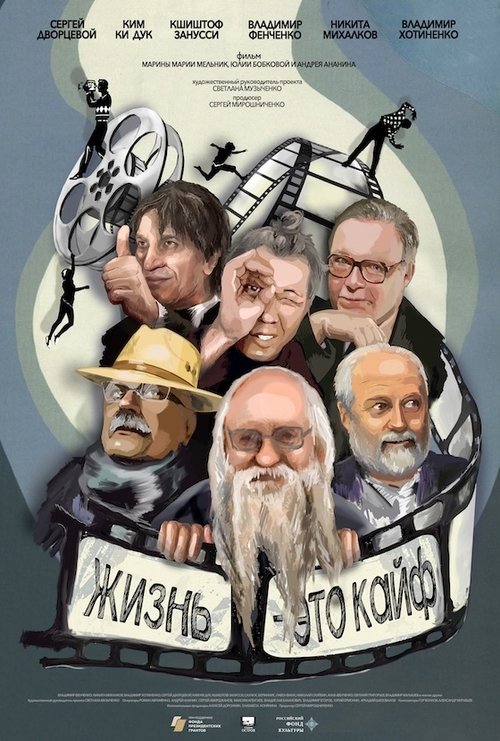
This is a story about an amazing person who devotes his life to his students. Vladimir Fenchenko lit the hearts of hundreds of young filmmakers with love for cinema.
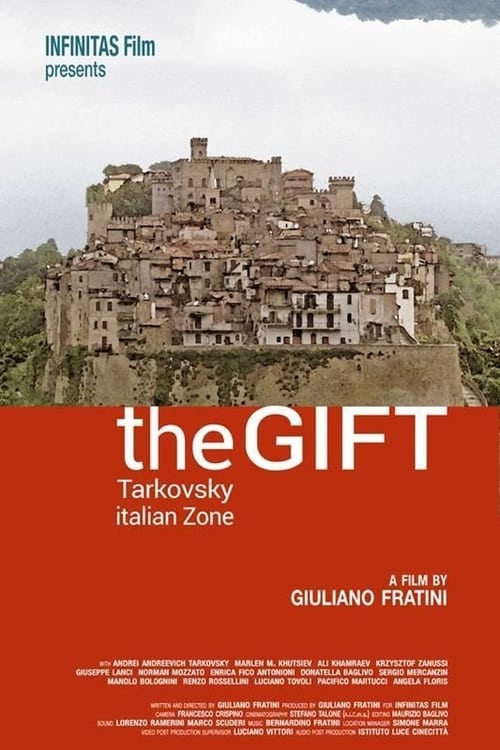
After the release of "Nostalgia", Andrei Tarkovsky runs out his Soviet authorities permission to work abroad: he has to go back home. But he understands from the messages of some friends and colleagues that his life in Russia would be even tougher than before. So he then decides to break with Soviet authorities and, a year before the Milan Conference of 1984 during which he will announce publicly his decision, he leaves his friends that are hosting him in Rome and takes refuge in a secret location.
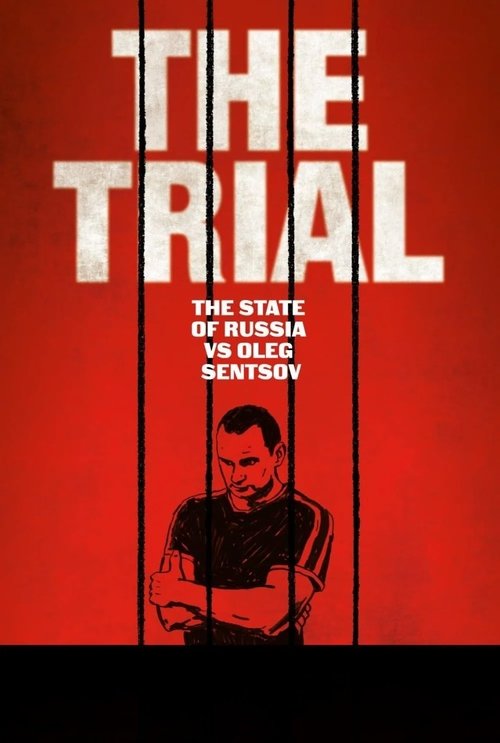
August 2015, a courtroom in Rostov-on-Don. A man is peering through the bars of his cage, his eyes reveal that his nerves are about to snap. Today he will be handed down a sentence to which he must submit: 20 years’ imprisonment in Siberia for terrorism. The man is Oleg Sentsov, a film director and Maidan activist born in Simferopol in the Ukraine. He is charged with leading an anti-Russian terrorist movement and having planned attacks on bridges, power lines and a monument of Lenin. Sentsov defends himself, courageously and without flinching. He responds to the verdict with an emphatic denial of his crimes and instead accuses the accusers themselves ...
A biographical documentary on Edward Zebrowski, a director, screenwriter, and educator. The film draws from his notes, revealing his thoughts on illness and history as human fate. Friends from the Film School in Lodz and the TOR Film Group, including Wojciech Marczewski and Agnieszka Holland, discuss his legendary status as a scandalmonger and thinker. His wives, Barbara Lisowska and Magdalena Jaworska, share intimate details of his life. Students Agnieszka Smoczynska and Adrian Panek speak respectfully of him. Zebrowski’s biography is complemented by excerpts from his school works and original films, with scenes featuring him in Zanussi’s films like “The Illumination.” Directed by Maria Zmarz-Koczanowicz, the documentary captures a reflective and nostalgic atmosphere, reflecting Zebrowski’s mature life and sense of lost opportunities.
Indian documentary about Indian film history and P. K. Nair, the founder of the National Film Archive of India and guardian of Indian cinema. He built the archive can by can in a country where the archiving of cinema was considered unimportant.
Director Krzysztof Zanussi's collaboration with Wojciech Kilar was a worldwide phenomenon. The artists' paths had already converged in the 1960s, and were not to part until Kilar's death. The composer wrote music to the young filmmaker's debut picture Struktura kryształu / The Structure of Crystals (1969), and Zanussi was so impressed with both the soundtrack and Kilar's understanding and general savvy that he kept submitting his artistic proposals only to him. As a result this outstanding duo completed over forty feature films, as well as documentaries and television works. In a short story by Krzysztof Zanussi we learn more about this unique, long-term cooperation.
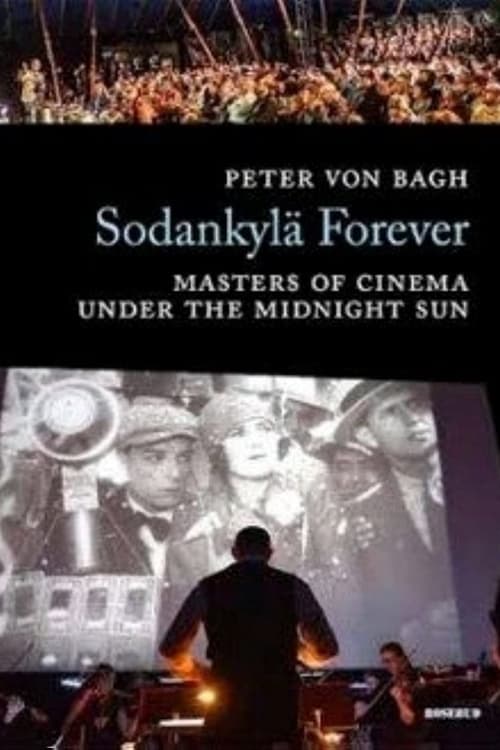
The Midnight Sun Film Festival is held every June in the Finnish village of Sodankylä beyond the arctic circle — where the sun never sets. Founded by Aki and Mika Kaurismäki along with Anssi Mänttäri and Peter von Bagh in 1985, the festival has played host to an international who’s who of directors and each day begins with a two-hour discussion. To mark the festival’s silver anniversary, festival director Peter von Bagh edited together highlights from these dialogues to create an epic four-part choral history of cinema drawn from the anecdotes, insights, and wisdom of his all-star cast: Coppola, Fuller, Forman, Chabrol, Corman, Demy, Kieslowski, Kiarostami, Varda, Oliveira, Erice, Rouch, Gilliam, Jancso — and 64 more. Ranging across innumerable topics (war, censorship, movie stars, formative influences, America, neorealism) these voices, many now passed away, engage in a personal dialogue across the years that’s by turns charming, profound, hilarious and moving.
Subscribe for exclusive insights on movies, TV shows, and games! Get top picks, fascinating facts, in-depth analysis, and more delivered straight to your inbox.