
Action
Adventure
Animation
Comedy
Crime
Documentary
Drama
Family
Fantasy
History
Horror
Music
Mystery
Romance
Science Fiction
Thriller
War
Western

Magdalena Nile del Río, stage name Imperio Argentina (Buenos Aires, December 26, 1910-Torremolinos, August 22, 2003), was an Argentine actress, singer and dancer.
Explore all movies appearances
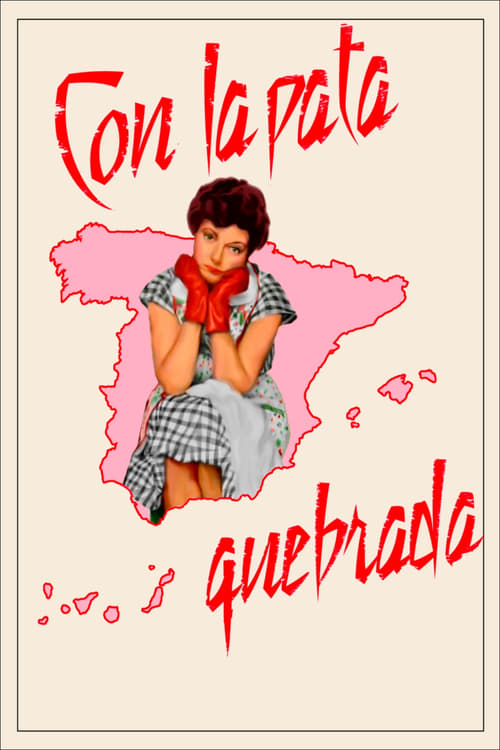
What was the role of women in Spanish cinema from the 1930s to the present explained through fragments of different films, both fiction and non-fiction. (Followed by “Manda huevos,” 2016.)

The longing and critical review of the copla is lived through the history of the marqués de Almodóvar, a passionate ambassador who organized Franco's folkloric festivals; generous, womanizer, excessive, wasteful, himself the protagonist of his own copla. In love in his youth with a Concha Piquer chorus girl, he dedicated his life to collecting fetishes and memories of all the cante divas with which to organize a sentimental museum in his decaying castle, filling it with showcases where he could store his longings. When he died, destitute, in the pension of his last mistress, also a cupletist, she disputes her legacy with the housekeeper who took care of him and her picturesque collections all her life. family castle. A dear diplomatic friend recalls his fanciful existence emotionally. An aesthetic that is part of the feeling of the Andalusian people. And as a common thread "Ojos Verdes", the most beautiful song of songs of his rich songbook.
No plot available for this movie.
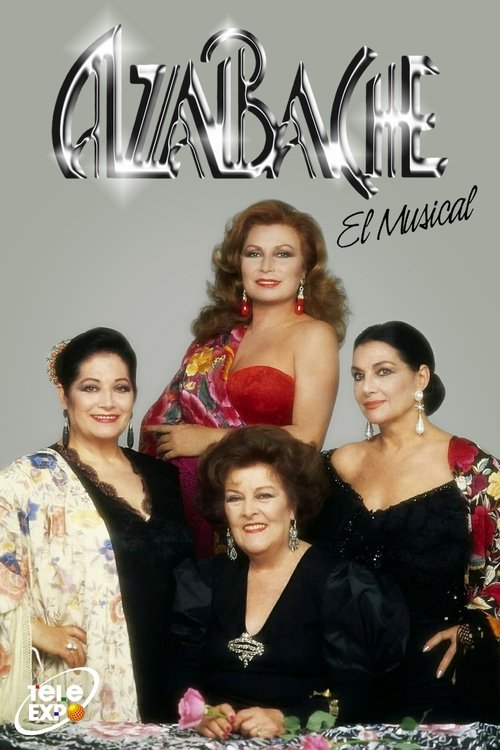
A homage to the Andalusian Copla produced for the Seville Expo 92. The so-called musical featured four of the most prominent Copla singers: Imperio Argentina, historic actress and then retired singer, Rocío Jurado, the biggest name at the time, Juanita Reina representing Sevilla and Nati Mistral representing Madrid, plus the newcomer María Vidal.
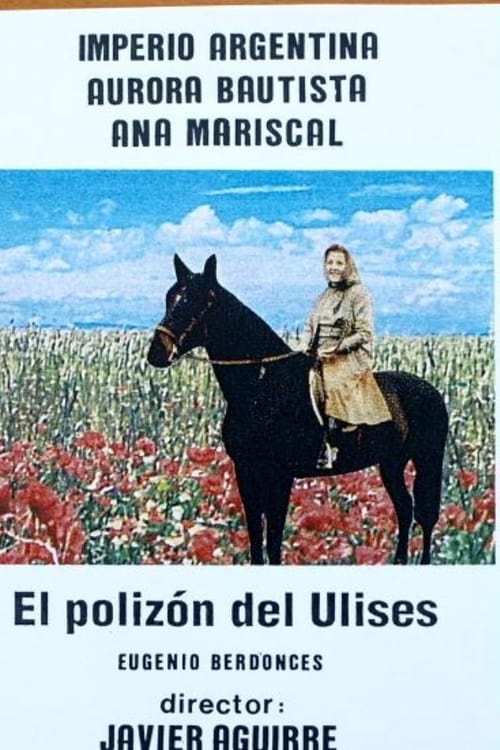
No plot available for this movie.
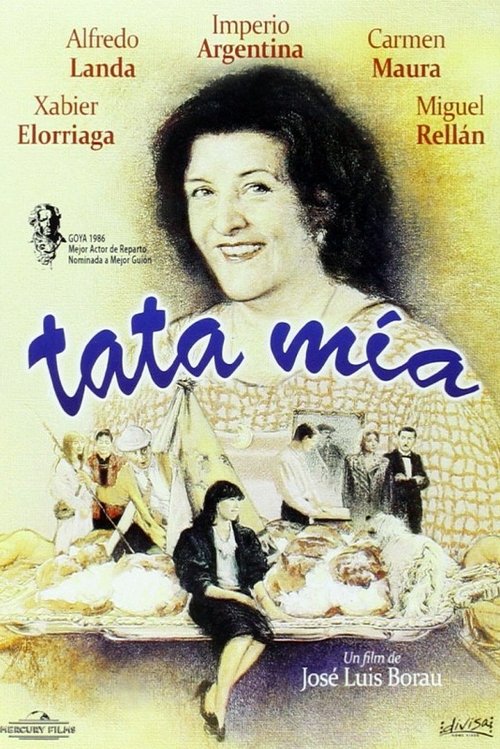
Elvira, daughter of a disgraced military, who entered a convent at a young age leaves him and returns home to settle in Madrid with his beloved nanny, seeking help to overcome their crisis. However, the country has changed so much in his years of confinement that has little or nothing to do with his childhood memories ...

A particular reading of the hard years of famine, repression and censorship after the massacre of the Spanish Civil War (1936-39), through popular culture: songs, newspapers and magazines, movies and newsreels.
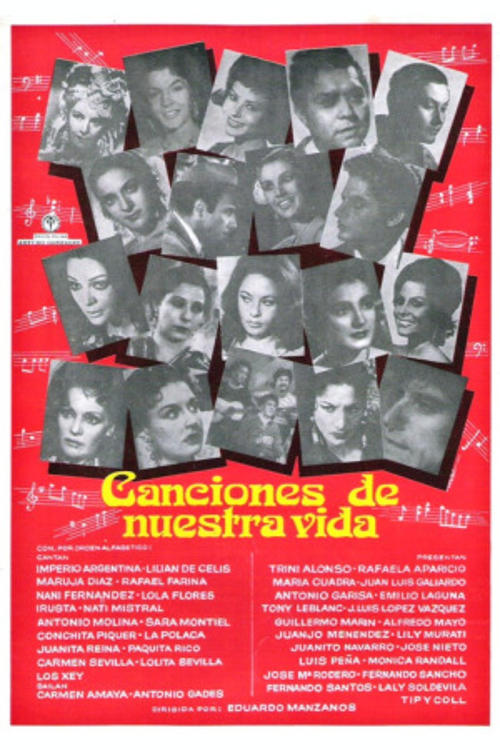
No plot available for this movie.
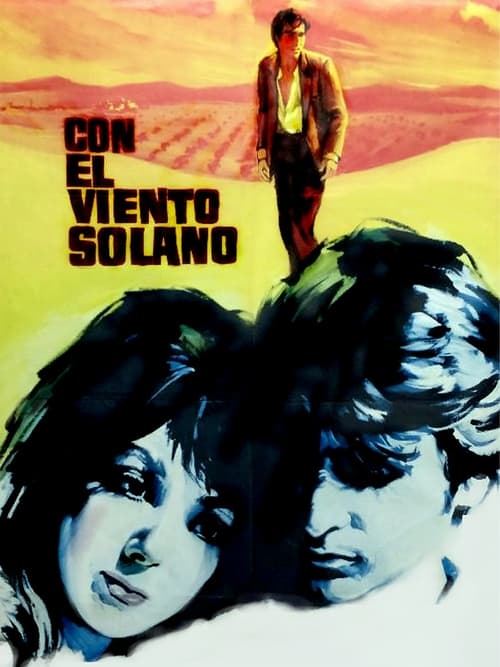
The life of Sebastián, a 28-year-old Roma, changes drastically after he kills a man. From that moment, he must flee, experiencing the torments of loneliness, guilt, and the rejection of his people.
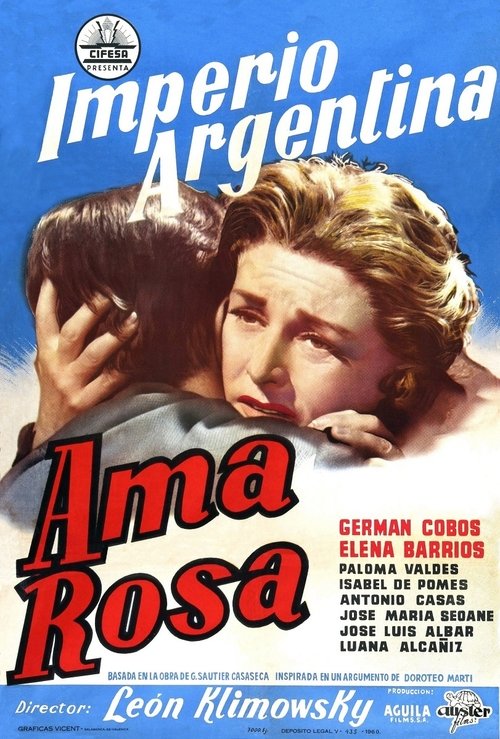
Rosa gives birth to a child who, by circumstances of life, is given for adoption to a wealthy family who lost theirs during childbirth. Soon, Rosa will be working for the new family of his son and, so, without anyone knowing, will give him all her love.
Subscribe for exclusive insights on movies, TV shows, and games! Get top picks, fascinating facts, in-depth analysis, and more delivered straight to your inbox.