Action
Adventure
Animation
Comedy
Crime
Documentary
Drama
Family
Fantasy
History
Horror
Music
Mystery
Romance
Science Fiction
Thriller
War
Western
Explore all movies appearances

Based on 'Il fu Mattia Pascal', one of Pirandello's many stories concerning the transitory nature of the intangibles "truth" and "identity". Mattia Pascal is a downtrodden average man, treated like trash by his fiancée, scorned by his associates, and cheated out of his inheritance by contemptuous relatives. The dispirited Pascal heads to Monte Carlo, accruing a fortune and also assuming the identity of a less fortunate gambler who killed himself. The "new" Pascal is treated with a dignity and respect that overwhelms him--and nearly kills him.
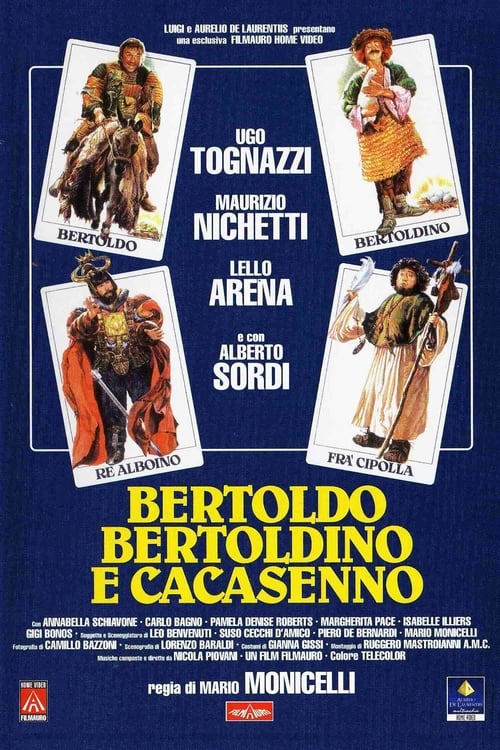
During the reign of King Alboin, the peasant Bertoldo, sly and smart, manages to always get away with pranks and pleasantires with great mastery, and, even if his clumsy wife Marcolfa and their foolish son Bertoldino always put him in trouble, his shrewdness and acumen save him from any unfortunate situation...

Sandro is a Roman adrift in Venice during the Carnival. After sixteen years of marriage, Sandro can no longer reconcile his spontaneous and lively character with that of his wife Laura, a cultured and composed Venetian woman. Yet another argument prompts him to leave her and seek refuge at the home of a painter friend. Among his many paintings, he notices one depicting a naked woman who bears an incredible resemblance to his wife. Are they two women or one, and in the masquerade of the Carnival, what is real?

The movie is basically two unrelated comedic features: the first one features the travails of a man who stutters and tries to woo a woman he wants to date. The second features the wonderful Renato Pozetto as a gay man who lives with a partner, but finds himself falling for a woman, and not knowing how to tell his partner, who is prone to melodrama.
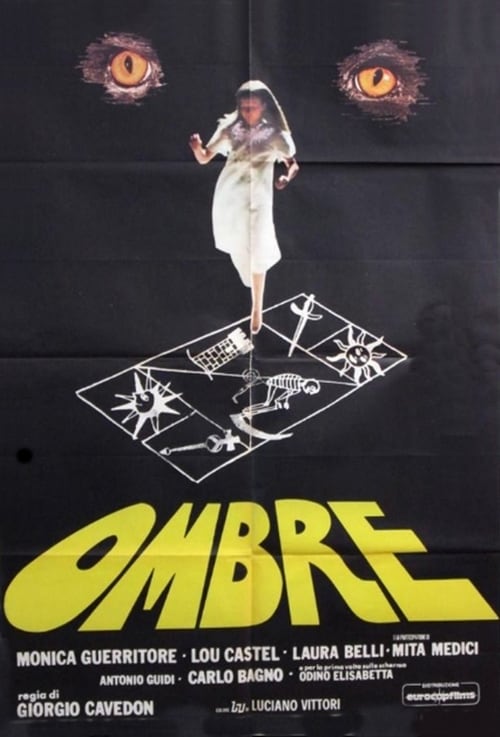
Renato, a depressed man with a troubled past, thinks his luck has finally changed when he meets the wonderful Monica. Unfortunately, Monica currently occupies a home she believes is haunted by the malicious spirit of her dead grandfather. This psychological horror / drama was a flop in theaters and, to date, has only been issued a single time on a home viewing format (a VHS release in Italy).
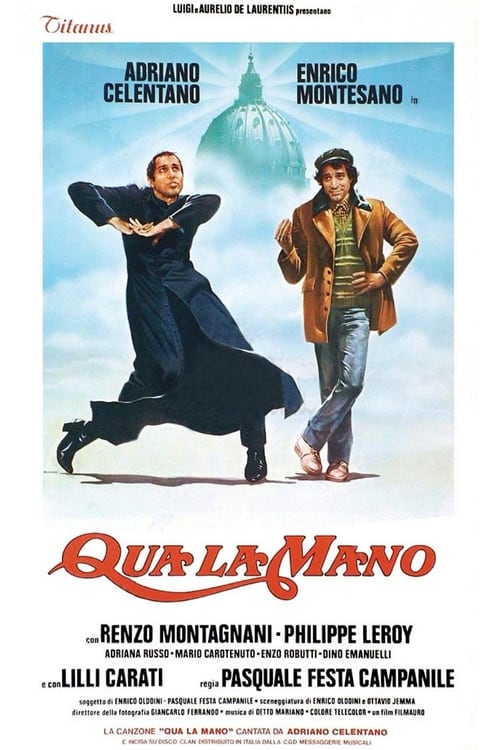
Two episodes: A roman coachman fulfills the dream of his life and meets the Pope. A priest crazy about dancing wins the first prize in a contest.
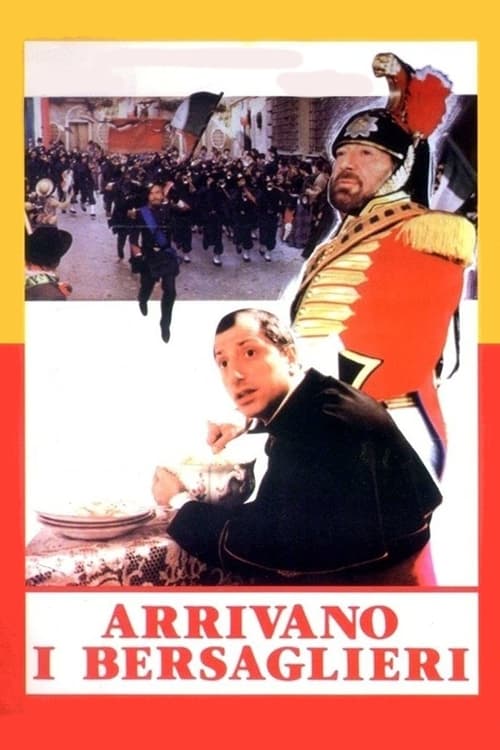
In the year 1870 Rome, then governed by the Pope, was captured by the Italian General La Marmora's troops. After the armistice, the Italian soldier Alfonso killed a Pope's soldier, the son of Don Prospero. Then he sought refuge in the house of Don Prospero himself. There Costanza and Olimpia, respectively the wife and the daughter of Don Prospero, fall for him. Then Gustavo, who knew that Alfonso had killed Don Prospero's son arrived in the house... Some things are going to happen

Guido is an international journalist with an unusually difficult relationship with his daughter, Mimi. He hasn't seen her for several years and has just taken her away from the boarding school she was immured in. She is now 15, and for some reason is doing everything in her power to get him to have sex with her. She even brings herself to orgasm while lying in the bed next to him. He goes nearly apoplectic trying to avoid her advances. Eventually, her school chum Therese comes to visit them, and Guido at last has a semi-suitable object for his by now quite overheated passions. The story is loosely based on a novel by Guido Morselli.
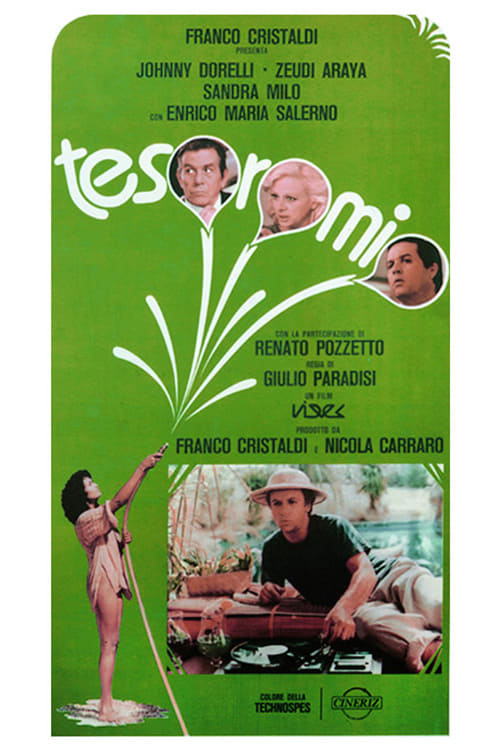
Playwright irreparable failure is betrayed by a concubine with the lawyer that finances the charade. But one day arrives at his house Honey, Eastern African domestic workers to first service, to boot, is a billionaire and of royal blood.
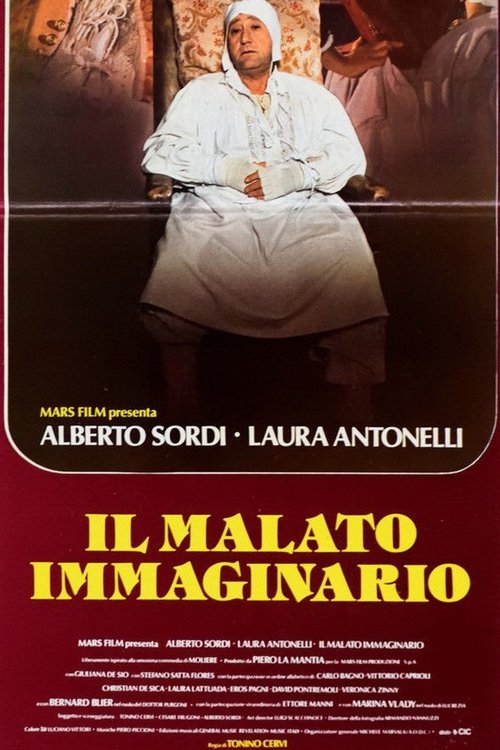
During the year 1673, Rome was besieged by poverty and violence. The rich Mr. Argante has two servants to look after him, while his wife is only waiting to see him dead to inherit.
Subscribe for exclusive insights on movies, TV shows, and games! Get top picks, fascinating facts, in-depth analysis, and more delivered straight to your inbox.