
Action
Adventure
Animation
Comedy
Crime
Documentary
Drama
Family
Fantasy
History
Horror
Music
Mystery
Romance
Science Fiction
Thriller
War
Western

Stan Brakhage is one of the most influential filmmakers in American avant-garde cinema, noted for his unflinching social commentaries and technical innovations. Over his nearly 40-year career, he has made over 200 films of varying length. He made his first film, Interim (1952) at age 18 after dropping out of college. Brakhage films seek to change the way we see. They encourage viewers to eschew tr...
Not available
Enjoying the content? Support us!
Enjoying the content? Support us!
Explore all movies appearances
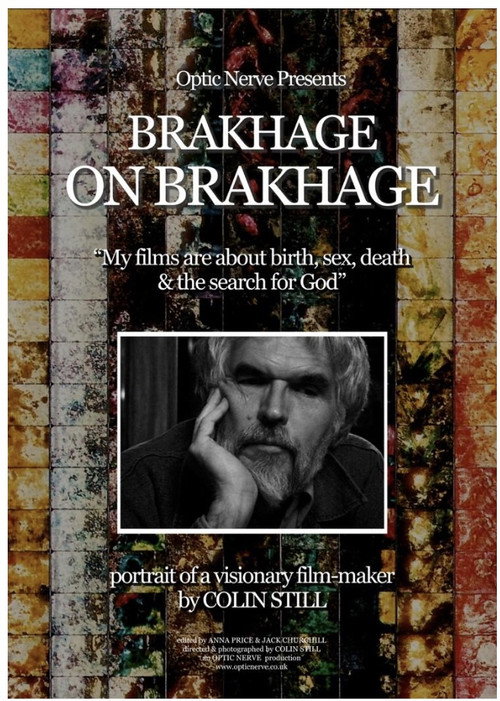
Working outside the mainstream, the wildly prolific, visionary Stan Brakhage made more than 350 films over a half century. Challenging all taboos in his exploration of “birth, sex, death, and the search for God,” he turned his camera on explicit lovemaking, childbirth, even autopsy.

This very special film features a carefully curated selection of some of the priceless messages that have graced Anthology’s voicemail system over the years. From the historically important to the utterly (and sublimely) absurd, they feature a cast of characters ranging from legendary avant-garde filmmakers, scholars, and other cultural figures to civilians whose legend has (until now) been confined to the offices of Anthology, thanks precisely to their witty, eloquent, eccentric – or in some cases unforgettably psychotic – voicemails. We’ve toyed with the idea of sharing these messages in some form for years, and the “Imageless Films” series provides a perfect pretext.
"Stan Brakhage’s films explode with sensual beauty: bursts of color heightened by extreme contrasts in hue and shape and by stunning depth effects; more monochromatic passages of nonetheless equal intensity that sensitize one to the glories of tiny differences; nearly flat, slowly changing fields of color that wave like blankets in the wind, only to be interrupted by a cut that opens up a vast space; rapid explosions of paint that seem just on the cusp of suggesting a nameable object. The viewer is taken through such complexities of experience that the effect is a little like having one’s eyes flushed out." Fred Camper (2010)
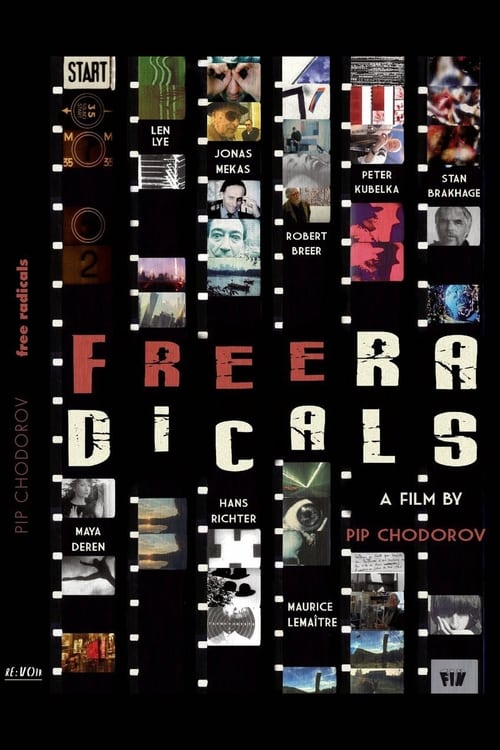
Experimental filmmaker Pip Chodorov traces the course of experimental film in America, taking the very personal point of view of someone who grew up as part of the experimental film community.
A young woman stands by a car while scenes from metropolitan life flash by.
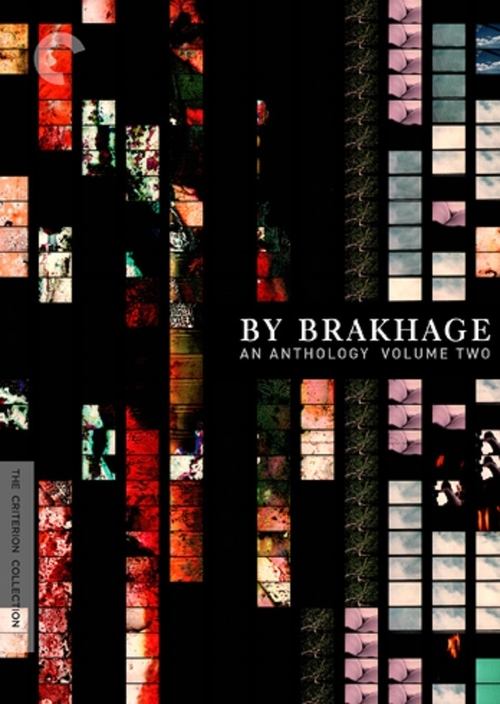
In Criterion’s first volume of the anthology By Brakhage, we brought twenty-six astonishing works by the avant-garde film pioneer Stan Brakhage to home video for the first time. Now, in this second installment, we are proud to present thirty more of Brakhage’s visionary creations, from 1950s films to his final work, from 2003, curated by his wife, Marilyn Brakhage. Highlights of this collection include the war meditation 23rd Psalm Branch; hand-painted films from Persian Series; The Wonder Ring, made for a commission by Joseph Cornell; the autobiographical Scenes from Under Childhood, Section One; and the found-footage film Murder Psalm.
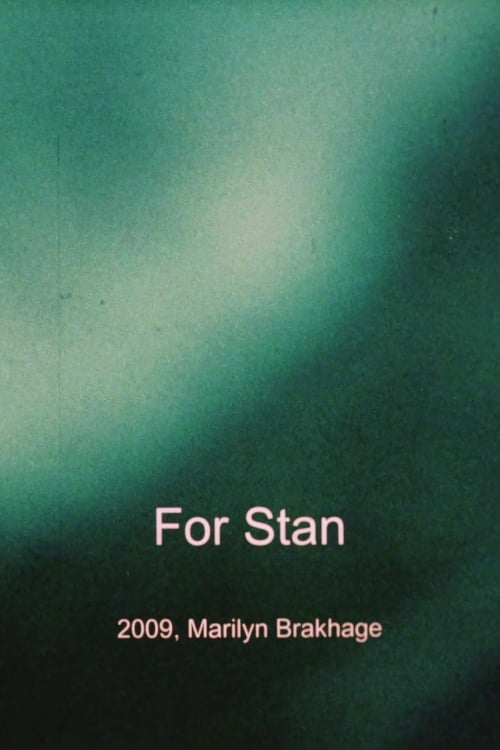
For Stan is a tribute film shot by Marilyn Brakhage of her husband at work with his camera in the late 1980s and early 90s – illuminating their close relationship.
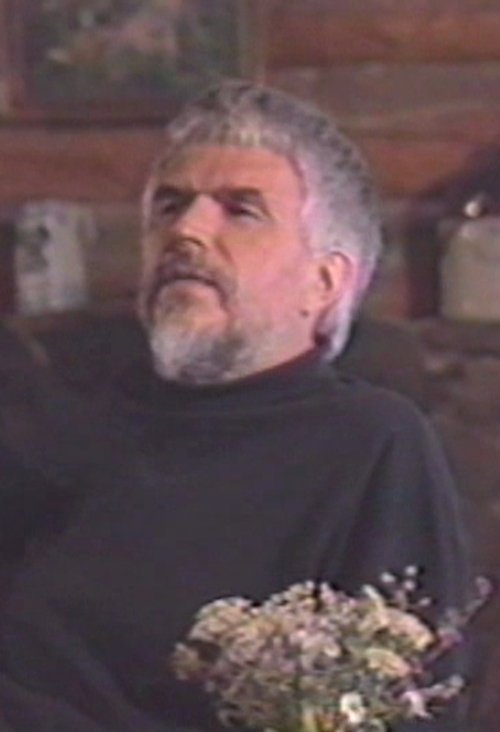
In 1958 R. Igor Gamow first met Jane Brakhage. Peter Garrity, in his new documentary film, "Dinner with Brakhage and Gamow" follows their life long friendship and, of course, the resulting deep friendships of their two extended families. In 1960 George and Igor Gamow and Stan Brakhage initiated a dialogue in an attempt to understand, on many different levels, the schism that existed and still exists between the Arts and the Sciences. These discussions occurred, often at dinner, continued for the some 50 years
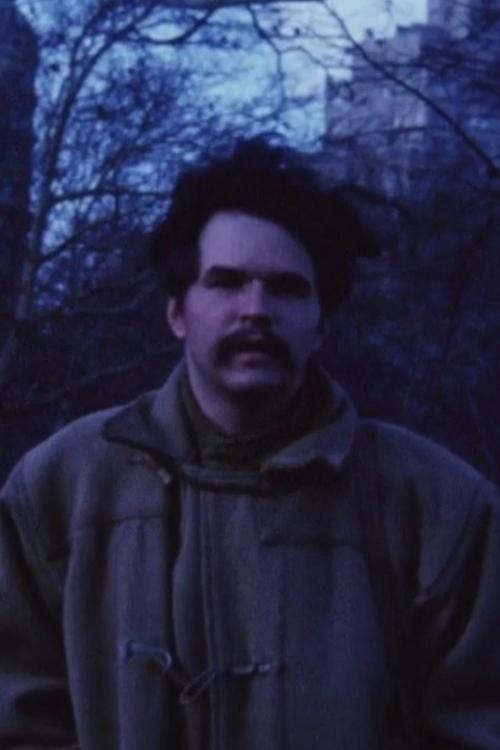
Clip from Walden.
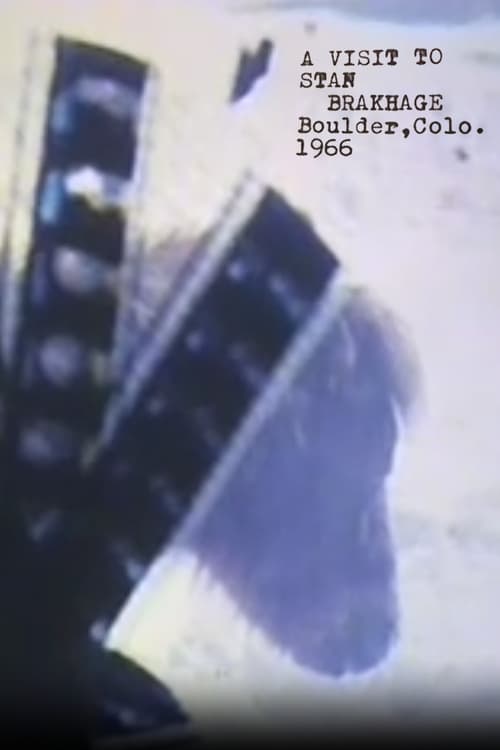
In late 1966 I visited Stan Brakhage in Rollinsville, Colorado. This is a portrait of Stan at home, with his family, his animals, and the surroundings, 9000 feet high. From the cycle of FIRST FORTY I made in late 2006 as an introduction to my work for my new, Internet audience. All of them are based on my earlier films but slightly, sometimes more than slightly, changed. I consider them works complete in themselves, seperate from the main body of my film work.
Subscribe for exclusive insights on movies, TV shows, and games! Get top picks, fascinating facts, in-depth analysis, and more delivered straight to your inbox.