
Action
Adventure
Animation
Comedy
Crime
Documentary
Drama
Family
Fantasy
History
Horror
Music
Mystery
Romance
Science Fiction
Thriller
War
Western
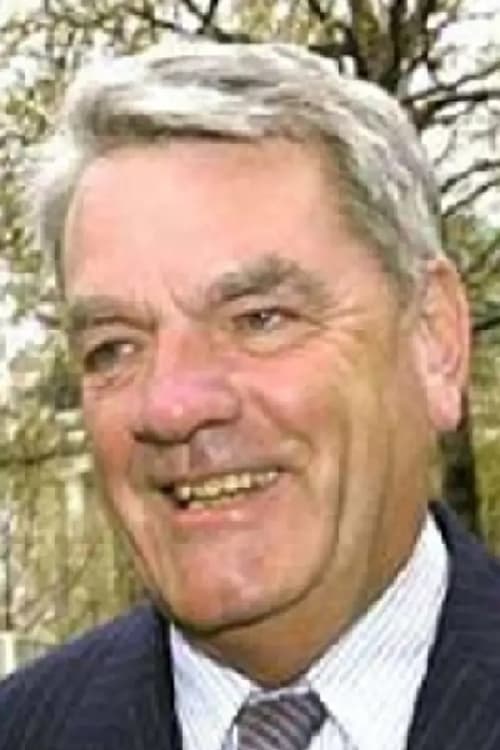
From Wikipedia, the free encyclopedia. David John Cawdell Irving (born 24 March 1938) was an English writer specializing in the military history of World War II. He is the author of 30 books on the subject, including The Destruction of Dresden (1963), Hitler's War (1977), Uprising! (1981), Churchill's War (1987), and Goebbels: Mastermind of the Third Reich (1996). His work on Nazi Germany became...
Not available
Enjoying the content? Support us!
Enjoying the content? Support us!
Explore all movies appearances
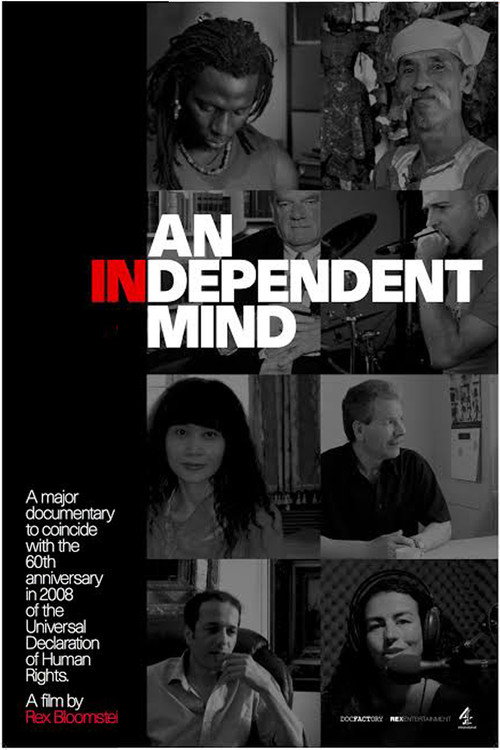
How do you deal with threats of imprisonment for drawing a cartoon of the president? What does it mean if you are thrown out of your country for singing a song? How does it feel to be condemned for denying the existence of the Holocaust? An Independent Mind explores one of the most important and controversial human rights: freedom of speech.Through testimonies from eight people who have experienced problems as a result of expressing their personal opinions, filmmaker Rex Bloomstein explores the limits of freedom of expression. It is not always easy to to find out where these are. Obviously, it is not difficult to empathise with Reggae singer Tiken Jah Kakoly, who was forced to flee his native Ivory Coast, or with the Algerian cartoonist Ali Dilem, who was condemned to nine years in jail. But does the same apply to Holocaust denier David Irving or the Basque rock group Soziedad Alkoholika that ridicules victims of ETA violence?

British historian David Irving scripted this two-hour video special, based on his book Hitler’s War. Researching, writing, and revising this book, he spent many years privately interviewing members of Hitler’s staff and his generals. When it appeared in 1977, it was an instant best-seller. This film version was broadcast many times on PBS in North America, and in countries around the world, including Israel. Combining Irving’s script with the film and newsreel footage of the time, the Edinburgh film company Lamancha closely collaborated with the author in the production of this film.
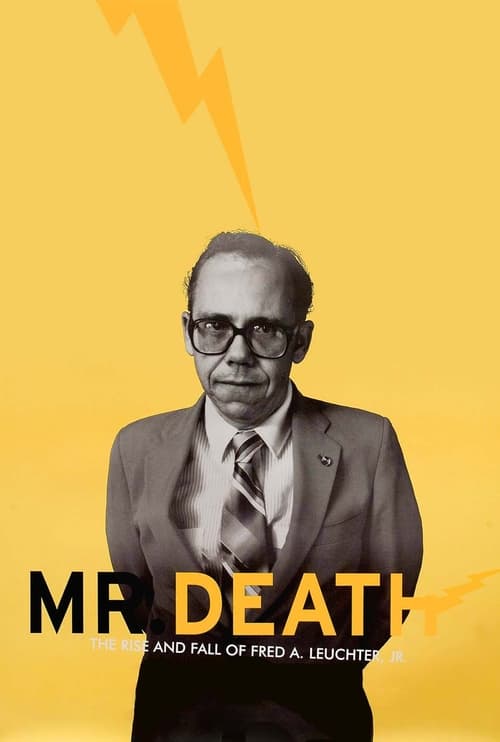
Documentary filmmaker Errol Morris investigates the case of a man who became an authority on capital punishment, but was discredited when he got involved on the wrong side of a court case. Leuchter, a meek man whose appearance belies his grim expertise, develops what he says is a more effective electric chair. Before long, he's in demand from officials who want his opinions on other execution methods. But when called to aid the case of an accused Holocaust denier, Leuchter's problems begin.
Based on interviews with leading Neonazis and Holocaust deniers, as well as archival material from conspiratorial meetings, the film briefly reveals the state of the German Neonazi scene.
Subscribe for exclusive insights on movies, TV shows, and games! Get top picks, fascinating facts, in-depth analysis, and more delivered straight to your inbox.