
Action
Adventure
Animation
Comedy
Crime
Documentary
Drama
Family
Fantasy
History
Horror
Music
Mystery
Romance
Science Fiction
Thriller
War
Western
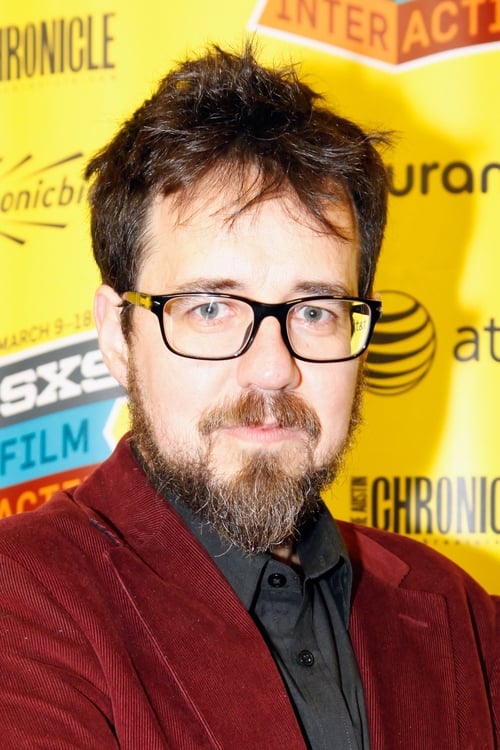
Paco Plaza is a Spanish film director, best known for writing and directing [•REC] and [•REC]² with Jaume Balagueró. He subsequently directed solo the third installment of the REC series: [•REC]³: Génesis, which is a sequel to the first two films.
Explore all movies appearances
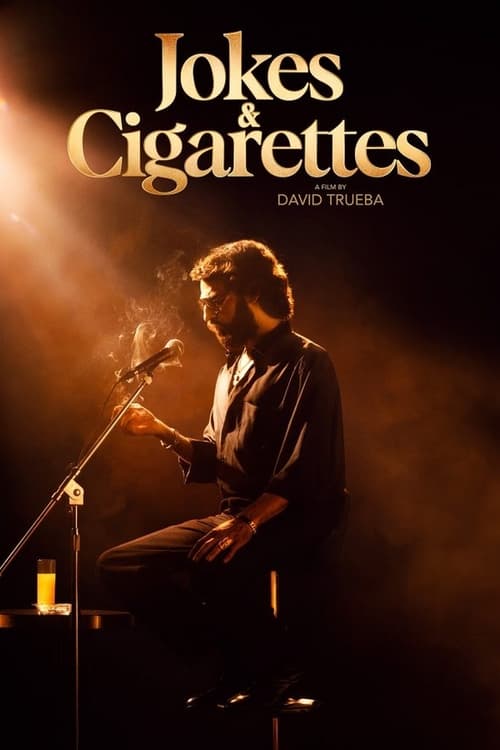
Barcelona, Spain, in the late sixties. Eugenio, a young jeweler who has fallen in love with Conchita, a singer, to the point of learning to play the guitar to accompany her in her performances, will first have to learn to overcome his stage fright.
![[REC]: Horror Without Pause](https://image.tmdb.org/t/p/w500/jme3yUGa0pVvYXOBTQxldfvny0n.jpg)
The horror film [REC] — directed by Jaume Balagueró and Paco Plaza, and released in 2007 — was an unprecedented triumph for Spanish fantasy cinema. Fifteen years later, those responsible for the creation and worldwide success of this cinematic milestone decode its keys and resurrect the myth.
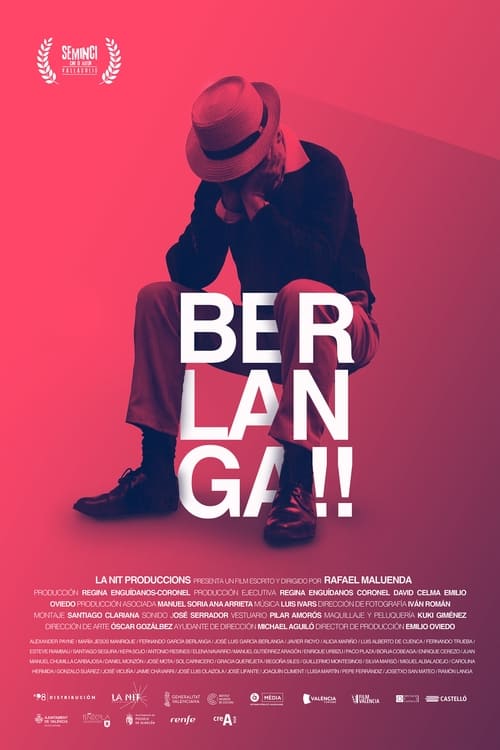
How does the vision of the brilliant Spanish filmmaker Luis García Berlanga (1921-2010) remain relevant in a time whose popular culture has little to do with his own? Since to understand the secrets of an artist it is essential to know the person behind, his family, his friends, his collaborators, as well as prestigious filmmakers and actors trace a collective portrait of a creator as singular as he is universal.

No plot available for this movie.

High Tension, Inside, Martyrs, Frontier(s) and Them. In the years of 2003 to 2008, those sensational and innovative horror movies were made and left huge impact around the world. This movement is called New Wave of French Horror. This film explores the meaning and hidden secrets of this significant movement.
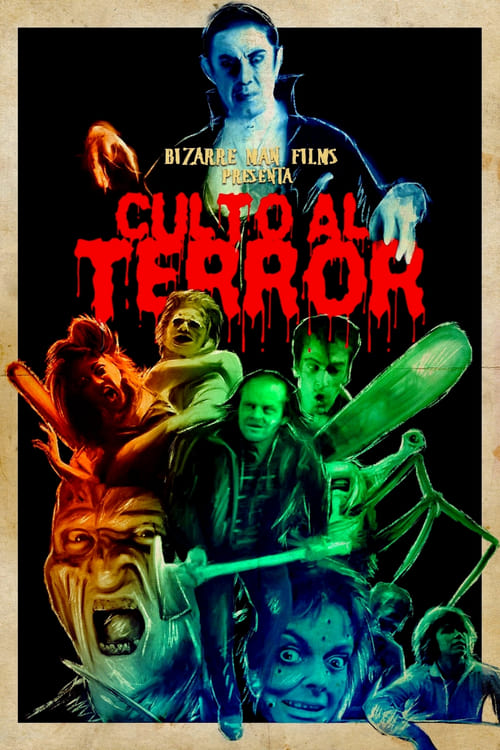
A journey of years through many countries and film festivals; a nostalgic, adrenaline-fueled and rock-spirited immersion into the universe of cinephilia, in search of genre specialists, fans and filmmakers who speak of their shared passion for fantastic cinema; a whole international spiritual community united under the cathartic shadow of horror.
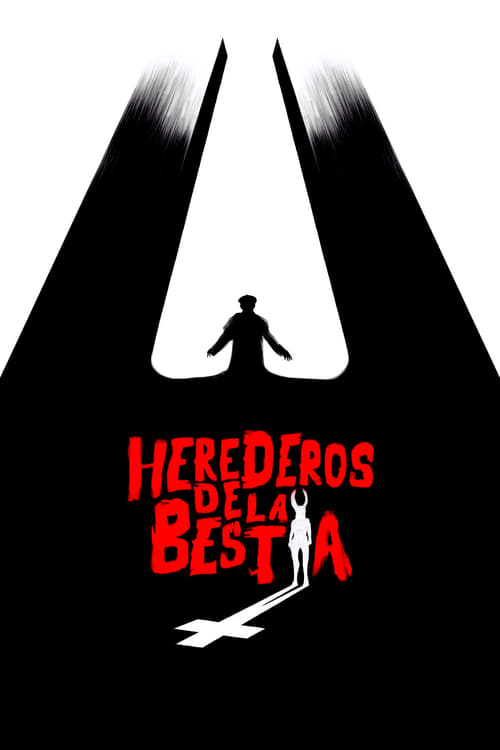
The story of the making and subsequent success of The Day of the Beast, the Spanish cult film directed by Álex de la Iglesia and released in 1995.
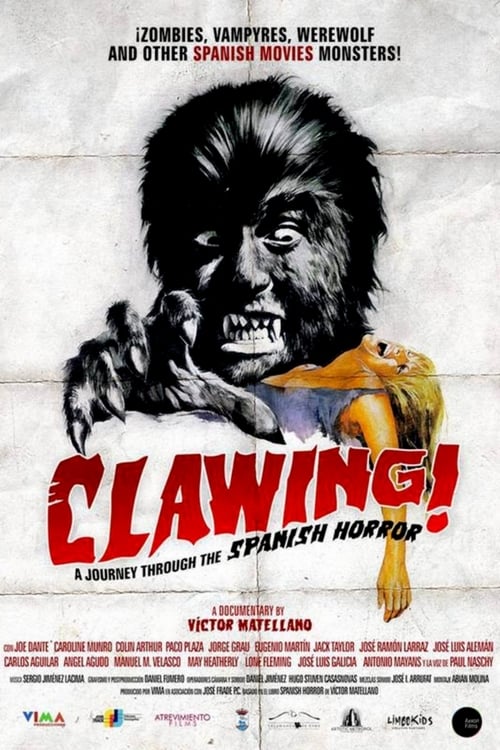
In the late sixties, Spanish cinema began to produce a huge amount of horror genre films: international markets were opened, the production was continuous, a small star-system was created, as well as a solid group of specialized directors. Although foreign trends were imitated, Spanish horror offered a particular approach to sex, blood and violence. It was an extremely unusual artistic movement in Franco's Spain.

No plot available for this movie.
In recent years, horror cinema has become an unavoidable phenomenon whether in America, Asia or Europe. Zombies, viruses and apocalypses have become familiar elements of popular culture. What do the horror films of the 2000's reveal about our world, about our politics, about ourselves? Why such a revival of horror today?
Subscribe for exclusive insights on movies, TV shows, and games! Get top picks, fascinating facts, in-depth analysis, and more delivered straight to your inbox.