
Action
Adventure
Animation
Comedy
Crime
Documentary
Drama
Family
Fantasy
History
Horror
Music
Mystery
Romance
Science Fiction
Thriller
War
Western
Explore all movies appearances

The Life of Mirrors is one of the sections of the exhibition Luis Miguel Cintra - Small Theatre of the World. A commission by Serralves Foundation to Regina Guimarães and Saguenail, and constructed after an unpublished interview with Luis Miguel Cintra, this film is the result of a long and painstaking exercise of selecting and editing excerpts from films by Manoel de Oliveira in which Cintra participates as an actor. In this way, The Life of Mirrors is a reflective, retrospective essay film, which opens the Carte Blanche, thus establishing a gateway to Luis Miguel Cintra's cinematographic and cinephile career.
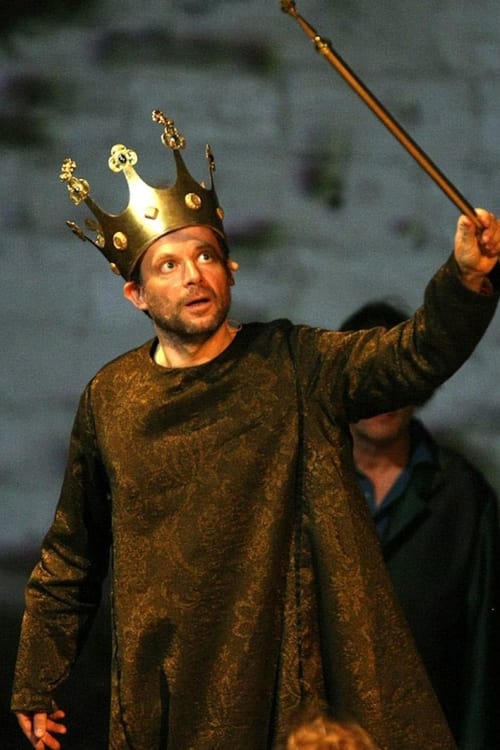
A French adaptation of William Shakespeare's play "Richard II", staged by Jean-Baptiste Sastre.

Yacine is in his 30s, of Algerian origins, and has come to Paris looking for inner peace. A playful and poetic quest leads him via all kinds of strange encounters to an increasingly surrealist world and to Andalusia: a state of mind.
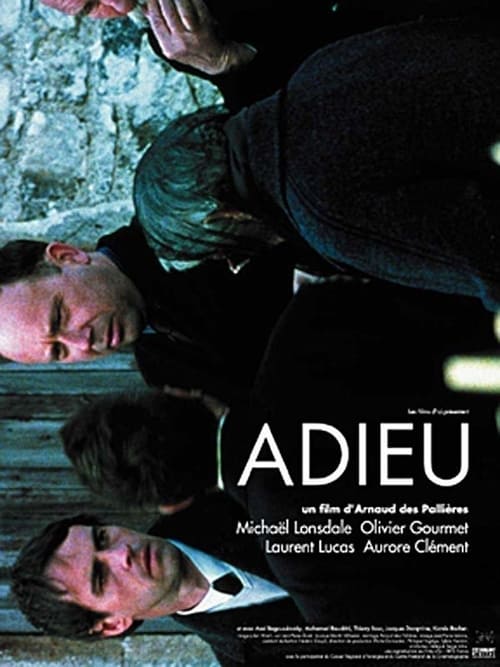
Under threat in Algeria, Ismahel emigrates to France where he wants to live and work, with the hope that the people he's fleeing from will forget him the time he is away. In the letters that he writes to the daughter that he left behind in his homeland, he tells his own story in the guise of the biblical tale of Jonas and the Whale. Somewhere in France, an elderly farmer has just lost his young son. His three other children help him as much as they can to get through the trial of the funeral, but the ceremony is halted when the old man falls ill. The two stories unfold parallel to each other and are alternated.

A true story shot in a German Impressionistic style. In France during the Nazi occupation, Dr. Petiot (Michel Serrault) offered to help Jews escape the Nazis. They would come to his house, and he would kindly give them lethal "vaccinations" for their anticipated travel to Argentina. Then he would steal everything the brought with them (in addition to their up-front payment to him) and burn their bodies in his home-made crematorium.

In this "inside look" at French filmmaking, Marechal - who is a has-been director - a producer, Vito Catene and Camile Dor, a big-name actress, have agreed to make a film about drugs, but don't have a story, financing, or any of the other elements needed to make it. This doesn't stop them; they cobble together the financing and begin shooting anyway. The producer is very fond of the leading actress, and when she gets hooked on drugs for real in the course of shooting what he feels to be a farcical imitation of a film, he gives up his shares in the film and heads off for the back of beyond (Zanzibar) to lick his wounds. To add insult to injury, the film winds up being a critical and commercial success.
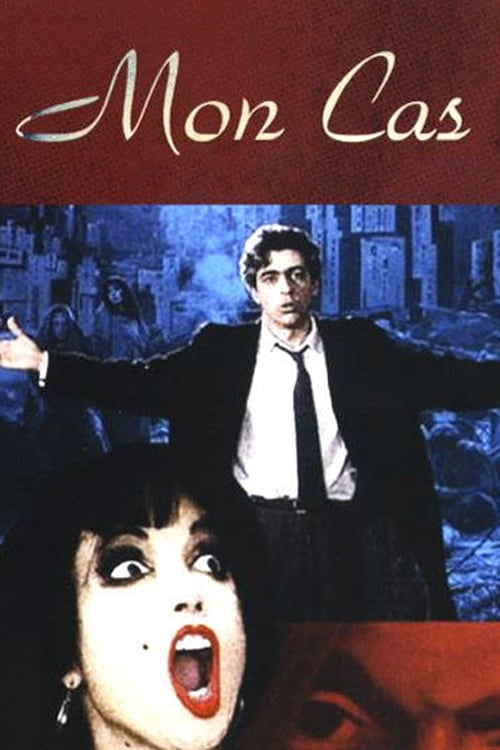
Manoel de Oliveira plays his film in three stages: the first part - a play, the second can be roughly defined as a silent film (with the behind the scenes read excerpts from Beckett works), but in the end the director brilliantly performs the same material of the avant-garde exercise. Surprisingly, a joke, repeated three times, each time everything sounds fresh and develops into an almost verbatim adaptation of the biblical "Book of Job" - a spectacular point in a parable about how hard to empathize with other people's misery, when you have your own.
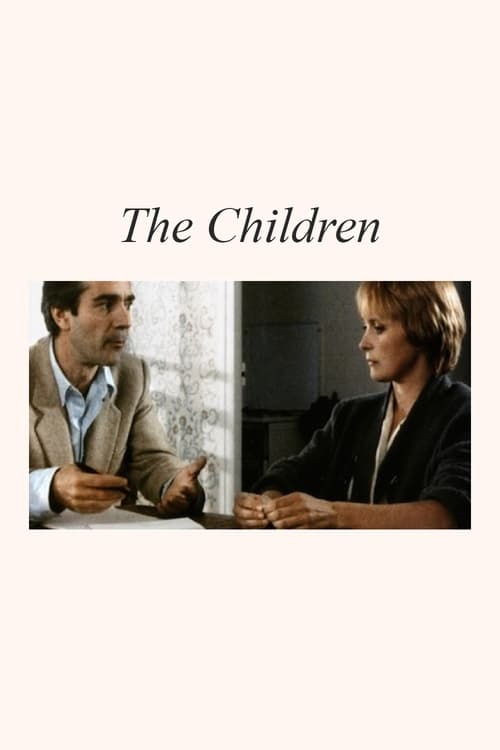
Ernesto, a seven-year-old boy who has the body of a thirty-year-old man, decides, upon attending his first day of school, that he no longer wishes to attend, because he does not wish to be taught matters that he does not know.
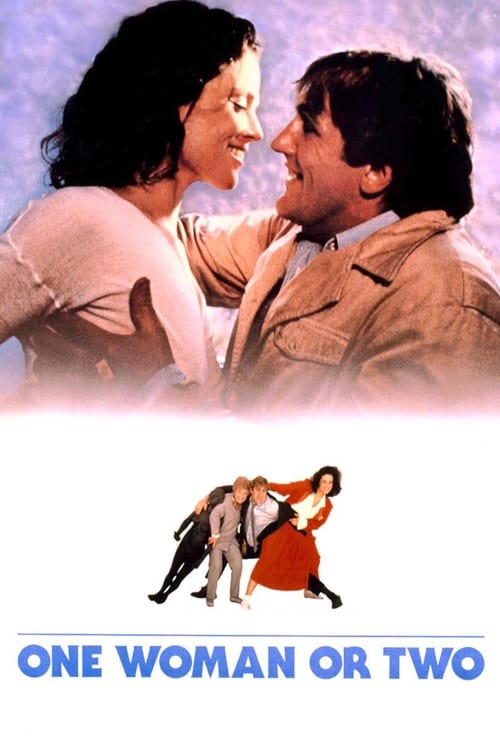
An ad executive impersonates an archeology professor to avoid a situation with an obsessed former lover. She enlists the help of a hapless archeologist who is at the airport to pick the real archeology professor. What follows is a series of conflicting and comical situations involving the "switcheroo."
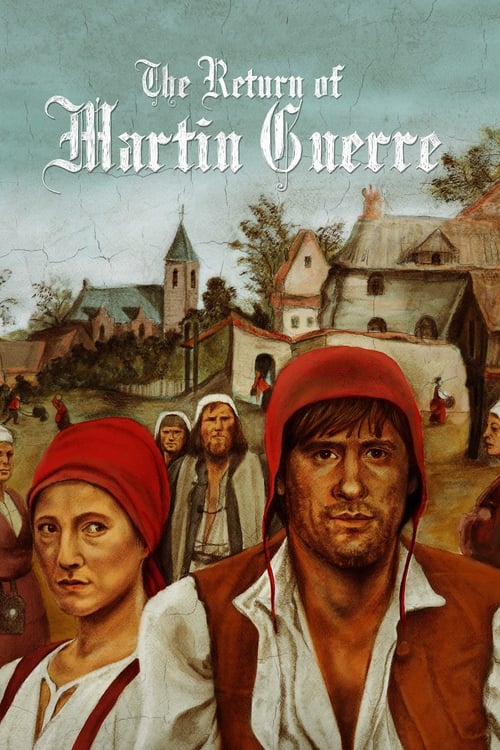
Village of Artigat, southern France, summer 1542, during the reign of Francis I. Martin Guerre and Bertrande de Rols marry. A few years later, accused of having committed a robbery, Martin suddenly disappears. When, almost a decade later, a man arrives in Artigat claiming to be Martin, the Guerre family recognizes him as such; but doubts soon arise about his true identity.
Subscribe for exclusive insights on movies, TV shows, and games! Get top picks, fascinating facts, in-depth analysis, and more delivered straight to your inbox.