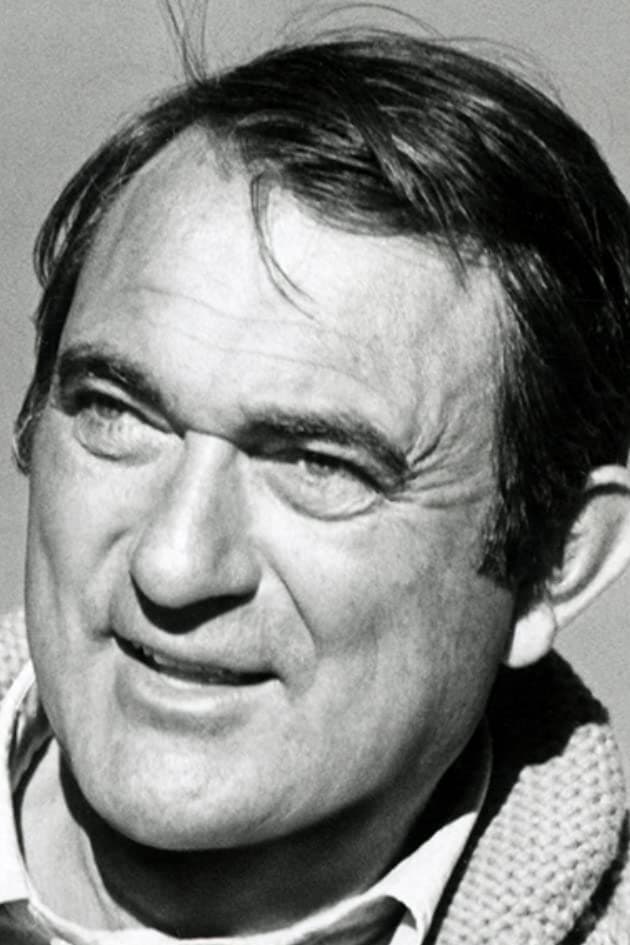
Andrew Victor McLaglen ((July 28, 1920 – August 30, 2014) was a British-American film and television director and former actor. Andrew McLaglen was born in London, the son of British actor Victor McLaglen and Enid Lamont. He was from a film family that included eight uncles and an aunt, and he grew up on movie sets with his parents as well as John Wayne and John Ford. After working as an assista...
Not available
Enjoying the content? Support us!
Explore all movies appearances

Maureen O'Hara, Andrew McLaglen, and others recollect how The Quiet Man came to be in this documentary.

Film traces the career of the actor who embodied classic American values like no other - in his film and television roles as well as in his private life. In a career spanning more than 50 years, he became an icon of the western. The documentary follows Wayne from his first steps in the film business, when he was still honing his image as an upright hero, through his great successes to the end of his career, when even the US Congress bowed to his lifetime achievement and awarded him the Congressional Gold Medal. His colleague Maureen O'Hara, who stood in front of the camera with him in Rio Grande (1950), said that the medal should bear the following engraving to do justice to Duke: "John Wayne - American".

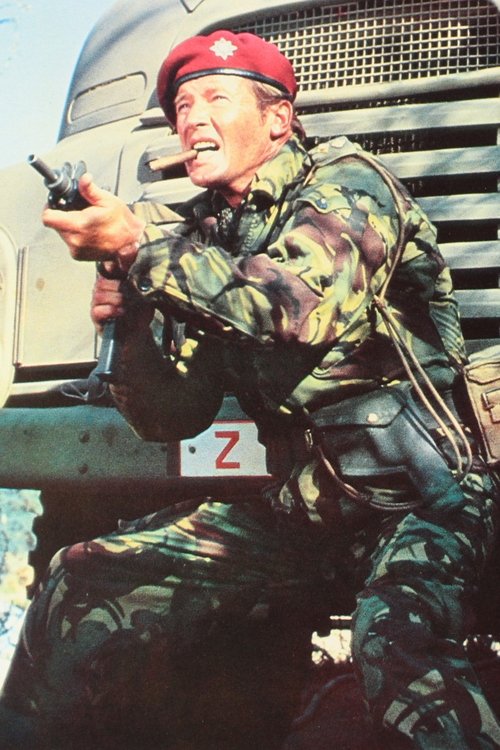
Promotional short film about the making of the 1978 film The Wild Geese.

German TV documentary about John Wayne from 1977.

Promotional short film on the making of Cahill U.S. Marshal (1973).

Constance Bennett both produced and starred in the espionager Paris Underground. Bennett and Gracie Fields play, respectively, an American and an English citizen trapped in Paris when the Nazis invade. The women team up to help Allied aviators escape from the occupied city into Free French territory. The screenplay was based on the true wartime activities of Etta Shiber, who engineered the escape of nearly 300 Allied pilots. British fans of comedienne Gracie Fields were put off by the scenes in which she is tortured by the Gestapo, while Constance Bennett's following had been rapidly dwindling since the 1930s; as a result, the heartfelt but tiresome Paris Underground failed to make a dent at the box-office. It would be Constance Bennett's last starring film--and Gracie Fields' last film, period.

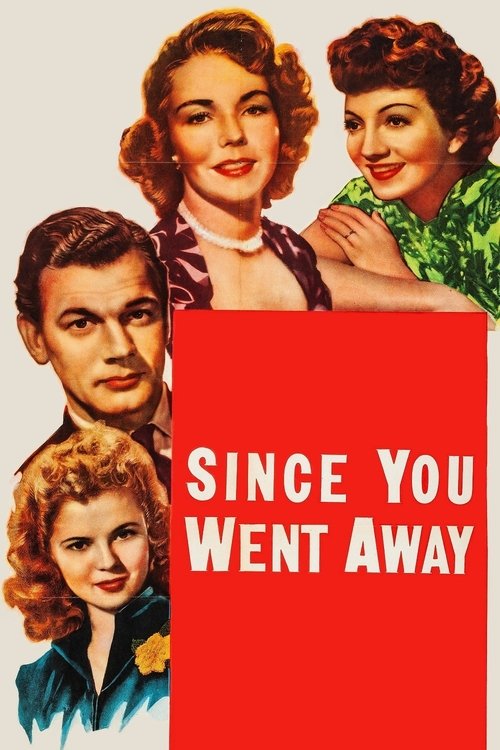
In 1943, several people enter, re-enter, and exit the difficult life of a Midwestern family whose patriarch has been called up to war, leaving behind his wife and two teen daughters.
Subscribe for exclusive insights on movies, TV shows, and games! Get top picks, fascinating facts, in-depth analysis, and more delivered straight to your inbox.