
Action
Adventure
Animation
Comedy
Crime
Documentary
Drama
Family
Fantasy
History
Horror
Music
Mystery
Romance
Science Fiction
Thriller
War
Western
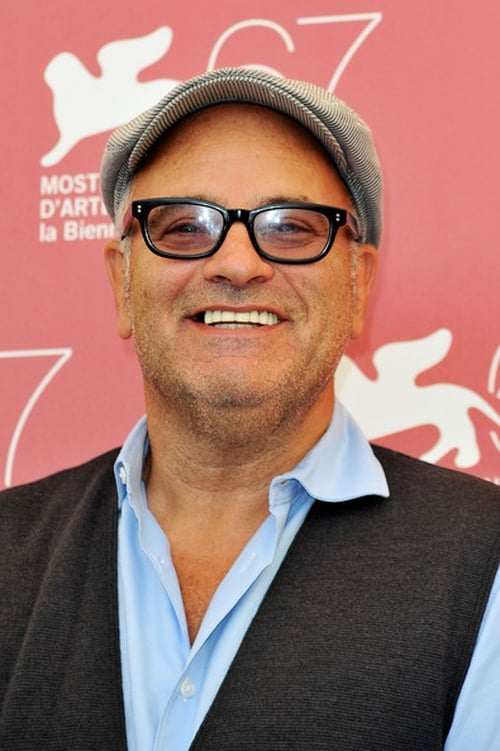
Amos Poe, born Amos Jay Porges, is a quintessential New York independent filmmaker. He was a key figure in the emergence of the No Wave cinema movement that evolved from the punk music scene and flourished from the mid-1970s to the mid-1980s on New York's Lower East Side.
Explore all movies appearances

During a visit to New York from Egypt, Mark, a 32-year-old Orthodox Christian, decides to lose his virginity, facing all the cultural and religious restrictions that have shaped his character. After a failed blind date, Mark is persuaded by his friends to seek something other than a soul mate. Their solution? A prostitute.

A documentary about the influential independent film production company The Shooting Gallery.
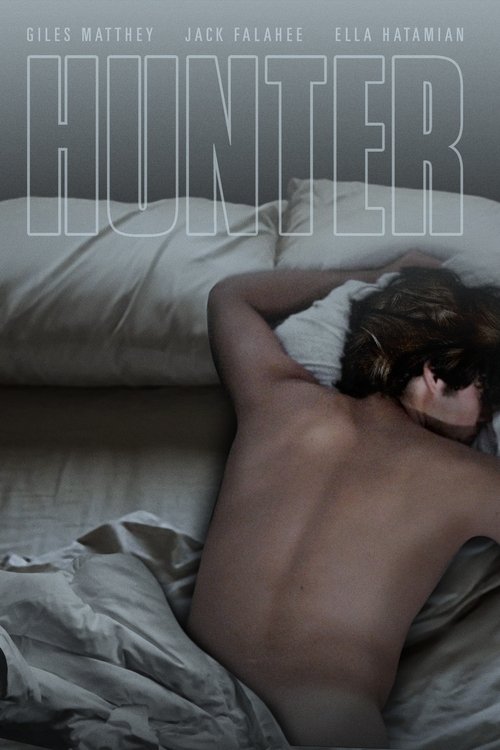
Two friends vie for the attention of a stranger who passes out at their doorstep.

In the years before Ronald Reagan took office, Manhattan was in ruins. But true art has never come from comfort, and it was precisely those dire circumstances that inspired artists like Jim Jarmusch, Lizzy Borden, and Amos Poe to produce some of their best works. Taking their cues from punk rock and new wave music, these young maverick filmmakers confronted viewers with a stark reality that stood in powerful contrast to the escapist product being churned out by Hollywood.
the connections and energy flow between the various artists populating the 1980s sub-cultures of New York and Berlin. Features Jim Jarmusch, Lydia Lunch, Blixa Bargeld, Alex Hacke, Gudrun Gut, Nick Cave, and others. An important film. Bravo, Mr. Dreher.
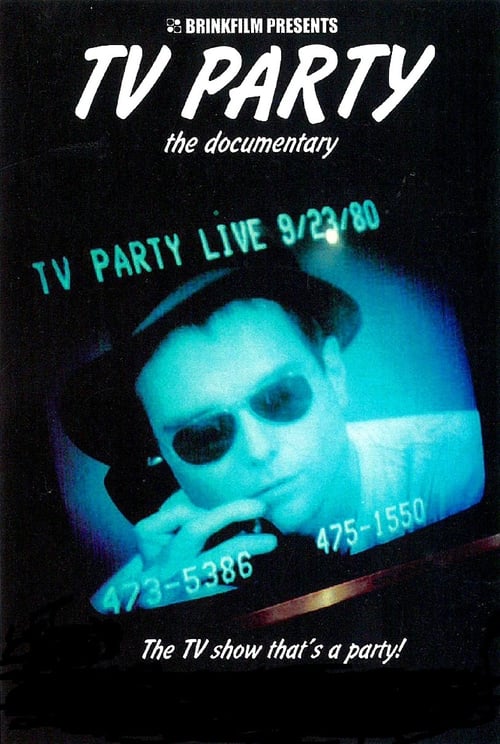
From 1978 to 1982, Glenn O'Brien hosted a New York city public access cable TV show called TV Party. Co-hosted by Chris Stein, from Blondie, and directed by filmmaker Amos Poe, the hour long show took television where it had never gone before: to the edge of civility and "sub-realism" as Glenn would put it. Walter Steding and his TV Party "Orchestra" provided a musical accompaniment to the madness at hand, and many artists and musicians, from The Clash, Nile Rodgers, Jean-Michel Basquiat, David Bryne and Arto Lindsey were regular guests. It was the cocktail party that could be a political party. With 80 hours of disintegrating 3/4 inch videotape as a starting point, we tracked down the trend setting participants still living today and found out what they remember of the period and how the show influenced their lives. This, combined with clips from the orginal show, became the documentary "TV Party.

The film is a day in the life of a young artist, Jean-Michel Basquiat, who needs to raise money to reclaim the apartment from which he has been evicted. He wanders the downtown streets carrying a painting he hopes to sell, encountering friends, whose lives (and performances) we peek into.
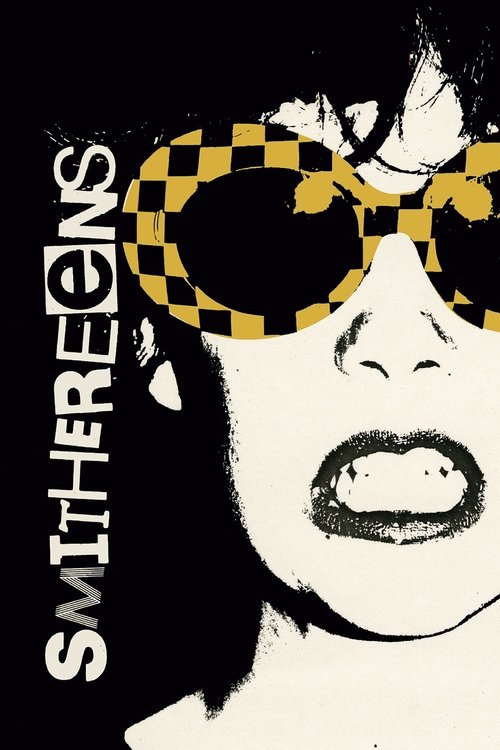
A narcissistic runaway engages in a number of parasitic relationships amongst members of New York's waning punk scene.
Reel 17 of Gérard Courant's on-going Cinematon series.
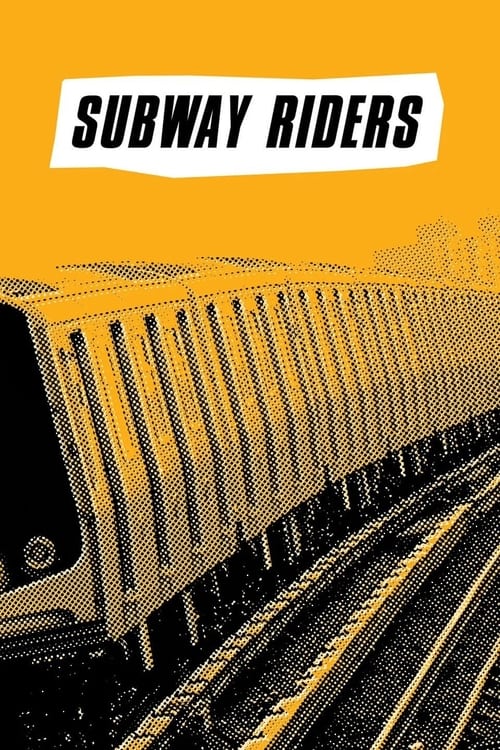
A psychotic saxophone player lures victims to deserted spots with his music and then guns them down.
Subscribe for exclusive insights on movies, TV shows, and games! Get top picks, fascinating facts, in-depth analysis, and more delivered straight to your inbox.