Action
Adventure
Animation
Comedy
Crime
Documentary
Drama
Family
Fantasy
History
Horror
Music
Mystery
Romance
Science Fiction
Thriller
War
Western
Explore all movies appearances
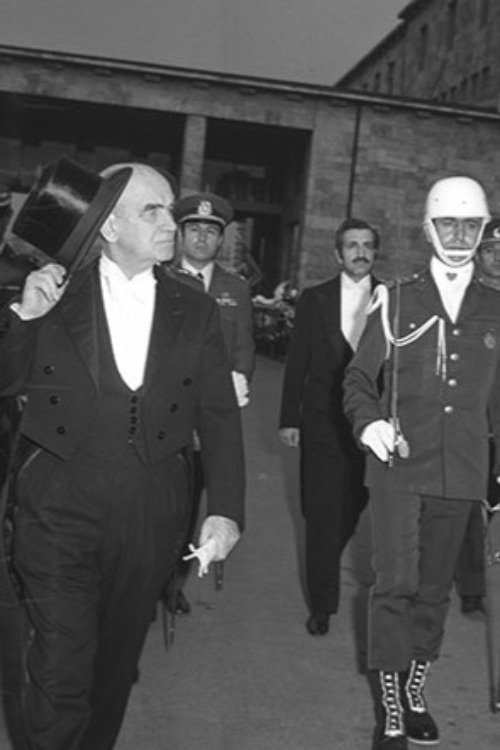
Turkish democracy got over the 27th of May and the 12th of March and set off again, but the storm did not subside and the mutual reckoning was not over. On the contrary, new fronts were opened in the country and blood began to flow like a gutter. Finally, on September 12, there was a knock on the door again. Those who came that day changed everything, everything. Nothing would ever be the same again, nothing would be the same as before.
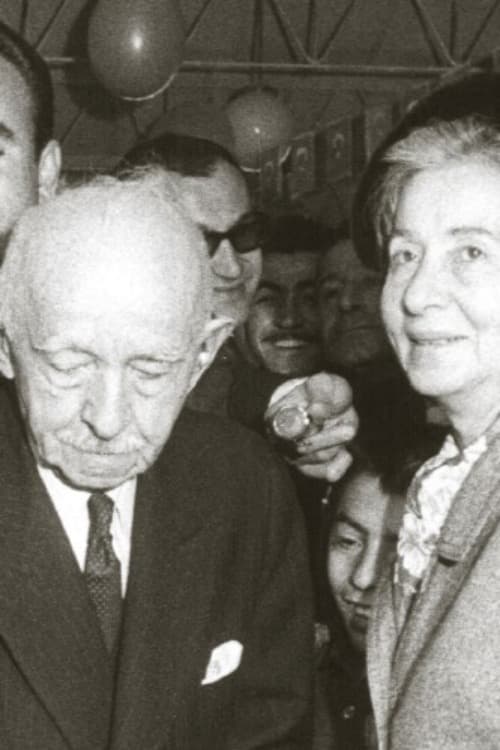
Revolutionaries passed before the streets of the 1960s on the road to democracy. Then the youth with the victory songs, the workers with the rebel flags, the rightists, the leftists and the putschists again. The country spent 12 years in the grip of the revolution and in the end all roads came to the same crossroads. Ankara was restless in the minutes when the ousted prime minister of the Democratic Party, Adnan Menderes, was hanged. The news of Menderes' execution had not yet come. There was an anxious wait in the houses. Ears were on the radio. Everyone was wondering what happened in Imrali. In the Assembly, the National Unity Committee was in a meeting. They were also trying to learn the fate of Menderes. Suddenly, news came that EP Chairperson Ragıp Gümüşpala and Secretary General Şinasi Osman wanted to meet with the committee urgently. The committee members did not break the request of their former commander Gümüşpala and made an appointment for 14:30...
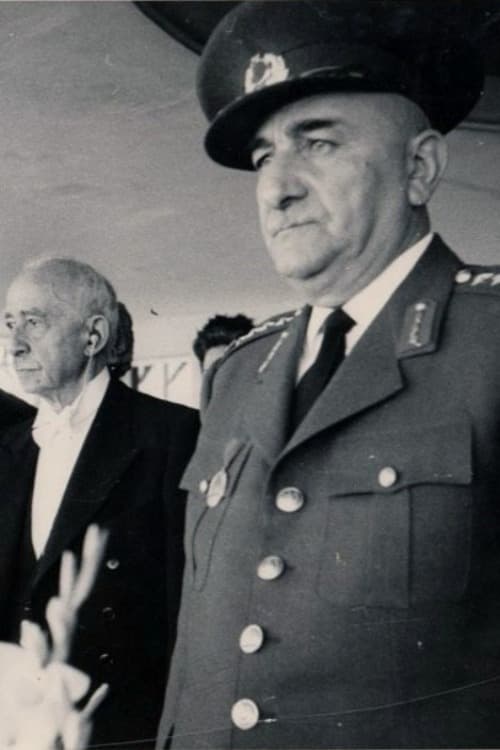
In the words of those days, "The first parliament of the Second Republic opened in its new building at 15:00 on a Wednesday. At that moment, the National Unity Committee, which had been ruling the country since 27 May, vanished into history. Now there was an Assembly and a Senate. The old Members of the Committee of National Unity had been "senators of course" for life. The country was finally getting its parliament again after a year and a half hiatus. After many painful days and nights, the biggest share in this success belonged to İsmet İnönü...
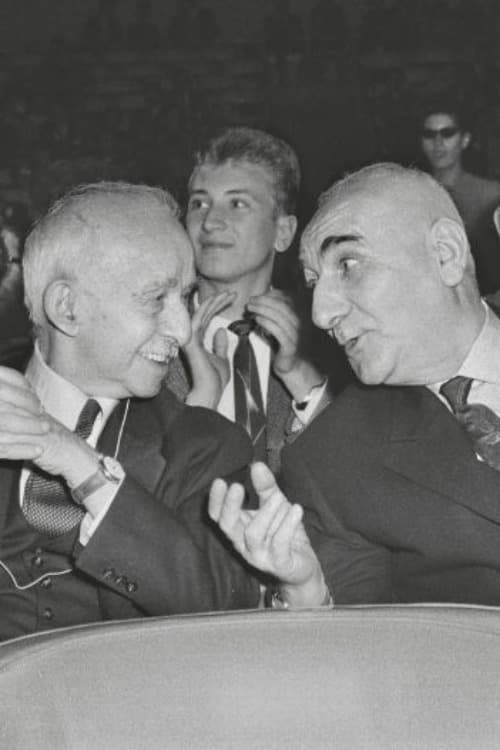
Staff Colonel Talat Aydemir... Aydemir's February 22 rebellion was the first revolutionary attempt in Turkey that faced resistance. But it was also the most dangerous... The thing the army feared most happened to him. The most undesirable possibility of the commanders in charge came true and friction broke out between the armies. At that time, the commander of 27 May, Cemal Aga, was appointed to the presidency, but the discomfort did not end. A group led by Colonel Talat Aydemir sought to intervene again. However, a part of the army, especially the Air Force, left Aydemir alone at the last moment. Talat was still strong in Ankara. In order to break this power, Prime Minister İnönü found the formula to dismiss the leaders of the rebel officers and appoint them to the East. Here is February 22, the day when these appointments will be announced to the rebels. The apocalypse was expected that day. And it broke that day...
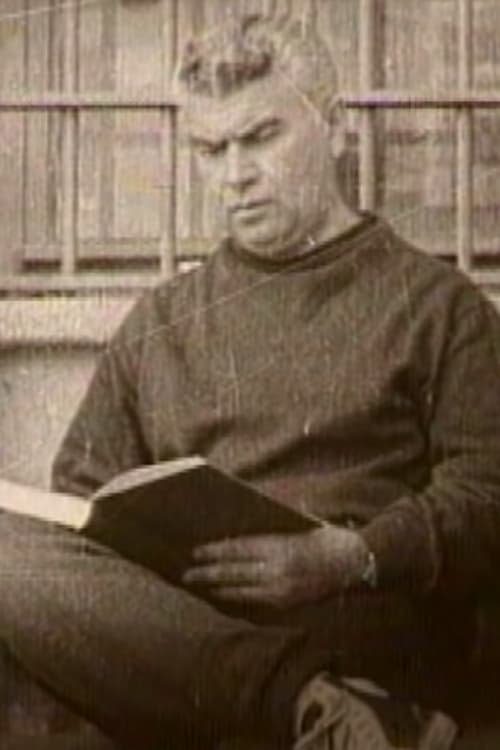
Revolutionaries passed before the streets of the 1960s on the road to democracy. Then the use of victory songs and rebellion flags, right-wingers, leftists and putschists again. The February 22nd Operation could not revolutionize, but it succeeded in overthrowing its government. Unexpectedly, because of an amnesty... İnönü kept Talat Aydemir's forgiveness by making a promise to him when he received him and drafting a law. But when this structure came to the Parliament, the AP members revolted. They also asked for the ex-Democrats to be pardoned. They said "all or nothing". It's a mess. When the AP insisted, İnönü resigned. Thus, without doing much work, Turkey's first settlement was dissolved in six months. İnönü was brought to the head of the new crime again. However, this time, EP was excluded and a second provision government was formed with CHP, YTP and CKMP. And the winds blowing from Kayseri would continue to sweep Ankara more...
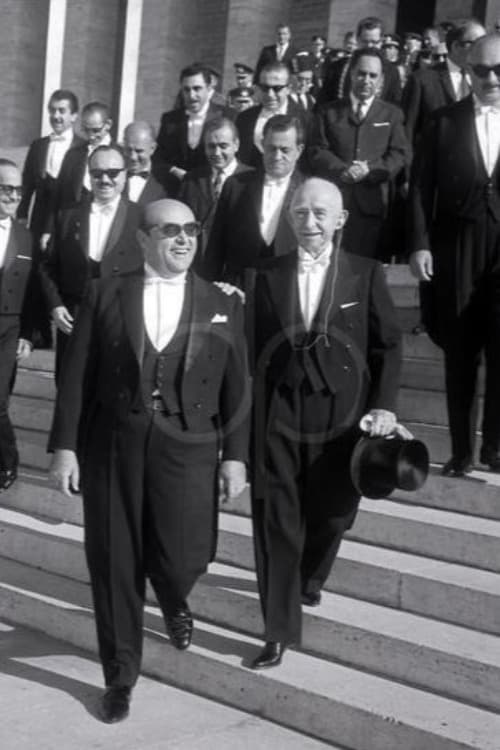
By the end of 1963, the word coup was no longer spoken in Turkey. Talat Aydemir is history, the last tremors of the May 27 earthquake have passed and the sliding faults of the regime have begun to settle into place. In this transition period, which lasted more than four years, the person who managed to get the ship to the port without running aground was İsmet İnönü. He ruled for four troubled years in a country torn between armed uprisings, Cyprus crises, coalition governments and regime debates. But meanwhile, he was also worn out. In the local elections held at the end of 1963, while the CHP's votes remained at 37 percent, the AP found 45 percent. But on the very day of the final election results, a few gunshots heard from across the Atlantic turned everything upside down...
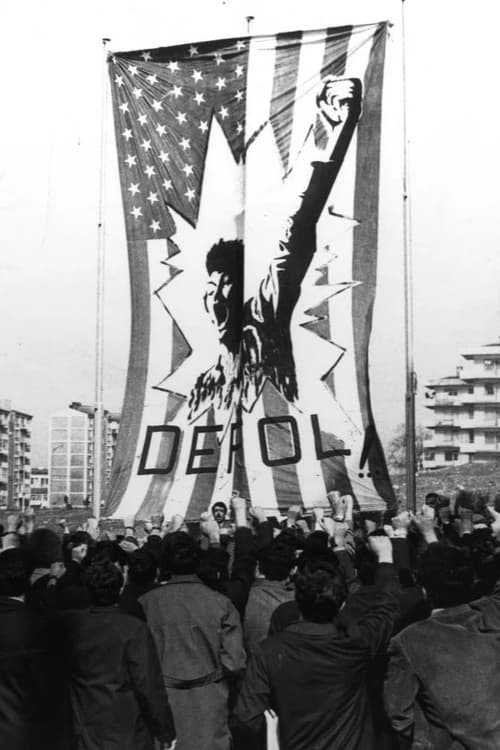
The slogan "Great Türkiye" began to be heard for the first time in the mid-60s. The Turkish economy had become unstable and stagnant at the hands of military interventions and the provisional government. After 1965, the system began to settle. The economy's also recovered. With the 2nd Development Plan, the wheels of a liberal economy were turned. On the 1 hand, private sector incentives, big projects such as Keban Dam and Bosphorus Bridge. Electricity was going to the villages, Turkey was getting its share from the growth in the world, the country was "doubling up" in the words of the prime minister. Inflation was five percent. Demirel, who rushed from one groundbreaking ceremony to the next, had nothing to say. Of course, this vitality was also reflected in social life. Unions, associations, universities were fidgety. The world and Türkiye were going to 1968 at full speed. The year that gave its name to a generation in the history of the world and Turkey; 1968 had come...
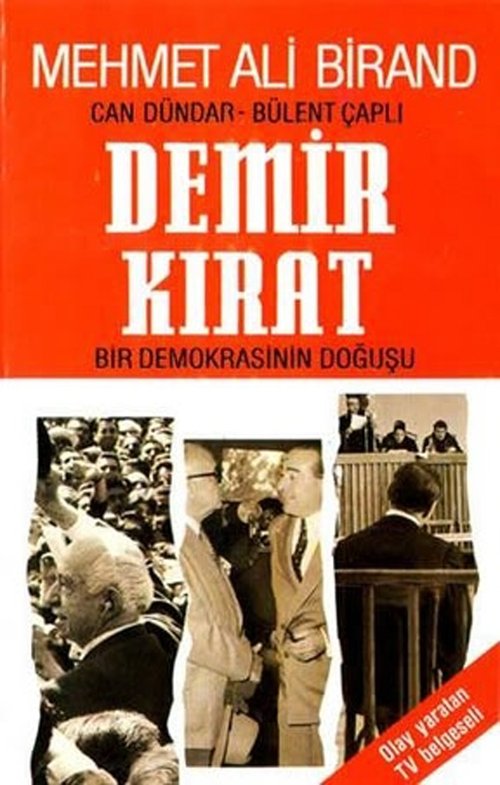
A documentary of Turkish political history about multi-party period, Democrat Party government and the coup d'etat of 27th May. Including eye-witness interviews with journalists, officers, politicians and family members.
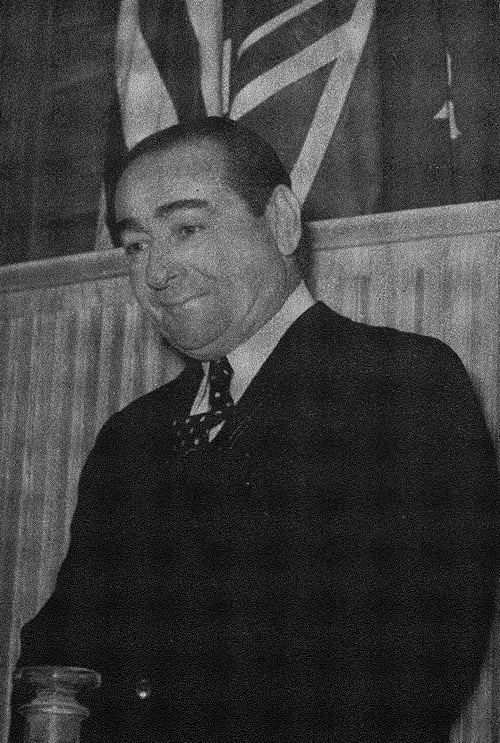
During the multi-party period in Turkey, no party could achieve the success that the Democrat Party achieved in the 1954 elections. Since those days, no party has been able to repeat the 56 percent of the DP's votes in that election. Now, 93 out of every 100 deputies in the parliament were from the DP. The DP power had reached a heavy and overwhelming majority... Menderes was at the peak of his power and prestige. But as in everything else, the highest point reached in politics was also the point where the descent would begin.
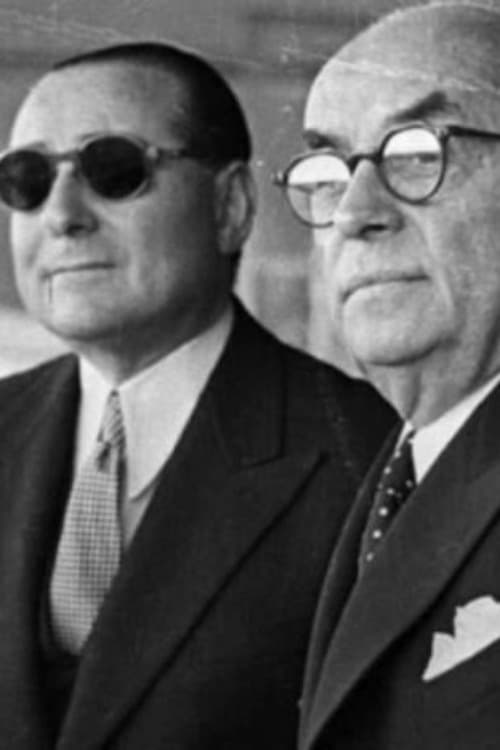
Looking back at the turmoil of the 1950s today, it's hard not to be sad. Even though one knows the end of the story, he is always waiting for something to happen to prevent this bitter ending. He wants the mistakes made to be noticed, a common point to be agreed and the accident that says I am coming to be prevented. But in vain... After the accident today, all we can do is look at the causes of the accident and learn from it... Beginning from the mid-1950s, the democracy, which was knitted stitch by knot before, began to unravel again, stitch by stitch. A tense, harsh, vicious period has opened in the political arena... It seemed impossible to see the future and take precautions in that dusty smoke...
Subscribe for exclusive insights on movies, TV shows, and games! Get top picks, fascinating facts, in-depth analysis, and more delivered straight to your inbox.