
Action
Adventure
Animation
Comedy
Crime
Documentary
Drama
Family
Fantasy
History
Horror
Music
Mystery
Romance
Science Fiction
Thriller
War
Western

Héctor Eduardo Babenco (born in Buenos Aires but raised in Mar del Plata) was an Argentine-born Brazilian film director, screenwriter, producer and actor. He has worked in several countries including Argentina, Brazil and the United States.
Explore all movies appearances

The historical, political, and social context of Brazil in the 1960s, 1970s, and 1980s, and the impact of each decade on the life and work of the acclaimed actress Marília Pêra.
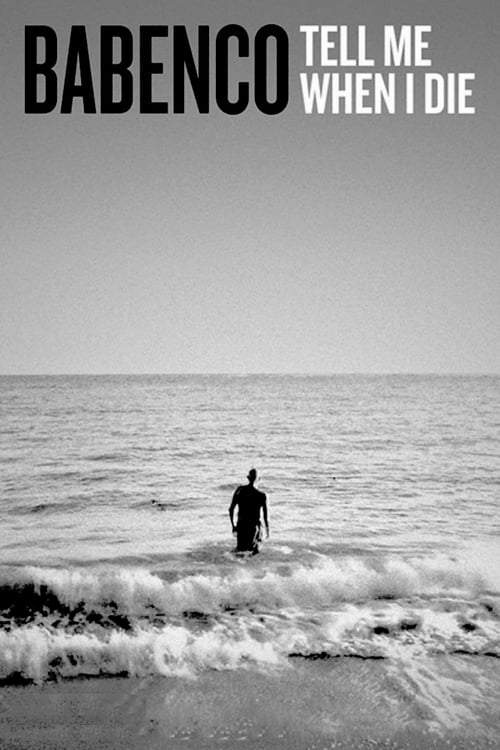
Besieged by cancer and nearing the end, the genius Argentine-Brazilian filmmaker Héctor Babenco (1946-2016) asks Bárbara Paz, his wife, for one last wish: to be the protagonist of his own death.
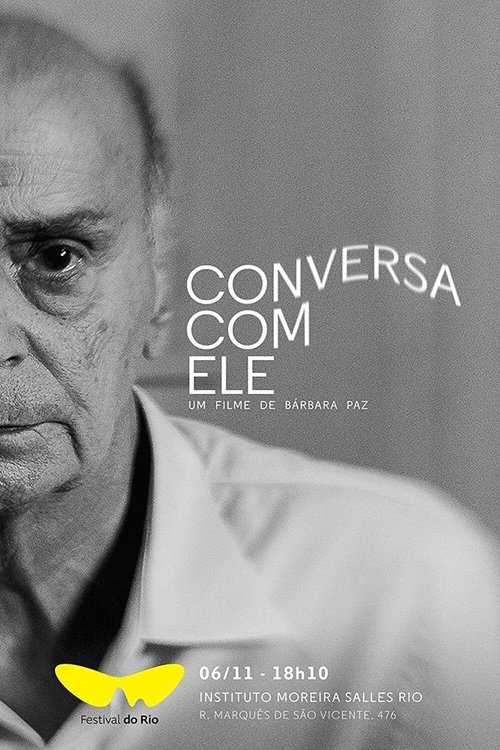
Dr. Drauzio Varella has a hypothetical conversation with his friend Hector Babenco, a filmmaker who died in 2016. The importance of friendship is addressed in the documentary based on the death of a friend — and shows the decrease in happiness and the irreplaceable void left by this game.
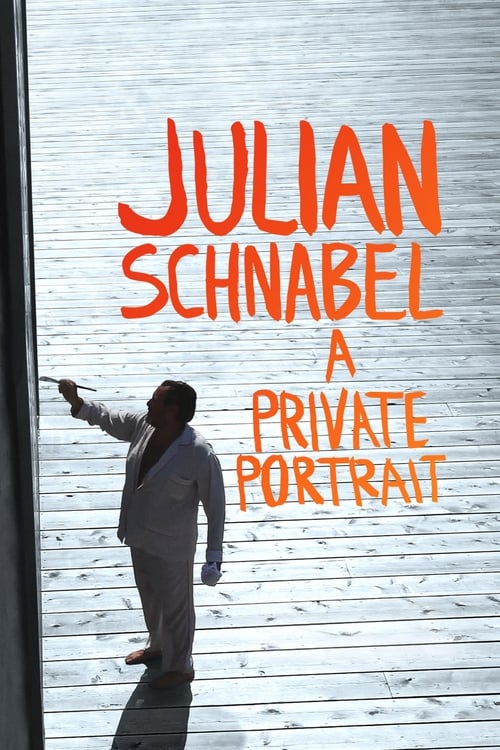
A chronicle of the personal life and public career of the celebrated artist and filmmaker Julian Schnabel.

Mauro Mateus dos Santos was known by another name: Sabotage. Growing up amidst poverty in São Paulo, the musician, who became a legend after his death, is one of the most important names in national rap.
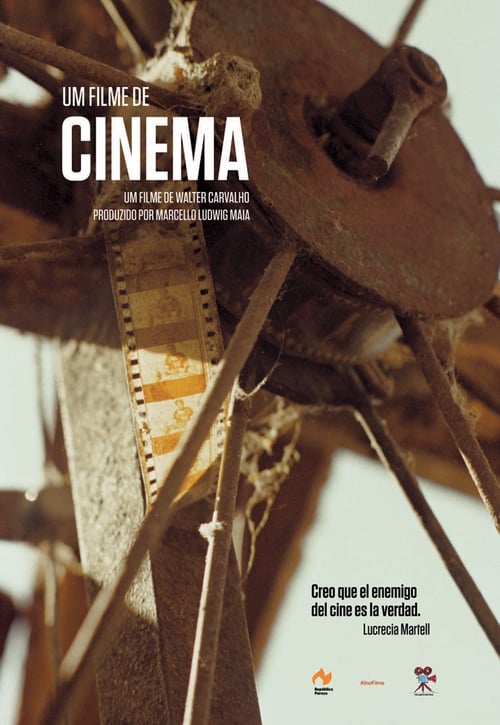
An abandoned tumbledown theater in the outback of Paraíba state is the initial setting of a film about cinema, which explores the testimonials of the novelist and playwright Ariano Suassuna and other filmmakers such as Ruy Guerra, Julio Bressane, Ken Loach, Andrzej Wajda, Karim Ainouz, José Padilha, Hector Babenco, Vilmos Zsigmond, Béla Tarr, Gus Van Sant and Jia Zhangke. They all respond to two basic questions: why do they make movies and why do they serve the seventh art. The filmmakers share their thoughts about time, narrative, rhythm, light, movement, the meaning of tragedy, the audience‘s desires and the boundaries with other forms of art.

This revealing documentary about the Brazilian sex symbol goes deep into her career as she pivoted from dancer to singer to adult film star.

Three metropolitan stories entwine in São Paulo. Would-be actress Marina arrives in the city looking for independence, falls madly in love with Justine, a bisexual rock singer, and is swept up into her wild, edgy lifestyle. Marina shares a flat on Avenida Paulista with Suzana, a mysterious lawyer who begins a relationship with a male colleague who is unaware that she's transsexual. Jay lives a few floors above them. He is a frustrated writer trying to give a meaning to his life by idealizing a stunningly beautiful prostitute, whom he transforms into a sort of muse. Following the frenetic pace of the city, the three "Paulista" characters will experience the euphoria of passion and its downside.

Rare documents and details of the film's story. From its initial option to its critical reception and legacy. Director David Weisman, who also produced "Kiss of the Spider Woman", comes off as rightful creative force behind the production, as it was his true passion. Very detailed comments from all the participants, from the author of the book to the lawyer for the production company, the actors, director, writers, producer, and crew members.
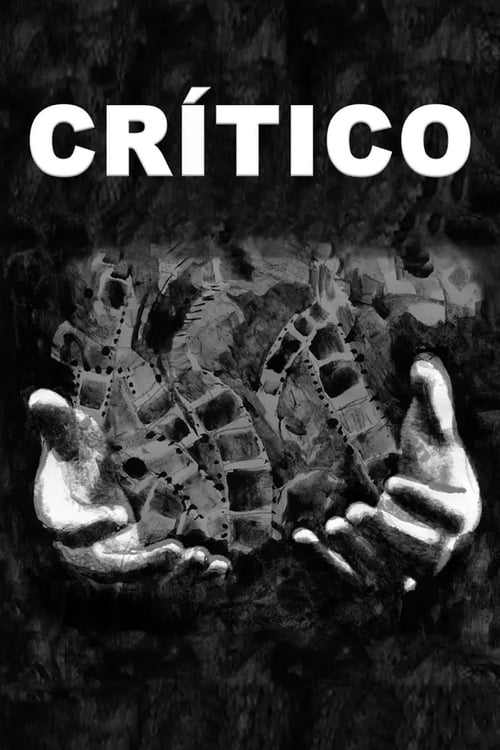
Seventy critics and filmmakers discuss cinema around the conflict between the artist and the observer, the creator and the critic. Between 1998 and 2007, Kléber Mendonça Filho recorded testimonies about this relationship in Brazil, the United States and Europe, based on his experience as a critic.
Subscribe for exclusive insights on movies, TV shows, and games! Get top picks, fascinating facts, in-depth analysis, and more delivered straight to your inbox.