
Action
Adventure
Animation
Comedy
Crime
Documentary
Drama
Family
Fantasy
History
Horror
Music
Mystery
Romance
Science Fiction
Thriller
War
Western
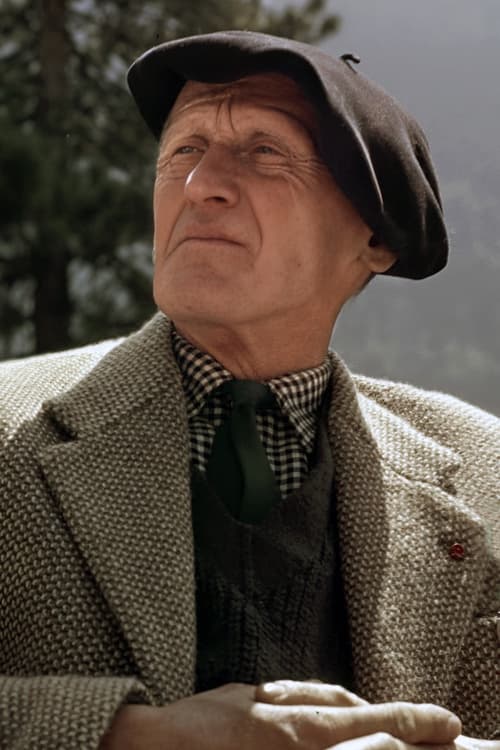
Armand Charlet, known for his talents as a glacier climber, is an outstanding rock climber. Born in Argentière on February 9, 1900, he is considered the greatest guide of his generation, with more than three thousand ascents. The Aiguilles Rouges, just above his home, is a fantastic training ground, where he often trains, with his brother Georges, also an outstanding guide. Armand's prodigious sp...
Explore all movies appearances
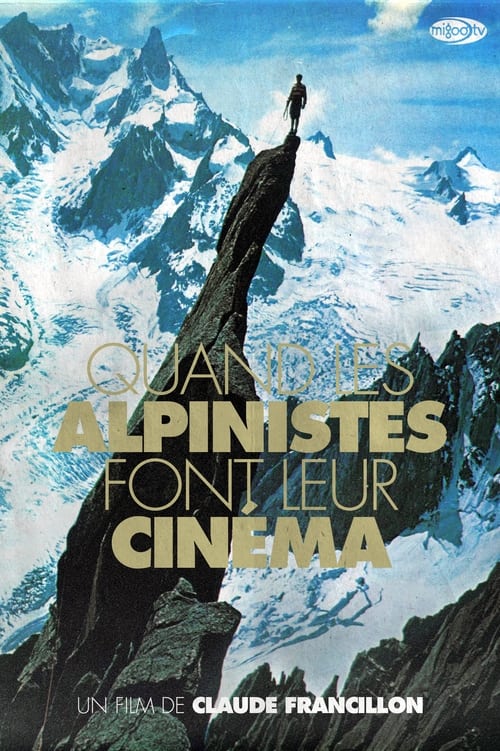
Many mountaineers as part of their activity have used cameras and films to allow us to participate through images in their adventures and their emotions. Many of them have become true film professionals: Joseph Vallot, Lionel Terray, Marcel Ichac, Renè Vernadet, Jean Afanasieff, Pierre Royer, Denis Ducroz, Kurt Diemberg and many others are among the conquerors of the image of the mountain. The film depicts the passion of these men on the highest mountains in the world... behind the lens.
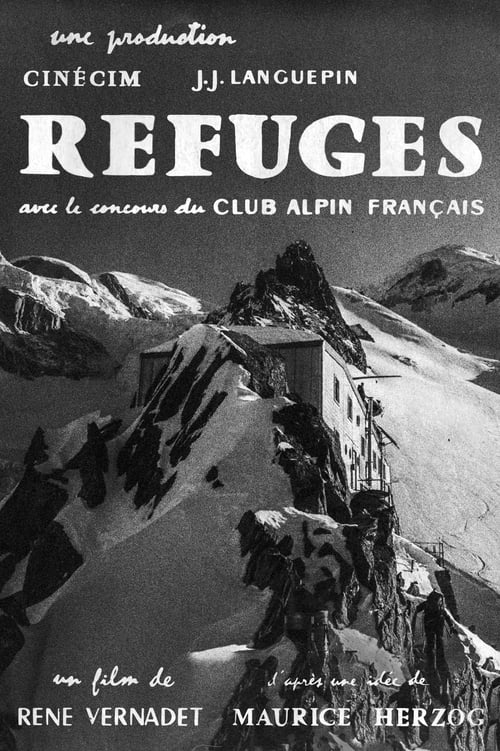
No plot available for this movie.
John Gunther, a great traveler in many parts of the globe, presented on the American ABC channel the documentary program "John Gunther's High Road" from September 7, 1959 to October 1, 1960, namely 30 episodes. Two adventure trips filmed in distant places were broadcast: The first documentary film was shot exclusively for the show and the second film offered was a great classic adventure or exploit film by another director.
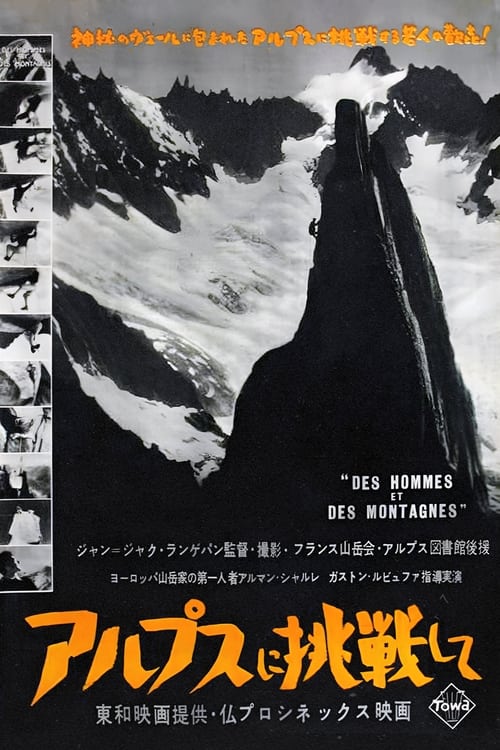
History, advice and demonstrations of mountaineering in the Mont Blanc massif by the renowned guides of the National School of Ski and Mountaineering from Chamonix. The film starts with an historical summary illustrating the aspirations and methods that lead man to conquer the mountains. Armand Charlet teaches mountaineering techniques and takes his students to the field for glacier or rock exercises. Gaston Rebuffat makes demonstrations of particularly dangerous climbs. At altitude, people move in solitude, cold and silence, like circus acrobats without spectators, but nothing stops the modern mountaineer.
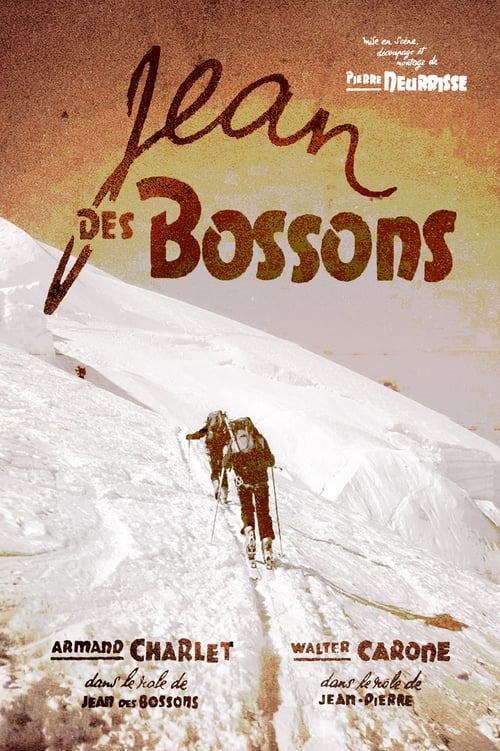
Jean des Bossons is a documentary-fiction which recounts the activities of a high mountain guide in 1947. Around Chamonix Mont-Blanc, the guide Jean des Bossons, interpreter by the mountaineer Armand Charlet, accompanies on mountain hikes, Jean-Pierre, an apprentice guide. The novice, skis on the shoulder, is already clumsy. The professional taught him how to travel on skis uphill and downhill, then mountaineering in ice and rock parishes. By dint of training, Jean-Pierre has made it his job. Guides are also lifeguards. A group went to a glacier to rescue a man who had fallen into a crevasse. During this rescue, Jean des Bossons is the victim of an accident. A drama that prevents him from practicing the profession, but not climbing. The man sinks into the fog and Jean-Pierre cannot find him.
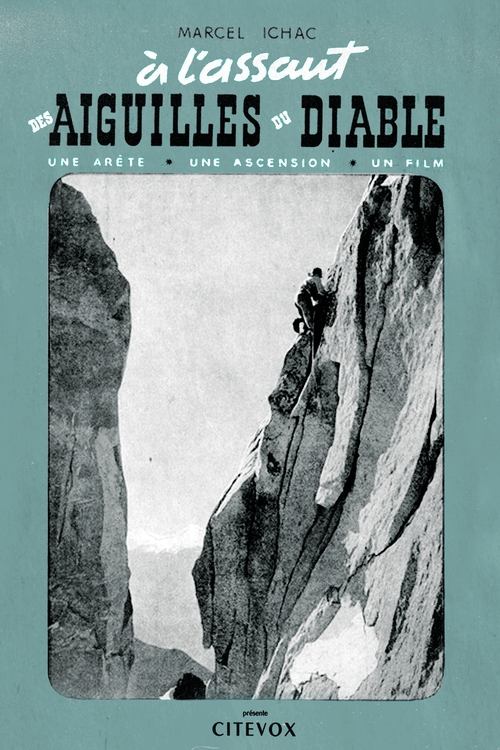
Marcel Ichac accompanied the mountaineer Armand Charlet, in 1943, in the repetition of the first crossing of the Aiguilles du Diable that the guide of the Chamonix valley had made in 1925. A roped party joined on snow and ice the Col du Géant, reached at the Mont-Blanc-du-Tacul stop and on the Col du Diable. The men cross the needles by climbing chimneys, cracks and abseiling walls. They access the eastern slope of the Mont-Blanc massif which offers a panorama of the Grandes Jorasses and Mont-Blanc. Armand Charlet was the first to reach the summits of four needles above 4000 meters: the Devil's Horn, Pointe Chaubert, Pointe Médiane and Pointe Carmen; he also tells how he successfully climbed the furthest, the Isolated. Marcel Ichac shot these scenes as close as possible to his subject, he responded with this film with a “truth” cinema, the principle of which we find in his later productions.
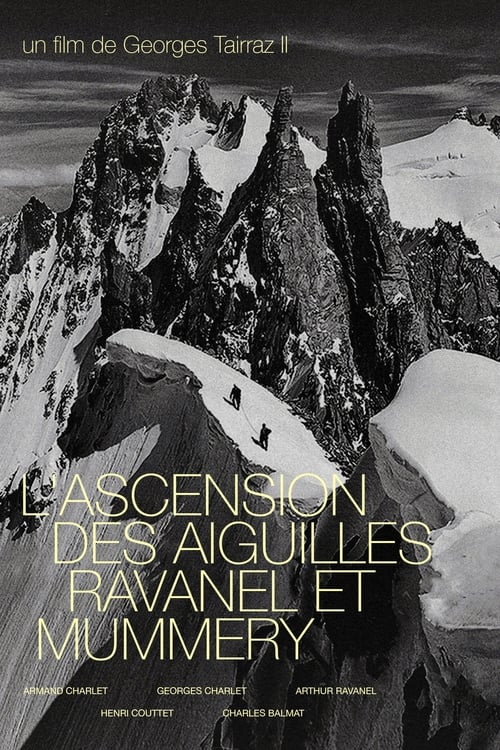
"The ascent of the Aiguilles Ravanel and Mummery", climbed by young guides in cycling pants: The brothers Armand Charlet and Georges Charlet, Arthur Ravanel, Henri Couttet and Charles Balmat. The film was shot by Georges Tairraz II, Chamoniard mountain photographer, representative of the third generation of a family line of mountain photographers and filmmakers. George Tairraz II's film will lay the groundwork for a French vision of mountain film; In the 1930s, a French school of mountain cinema emerged, less expressionist, more stripped down and realistic than the German school. These are the films of Marcel Ichac, Roger Frison-Roche, Samivel, Georges Tairraz II, etc. It develops according to the principles set by Marcel Ichac, in opposition to the German school. It is both about getting out of the dramatic vision of the mountain and placing the mountain and the climbers at the heart of the plot.
Subscribe for exclusive insights on movies, TV shows, and games! Get top picks, fascinating facts, in-depth analysis, and more delivered straight to your inbox.