
Action
Adventure
Animation
Comedy
Crime
Documentary
Drama
Family
Fantasy
History
Horror
Music
Mystery
Romance
Science Fiction
Thriller
War
Western
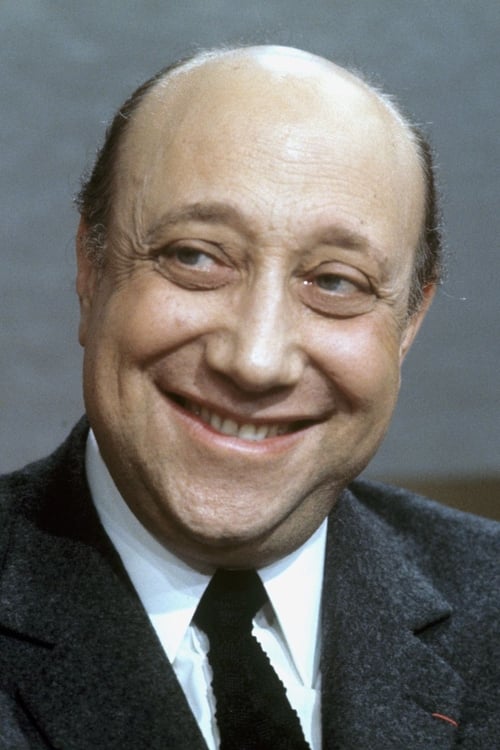
Jean-Pierre Grumbach (20 October 1917 – 2 August 1973), known professionally as Jean-Pierre Melville (French: [mɛlvil]), was a French filmmaker. Considered a spiritual father of the French New Wave, he was one of the first fully-independent French filmmakers to achieve commercial and critical success. His works include the crime dramas Bob le flambeur (1956), Le Doulos (1962), Le Samouraï (1967), ...
Explore all movies appearances
No plot available for this movie.

At the end of the 1950s, four humor specialists simultaneously experienced recognition. Fernandel with “The Cow and the Prisoner”, Bourvil with “The Hunchback”, Jacques Tati with “My Uncle” and Louis de Funès with “Oscar” at the theater. On the big screen or on stage, each of these artists has a unique style of humor. They are the kings of French comedy. But how did they manage to become true box office champions? How did they experience their immense popularity? How do they still influence the comedy genre? And above all, are- are they funny in life? Where is the line between their character in the cinema and their real personality?
Like nobody else Jean-Pierre Melville influenced modern filmmaking. This documentary follows his creative process step by step, showing him becoming the father of the Nouvelle Vague and one of the most iconic directors of French cinema.
A childhood in boarding school, volunteered at 17 for the war and dismissed for indiscipline, thug in Marseille turned gigolo in Paris, he became actor thanks to some inspired women. Then flying high, fast and far, thanks to his director masters René Clément, Luchino Visconti & Jean-Pierre Melville.
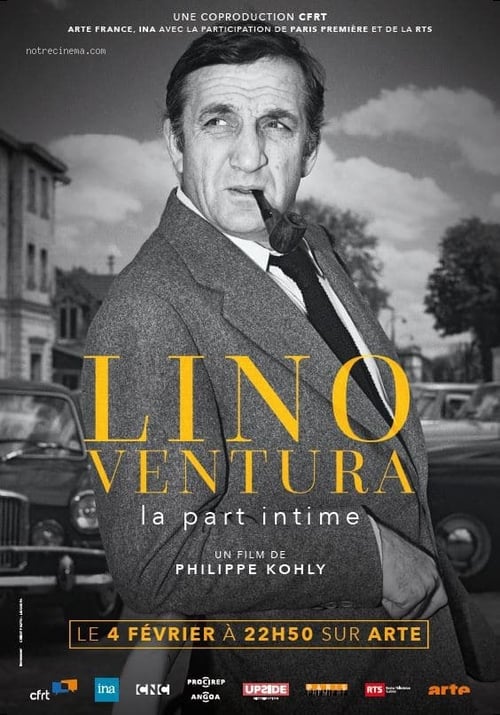
The fall of 2017 marked the 30th anniversary of Lino Ventura's death. Whether in the role of tough cops or tough guys - in the 1960s, Lino Ventura was one of the most popular French character actors. The new portrait begins with the actor's childhood. He came to Paris from Parma in Italy as a child with his single mother and faced many humiliations in a xenophobic environment. The documentary explores the man behind the rough exterior and the tough characters he embodied, most of whom were courageous but introverted loners.
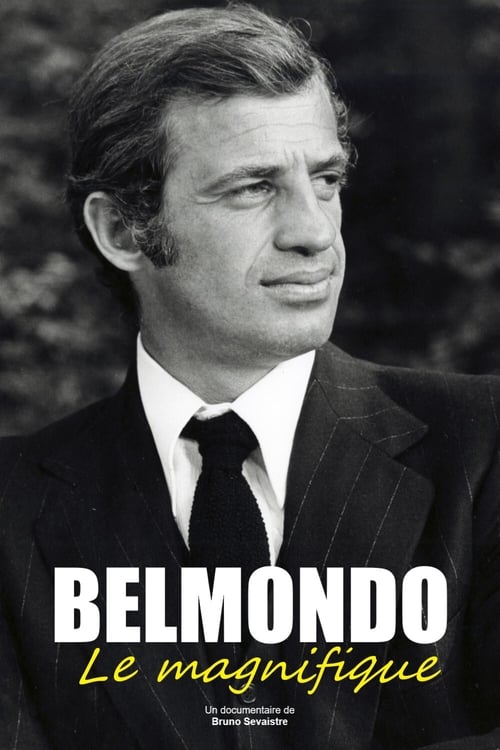
With more than 70 films and 160 million cumulative tickets in France, Jean-Paul Belmondo is one of the essential stars of French cinema.
Documentary exploring the friendship between French director Jean-Pierre Melville and actor Alain Delon, and their collaboration on the 1967 film Le samouraï.
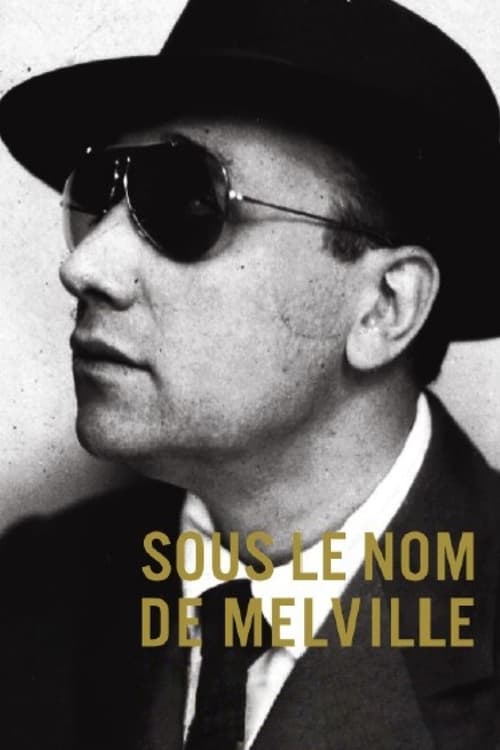
Mixing interviews, rare archival footage and film extracts, the film shows how Melville's works were impacted by what he experienced in his youth during WWII, and how it structured his whole approach to cinema, not only in its thematic but also in its aesthetics.
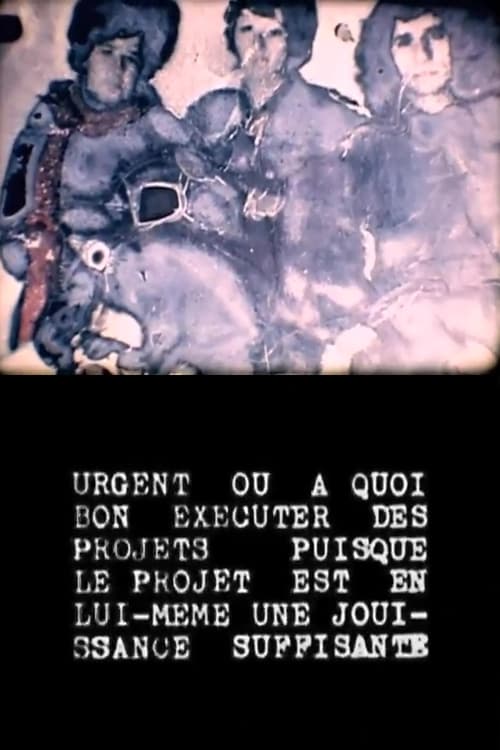
Gérard Courant applies the Lettrist editing techniques of Isidore Isou to footage of late 70's pop culture. Courant posits that his cinema offers an aggressive détournement to the French mainstream, reifying a Duchampian view of film: "I believe in impossible movies and works without meaning... I believe in the anti-movie. I believe in the non-movie. I believe in Urgent... My first full length movie that is so anti-everything that I sometimes wonder if it really does exist!"

Shot while he was preparing Un Flic, Melville carefully leads Labarthe through the trajectory of his career, from his daring debut The Silence of the Sea to his great successes of the 1960s, Le Samourai and Le cercle rouge. Labarthe also details the development of the Melville “myth: the dark glasses, the trenchcoats, the Ford Mustang, and his general tough-guy demeanor. This documentary first appeared as an episode on the French television series "Cinéastes de notres temps".
Subscribe for exclusive insights on movies, TV shows, and games! Get top picks, fascinating facts, in-depth analysis, and more delivered straight to your inbox.