
Action
Adventure
Animation
Comedy
Crime
Documentary
Drama
Family
Fantasy
History
Horror
Music
Mystery
Romance
Science Fiction
Thriller
War
Western
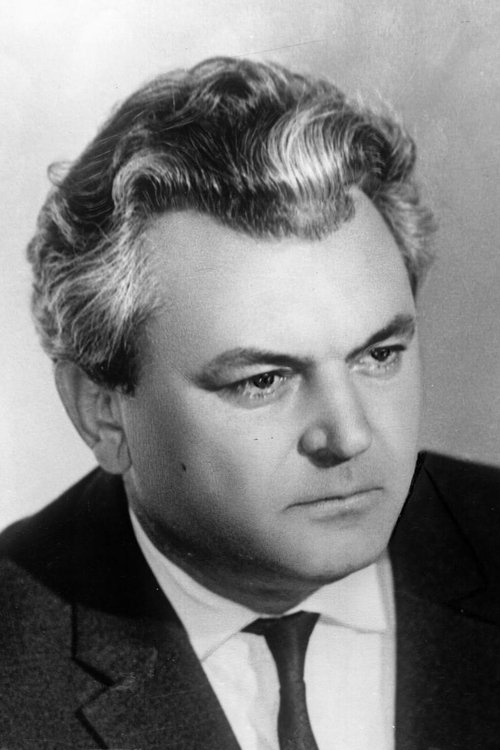
Sergei Bondarchuk (25 September 1920 — 20 October 1994) was a Soviet director, actor, and screenwriter. People's Artist of the USSR (1952). Academy Awards winner (War and Peace, 1969). BAFTA winner (Waterloo, 1971). His directorial debut was Fate of a Man, a WWII classic where he portrayed the main role. Bondarchuk is considered a master of big scale pieces with epic battle scenes that involved th...
Explore all movies appearances
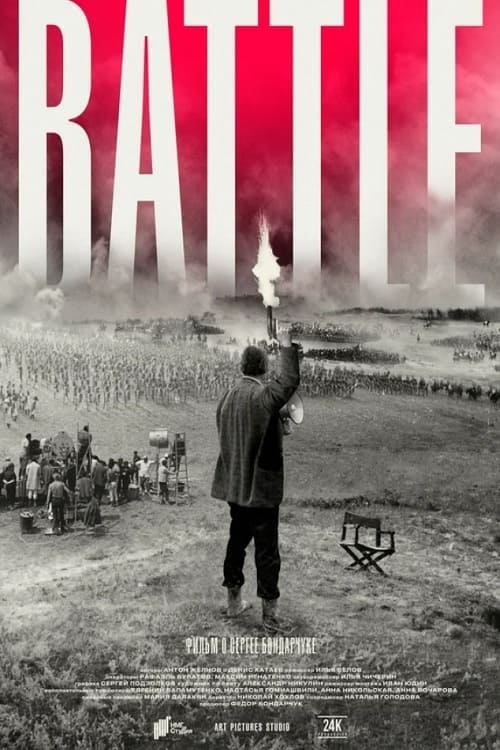
The new film about Sergei Bondarchuk is not a traditional description of the life of a famous director and not a biopic timed to coincide with a round date. The creators of the film focus on a unique period in the history of world cinema - the post-war "thaw" euphoria and the time of great hopes, the key character of which was the author of "War and Peace". What was this man and cinematographer who shot both chamber dramas and megalomaniac battle projects? And how did he, the winner of many USSR awards, manage to become a figure of world significance and a link between the two superpowers during the Cold War era?
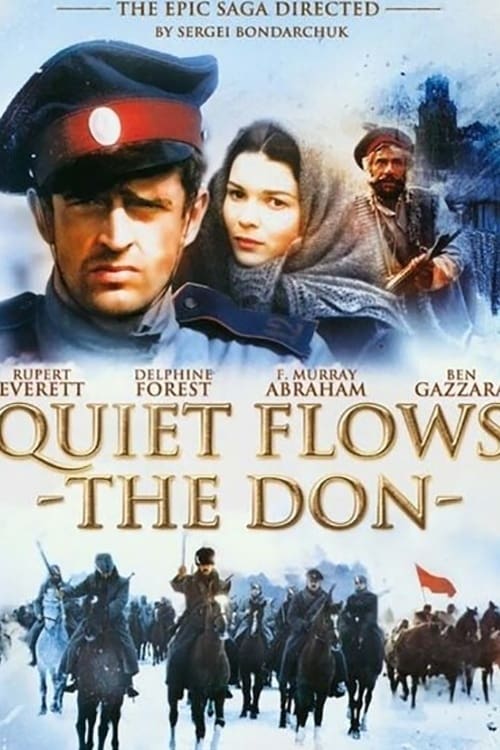
With World War I, the Bolshevik Revolution, and the Russian Civil War as backdrop, it's an old-fashioned, blood-and-guts narrative, filled with earthly humor and a wealth of colorful characters. The story concerns the fluctuating fortunes of Grigory Melekhov, a young Cossack who is both a hero and a victim of the uprising.
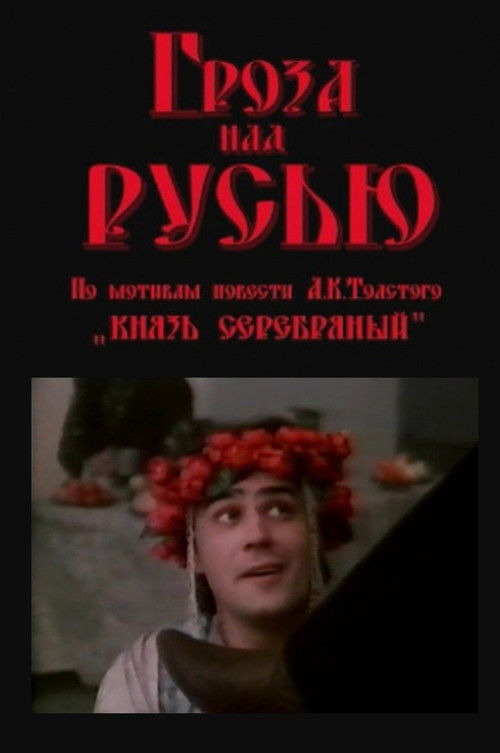
Two-part adaptation of A. K. Tolstoy's novel "Prince Serebriany a tale of unrest and intrigue under the rule of Ivan the Terrible.
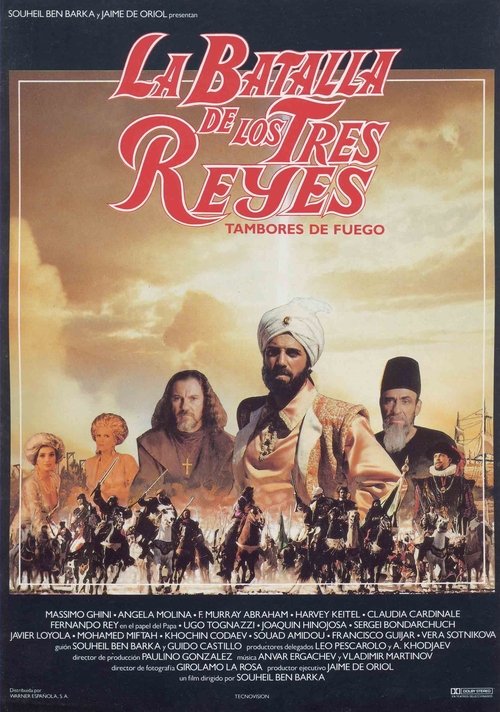
In 1568, Saadi prince Abdelmalek is exiled from Morocco by his brothers, an event that is only the beginning of his adventures: fighting the Spanish Inquisition, taking part in the Battle of Lepanto, being incarcerated in Alicante prison, and assist in the Conquest of Tunis. Eventually, he returns to Morocco to fulfill his destiny.
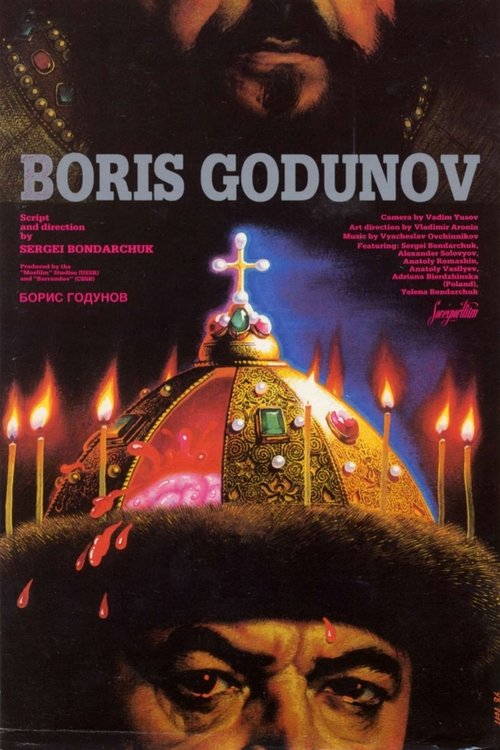
Praised for its fine photography and production design if not its narrative, Sergei Bondarchuk directed this adaptation of the tale by Alexander Pushkin. Boris Godunov came to the Czarist throne at the end of the 16th century, after the original heir to Ivan the Terrible had died. At first, things went well for Godunov (played by Bondarchuk), but when the Russian people began to believe he had killed Ivan the Terrible's son in order to gain the throne, an alliance sprang up against the new Czar. Events continued to spin out of control as a young monk was presented as the son Godunov had supposedly killed. Now he was openly accused of failing an assassination attempt, which seems to be even worse than succeeding. In addition to these woes, Boris Godunov began to suffer serious health problems. So much for the joys of kingship.
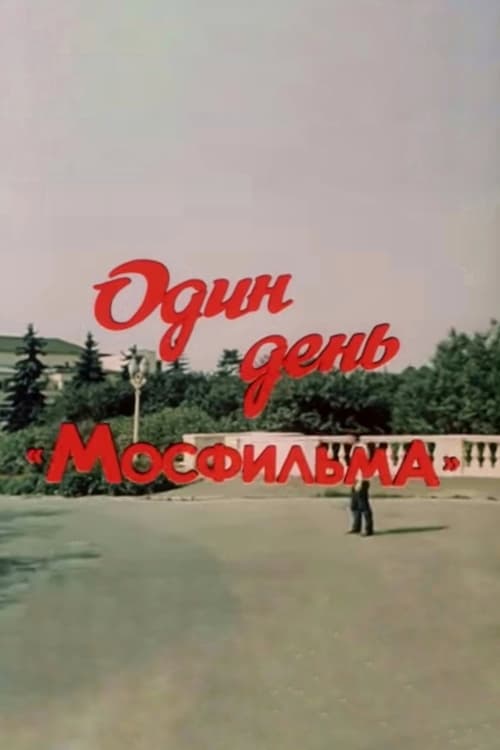
The film tells about the main stages of the history of the country's largest studio "Mosfilm", about the work of the creative team, introduces the viewer to the outstanding masters of Soviet cinematography, with such unique groups such as the Theater-Studio of Film Actors, with the workshops of the studio.

A short documentary on the director, presumably made for Russian TV, that mixes interview with footage of the director at home and at work, extracts from the film and archive footage from screenings.
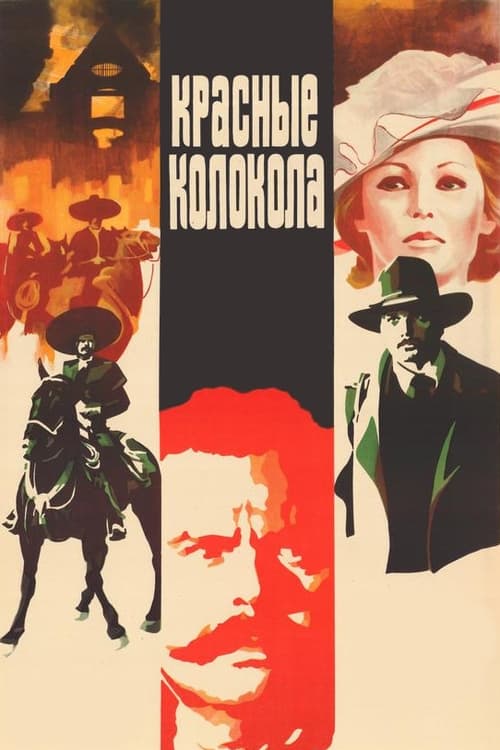
The second part of Soviet filmmaker Sergei Bondarchuk's epic biography of John Reed. It is October 1917 and the American journalist has found himself and his wife, Louise Bryant, in Petrograd on the eve of the Bolshevik revolution.
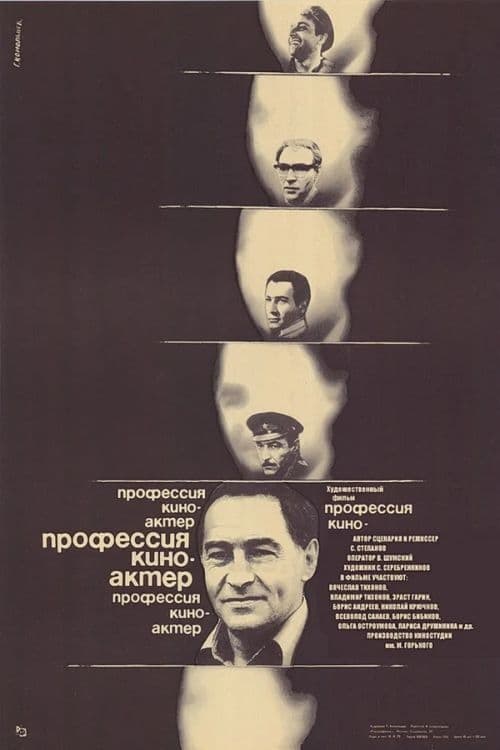
Vyacheslav Tikhonov's roles are discussed by his colleagues.
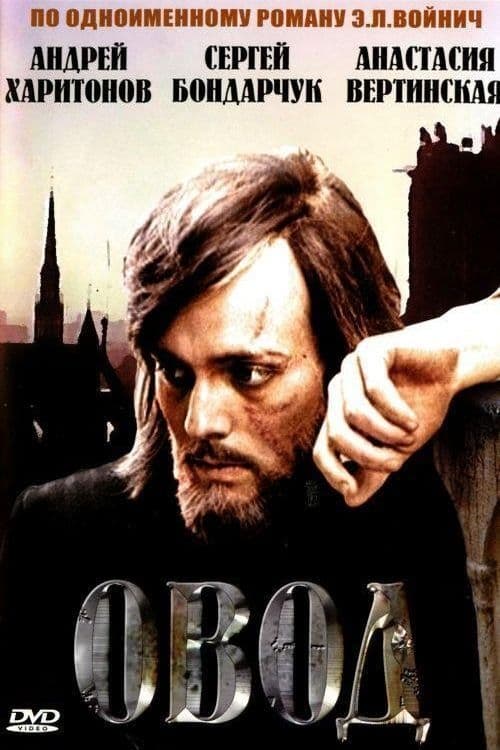
The movie set in 1840s Italy under the dominance of Austria, a time of tumultuous revolt and uprisings. The story centers on the life of the protagonist, Arthur Burton, as a member of the Youth movement, and his antagonist, Padre Montanelli. A thread of a tragic relationship between Arthur and his love Gemma simultaneously runs through the story. It is a story of faith, disillusionment, revolution, romance, and heroism.
Subscribe for exclusive insights on movies, TV shows, and games! Get top picks, fascinating facts, in-depth analysis, and more delivered straight to your inbox.