
Action
Adventure
Animation
Comedy
Crime
Documentary
Drama
Family
Fantasy
History
Horror
Music
Mystery
Romance
Science Fiction
Thriller
War
Western
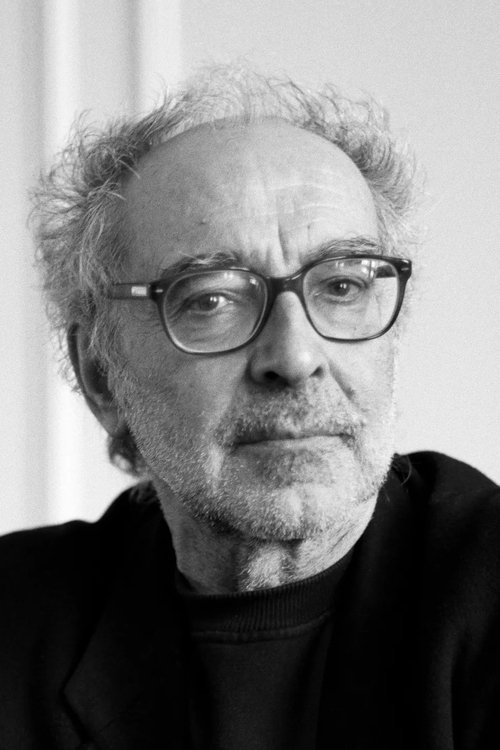
Jean-Luc Godard (December 3, 1930 – September 13, 2022) was a French-Swiss film director, screenwriter and film critic. He rose to prominence as a pioneer of the 1960s French New Wave film movement and was arguably the most influential French filmmaker of the post-war era.
Not available
Enjoying the content? Support us!
Enjoying the content? Support us!
Explore all movies appearances

During a screening of Oedipus Rex in a run-down movie theater in downtown Rio, three peculiar characters—a frustrated projectionist, his intern, and a wandering poet—decide to interrupt the film to discuss the death of cinema. The audience revolts. So does the film.

Adam Bensoltane takes us through the birth of Algerian cinema, in his native country, across the ages, exploring its evolution and its impact on the nation, politics, and the world.
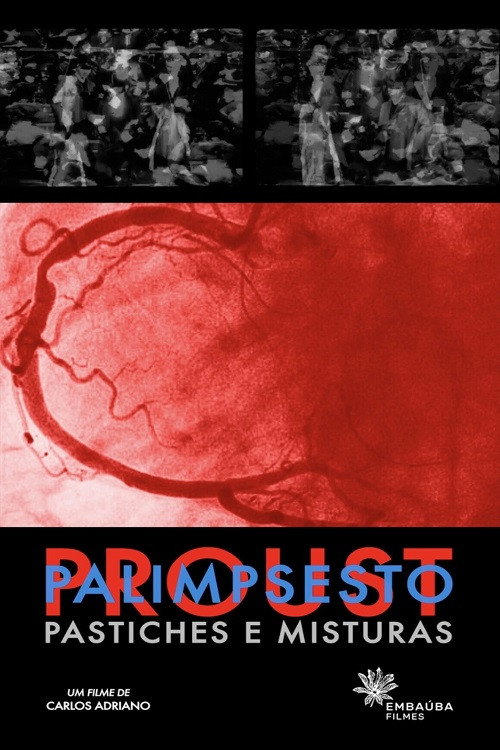
"Proust Palimpsesto: Pastiches e Misturas" (2026) is a Brazilian film essay directed by Carlos Adriano. The film, which explores the impossibility of filming Marcel Proust's "In Search of Time That Flew", is presented as a collage of archival images and theories.
A fascinating glimpse of Godard at work during the filming of the celebrated interview sequence in Notre musique featuring the Palestinian poet Mahmoud Darwish.

An avant-garde exploration of the themes of high-art vs. low-art conflict. The film begins with the bleak slideshow of Almaty architecture with the robotic french voice narrating something in the background. After that, the director begins to dance while the texts suggests its own analysis and theories. Finally, the film closes with a visual collage blending footage from indie web series, french new wave films, archival footage of Cannes, and personal footage of milk being microwaved.
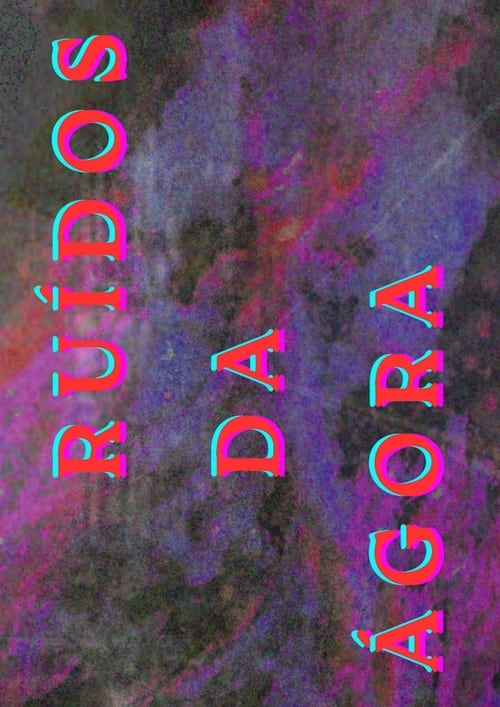
Football, betting, agriculture, technology, conspiracy theories and the second round of one of the most turbulent elections in the history of Brazilian politics. The daily political debate in a small newsstand in the interior of Rio Grande do Sul and the sound, visual and spatial noises of the contemporary agora.
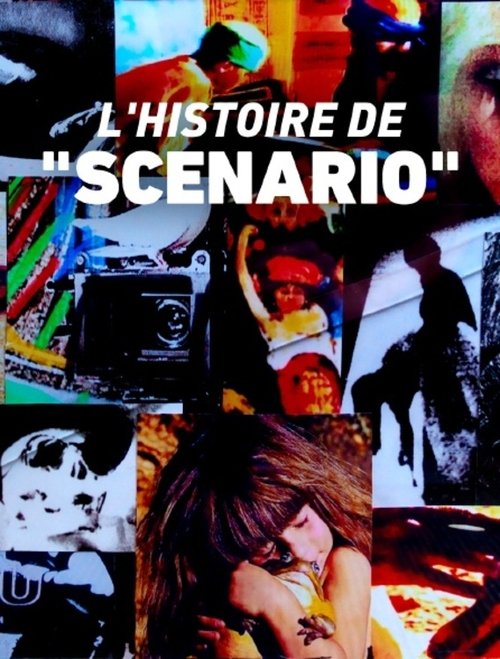
A final meeting with Jean-Luc Godard. This documentary shows the filmmaker preparing Scénario, his unfinished testamentary film, before closing with a moving scene: the final appearance of a genius driven to the very end by a love of cinema. Consists of Exposé du film annonce du film “Scénario” and Scenarios combined together for TV.

Explores Jerry Lewis' unreleased 1972 film "The Day the Clown Cried," its mysterious disappearance, and the search for footage. Includes interviews with Lewis' associates and previously unseen production content.
On September 13, 2022, the death of filmmaker Jean-Luc Godard was reported by television news broadcasts.
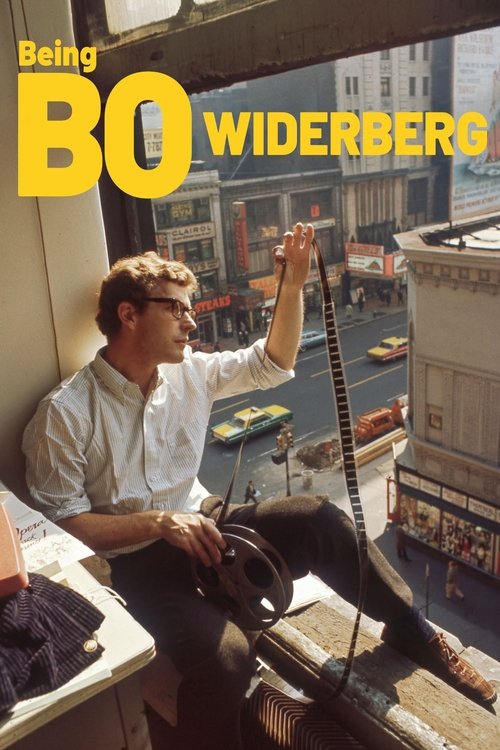
The documentary chronicles Bo Widerberg's journey from 1960s Malmö, where he worked as a writer and film critic, to his successes as a director in Stockholm and international adventures in Cannes and New York. The film also explores the personal costs of his artistic vision and how his pursuit of life and authenticity affected both himself and those around him.
Subscribe for exclusive insights on movies, TV shows, and games! Get top picks, fascinating facts, in-depth analysis, and more delivered straight to your inbox.