
Action
Adventure
Animation
Comedy
Crime
Documentary
Drama
Family
Fantasy
History
Horror
Music
Mystery
Romance
Science Fiction
Thriller
War
Western

Fernando Colomo Gómez (born 2 February 1946) is a Spanish film producer, screenwriter and film director.[1] He has also acted in small roles in his own and other's films. He is regarded as the father of the so-called comedia madrileña.[2]
Explore all movies appearances
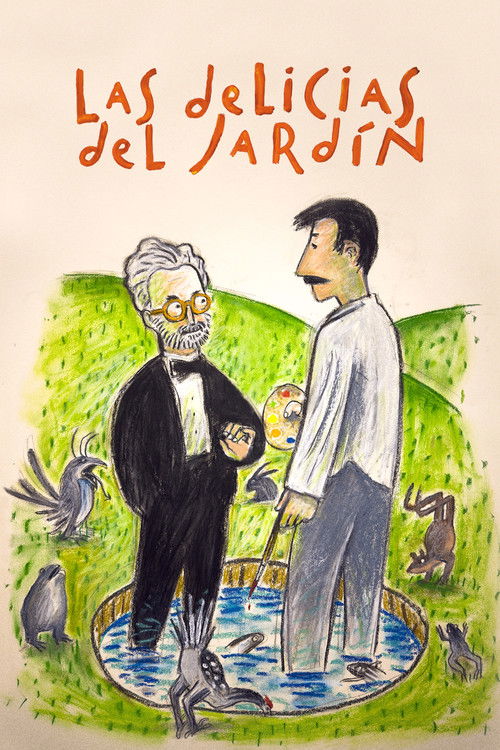
An ageing artist in the twilight of his career, Fermín's hand has started to shake. On the brink of financial ruin, he will have to move into the studio he shares with his friend Javier de Juan in an old garage, to which his son Pablo, also a painter, arrives on his return from a long trip to India, intending to stay with him. Their widely differing approaches to art and life will soon spark arguments between the two. Pepa, Pablo's mother and Fermín's ex, makes a suggestion: that they enter a competition to create their own version of El Bosco's The Garden of Earthly Delights, which could solve their financial problems.

Marga, a widow trapped in monotony, is surprised when her granddaughter sets her up on a date through an app, pretending to be her. Despite her initial resistance, Marga meets Agapito, a talkative man who loves salsa, but the night does not go as she expected, since at a certain age relationships have their own rhythm.
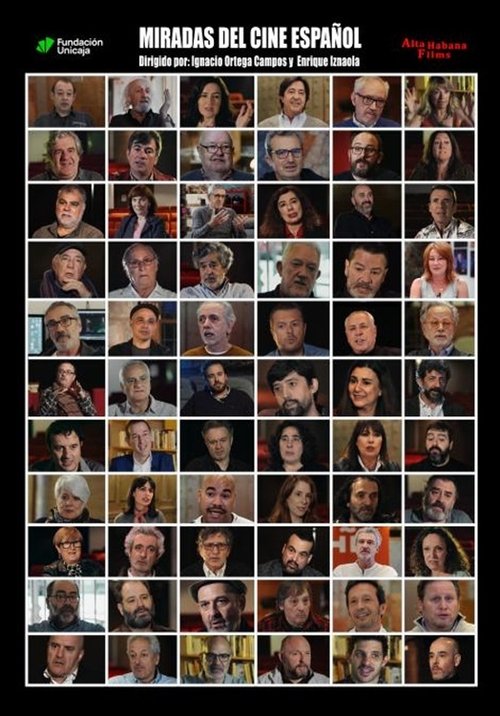
Reflections on Spanish cinema, based on seventy interviews with prominent filmmakers, analyzing their work and addressing their views on various general topics such as the industry and the evolution of Spanish cinema, as well as current issues such as the arrival of digital platforms.
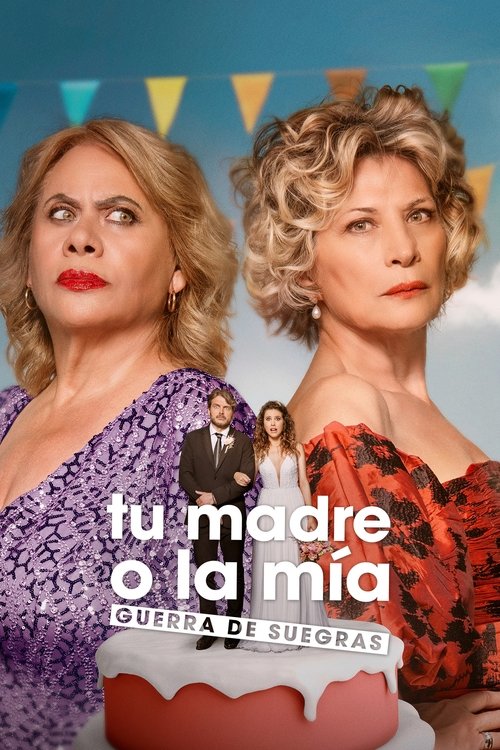
Paco and Regina are going to get married, but they don't know that this will unleash a fight between their mothers to see who decides every detail of the wedding. Carmen, Paco's mother, is an expert in sentimental blackmail to get what she wants. While Catalina, Regina's mother, is an expert in using her contacts to pressure and extort people until her slightest whim is fulfilled. Their struggle unleashes a battle of epic proportions, where nothing will be left standing.
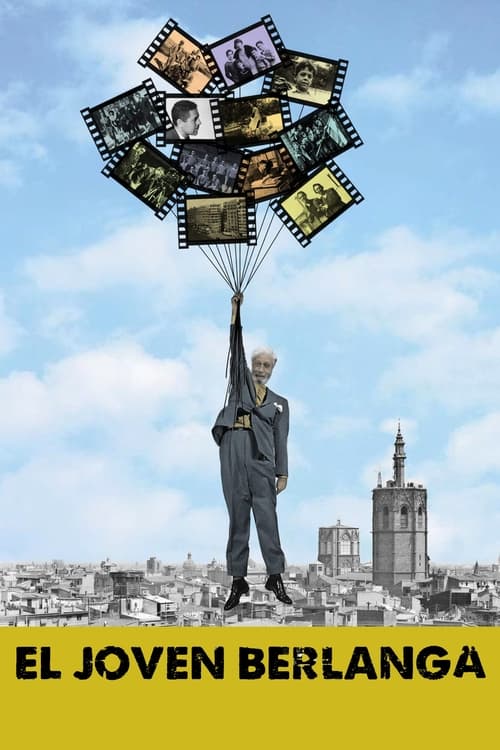
The early days of the future genius of Spanish cinema Luis García Berlanga, from his birth in Valencia in 1921 to his departure to Madrid in 1947 to become a filmmaker.

Satur and Tina are married, and Berta enters their life as a ‘unicorn.’ In the end, however, Satur is pushed out and Tina and Berta have an affair. Manu is a loser who tries to embark on a relationship with Amanda, who at the same time is involved with Alex, Claudia and Marta and Esteban, with whom they are all co-raising two children. Everyone seem to be living many different lives but all of them will have a lot to learn from each other.
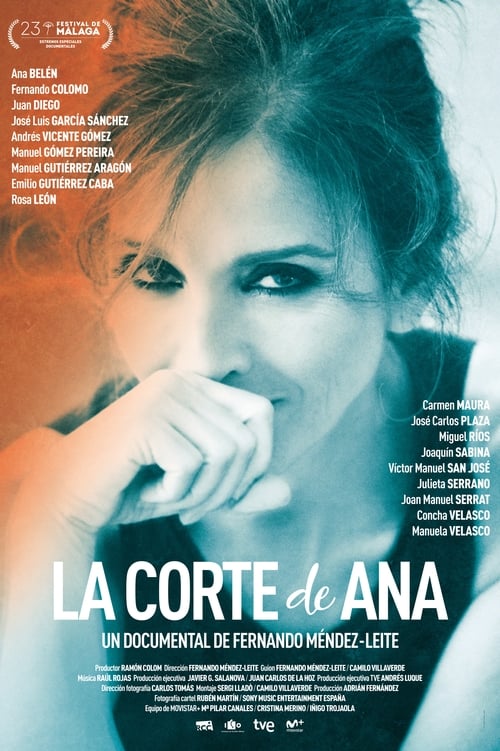
She appeared when Spain was waking up from a long post-war period and crying with melodramas starring children, a child prodigy unlike any other; a girl who, in time, would become a symbol of freedom and a total artist. Actress, singer, friend, lover. This is the story of Ana Belén.

In Spain, on May 11, 1896, at the Price circus, the first moving images ever shown in the country are projected. From that event, the Spanish actor Antonio Resines intends to compile a series of anecdotes to shape the amazing history of Spanish cinema, holding several conversations with prominent figures of the Spanish film industry.

The 70th anniversary of the “Fotogramas” magazine comes in the shape of a sentimental voyage through the history of Spanish cinema thanks to a mosaic of voices represented by people who make films, those who write them and those who consume them. The documentary pays tribute to the readers of “Fotogramas” helped by the leading figures of Spanish cinema, who will read to the camera the most representative letters received at its offices in the history of the magazine.

The personal and professional story, told in first person, of Spanish actress Carmen Maura, director Pedro Almodóvar's first muse and a brilliant artist in her own right.
Subscribe for exclusive insights on movies, TV shows, and games! Get top picks, fascinating facts, in-depth analysis, and more delivered straight to your inbox.