
Action
Adventure
Animation
Comedy
Crime
Documentary
Drama
Family
Fantasy
History
Horror
Music
Mystery
Romance
Science Fiction
Thriller
War
Western
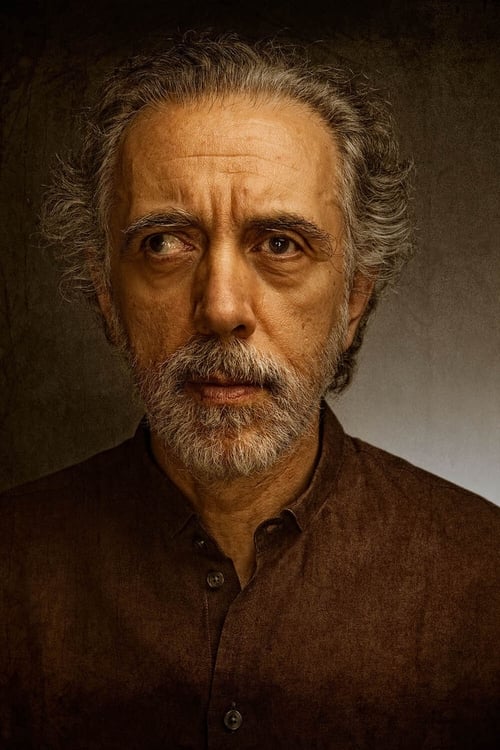
Trueba studied Cinematography at the Facultad de Ciencias de la Información, was cinema critic for the newspaper 'El País' and for 'La Guía del Ocio' and also founded the journal "Casablanca". At the movies his first success was 'Opera Prima' (1980) following the style of the "comedia madrileña". He had major success with 'Sé infiel y no mires con quién' (1985) starting a longer colaboration with ...
Explore all movies appearances
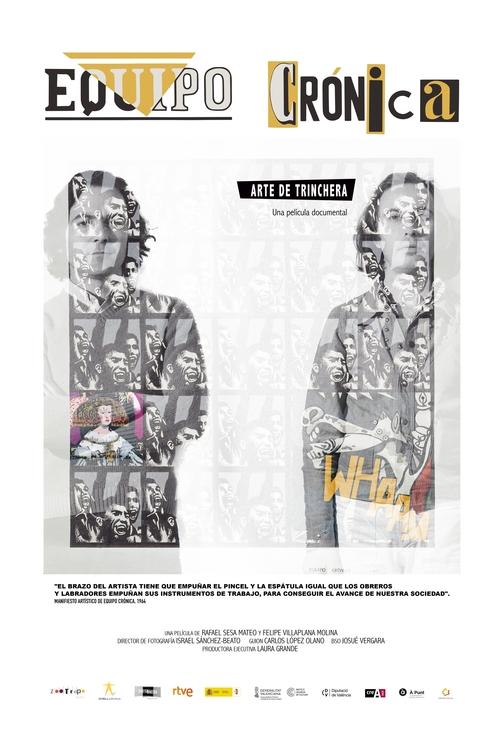
No plot available for this movie.
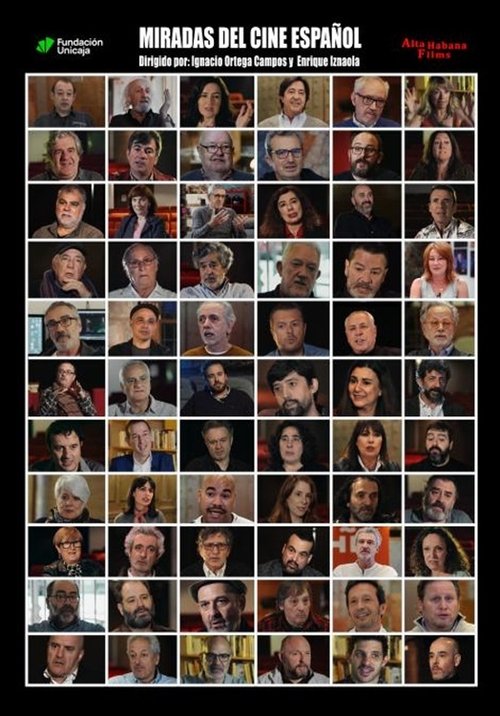
Reflections on Spanish cinema, based on seventy interviews with prominent filmmakers, analyzing their work and addressing their views on various general topics such as the industry and the evolution of Spanish cinema, as well as current issues such as the arrival of digital platforms.
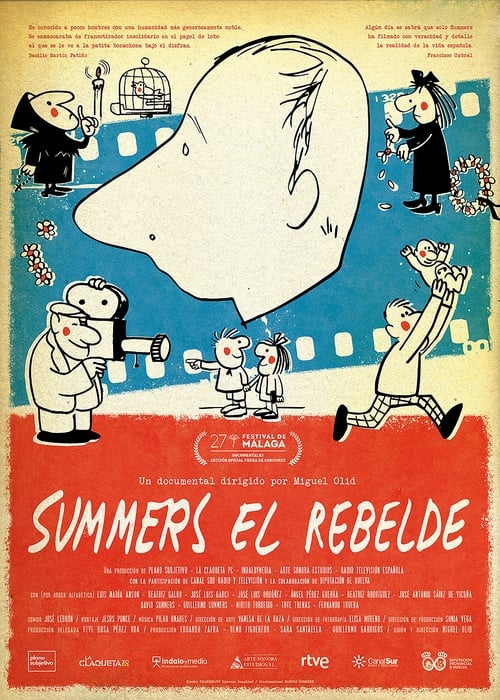
Winner of the Silver Shell for Best Director for his debut film, Del rosa... al amarillo, Manolo Summers was the great revelation of Spanish cinema. Over time, he became a very popular figure, while criticism of him intensified. Now we will get to know his personality through his own words, as well as what his films tell us about him. And with the help of film critics, directors, professionals, and his family, we will discover Summers the rebel.

After 15 years as a couple, Ale and Alex decide to throw a party to celebrate their separation, leaving their loved ones perplexed.
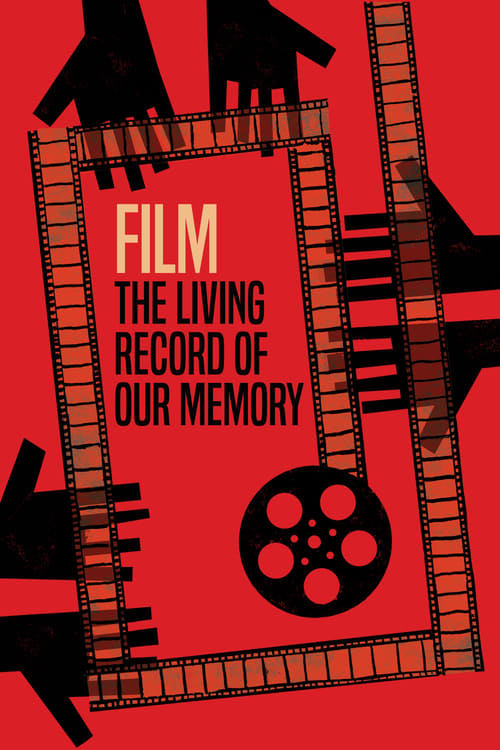
Why are we still able, today, to view images that were captured over 125 years ago? As we enter the digital age, audiovisual heritage seems to be a sure and obvious fact. However, much of cinema and our filmed history has been lost forever. Archivists, technicians and filmmakers from different parts of the world explain what audiovisual preservation is and why it is necessary. The documentary is a tribute to all these professionals and their important work.
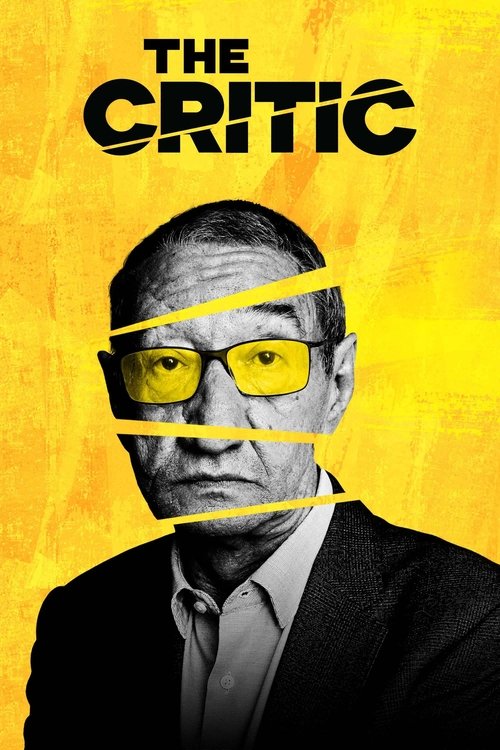
A portrait of film critic Carlos Boyero, one of the most followed and feared figures in Spanish cinema, surrounded by controversy and both love and hate.
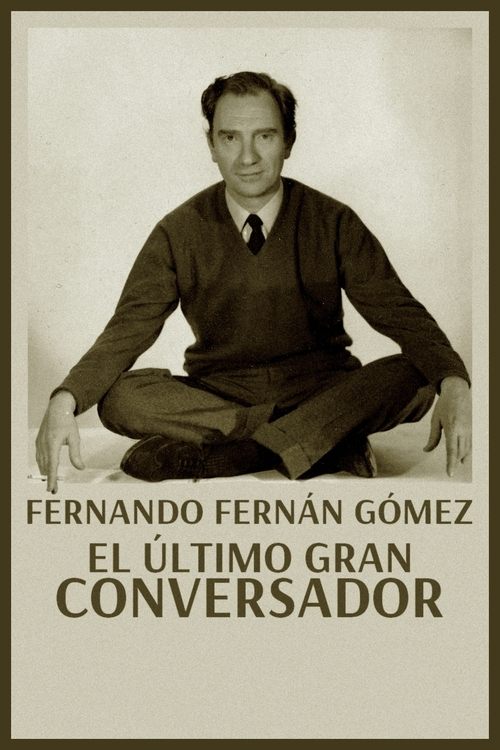
Fernando Fernán Gómez (1921-2007), actor, writer, playwright and film director, was for decades one of the most important figures in Spanish culture. His close friends and relatives reveal another facet in which he stood out above all: that of being an excellent conversationalist, capable of hypnotizing and seducing those who listened to him.
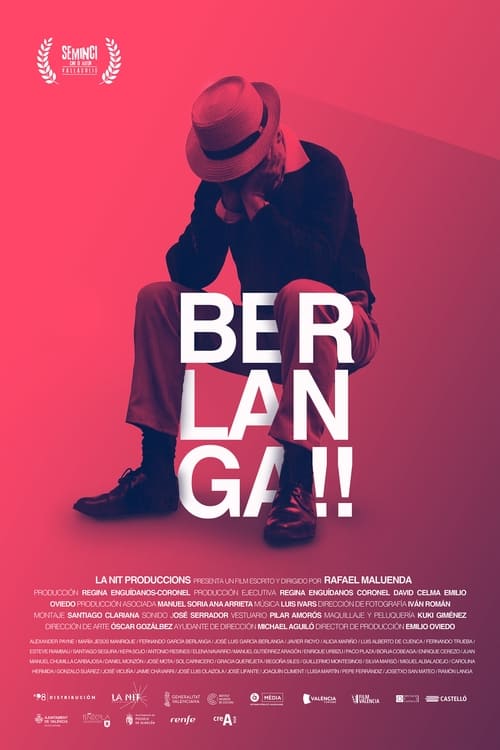
How does the vision of the brilliant Spanish filmmaker Luis García Berlanga (1921-2010) remain relevant in a time whose popular culture has little to do with his own? Since to understand the secrets of an artist it is essential to know the person behind, his family, his friends, his collaborators, as well as prestigious filmmakers and actors trace a collective portrait of a creator as singular as he is universal.
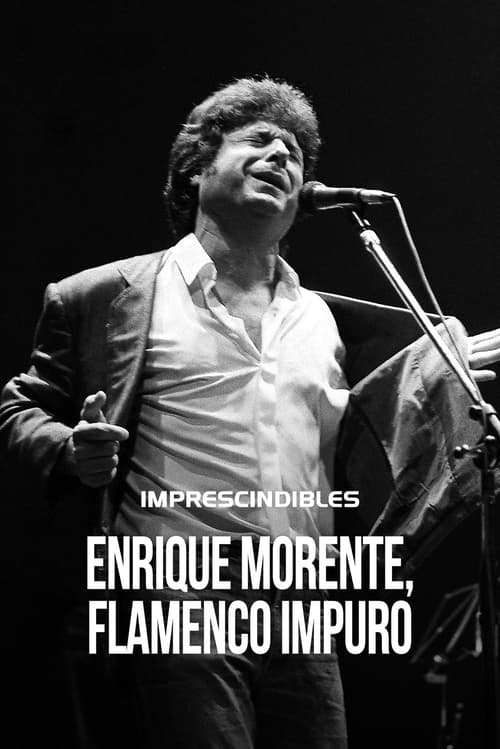
Enrique Morente's three sons tell the story of their father: the most revolutionary flamenco in history. Despite criticism from purists, he opened cante jondo to cultured poetry, brought it closer to young university students, explored its Arab roots and paired it with rock and other contemporary sounds. Much of the Spanish music of the last decades is heir to his findings.
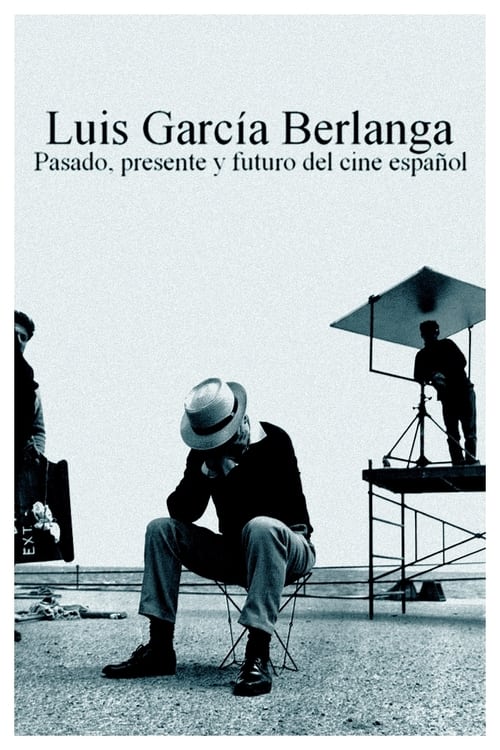
A conversation about the work of Spanish filmmaker Luis García Berlanga (1921-2010) and his perdurance in contemporary Spanish cinema.
Subscribe for exclusive insights on movies, TV shows, and games! Get top picks, fascinating facts, in-depth analysis, and more delivered straight to your inbox.