
Action
Adventure
Animation
Comedy
Crime
Documentary
Drama
Family
Fantasy
History
Horror
Music
Mystery
Romance
Science Fiction
Thriller
War
Western
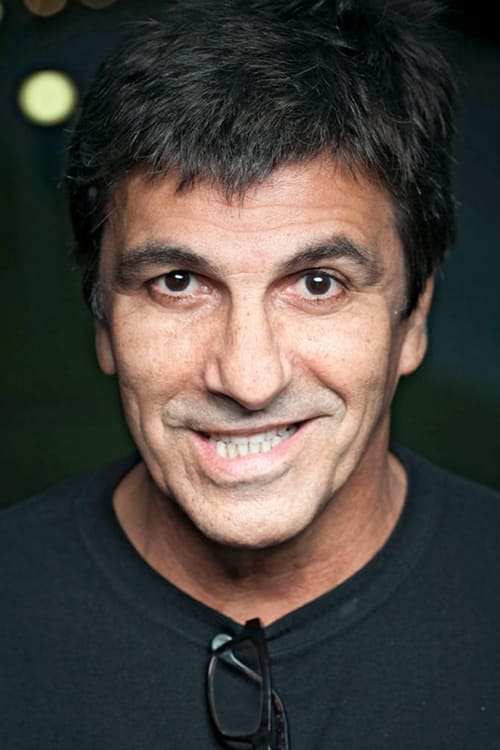
Evandro Nahid de Mesquita (Rio de Janeiro, February 19, 1952) is a Brazilian singer, songwriter and actor, known for being the lead singer of the rock band Blitz and for several works in cinema and television, including the mechanic "Paulão da Regulagem " in the series A Grande Família between 2006 and 2014.
Explore all movies appearances

Dona Lurdes is a mother and housewife who is suffering from empty nest syndrome when her last child leaves home. To escape her loneliness, she goes in search of new ways to fill her days and her life. Due to her thirst for new things, Dona Lurdes will live new experiences, build friendships and new love.

When truck racer Roger loses everything, he receives a tempting but dangerous offer: to work as the getaway driver for a gang of thieves.

A man who has no direction in life is mistaken for a famous motivational speaker. As he takes his place, he will try to find a reason to live.
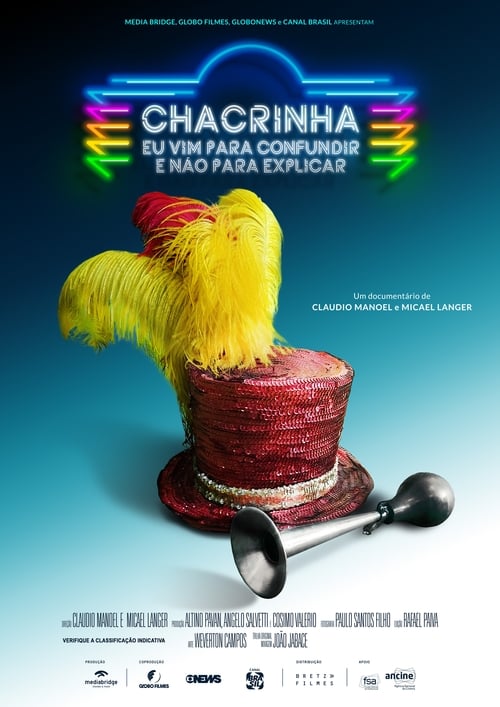
Chacrinha's legacy on TV and excerpts from his personal life are revealed through testimonials and archive images, which tell the story behind the cameras, the behind the scenes that consolidated a new way of communicating Brazil and the facets of a man who is one of the most interesting contemporary characters on the national cultural scene.

Young, intense and authentic, Dani just wants a normal life. However, since she was a child, she has been misaligned with her world.
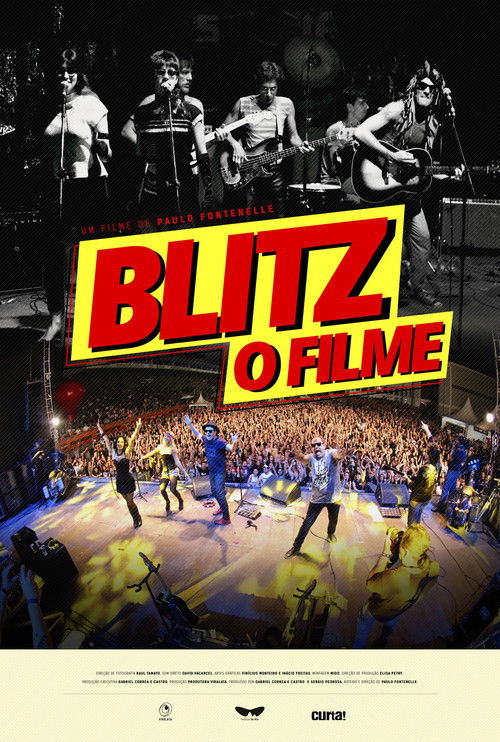
A documentary that chronicles the story of Blitz, one of the most famous Brazilian 80s rock bands known for their humorous, irreverent lyrics and free spirited attitude.
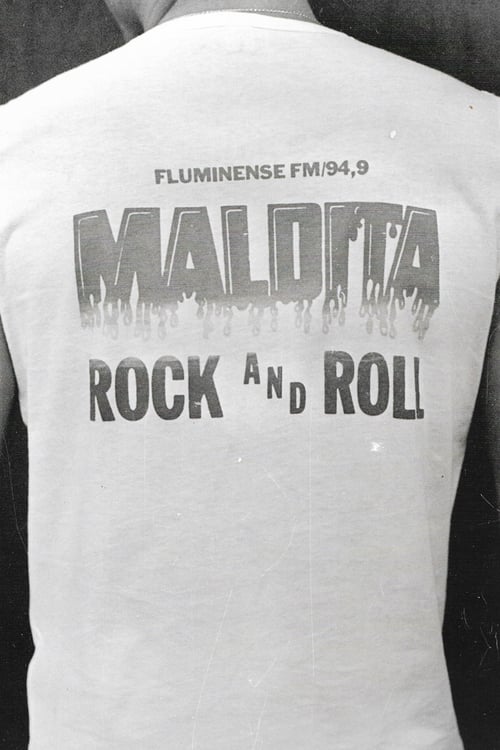
On March 1, 1982, the city of Niterói enters history and hosts one of the most important cultural movements: a so-called Rock 80 Generation. Radio Fluminense FM, known as “A Maldita”, goes on the air, mixing irreverence, daring and creativity with its programming aimed at music that lacks commercial space. The boldness of believing in the new made “Maldita” become one of the main alternative communication vehicles, launching Brazilian rock groups and independent music and creating a legion of fans.
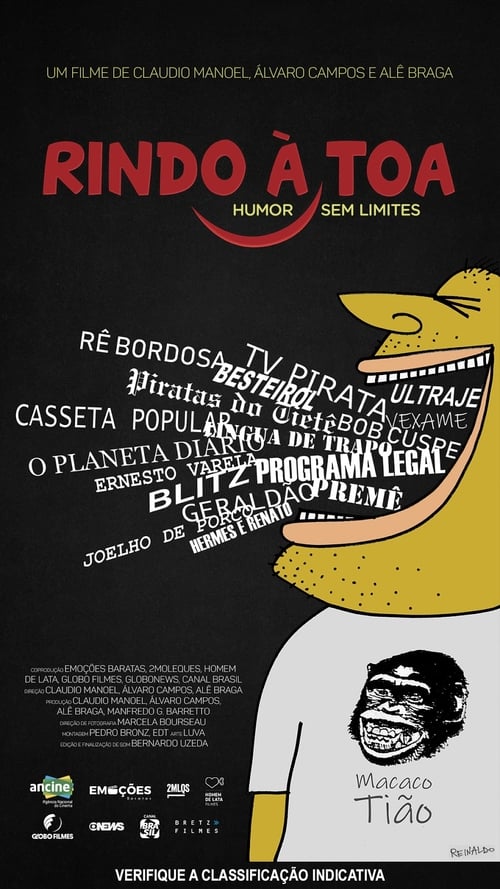
A portrays of the period in which Brazilian humor had fewer limits (1986-2003), free from military dictatorship.
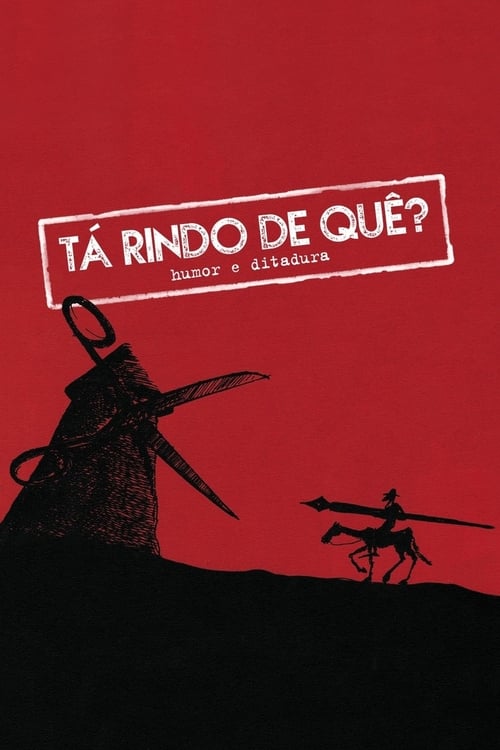
Even with all the brutality in the Brazilian dictatorial period, many artists presented themselves as a resistance, using their talent and creativity as a way to trick the censorship.
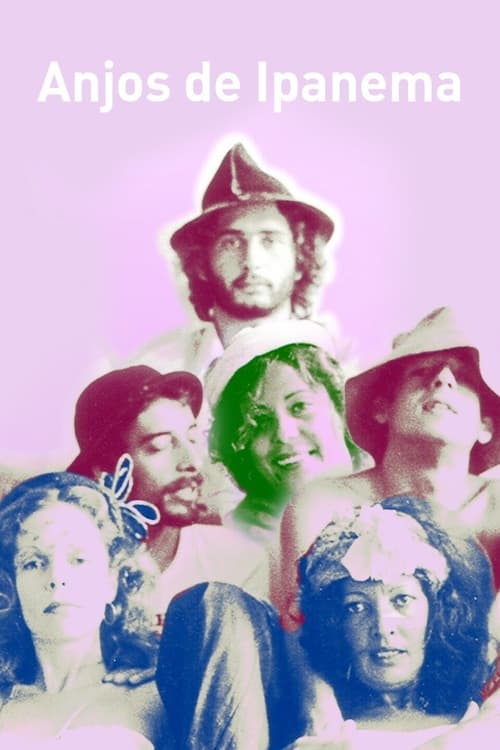
A countercultural movement that took place at Ipanema Pier marked the history of all participants. Painters, musicians, actors, surfers and others came together to change the system through peaceful demonstrations, including drugs, sex and new experiences. After decades of events, the main participants recall the events.
Subscribe for exclusive insights on movies, TV shows, and games! Get top picks, fascinating facts, in-depth analysis, and more delivered straight to your inbox.