
Action
Adventure
Animation
Comedy
Crime
Documentary
Drama
Family
Fantasy
History
Horror
Music
Mystery
Romance
Science Fiction
Thriller
War
Western
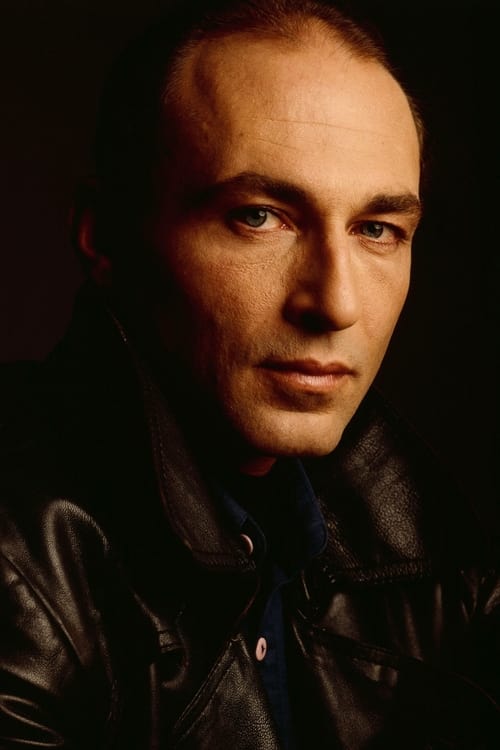
Ron Vawter (December 9, 1948 – April 16, 1994) was an American actor and a founding member of the experimental theater company The Wooster Group. Vawter performed in most of the group's works until his death from a heart attack in 1994 at the age of 45.
Explore all movies appearances
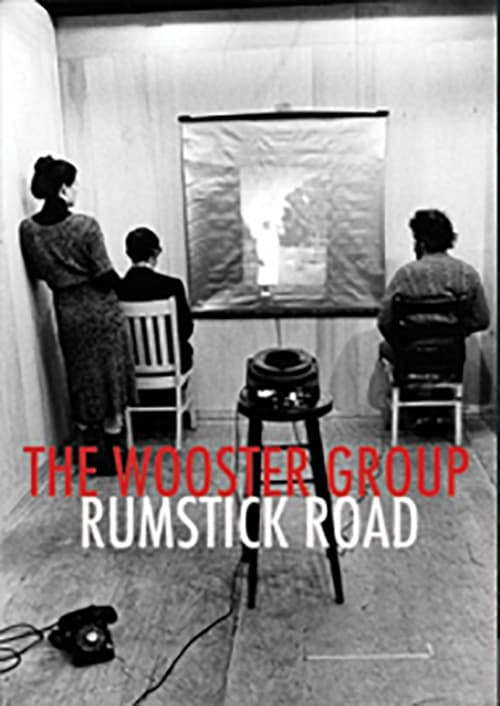
A video reconstruction of the 1977 Wooster Group production Rumstick Road, an experimental theater performance created by Spalding Gray and Elizabeth LeCompte after the suicide of Gray's mother. Archival recordings are combined with photographs, slides, and other materials to recreate the original production.
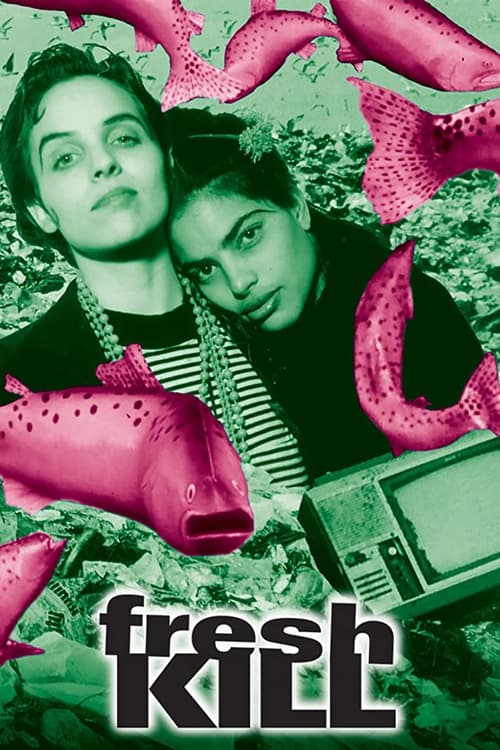
Shareen and Claire, a lesbian couple living on Staten Island, find themselves ensnared in a vast conspiracy involving a ghost ship of nuclear refuse, ominous television commercials, and deadly cat food.
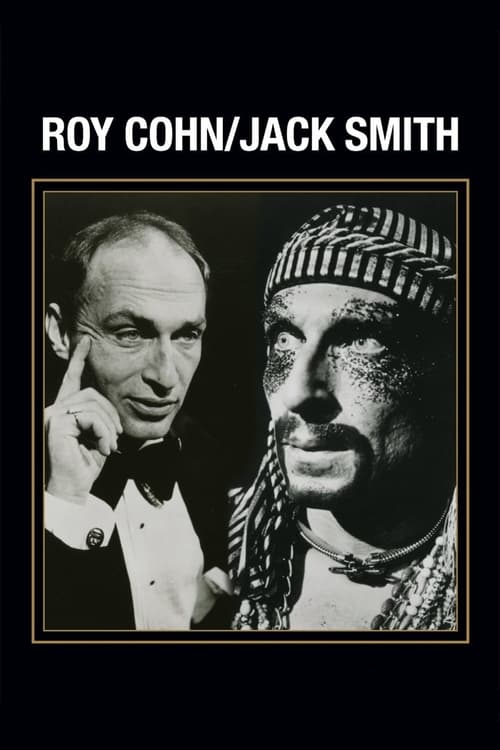
When Jill Godmilow’s movie Roy Cohn/Jack Smith premiered at the 1994 Toronto International Film Festival, the number of AIDS-related deaths was reaching an all-time high in the United States (over 270,000). In New York City, the epicenter of the AIDS epidemic, many artists and filmmakers were grappling with the disease. While Broadway was hosting the second part of Tony Kushner’s award-winning play Angels in America, downtown New Yorkers were fondly recalling another recent production, Ron Vawter’s one-man show Roy Cohn/Jack Smith, in which the actor, who died of AIDS in April 1994, performed two monologues, first as Cohn, the conservative lawyer, and secondly, as Smith, the flamboyant experimental filmmaker—both of whom died of AIDS-related causes in the late 1980s.

Made in memory of the actor and my friend, Ron Vawter. Ron passed away shortly after the opening performances of the play "Philoktetes Variations," directed by Jan Ritsema and co-authored by Ritsema and Vawter. It was produced by the Kaaitheater in Brussels. All of the images in this video were originally created for the play.
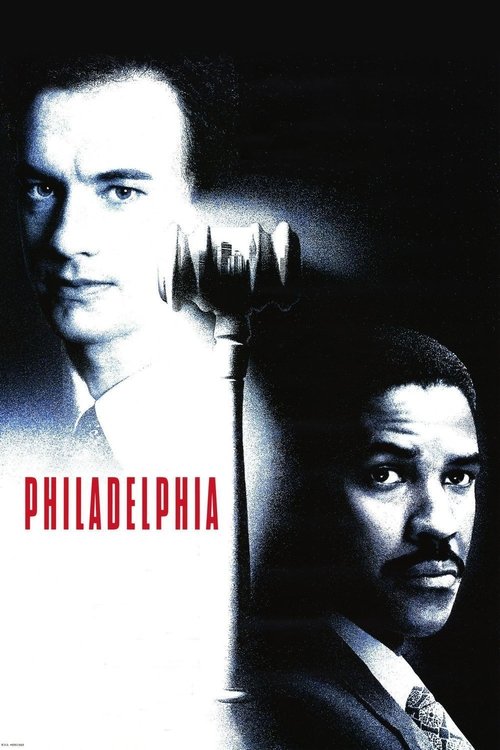
Two competing lawyers join forces to sue a prestigious law firm for AIDS discrimination. As their unlikely friendship develops their courage overcomes the prejudice and corruption of their powerful adversaries.

White Homeland Commando takes the familiar terrain of network action drama and tilts the playing field. Reminiscent of today's popular reality-based cop shows, White Homeland Commando offers a straightforward story: four members of a special police unit investigate and infiltrate a New York-based white supremacist organization. But that is where the commonplace ends. The teleplay is shot and edited in a highly textured visual style, the colors are subdued yet somehow garish, and the sound is deliberately just out of sync with the speaker's lips. Occasional static combines with jumps in the plot — the editing is reminiscent of a television viewer flipping channels.
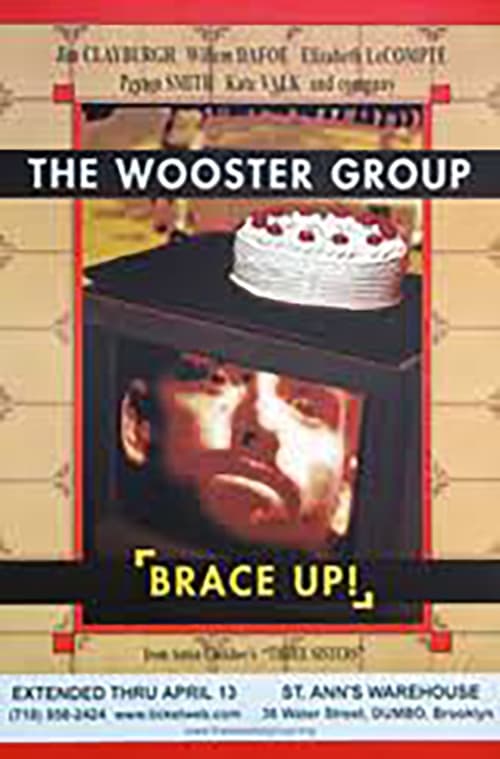
The Wooster Group's production of Anton Chekhov's Three Sisters, translated by Paul Schmidt and directed by Elizabeth LeCompte, with performances from Kate Valk, Peyton Smith, Scott Shepherd, Ari Fliakos, Anna Kohler, Beatrice Roth, Ron Vawter, and Willem Dafoe. This presentation of the 2003 production of BRACE UP!, designed by Ken Kobland and LeCompte, incorporates close-up recordings of the performers simultaneously with continuous wide-angle footage.
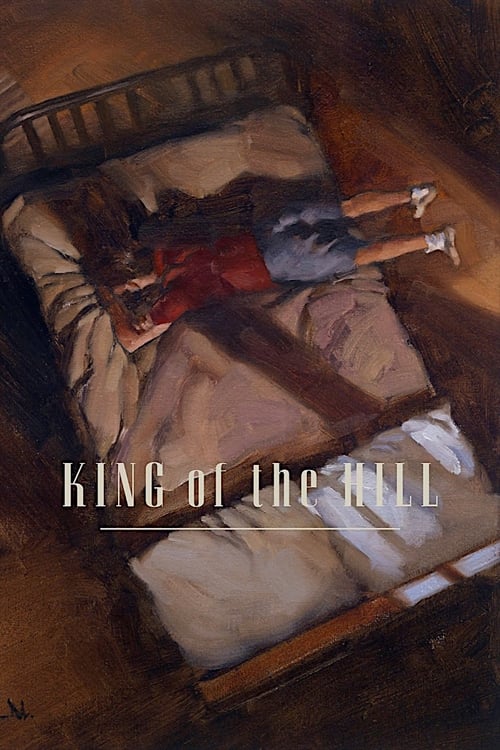
Based on the Depression-era bildungsroman memoir of writer A. E. Hotchner, the film follows the story of a boy struggling to survive on his own in a hotel in St. Louis after his mother is committed to a sanatorium with tuberculosis. His father, a German immigrant and traveling salesman working for the Hamilton Watch Company, is off on long trips from which the boy cannot be certain he will return.
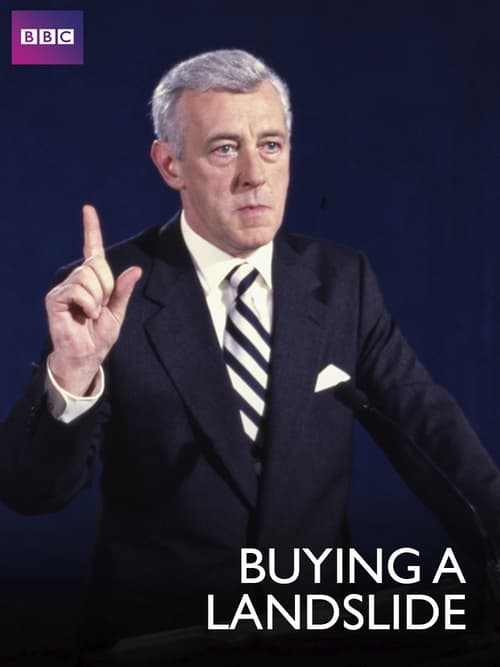
Republican Senator Walter Partin trails Democrat Philip Kautsky in the polls and will shortly face him in a televised debate. Drafted to play Kautsky in rehearsals is Michael Tyne, ex Democrat turned Republican. But Tyne is alarmed by an unexpected twist in the Partin campaign and reacts in devastating fashion.
Recorded during the initial run of the Obie Award-winning ROY COHN/JACK SMITH, this video documents the seminal performance piece as it was first seen by New York audiences. In its first half, Ron Vawter, following a script by Gary Indiana, conjures an after-dinner speech as it might have been delivered by notorious right wing political figure and closeted gay man Roy Cohn, as he addresses “The American Association for the Protection of the Family”. In its second half, Vawter re-emerges on stage in flamboyant costume as fiercely queer performance art pioneer, Jack Smith. Together, the two portraits present a complex, incisive, and discomforting view of queer identities as they collide with American culture. – Anthology Film Archives
Subscribe for exclusive insights on movies, TV shows, and games! Get top picks, fascinating facts, in-depth analysis, and more delivered straight to your inbox.