
Action
Adventure
Animation
Comedy
Crime
Documentary
Drama
Family
Fantasy
History
Horror
Music
Mystery
Romance
Science Fiction
Thriller
War
Western
Explore all movies appearances
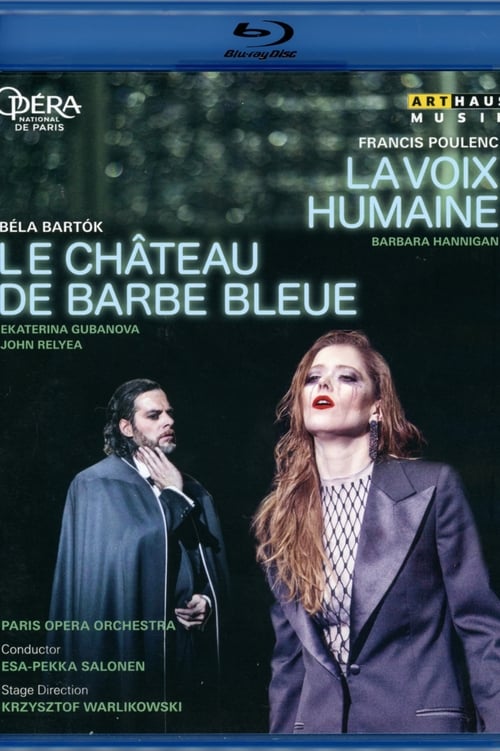
Running through Bartók’s disenchanted tale, whose haunting music was initially condemned as unplayable, and the expression of despair in Poulenc’s monologue, the director Krzysztof Warlikowski perceives a shared dramatic thread, a shared feminine consciousness and a shared sense of imprisonment and suffocation: for the woman who penetrates the confines of Bluebeard’s castle and Elle, the woman who clings to a telephone conversation with a man as the only thing worth living for, are condemned to share the same fate. And this man she speaks to, does he really exist? Unless the director has interpreted Cocteau’s words to the letter and the telephone has become a “terrifying weapon that leaves no trace, makes no noise”…
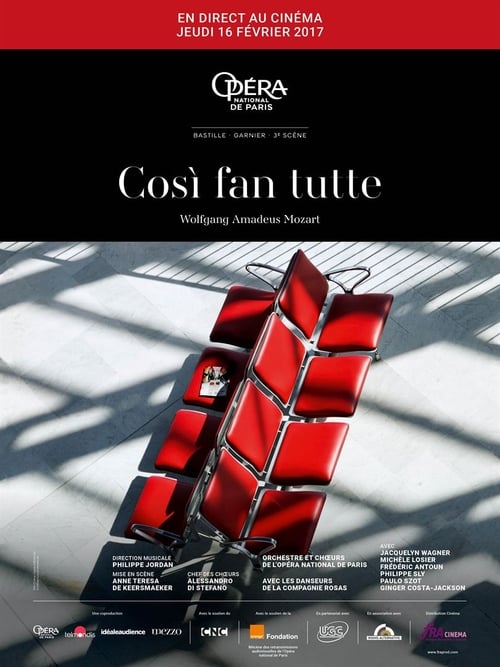
Prompted by Don Alfonso, a cynical old philosopher, two young idealists decide to put their lovers’ fidelity to the test. But love will teach them a bitter lesson: those who believe themselves phoenixes and goddesses will discover the desires of the flesh… In 1790, one year after the French Revolution, in what would be their final collaboration, Mozart and Da Ponte conduct a scientific investigation of love. With six singers doubled by six dancers, Anne Teresa De Keersmaeker depicts the desire which unites and separates human beings, like the interactions between atoms that, once broken, make new bonds possible
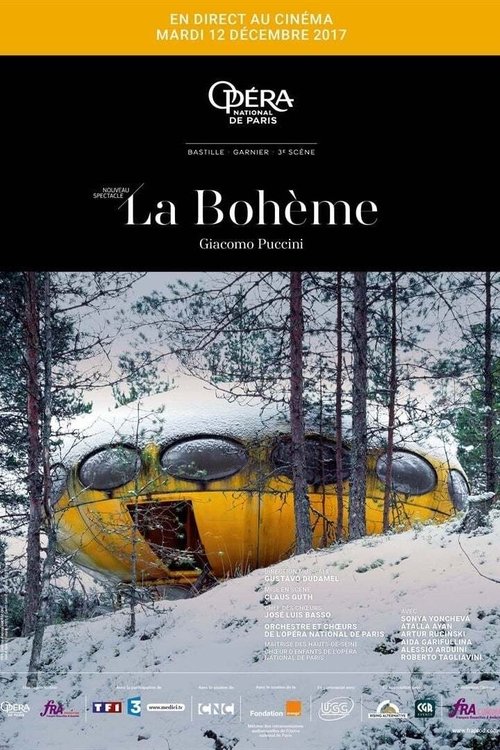
No one better described the half-starved, struggling artists than Murger in his Scènes de la Vie de Bohème: artists ready to burn a manuscript to try to keep warm yet,in an era of triumphant bourgeois materialism, dreaming of another existence. Taking up these scenes of Bohemian life, Puccini offers us a heart-breaking love story and some of the most beautiful music in the history of opera in the story of the poet Rodolfo and fragile Mimi. The staging of this new production has been entrusted to Claus Guth who sets the drama in a future devoid of hope in which love and art become the sole means of transcendence.
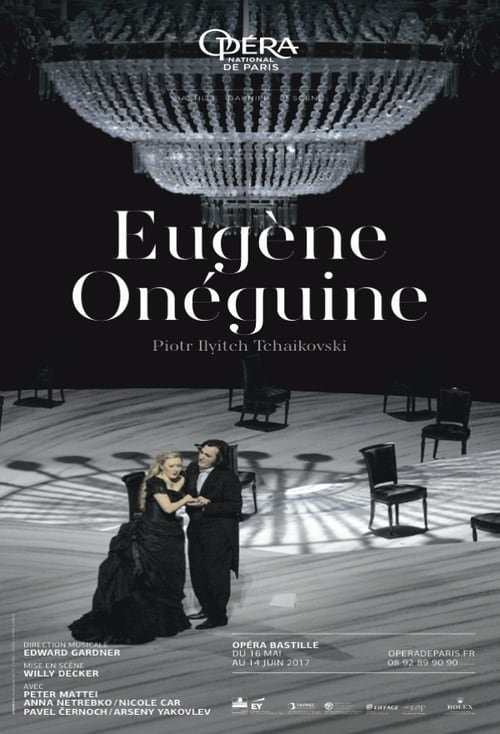
Inspired by Pushkin's masterpiece of Russian literature, Tchaikovsky’s opera provides a sublime portrait – both ironic and sympathetic – of a character embittered by society life, rejecting love out of vanity, killing his friend the poet Lenski out of pride and spending the rest of his days in abject despair. A repertoire classic, Willy Decker’s streamlined production makes the Paris Opera echo once more to the strains of Russian romantic music. Edward Gardner conducts an exceptional cast including Peter Mattei in the title role and Anna Netrebko as Tatiana.
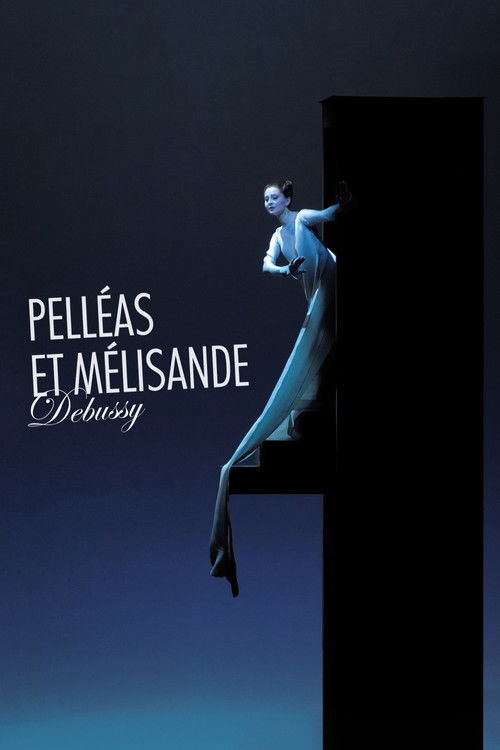
Debussy's masterpiece, for the first time conducted by the Paris Opera's music director Philippe Jordan, in the fairy staging by Robert Wilson. When Prince Golaud, grandson of King of Allemonde, meets the beautiful Mélisande, he knows nothing about her. Though, he marries her. A few months later, Golaud announces his wedding to his brother Pelléas, who seems to be falling in love with the woman.
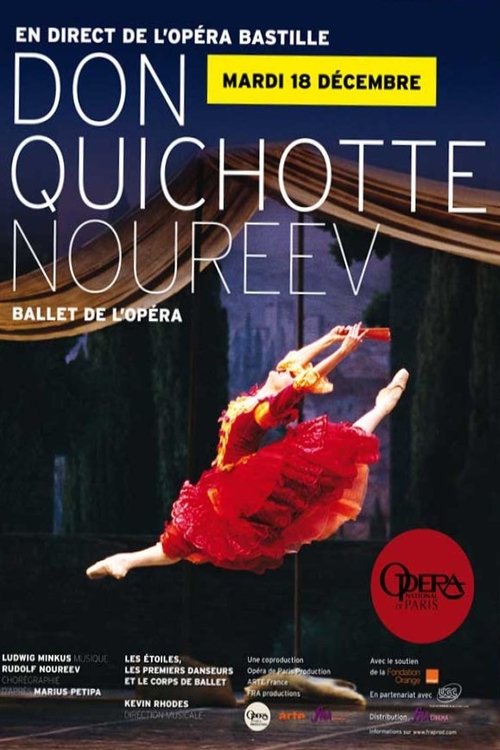
In 2012, the Opéra national de Paris mounted a new production of Rudolf Nureyev's celebrated re-interpretation of the Minkus–Petipa ballet Don Quixote. Goya-inspired sets by Alexandre Beliaev and costumes by Elena Rivkina, and a ravishing performance by the Orchestre de l'Opéra national de Paris under the direction of Kevin Rhodes make for an unforgettable adventure into this magical and comical world.
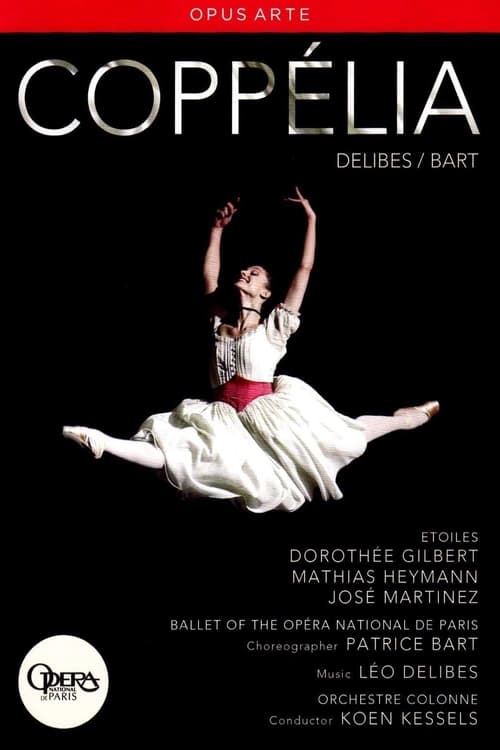
Premiered in Paris in 1870, and inspired by the fantastical writings of E.T.A Hoffmann, Coppélia tells the story of a young man who falls in love with an exquisite automaton. He is finally brought to his senses by his fiancée. In his production from the magnificent Palais Garnier, choreographer Patrice Bart reveals his interpretation of the ballet.
For the first time at the Paris Opera, Natalie Dessay sings one of the most beautiful roles of Italian romanticism. She embodies the modest and charming Amina, this sleepwalker who, escaping from her bedroom, becomes another person as she wanders through the night. This opera by Bellini is a score seemingly written in a daydream, where melody is apparently suspended in time and the heroine's very soul rises to the surface, and where instruments take on transparent tones. At the same time, Bellini portrays the cruelest of worlds – our own – where it is more than difficult for fragility and gentleness to shine past the darker rashness and unfriendliness of the characters.
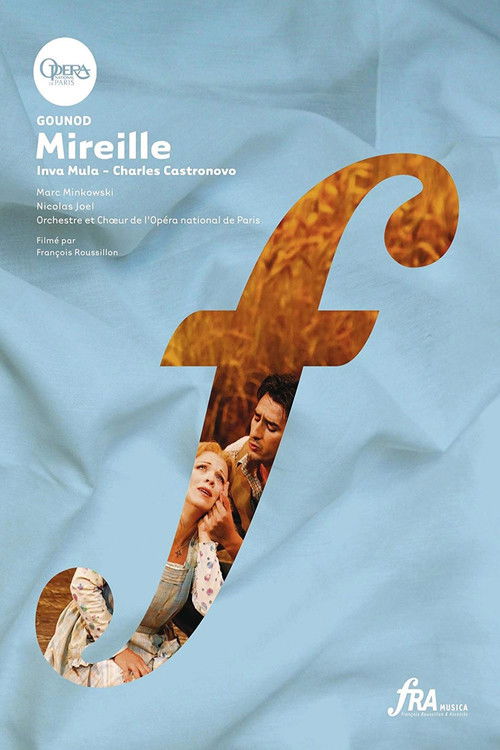
In 2009, Frédéric Mistral’s tale of love and loss in Provence came to the Opéra de Paris with a new production of Gounod’s 1864 opera Mireille. Nicolas Joel’s naturalistic staging frames the accomplished performances of Albanian soprano Inva Mula as Mireille and American tenor Charles Castronovo as her ardent country lover Vincent.
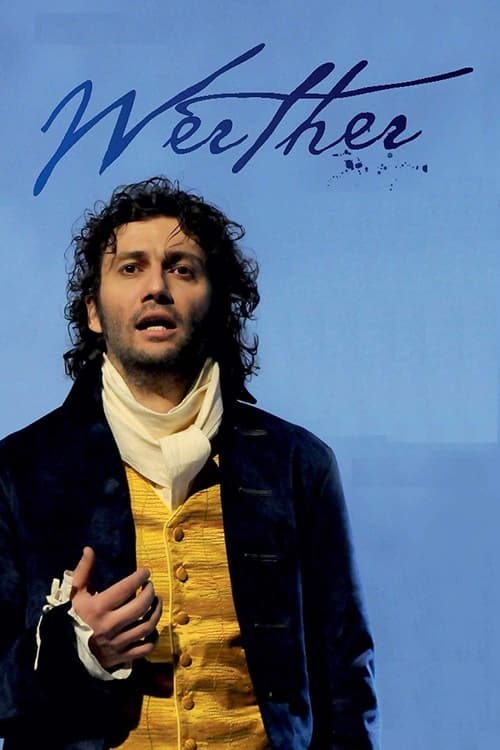
Werther loves Charlotte, but she promised her mother on her deathbed that she would marry Albert. After the marriage Charlotte suggests that Werther should travel - but not forget her. In addition to the singing and orchestral accompaniment, the entire cast acts very convincingly. And, there's no backstage mugging, entrances and spoken nonsense to spoil the experience of the drama.
Subscribe for exclusive insights on movies, TV shows, and games! Get top picks, fascinating facts, in-depth analysis, and more delivered straight to your inbox.