
Action
Adventure
Animation
Comedy
Crime
Documentary
Drama
Family
Fantasy
History
Horror
Music
Mystery
Romance
Science Fiction
Thriller
War
Western
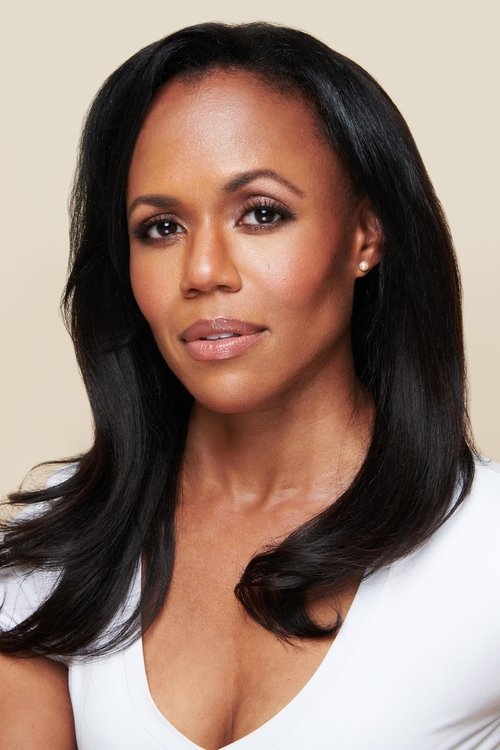
Nikki Renée Daniels is an acclaimed Broadway actress and concert soloist. She recently finished a run as Lady Larken in the Broadway revival of Once Upon a Mattress. You may have seen Nikki featured in the PBS concert specials: Broadway’s Brightest Lights and Black Broadway: A Proud History, a Limitless Future. She played Eve/Mama Noah in Children of Eden at David Geffen Hall at Lincoln Center, A...
Explore all movies appearances
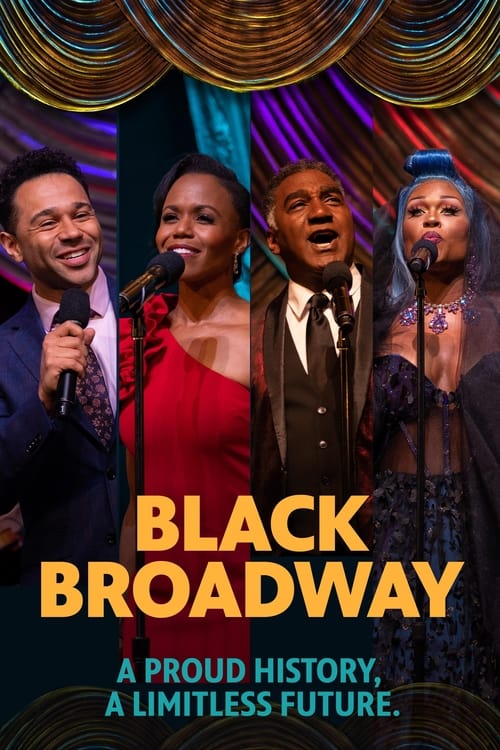
Celebrate legendary performances and roles made famous by Black artists as well as the new generation of Black Broadway stars. An acclaimed cast performs classic songs from “The Wiz,” “The Color Purple” “Porgy and Bess” and many more that honor the rich history and evolution of Black roles and voices on Broadway. Weaving the history, prominence and hopes for the future through music, the cast includes Stephanie Mills, Norm Lewis, Corbin Bleu and more. Making special appearances are Clayton Cornelius, James Monroe Iglehart and more.

The Boston Pops performs Ragtime: The Symphonic Concert, prepared by the original creators Terrence McNally, Lynn Ahrens, and Stephen Flaherty especially for the Pops. Based on the 1975 novel by E.L. Doctorow, Ragtime weaves together the stories of three intersecting groups in the U.S. in the early 20th century: Eastern European immigrants, the African American community in Harlem, and an upper-class white family. Together, they confront history's timeless tensions of wealth and poverty, freedom and prejudice, hope and despair.
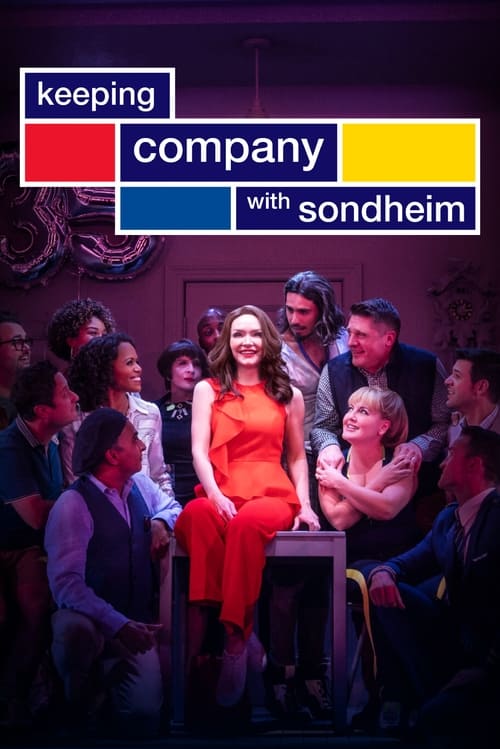
Filmed over two years, this new documentary takes an exclusive inside look at Tony-winning director Marianne Elliott’s creative process of bringing a reimagined gender-swapped production of Stephen Sondheim and George Furth’s musical Company to Broadway during the COVID-19 pandemic. Featuring rehearsal and performance footage, plus new interviews with Elliott, Sondheim, Katrina Lenk, Patti LuPone and members of the original 1970 cast, the broadcast tells the story of the show’s Broadway debut in a city on the verge of bankruptcy to its reimagination 50 years later as both Broadway and New York City emerge from one of the greatest crises in contemporary history.
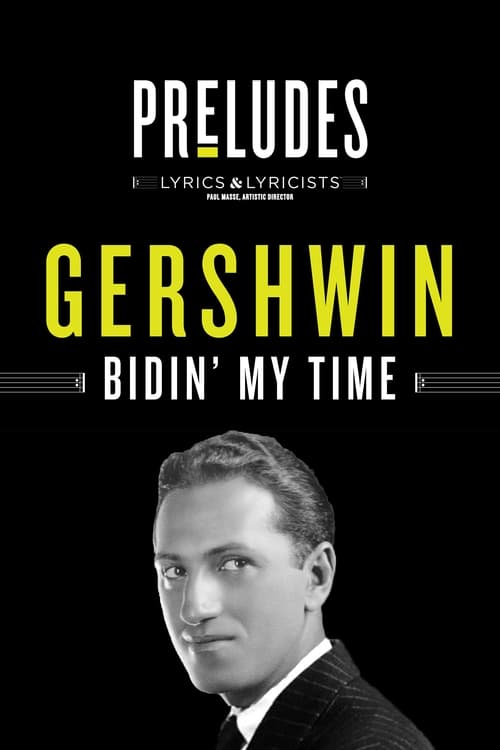
This program is set among excerpts of letters and archival interviews with George Gershwin and his brother and lyricist Ira Gershwin, his longtime musical collaborator Kay Swift, and the legendary pianist Oscar Levant. The words of Todd Duncan and Anne Brown, the original Porgy and Bess, provide an intimate perspective on the creation of Gershwin’s “folk opera” and the invaluable contributions of its performers. Peppered among hits like “Embraceable You” and “Love Is Here To Stay” are pieces of essays written by George Gershwin in which he pondered and pontificated on the meaning of “jazz” and the definition of “music” itself. Asserting his constant effort to eschew genres, Gershwin wrote: “From any sound critical standpoint, labels mean nothing at all. Good music is good music, even if you call it ‘oysters.’”
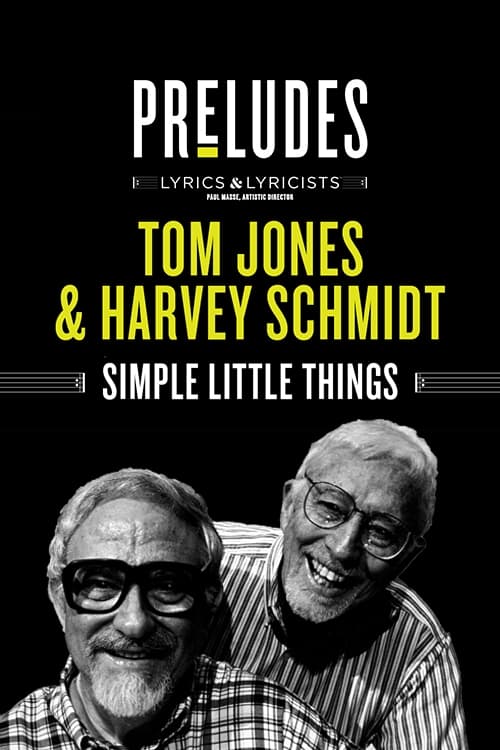
60 years ago, on May 3, 1960, at the tiny Sullivan Street Playhouse in Greenwich Village, The Fantasticks opened on the sparsest of budgets and ran uninterrupted for nearly 42 years, closing on January 13, 2002 after a record 17,162 performances. Its elegance and simplicity endured four decades of the chaotic world going “Round and Round” while its creators continued their evolution into several uptown successes. Including 110 In the Shade and I Do! I Do!, the jewel box of creativity that is the Jones and Schmidt collaboration is perhaps the most steadfast of its kind.
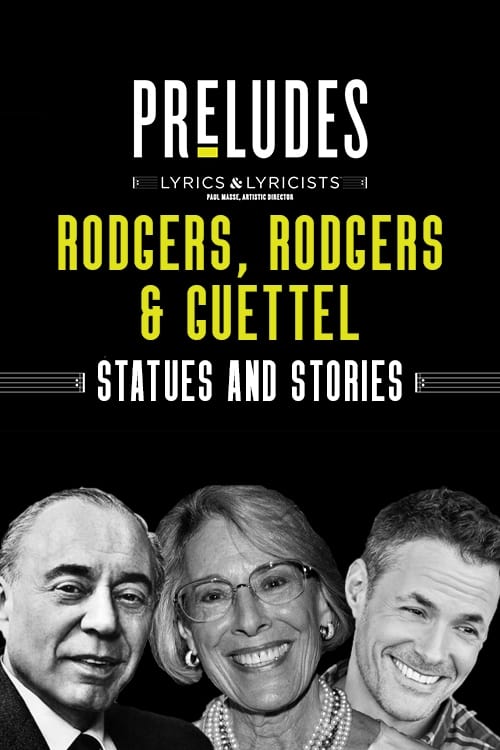
The groundbreaking works of Richard Rodgers, most famously in his collaborations with Lorenz Hart and Oscar Hammerstein II, gave us the foundation of the modern musical form. But Rodgers also left a family lineage that has enriched the craft in abundant fashion. In a loose song cycle format, this program will weave his work with the charming and witty creations of daughter Mary Rodgers (Once Upon a Mattress) and the complex and extraordinary palette of grandson Adam Guettel (The Light in the Piazza, Floyd Collins), as we look toward the progression of musicals over the decades and into the future.
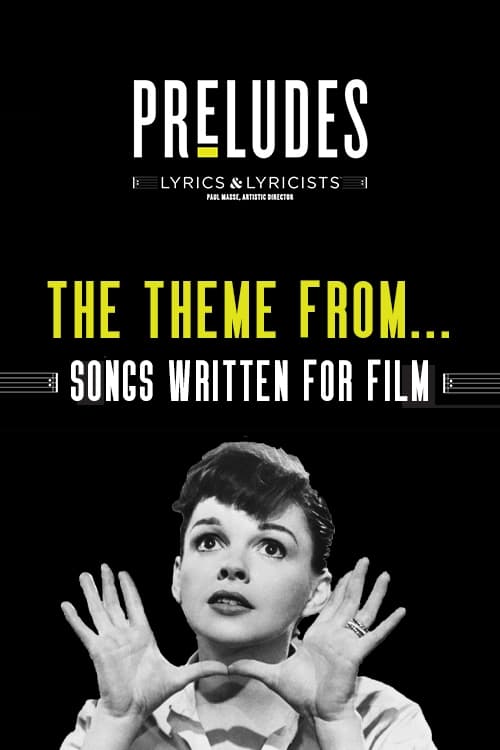
As a celebration of our performers, and the necessary medium of film to tell these stories at this moment in time, this special program presents some of the best songs specifically written for film ever since the genre first achieved the technology to capture sound. A diverse concert of hits like “Moon River” and “The Man That Got Away” mixed in with other songs from decades of film history offers a look at the effect of these songs on an audience and how, even in a non-musical film, music is key to unlocking the emotional journey of storytelling.
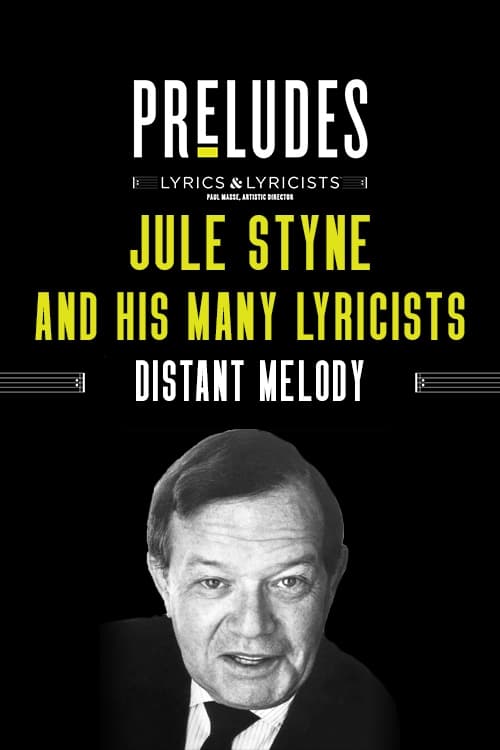
It is said that Jule Styne published over 1,500 songs in his lifetime, a staggering number that spans decades and includes dozens of collaborators. Beginning with Sammy Cahn in the 1940s, his lyricists would include names like Betty Comden, Adolph Green, Leo Robin, Bob Merrill, and Stephen Sondheim. Styne wrote some of our most famous songs and classic Broadway hits, with a multitude of lesser-known work along the way. The lasting power of star vehicles like Gypsy and Funny Girl has remained throughout every sea change of cultural mood and sentiment.
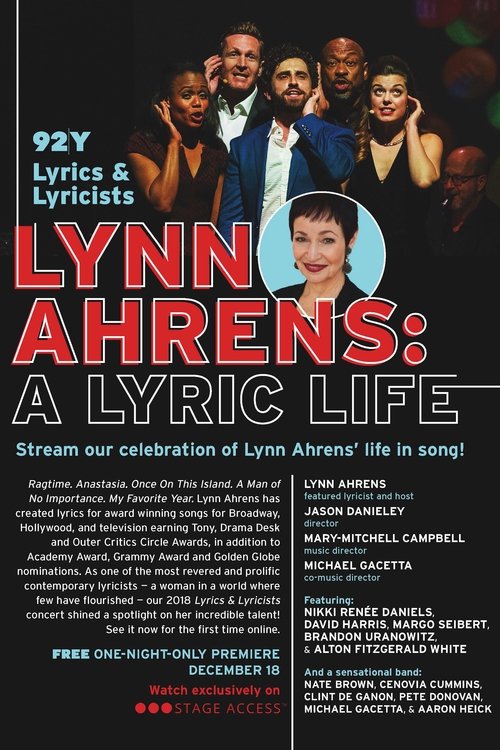
Ragtime. Anastasia. Once On This Island. A Man of No Importance. My Favorite Year. Lynn Ahrens has created lyrics for award winning songs for Broadway, Hollywood, and television earning Tony, Drama Desk and Outer Critics Circle Awards, in addition to Academy Award, Grammy Award and Golden Globe nominations. As one of the most revered and prolific contemporary lyricists—a woman in a world where few have flourished—it's time to shine a light on her incredible talent!
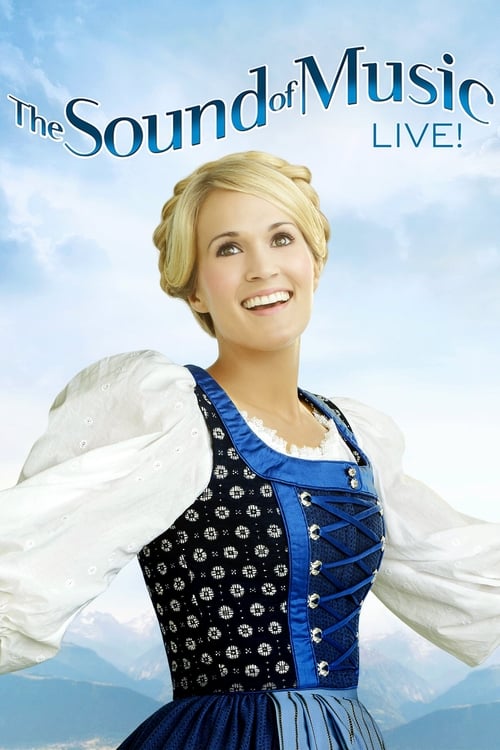
The Sound of Music Live! is a television special that was originally broadcast by NBC on December 5, 2013. Produced by Craig Zadan and Neil Meron, the special was an adaptation of Rodgers and Hammerstein's Broadway musical The Sound of Music, starring country singer Carrie Underwood as Maria von Trapp, performed and televised live from Grumman Studios in Bethpage, New York. Meron felt that if the telecast were successful, the concept could become "another kind of entertainment that can exist on TV." By her request, Underwood's casting as Maria was personally endorsed by Julie Andrews, who starred in the 1965 film.
Subscribe for exclusive insights on movies, TV shows, and games! Get top picks, fascinating facts, in-depth analysis, and more delivered straight to your inbox.