
Action
Adventure
Animation
Comedy
Crime
Documentary
Drama
Family
Fantasy
History
Horror
Music
Mystery
Romance
Science Fiction
Thriller
War
Western
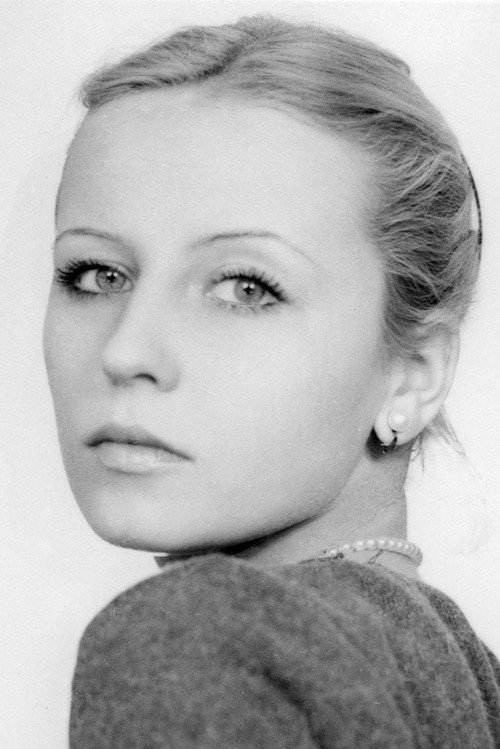
Krystyna Jolanta Janda (Polish: [krɨˈstɨ.na ˈjan.da]; born 18 December 1952) is a Polish film and theatre actress, director, and singer. She is best known internationally for playing leading roles in several films by Polish film director Andrzej Wajda, including Man of Marble (Człowiek z marmuru, 1976) and Man of Iron (Człowiek z żelaza, 1981). She is widely considered one of the most popular and ...
Enjoying the content? Support us!
Explore all movies appearances
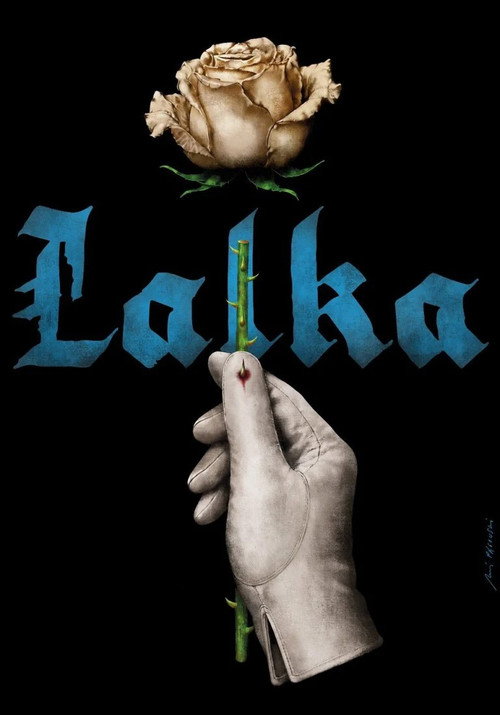
Wealthy merchant Stanislaw Wokulski falls tragically in love with beautiful yet vain Izabela Lecka. His unfulfilled love leads to many foolish decisions sealing his fate.
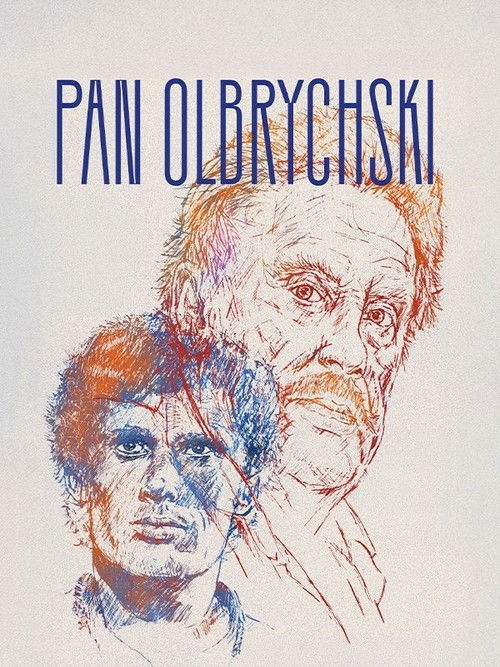
Biographical documentary film presenting the silhouette and artistic path of the outstanding actor Daniel Olbrychski. The narrative of the main character is confronted with his colleagues and friends, in contemporary interviews, including: with Krystyna Janda, Jerzy Hoffman, Krzysztof Zanussi, Volker Schlondorff and Adam Michnik. The archival materials will include statements and excerpts from the realization of scenes from Andrzej Wajda's films. The film roles of the main character are intertwined with his private life.
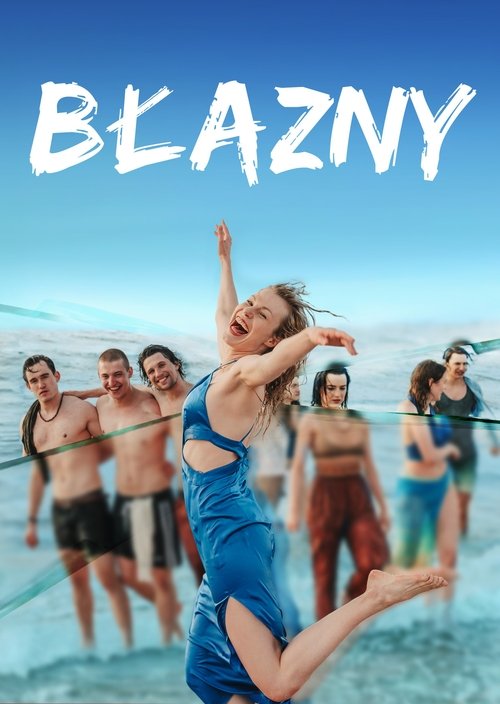
Students from the Faculty of Acting find out that their graduation film will be made by the famous director Gajda. The news is electrifying – everyone wants to be in the cast. As rehearsals begin, the students’ personalities, dreams and ambitions are revealed
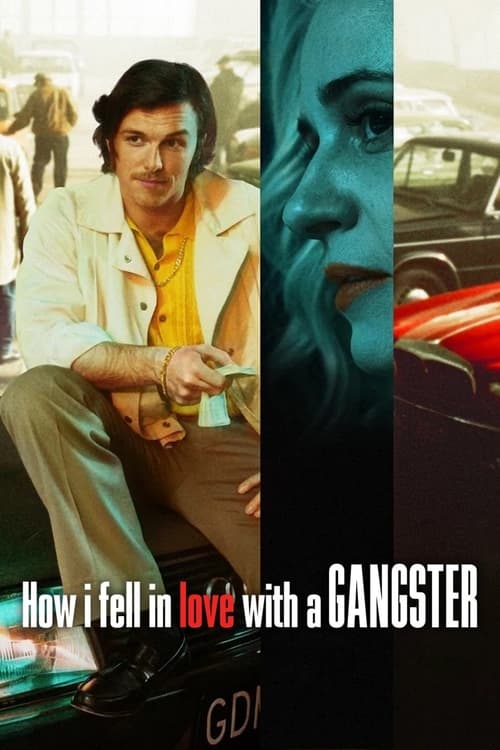
A mysterious woman recounts the rise and fall of Nikodem "Nikoś" Skotarczak, one of the biggest gangsters in Poland's history. Inspired by a true story.

The film was inspired by one of the most important documentaries shot by Krzysztof Kieślowski, Talking Heads (1980). The director asked his interlocutors seemingly simple questions, such as “Who are you?” and “What do you want?”.
Fleeing from despair after losing those dearest to him, the hero hides in a safe land of memories, where time stands still and all those dear to him are alive.
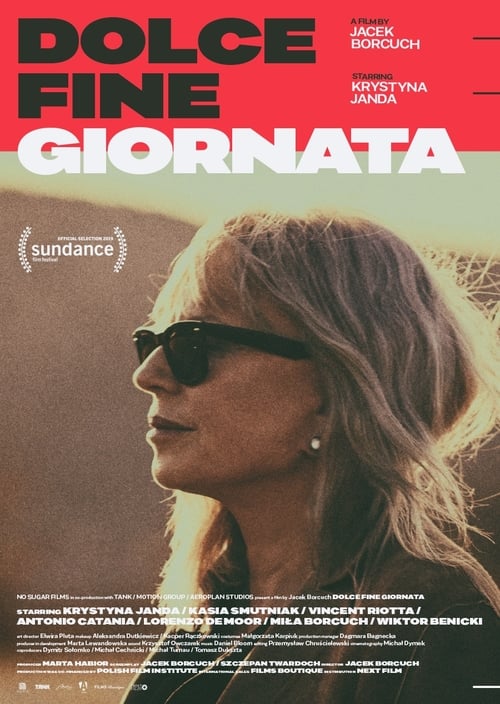
In Tuscany, Maria's stable family life begins to erode as her relationship with a young immigrant develops against a backdrop of terrorism and eroding democracy.
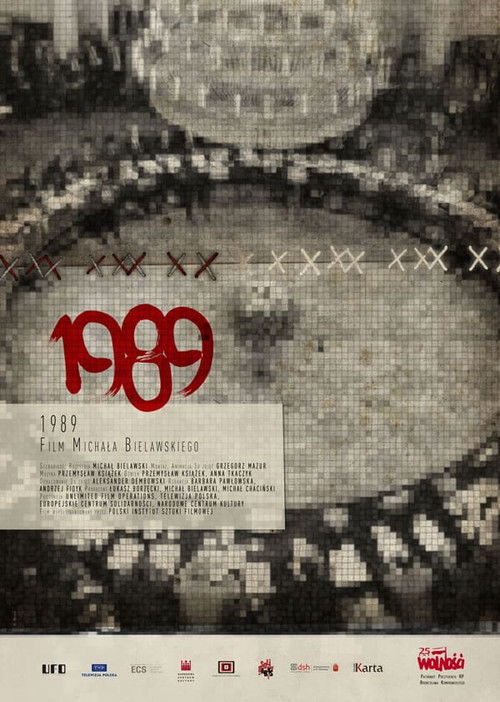
Such changes took place in Poland over a period of several months - from the end of 1988 to the end of January 1990? Michał Bielawski, through the prism of official and underground archives, shows the then state of mind of Poles, their fears, hopes and reflections. Film materials from the 1988-1990 period are in harmony with the photographs and diaries written by Poles at that time, as well as with the messages about the changes taking place. We observe the most important political, social and moral events of that period, confronted or reinforced by the comments of their active observers: ordinary people, politicians of the government camp and oppositionists.
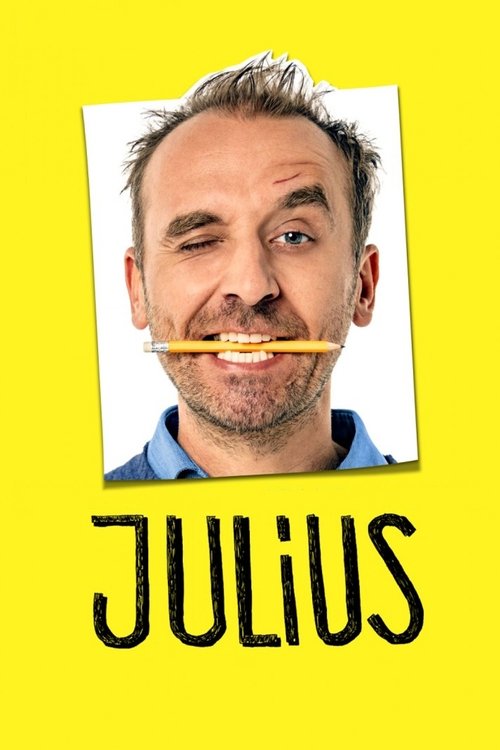
An organised arts teacher has only one main problem in life, which is his father – a painter always going from one party to the next. When the father lives through his second heart attack and still refuses to change his lifestyle, Julius will have to find a way to influence his behaviour.
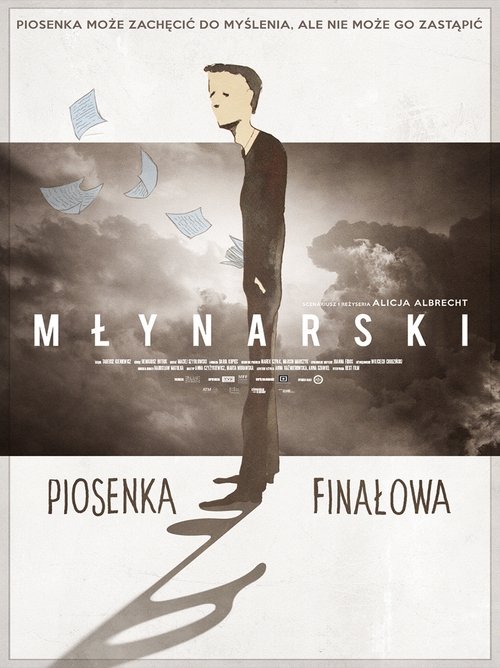
A moving documentary depicting a recent and very candid interview with Wojciech Mlynarski, in which we learn about previously unknown archival photographs and music videos. The film is complemented by more than 30 statements from his closest friends who collaborated with the artist on many occasions: Janusz Gajos, Janusz Glowacki , Jerzy Derfl, Janusz Senta, Wlodzimierz Korcz, Ewa Bem, Janusz Stoklosa, Irena Santor, Michal Bajor, Magda Zawadzka, Krystyna Janda, Family and those who worked with and for him: prominent composers, actors, singers. This extraordinary film shows the true face and difficulties that Wojciech Mlynarski faced, not only as an artist, but also as a person.
Subscribe for exclusive insights on movies, TV shows, and games! Get top picks, fascinating facts, in-depth analysis, and more delivered straight to your inbox.