
Action
Adventure
Animation
Comedy
Crime
Documentary
Drama
Family
Fantasy
History
Horror
Music
Mystery
Romance
Science Fiction
Thriller
War
Western
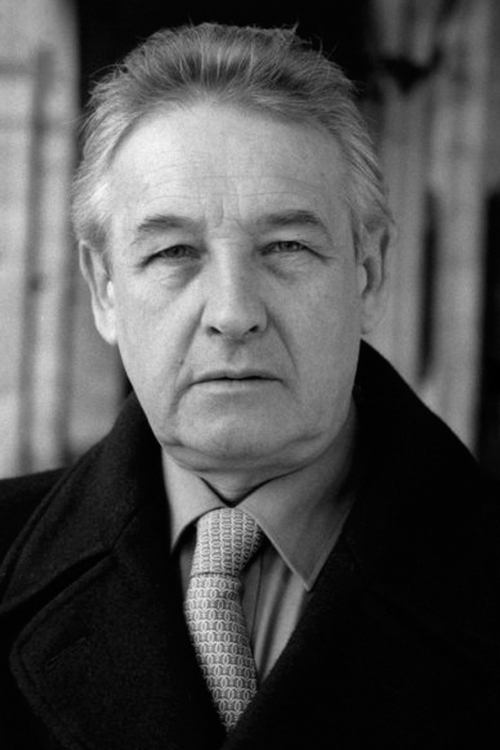
Andrzej Wajda (born 6 March 1926) was a Polish film director. Recipient of an honorary Oscar, he was possibly the most prominent member of the unofficial "Polish Film School" (active circa 1955 to 1963). He was known especially for a trilogy of war films: A Generation (1954), Kanał (1956) and Ashes and Diamonds (1958). Four of his movies were nominated for the Academy Award for Best Foreign Langu...
Not available
Enjoying the content? Support us!
Enjoying the content? Support us!
Explore all movies appearances
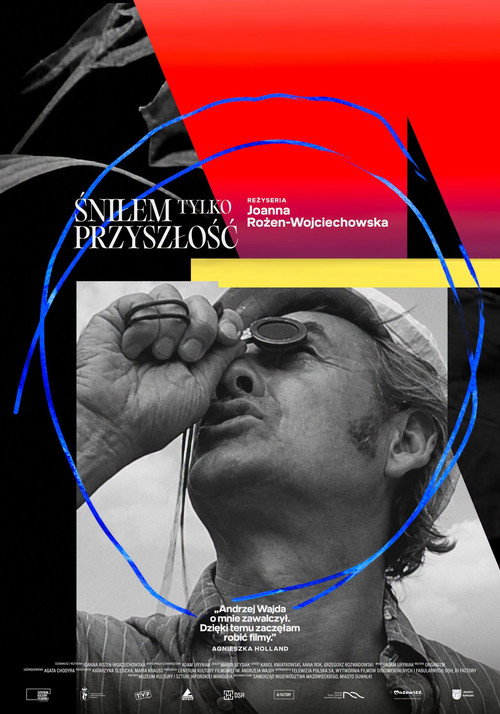
I Dreamed the Future is a documentary essay about the period during which Andrzej Wajda went from being merely an observer of history to becoming one of its protagonists. The film covers the years 1976–2000 – from Man of Marble, through Man of Iron and the birth of Solidarity, the experience of martial law and Wajda’s involvement in public life, right up to his election to the Senate and receiving an Honorary Academy Award.
Fleeing from despair after losing those dearest to him, the hero hides in a safe land of memories, where time stands still and all those dear to him are alive.
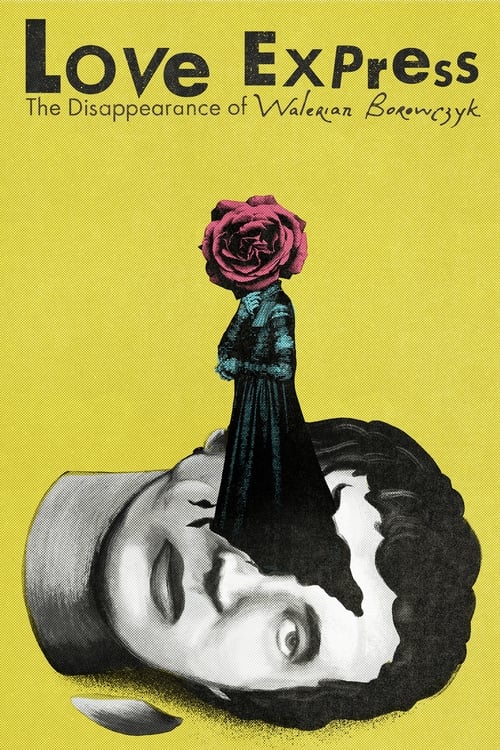
A documentary celebrating the work of Walerian Borowczyk, a director of unparalleled sensitivity, revered in the 1970s, who was later labeled as a maker of erotic movies.
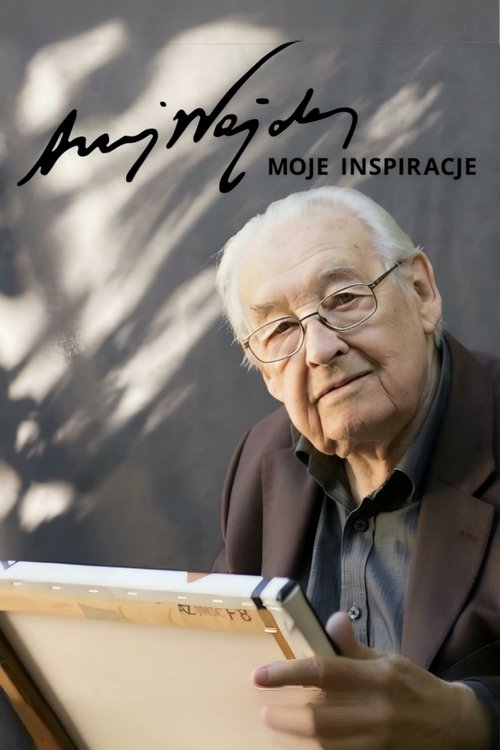
No plot available for this movie.
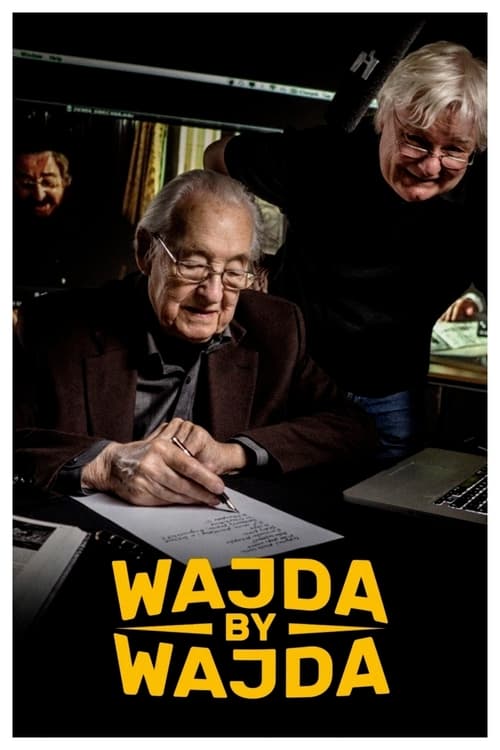
A few months before his death, Polish filmmaker Andrzej Wajda (1926-2016) revisited his work in an assembly room of the Andrzej Wajda Master School of Film Directing, established in Warsaw in 2002.
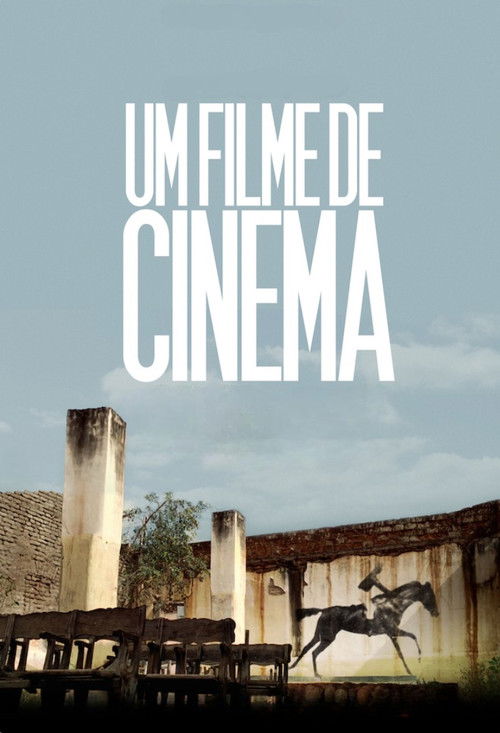
An abandoned tumbledown theater in the outback of Paraíba state is the initial setting of a film about cinema, which explores the testimonials of the novelist and playwright Ariano Suassuna and other filmmakers such as Ruy Guerra, Julio Bressane, Ken Loach, Andrzej Wajda, Karim Ainouz, José Padilha, Hector Babenco, Vilmos Zsigmond, Béla Tarr, Gus Van Sant and Jia Zhangke. They all respond to two basic questions: why do they make movies and why do they serve the seventh art. The filmmakers share their thoughts about time, narrative, rhythm, light, movement, the meaning of tragedy, the audience‘s desires and the boundaries with other forms of art.
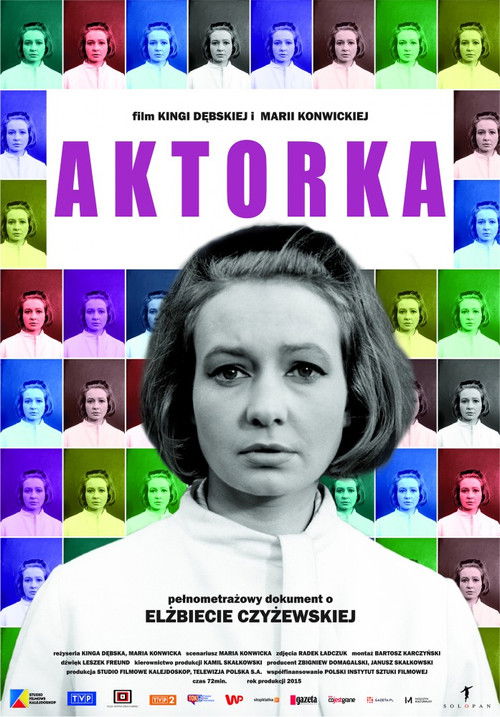
A documentary about Elzbieta Czyzewska, one of Poland's greatest actresses, a beauty icon of the 1960s, who died in 2010. She had a great career in Poland, but the filmmakers focus more on her attempts to make a name for herself as an actress in America, after her sudden emigration to the United States with her husband, American journalist David Halberstam. Friends and acquaintances of Elzbieta Czyzewska speak without embellishment about her failed marriage, her battle with alcoholism won after years, and her attempts to return to Poland. This is a story about the fate of the actress at different stages of her career: at the top, at the bottom and in between.
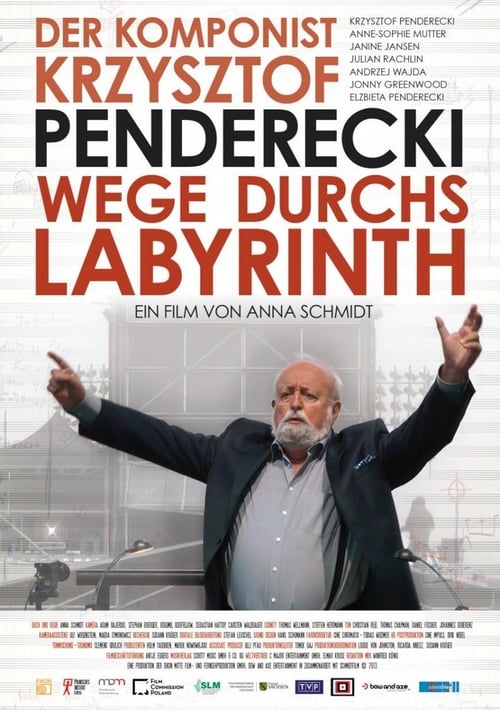
No plot available for this movie.
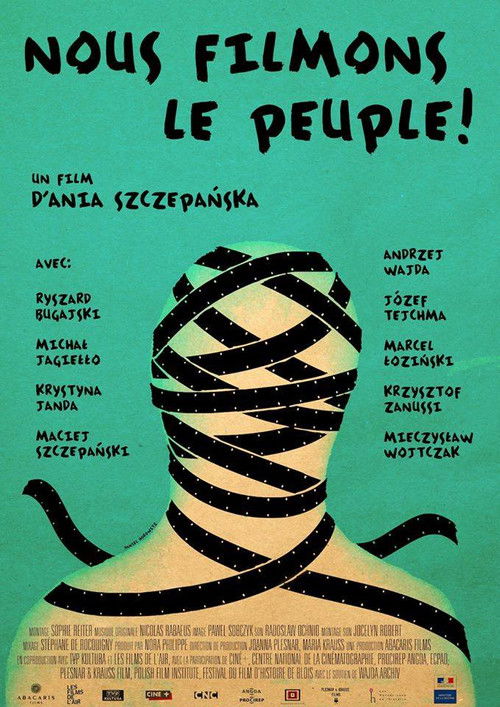
The unique story of film directors who managed to critic the Communist regime while being produced by the State: this is Polish cinema's golden age, in the 1970s. Director Ania Szczepanska, born in Poland and raised in France, meets prominent filmmakers, producers, actors such as Andrzej WAJDA, Marcel LOZINSKI, Krzyszstof ZANUSSI, Kristina JANDA, Ryszard BUGAJSKI and confronts them the testimonies of the State men of that time. Through unknown archives, forgotten documentaries and excerpts of cult films, she relates how the Solidarnosc people ended up in Cannes.
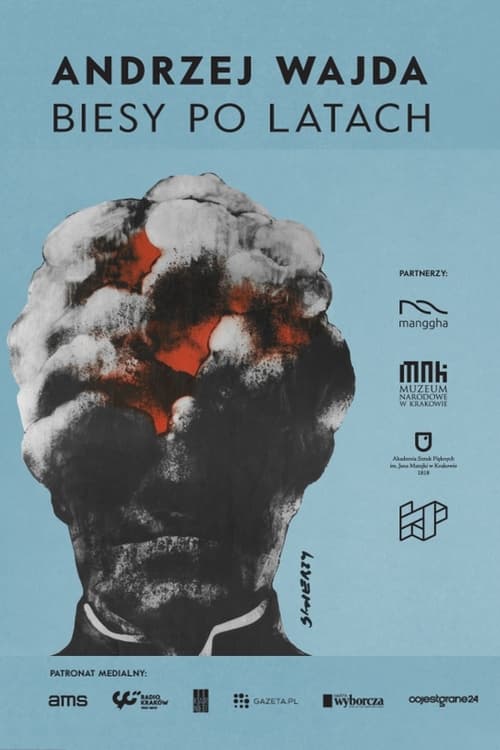
At the Old Theater in Krakow Wajda staged a play in 1971, based on Dostoevsky's novel "Demons". In this documentary Wajda tells the story of the unique play that went on uninterrupted for 10 years despite opposition from the authorities.
Subscribe for exclusive insights on movies, TV shows, and games! Get top picks, fascinating facts, in-depth analysis, and more delivered straight to your inbox.