Action
Adventure
Animation
Comedy
Crime
Documentary
Drama
Family
Fantasy
History
Horror
Music
Mystery
Romance
Science Fiction
Thriller
War
Western
Explore all movies appearances
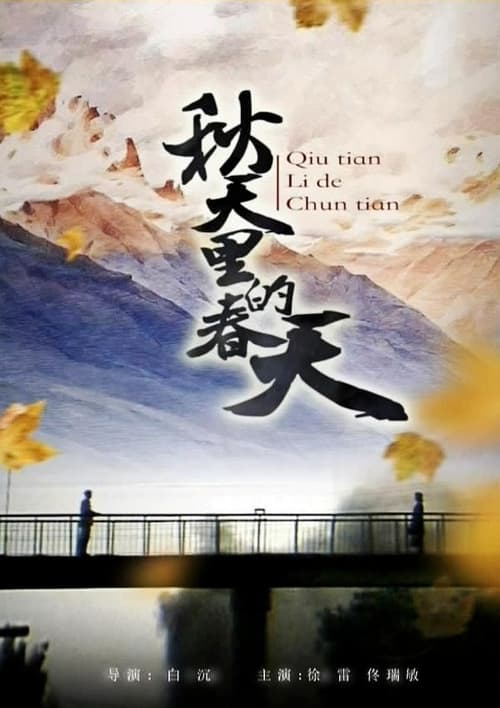
Zhou's husband died in the Cultural Revolution. She lived arduously with her only son. Lo, a kind postman, helped her during her hardest time.
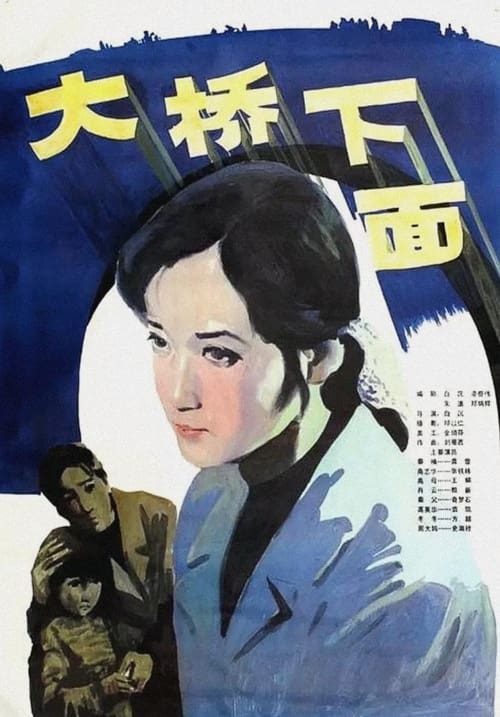
This simple romance story does not mean much to westerners, and in fact, does not even mean anything to Chinese today, but it was a big thing when it was made, not long after the end of Cultural Revolution in which even the personal romance was restricted. This movie is one of the pioneers of personal liberalization in advocating people seeking out their love following their own hearts, not from other people.
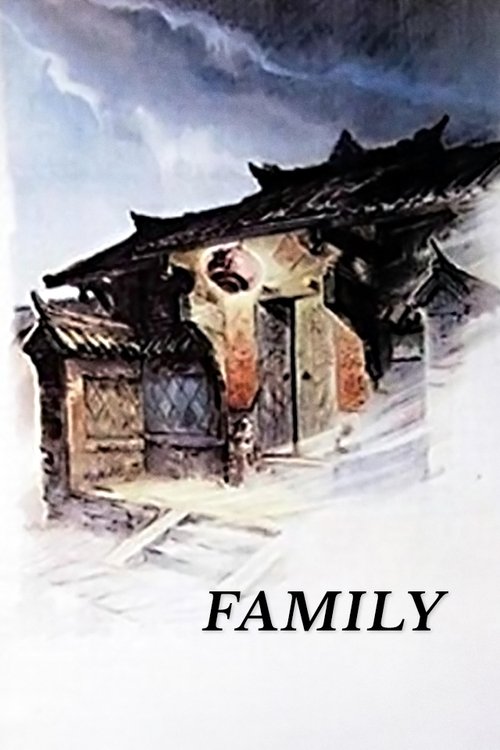
Based on the famous novel of the same name by well-known author Ba Jin, this movie traces the decline of a large, wealthy family in the early part of the twentieth century. The story focuses on three brothers and how they respond to the expectation that they will each marry women whom their grandfather has selected for them. The lure of family money on the one hand and modern individualism on the other plays out differently among the young men. Critics consider this movie an indictment against feudal ideas.

The life and work of Chinese bacteriologists. The film is based on the theme of profound psychological changes in a person's character, who, under the influence of many factors of life and situations, has to change his view of the world and science. One of the characters, Professor Huang, is shown in the process of development and formation. His character is vivid and memorable. If at the beginning of the film the young scientists seemed insufficiently serious to Huang, and he regarded all their aspirations to enter science as a sign of their lack of understanding of the complexity of science and their responsibility, by the end of the film Huang already sees in the young graduate students courage, daring, and a desire to achieve an active intrusion of science into life. The theme of friendship and mutual respect among scientists united by a common goal—serving the people—plays an important emotional role in the film.
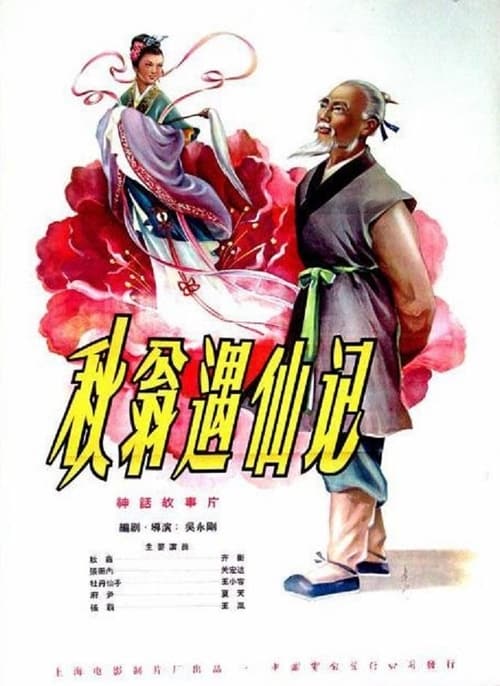
The story about an old man and a peony fairy.
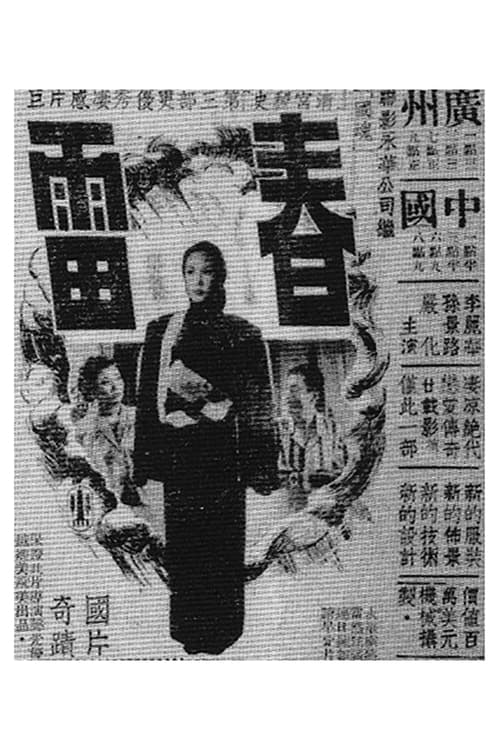
Li's first directorial work in Hong Kong is adapted, by himself, from the Hollywood movie The Great Lie (1941) starring Bette Davis. When a husband disappears in an accident, the wife is dismayed by a social butterfly pregnant with her husband's child. To preserve the husband's blood line, the wife takes care of the expectant mother and raises the child. Featuring the two ravishing beauties Li Lihua and Sun Jinglu, Our Husband foregoes juicy feuds between the leads and delivers an allegorical message: parents should provide an ideal environment for the next generation. Addressing the rocky times in China, it is equally overt in its remonstration as Yung Hwa's earlier works, The Soul of China and Sorrows of the Forbidden City.
Subscribe for exclusive insights on movies, TV shows, and games! Get top picks, fascinating facts, in-depth analysis, and more delivered straight to your inbox.