
Action
Adventure
Animation
Comedy
Crime
Documentary
Drama
Family
Fantasy
History
Horror
Music
Mystery
Romance
Science Fiction
Thriller
War
Western
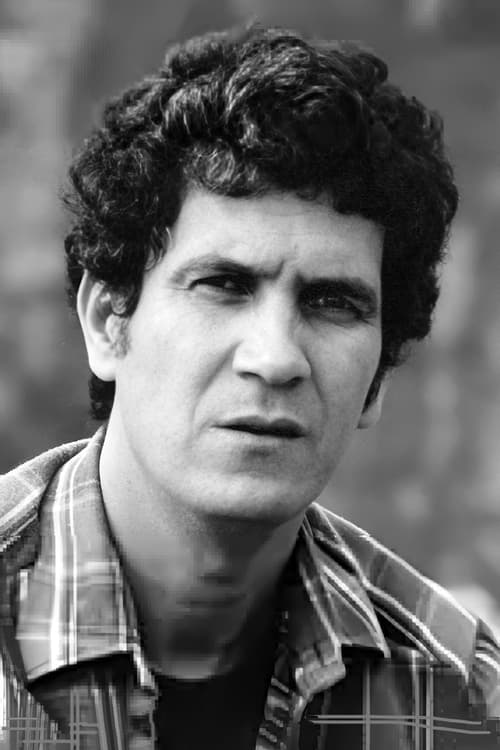
Mazouz Ould Abderrahmane, born January 27, 1941 in Mostaganem, and died November 24, 2012 in Montreal, Quebec, is an Algerian actor, director, screenwriter, editor and writer. Mazouz Ould Abderrahmane was a member of the theater troupe Les Garagouzes founded by Abderrahmane Kaki (Stanislavski method). He was also a founding member of the Algerian National Theater in 1962 and he played as an actor...
Explore all movies appearances
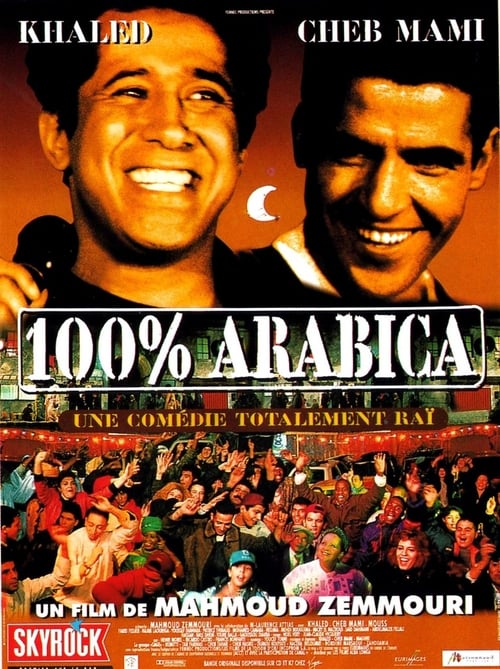
The movie takes place in a poverty-stricken, rent-controlled neighborhood on the outskirts of Paris. Algerian immigrants, many of whom are in France illegally, the place has earned the nickname of "100%Arabica". It's a rough neighborhood - crime is rampant, gangs of juvenile delinquents roam the streets, and the police are afraid to patrol the area. When the out-of-touch mayor decides that he wants to restore order to the area, he offers a subsidy to Slimane, the imam of the local mosque. If Slimane can get people off the streets, the mayor will continue the payments. Soon the byways of 100%Arabica are almost peaceful - but not because of something Slimane has done. The reason is that a new Rai Band, Rap Oriental, has taken the neighborhood by storm...

Like every year in Zitouna, a bear handler passes by. With his creature, he comes to challenge the small community. And like every year, it is Slimane El Mabrouk who defends the honor of the tribe. But this time, he dies, leaving two orphans, Omar and Ourida. Robbed of their inheritance, the children will grow up alone. The years pass, the French army settles in, and with it, the war. Mysteriously, one day, after the murder of a French legionnaire, Omar disappears into the bush, while his sister dies in childbirth. Omar will return to the village, much later, once independence has been acquired, as a representative of power and with this enigmatic formula: "You must know that the Revolution has not forgotten you". Personal revenge? Sincere desire to bring progress and modernity? ... The inhabitants of Zitouna, upset in their ancestral way of life, will not be long in having an answer to their questions.
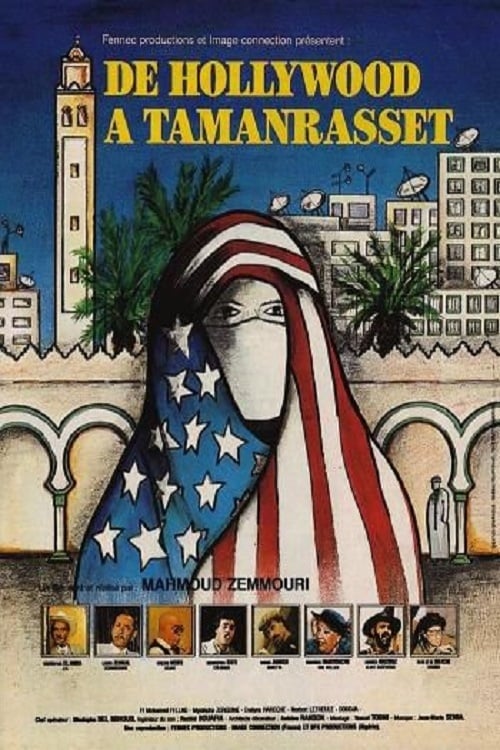
On the outskirts of Algiers, Algeria. the arrival of the satellite dishes governs the lives of the inhabitants. Dissatisfied with their lives, they think of themselves as the heroes of American soap opera and movies, so JR, Sue Ellen, Rambo, Kojak, Spock and others take possession of bodies and minds, with many typical American culture elements. These heroes mix in a beautiful funny mess, with tradition and modernism, Islam and television, reality and fiction.
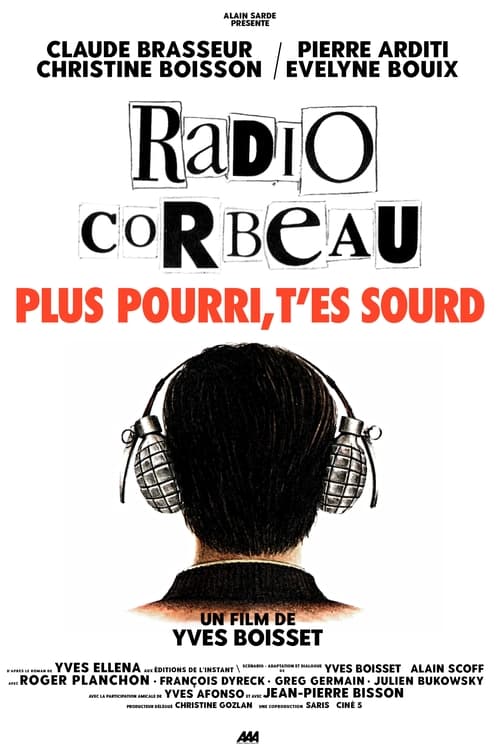
This fast-paced mystery is in part based on a novel by Yves Ellena and is at least equally based on the 1943 classic Le Corbeau, which in 1951 was produced in English by Otto Preminger as The Thirteenth Letter. In this movie, someone is using a pirate radio broadcast to dish the dirt on the lives of the elite of a small French town.
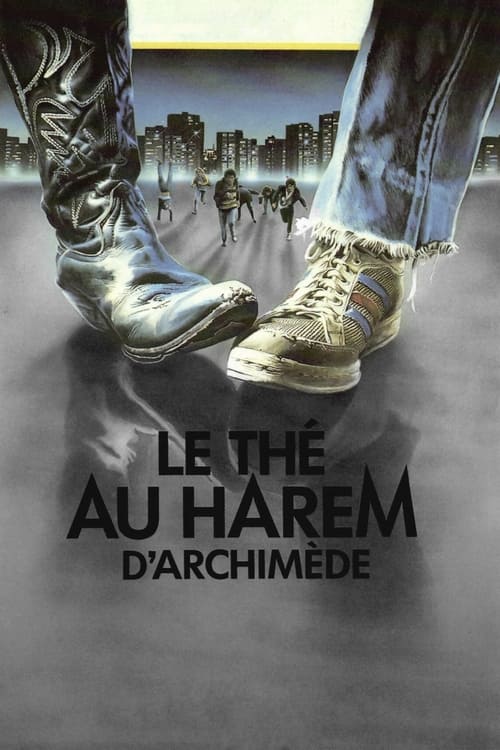
The story of two youths – one Algerian, one French – who become juvenile delinquents in a Paris suburb.
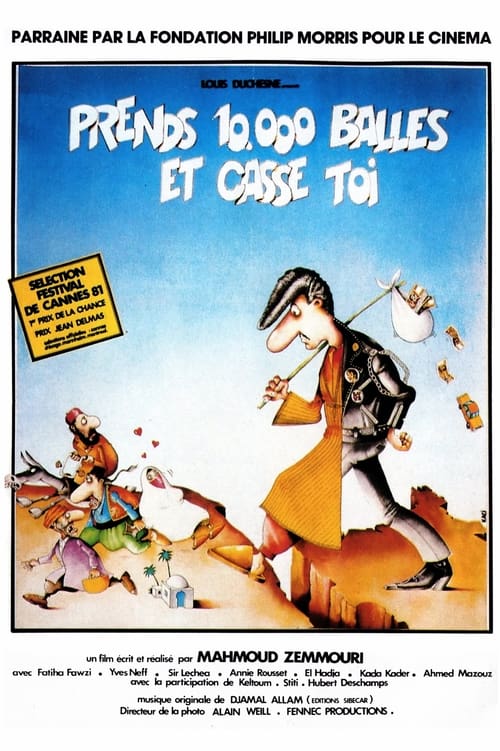
Two young Algerians born in France leave the Paris region to return with their parents to the village of their origins. They speak neither Arabic nor Berber. First barrier which isolates them from their new environment and which is further accentuated by the problem of generations, present here as in France. The social position of Algerian women posed to young emigrants is more immediately felt and proves to be a generator of conflict. Thanks to the plot, it is the whole problem of the reintegration of emigrants in their land of origin that the film poses and illustrates.
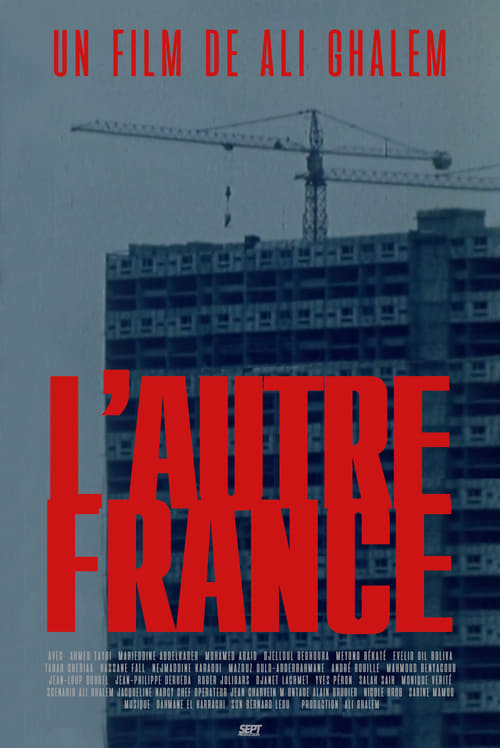
Social drama about Algerian immigrant workers who came searching for work in France.
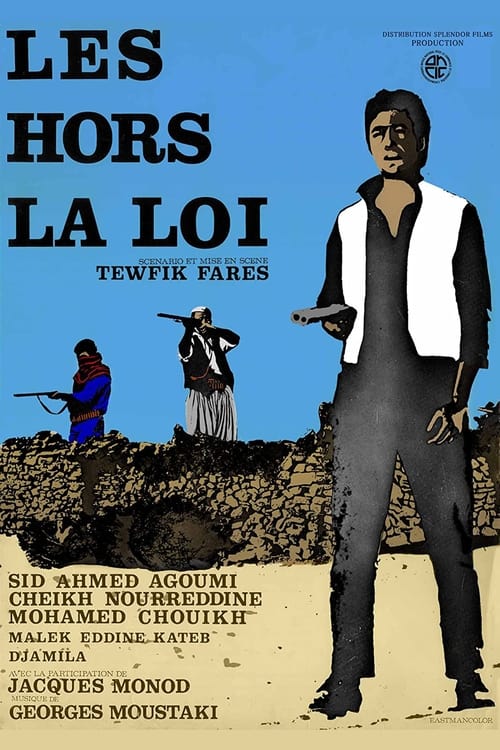
In prison in colonial Algeria, shortly after the end of the Second World War, three indigenous cellmates make out. Once free, they attack the authority represented by the triad of the boss, the gendarme and the administrator. “Living the colonial condition,” confided Tewfik Farès, “is something! It’s not sociologically or historically speaking. It’s life. And I think that’s all there in it. [...] For a hundred and thirty years, we wait. We hold back. We push back. We hope. At the same time, on different occasions, there are skirmishes, unrest.
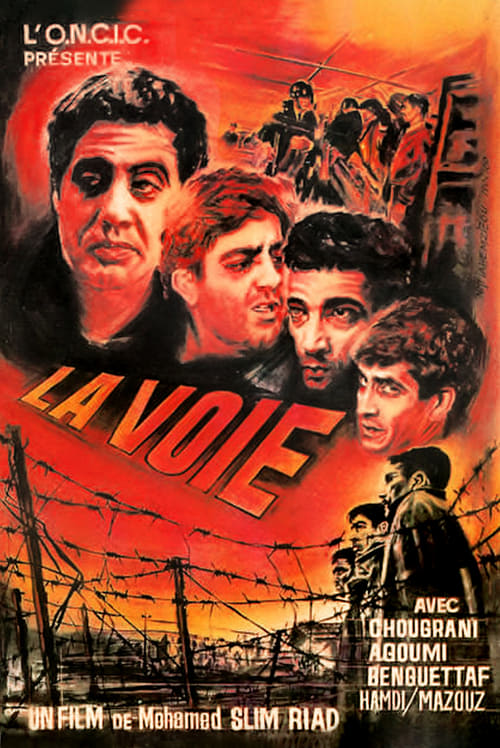
The Algerian War is seen through the eyes of a group of Algerian freedom-fighters who have been captured and incarcerated in French-run military prisons both in France and Algeria. In addition to attempts at escape, this prison drama also includes propaganda and brainwashing attempts by the French and scenes of torture. In what is possibly the most horrible torture of all, the inmates are forced to listen to broadcast speeches by General Charles de Gaulle -- speeches which illustrate the changing relations between the French and the Algerians.
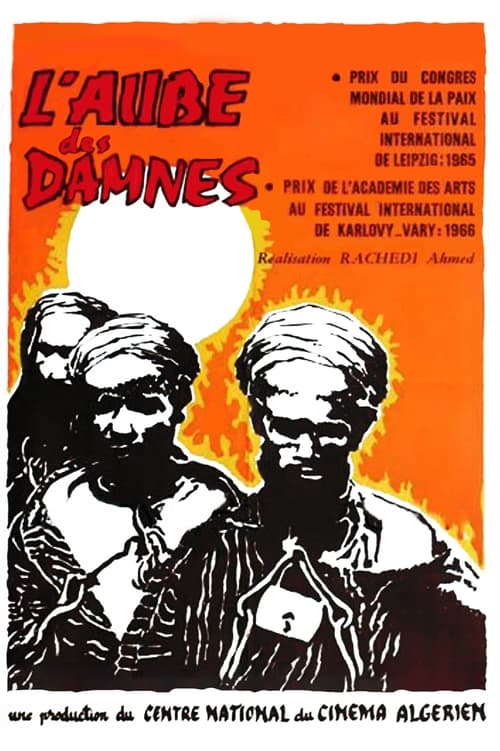
This excellent feature-length documentary - the story of the imperialist colonization of Africa - is a film about death. Its most shocking sequences derive from the captured French film archives in Algeria containing - unbelievably - masses of French-shot documentary footage of their tortures, massacres and executions of Algerians. The real death of children, passers-by, resistance fighters, one after the other, becomes unbearable. Rather than be blatant propaganda, the film convinces entirely by its visual evidence, constituting an object lesson for revolutionary cinema.
Subscribe for exclusive insights on movies, TV shows, and games! Get top picks, fascinating facts, in-depth analysis, and more delivered straight to your inbox.