
Action
Adventure
Animation
Comedy
Crime
Documentary
Drama
Family
Fantasy
History
Horror
Music
Mystery
Romance
Science Fiction
Thriller
War
Western

Jacques Prévert was a French poet and screenwriter. His poems became and remain popular in the French-speaking world, particularly in schools. His best-regarded films formed part of the poetic realist movement, and include Les Enfants du Paradis (1945).
Explore all movies appearances
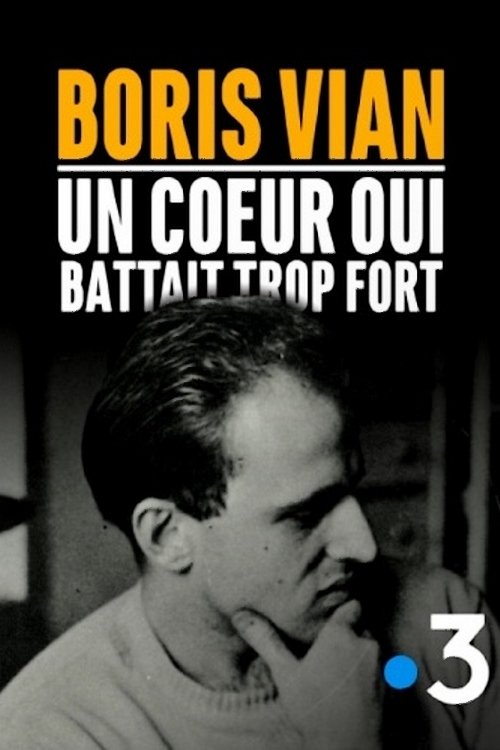
No plot available for this movie.
No plot available for this movie.
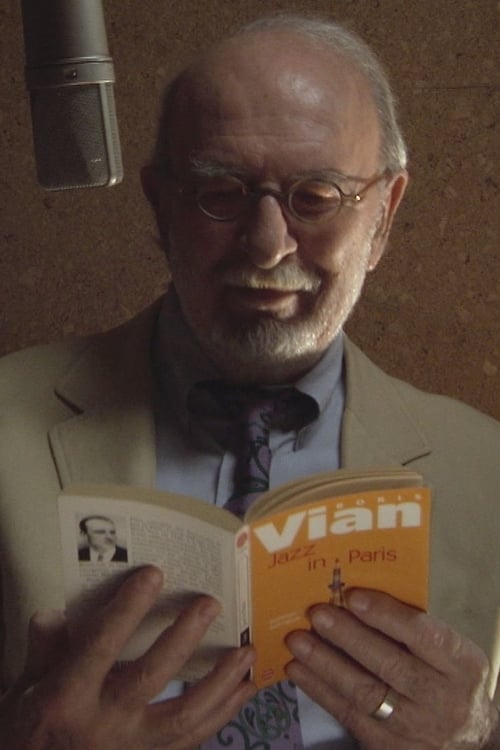
"Vian Bubbles" - On June 23, 2009, fifty years to the day after the death of Boris Vian, a supernatural phenomenon crosses all of France: in the streets, one sings everywhere his songs and one expresses oneself only in the language of the poet. In Paris, Antoine de Caunes wakes up to discover the strange "vianic" epidemic, which also affects radio waves and the small screen. A boss of channel proposes to him to organize, for the same evening, a show dedicated to the songs of Boris Vian. Jean-Pierre Marielle tells us the story of this phenomenon, as supernatural as inexplicable. A tribute in songs to the glowing cast.

A biography of the French actress Arletty.
No plot available for this movie.
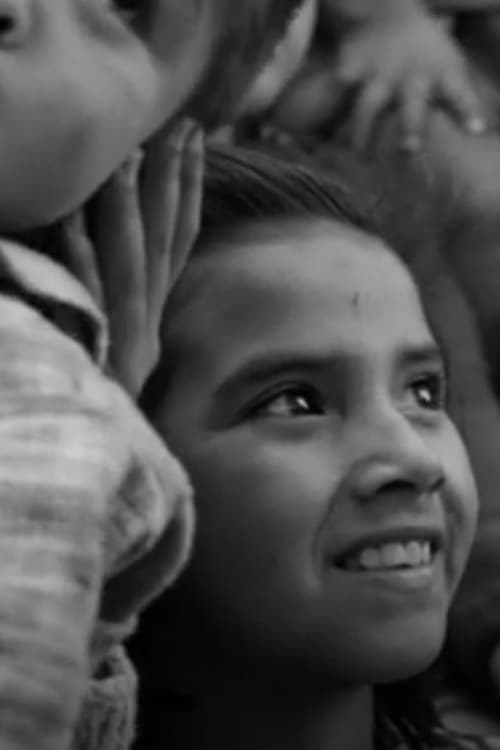
Documentary filmed during the shooting of “À Valparaiso” which shows the children’s reactions to the performance of a circus show. “It is the tender gaze of a poet on the smallest circus in the world and his audience of children”.
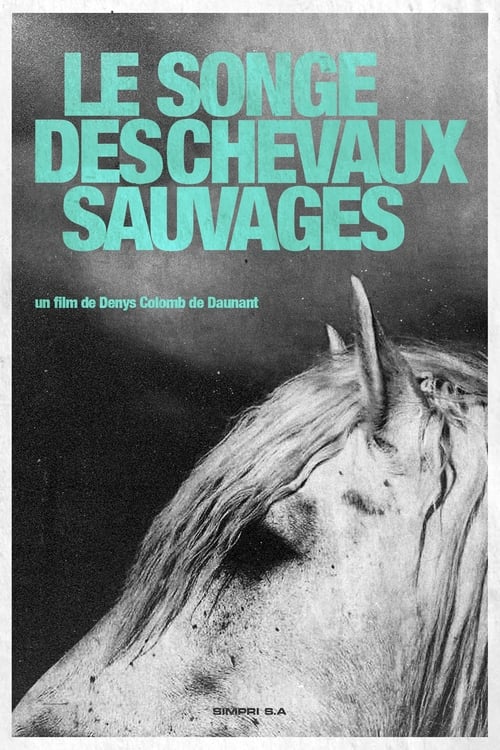
The horses in Denys Colomb Daunant’s dream poem are the white beasts of the marshlands of the Camargue in South West France. Daunant was haunted by these creatures. His obsession was first visualized when he wrote the autobiographical script for Albert Lamorisse’s award-winning 1953 film White Mane. In this short the beauty of the horses is captured with a variety of film techniques and by Jacques Lasry’s beautiful electronic score.
A look at Paris in 1928 in black and white and then color sequences filmed in the same places in 1959.
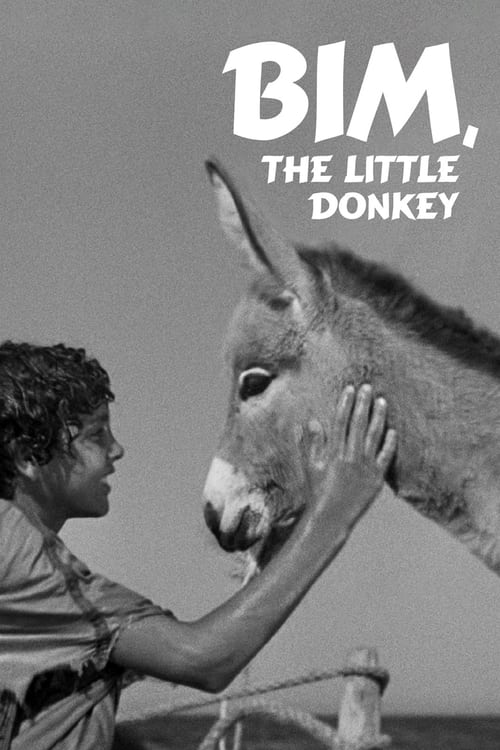
An Arab boy, Abdullah, loves his donkey, Bim, but another boy, Massoud, who also happens to be a prince, is jealous of Abdullah and his relationship with Bim, so Massoud steals the donkey and plays mean tricks on him, such as painting him and trying to cut his ears off. Abdullah tries to rescue Bim but is caught by palace guards and is imprisoned. Realizing Abdullah's love for his donkey, Massoud becomes ashamed of his meanness and frees Bim and Abdullah. However, the donkey eats Massoud's father's lunch and is taken to a butcher. Abdullah and Massoud try to rescue Bim from the butcher, but robbers get there first and steal the donkey along with the butcher's goods. The robbers escape to the sea, and Abdullah and Massoud stage one last rescue attempt with all of their friends to try to save Bim.
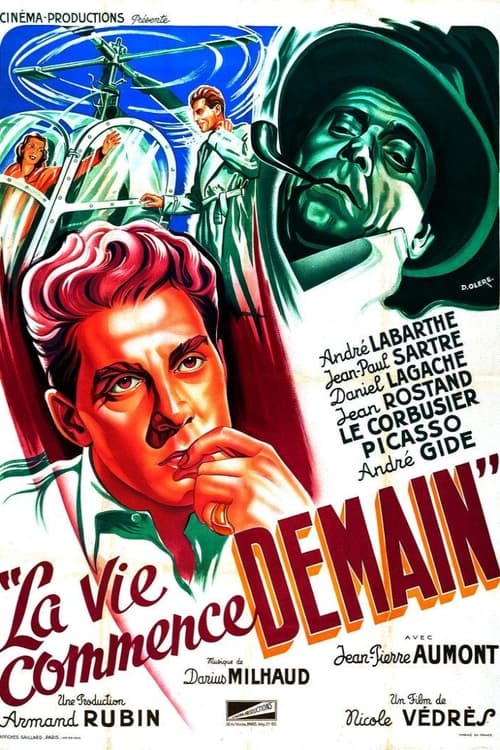
Documentary filmmaker Védrès' first semi-fictional feature was released in France in 1949 as La Vie Commence Demain. The film made it to the U.S. in 1952 as Life Begins Tomorrow. Made in cooperation with UNESCO, the film speculates on the future of mankind after the advent of Atomic Energy. Many prominent French artists and intellects contribute to the narration: Jean-Pierre Aumont plays The Man of Today, Andre Labarthe is the Man of Tomorrow, and Jean-Paul Sartre, Daniel Agache, Jean Rostand, Le Corbusier, Pablo Picasso and Andre Gide are respectively seen as "The Existentialist," "The Psychiatrist,' "The Biologist," "The Architect," "The Artist" and "The Author". Film clips of hospitals, schoolrooms, scientific laboratories, and even nightclubs are woven into Védrès' fascinating tapestry.
Subscribe for exclusive insights on movies, TV shows, and games! Get top picks, fascinating facts, in-depth analysis, and more delivered straight to your inbox.