
Action
Adventure
Animation
Comedy
Crime
Documentary
Drama
Family
Fantasy
History
Horror
Music
Mystery
Romance
Science Fiction
Thriller
War
Western
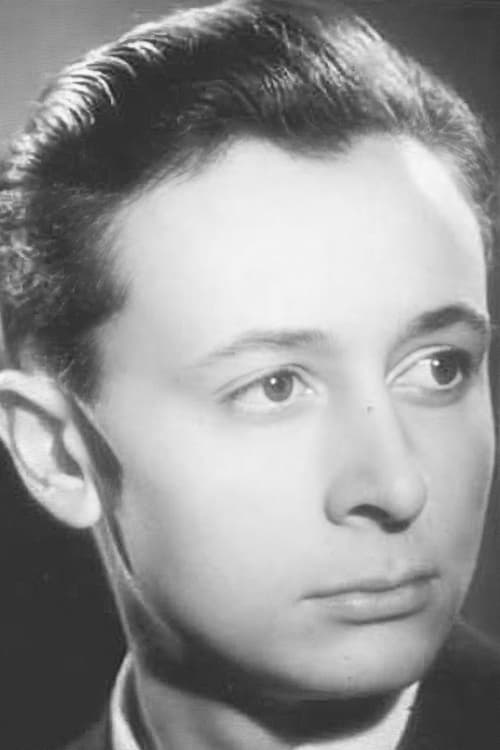
André Reybaz was a French actor. He had a long career spanning 40 years, which mostly consisted of numerous French television appearances. In 1950 he starred in the writer Jean Genet's only film, the influential Un chant d'amour (aka A Song Of Love), which focused on the longing desires of a prison guard and prisoners of a French jail.
Not available
Enjoying the content? Support us!
Enjoying the content? Support us!
Explore all movies appearances
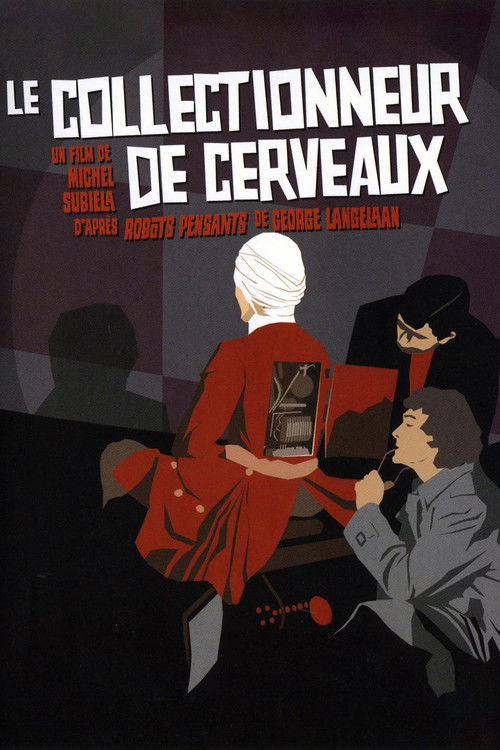
A young pianist is shocked when she witnesses a strange chess tournament with a robot. Could there be a gruesome secret behind this exhibition?

In the forest, knight-errant Hans meets and falls in love with Ondine, a water-sprite who is attracted to the world of mortal man.
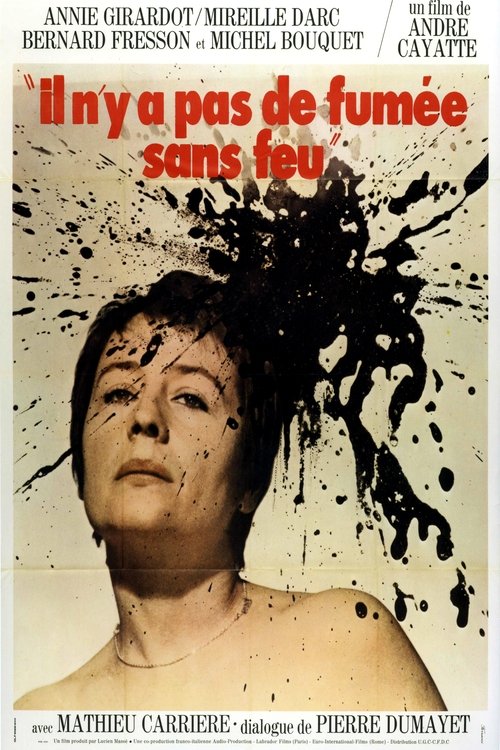
An election campaign becomes more interesting when anonymously published photographs depict the wife of a candidate, Dr. Peyrac, attending a sex party. Are the photographs fake or genuine ?
No plot available for this movie.
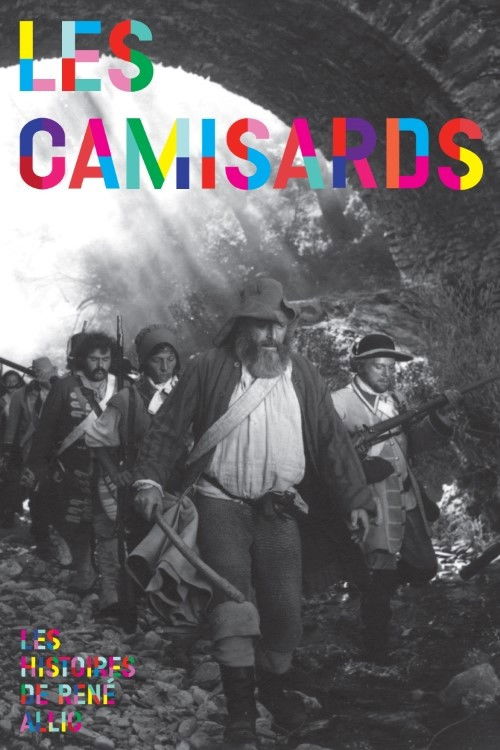
A few years after the revocation of theEdict of Nantes, the Camisards, Protestants from the Cévennes region, mostly peasants and silk workers, formed groups following Gédéon Laporte and fought Louis XIV's dragoons.
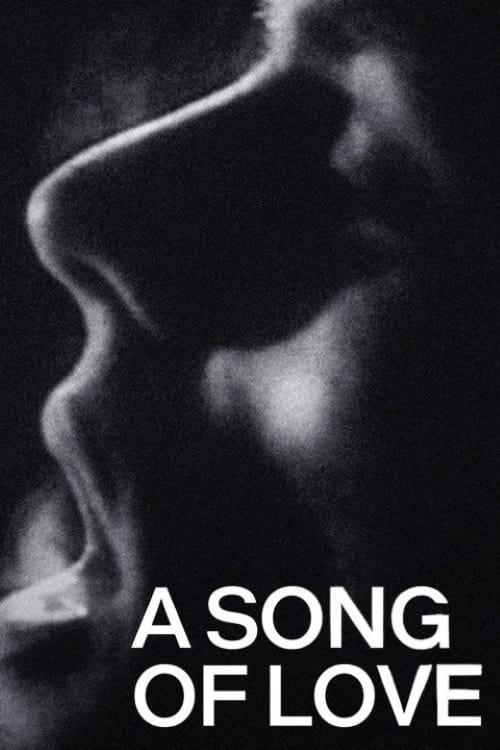
Two prisoners in complete isolation, separated by the thick brick walls, and desperately in need of human contact, devise a most unusual kind of communication.

No plot available for this movie.
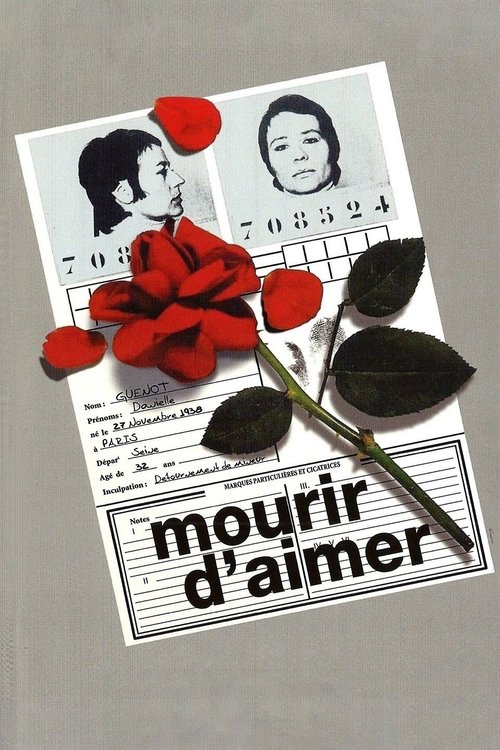
A love story between a teacher, Danièle, 32 years and one of her students Gérard, 17 during the heated atmosphere of May 68. Danièle is a fiery young woman, very involved politically. Gérard's parents accuse Danièle of statutory rape and complain. Danièle is trapped and the drama begins...
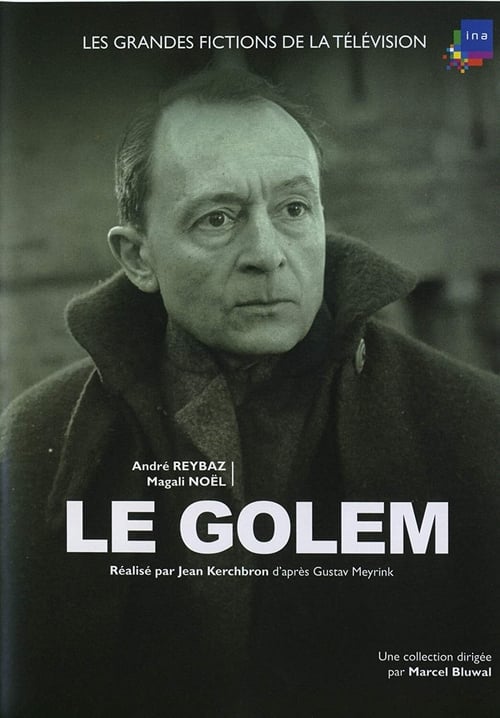
Athanase Pernath is a gem cutter in the Prague ghetto. In spite of himself, he becomes embroiled in the lives of his neighbors. Family feuds, swindles, jealousies and revenge lead Pernath to prison, while the threat of the Golem, a monster created by a rabbi and awakening every thirty-three years, hangs over the city.
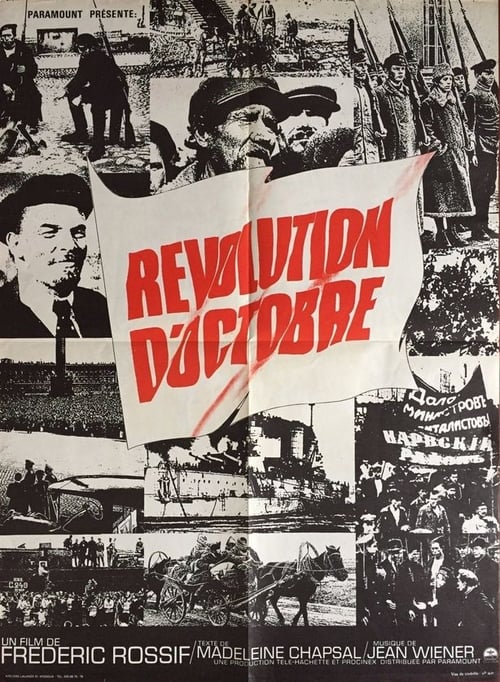
French director Frederic Rossif presents this historical documentary that coincided with the 50th anniversary of the Russian Revolution. Stock footage from both World Wars are included with 30 minutes of new scenes filmed especially for the project. The historical timeline is traced from the time Czar Nicholas II is crowned. The emergence of Lenin, his death in 1924, and the later contributions of Trotsky and Stalin give the viewer a sense of death, betrayal, and ideological devotion to the communist agenda. Rossif effectively uses scenes from the landmark 1929 film The Man With A Movie Camera by celebrated director Dziga Vertov. Rossif researched the film archives from several countries in his meticulous gathering of materials for this timely historical feature.
Subscribe for exclusive insights on movies, TV shows, and games! Get top picks, fascinating facts, in-depth analysis, and more delivered straight to your inbox.