
Action
Adventure
Animation
Comedy
Crime
Documentary
Drama
Family
Fantasy
History
Horror
Music
Mystery
Romance
Science Fiction
Thriller
War
Western
Enjoying the content? Support us!
Explore all movies appearances
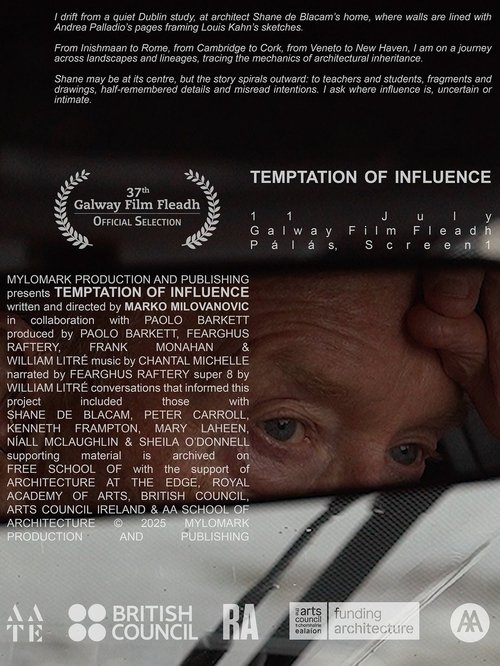
Temptation of Influence is a filmic collage and an essay exploring how architectural ideas are passed down, reinterpreted and – inevitably – misread across generations. Centred on Irish architect Shane de Blacam, it begins in his Dublin study, where Palladio’s plates frame Louis Kahn’s sketches. From Inishmaan to Rome, from Veneto to New Haven, the film follows a path of conversations, buildings and landscapes – tracing the uncertain mechanics of architectural inheritance. Contributors include Kenneth Frampton, Níall McLaughlin, Sheila O’Donnell and others.
Three restoration students and scholars from all over the world meet in a Palladian villa in view of a conference on Palladio. Meanwhile, in the United States of America, a young university professor asks his mentors, Kenneth Frampton and Peter Eisenman, how to be able to transmit Palladio's humanistic values to the new generations.
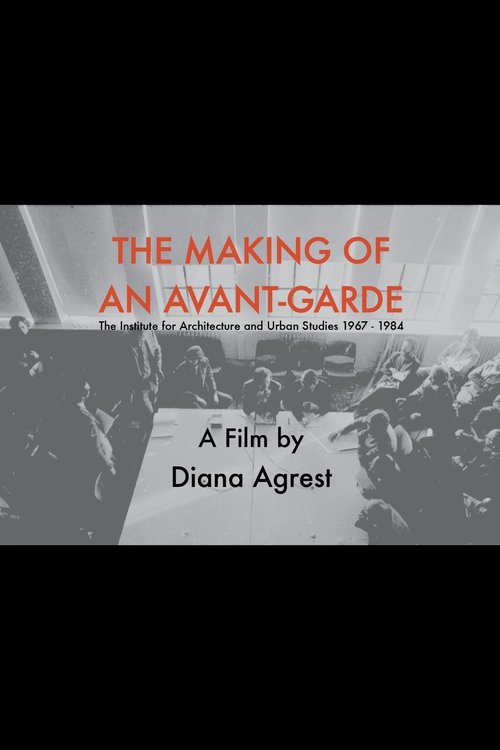
The Making of an Avant-Garde presents the creation and existence of the IAUS in the architectural, cultural, and political climate of the time, from the anti-War riots, the Women's Movement to the Paris May '68 revolution and the crime ridden and the bankrupt New York City of the 70's, through rich and abundant footage. The Institute, founded in 1967 with close ties to The Museum of Modern Art, made New York the global center for architectural debate and redefined architectural discourse in the United States. A place of immense energy and effervescence, its founders and participants were young and hardly known at the time but would ultimately become some of the most influential figures in the field shaping architectural practice and theory for decades. The Institute became the most significant and energetic crossroad in the path of rethinking architecture and the city and it's influence is still felt today.
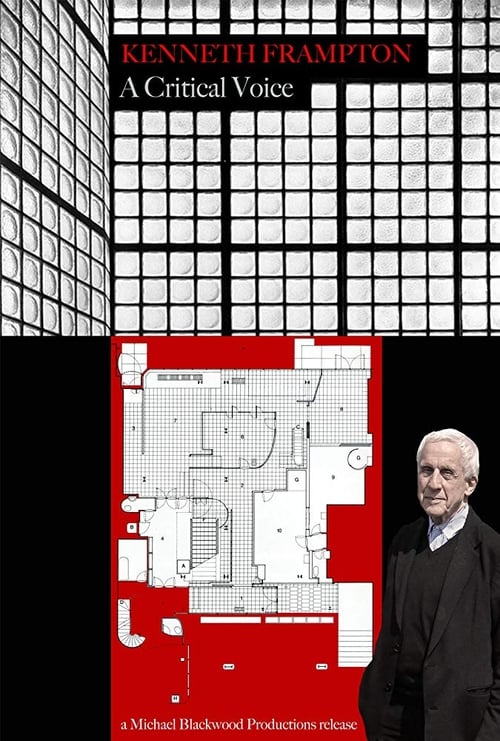
Critic Kenneth Frampton is a masterful commentator on the architecture of our time. At the start of his long-spanning career Frampton worked as an architect in London before settling into his writing and teaching, which mainly took place at Columbia University. Over the past fifty years Frampton has certified himself as a prolific and influential contributor towards a progressive interpretation of the role of architecture in modern society. In "Kenneth Frampton: A Critical Voice", architect Stan Allen interviews the renowned critic and questions him about his architectural contemporaries, notable past projects, and published writings.
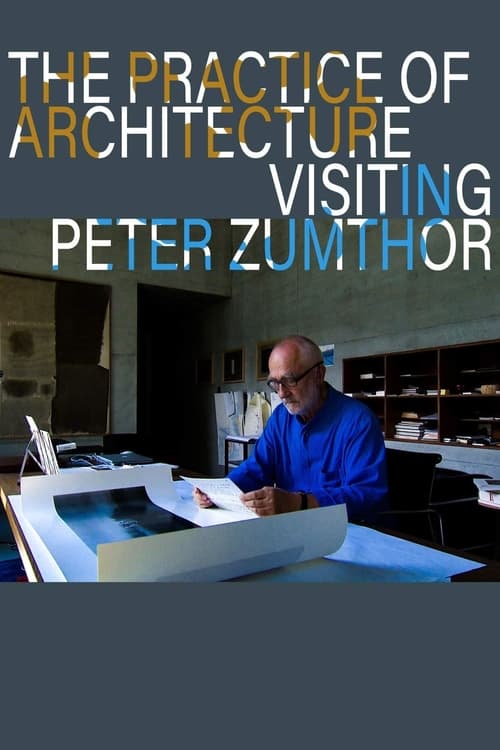
Architect Peter Zumthor lives and works in the remote village of Haldenstein in the Swiss Canton of Graubünden where he can keep the politics of architecture at a comfortable distance as he enjoys status and praise for his unique modernist buildings. In "The Practice of Architecture", critic Kenneth Frampton visits Zumthor at his studio where the two are surrounded by models, designs and plans for current and future projects throughout Europe and the United States. Frampton questions the renowned architecture on the motives and methods behind some of his most famous works, including his Zinc-Mine-Museum in Norway and the highly acclaimed Therme Vals, a stunning hotel and spa built over the thermal springs in Graubünden. While walking us through his career, Zumthor discusses his penchant for minimalism, the importance of landscape, light and material, and the architectural theory behind his stunningly precise style
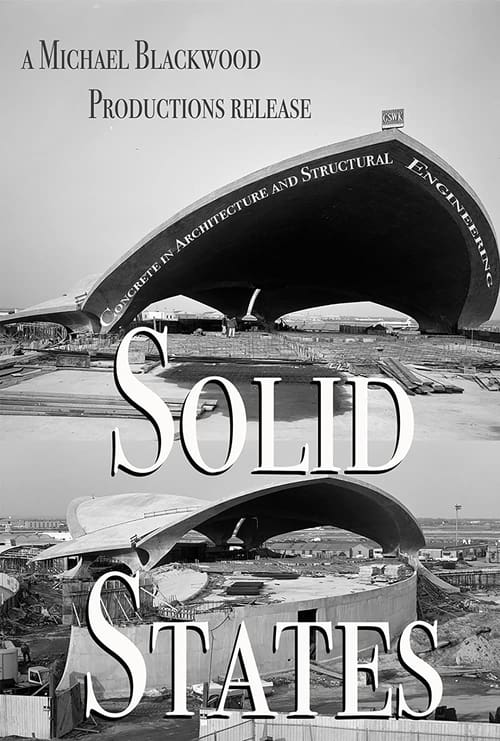
"Solid States: Concrete in Architecture and Structural Engineering" offers examples and insights into the ever-adapting possibilities of concrete. With the participation of prominent architects and engineers such as Steven Holl, Toshiko Mori and Bernard Tschumi, the lectures consist of footage and theories pertaining to the developments of concrete as a material within the architectural world.
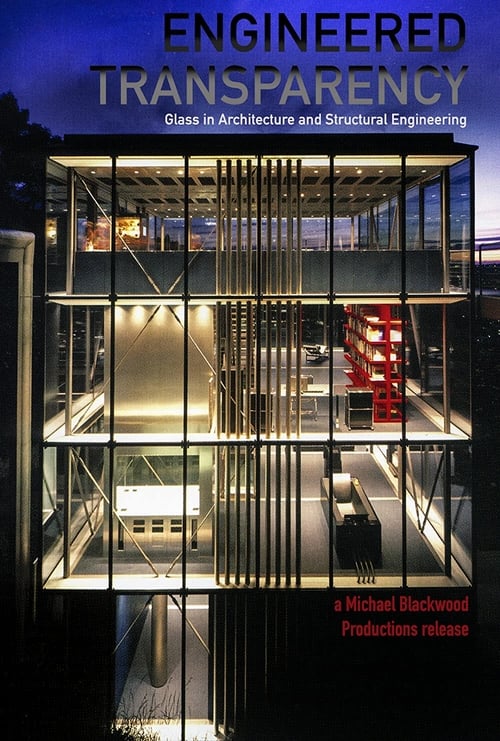
Accentuating the effects of space, light and structure, glass has become an architectural staple that encourages transparency and visibility throughout a variety of landscapes. After its role in the last century's call to a radical new architecture and urban life, glass architecture is today more ubiquitous than ever.

In Alvaro Siza: Transforming Reality Portugal's renowned architect reviews his work with architectural historian, Kenneth Frampton. While touring his projects Siza discusses his approach to architecture, explaining that it is centered around the idea that setting is integral to design and that a structure should be reinforced by surroundings that both enhance and highlight its potential.
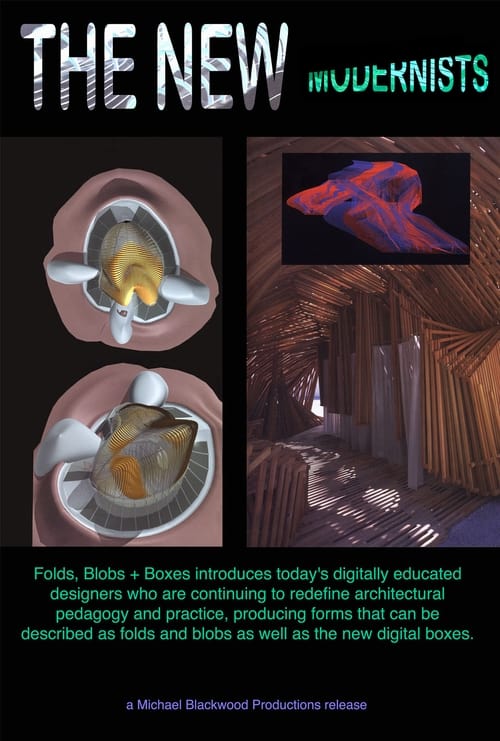
The New Modernists: Folds, Blobs and Boxes, Architecture in the Digital Era approaches the topic of artistic technological advances, and the modern architects who were educated with this new influx of electronic techniques. In this detailed portrait we visit the exhibition entitled Folds, Blobs + Boxes at the Carnegie Museum of Art where ten architect/designers discuss their approaches to digital architecture with curator of the exhibition, Joseph Rosa. By abandoning the traditional notions of aesthetic beauty, scale and proportion, a new freedom has formed amongst these contemporary creators.
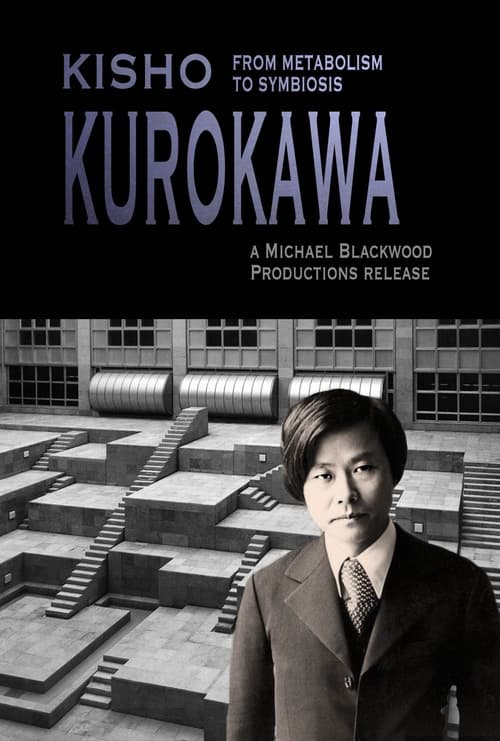
A portrait of the internationally acclaimed Japanese architect who employs Buddhist ideas and western modernism to achieve intercultural architecture.
Subscribe for exclusive insights on movies, TV shows, and games! Get top picks, fascinating facts, in-depth analysis, and more delivered straight to your inbox.