
Action
Adventure
Animation
Comedy
Crime
Documentary
Drama
Family
Fantasy
History
Horror
Music
Mystery
Romance
Science Fiction
Thriller
War
Western
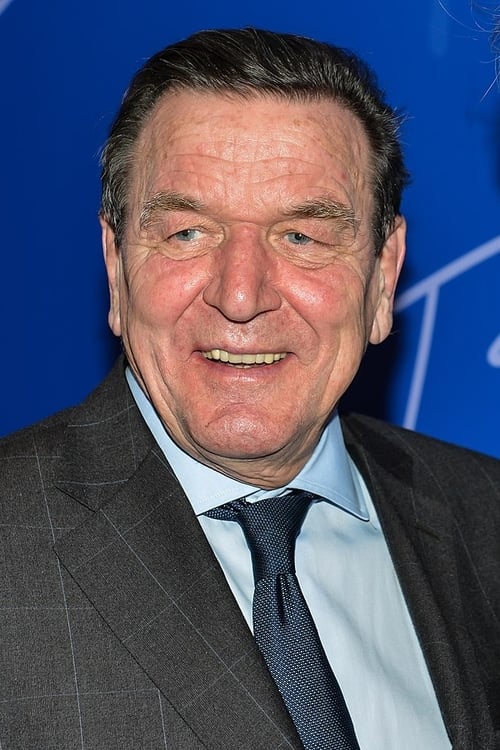
Gerhard Schröder was the seventh Chancellor of the Federal Republic of Germany, a position he held from 1998 to 2005. His chancellorship was marked by extensive social and regulatory reforms, as well as a growing awareness of Germany's global responsibility. After he left political office, he resumed his work as a lawyer in a private firm in Hanover and accepted a number of honorary positions.
Not available
Enjoying the content? Support us!
Enjoying the content? Support us!
Explore all movies appearances
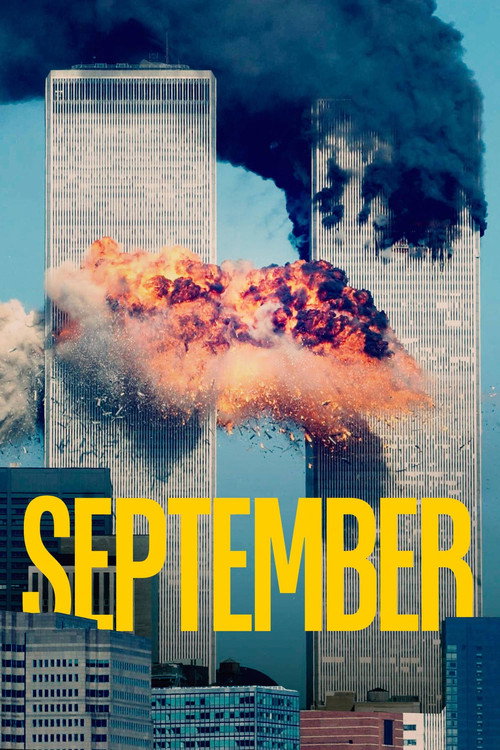
September 11, 2001, changed the world. But how did a single day give rise to shockwaves that continue to be felt to this day? "SEPTEMBER" retells the story of the terrorist attacks condensed into the 30 days of a month that shaped the 21st century.

Gerhard Schröder has always been a polarizing figure. Even on the occasion of the former Chancellor's 80th birthday, Germany continues to grapple with him. The Social Democrat remains steadfast in his friendship with Vladimir Putin, despite Russia's war against Ukraine. Schröder also refuses to relinquish his position at Nord Stream 2 AG. As a result, his entire political legacy is in question. In the documentary, reporter Lucas Stratmann confronts former Chancellor Schröder with the criticism and accompanies him from Hanover to China.
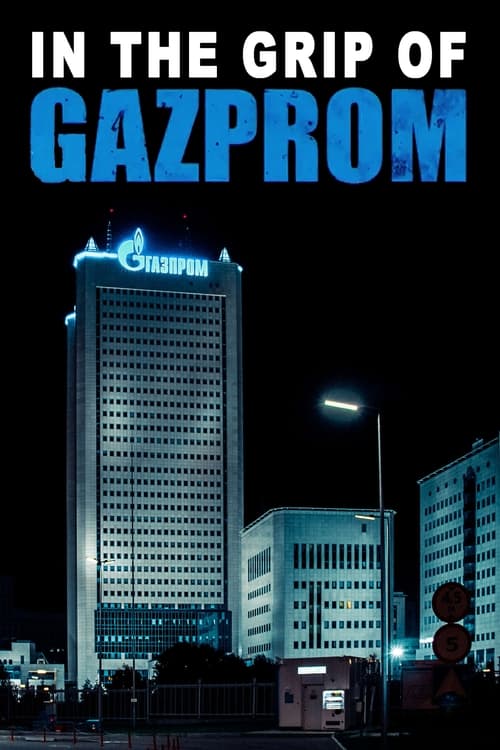
The war in the Ukraine has changed the way many European countries view Russian politics. Suddenly it became clear how dependent countries had become on Russian gas imports for decades and what Vladimir Putin was up to. However, no country needs more gas than Germany. It was only after Russia's invasion of the Ukraine that the German government realized that Russia had long used gas as a weapon to impose its will on states. The instrument created for this purpose is the natural gas production company GAZPROM. So how did Germany become so dependent on Russian gas? The documentary shows how, over several decades and several changes of government, a broad alliance of politicians and business representatives did everything possible to secure Germany's energy supply with cheap Russian gas, while the Kremlin's foreign policy became increasingly aggressive and the warnings of experts went unheeded.

No plot available for this movie.

The four friends Lukas, Julius, Gino and Sanchez are trying to survive the everyday life in Neukölln, Berlin between drugs, gangs, rap, violence and boredom. Until they are one day making a serious decision with serious consequences because of a dead certain plan.

He has always been there. No one has been in German politics as long as Wolfgang Schäuble. He looked back on 50 years as a member of the German Bundestag. Schäuble was a man who helped shape the fate of the Republic for decades. He shaped politics - as the manager of German unity, for example. In 1990, he was the victim of an assassination attempt and fought his way back to life. He died in December 2023.
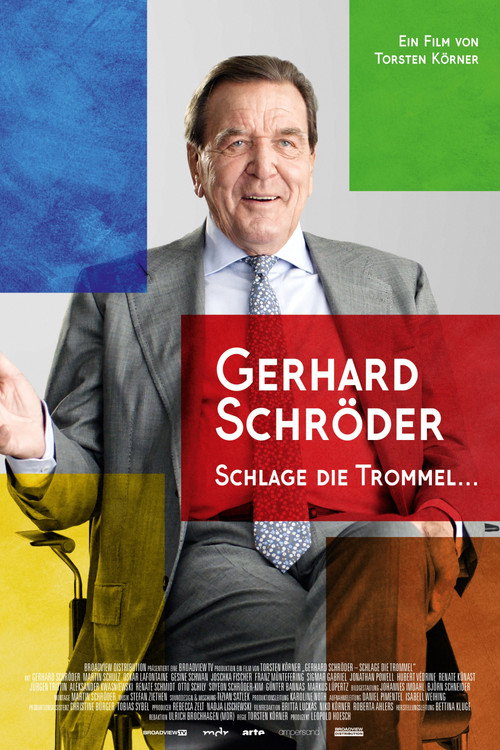
Gerhard Schröder was the last SPD chancellor. He was always a controversial figure within his party. To some, he was a self-centered individual and a careerist; to others, he was a gifted campaigner and a successful modernizer. It is undisputed that his popularity played a decisive role in helping the SPD seize power in 1998. But what remains of the Red-Green coalition project that came to such an abrupt end in 2005? The Agenda reforms? The energy transition? The SPD’s identity crisis? Since Gerhard Schröder’s defeat by Angela Merkel in 2005, the party has been in decline; the label “people’s party” no longer seems to apply. What responsibility does the SPD’s most recent chancellor bear for this decline? How did the unprecedented Agenda 2010 reform program come about in the first place?
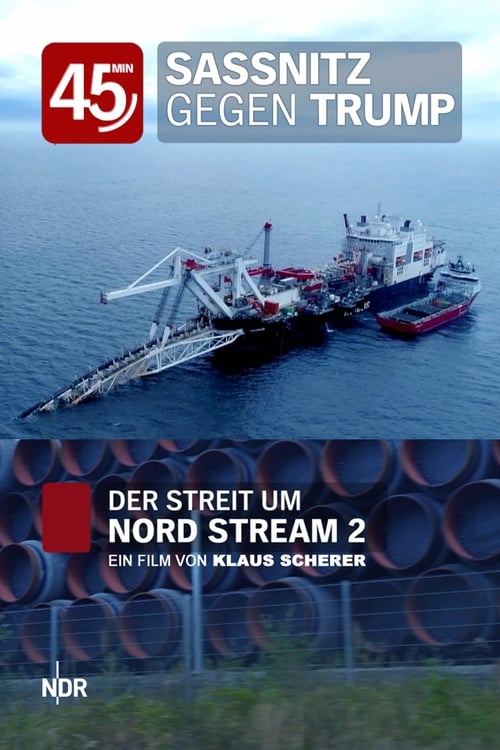
Sassnitz is a small coastal town at the Baltic Sea on the Island of Rügen. In its vicinity are the world-famous chalk cliffs, a tourist magnet. The Mukran Port is also part of the municipality. The overseas port is the starting point for the construction of Nord Stream 2, a natural gas pipeline that connects Germany directly with Russia. In 2020, the port town hit the international headlines. Even the New York Times reported and cited Mayor Frank Kracht as a staunch opponent from the northeast German province against the rumbling America of Donald Trump. The reason is the undisguised threat from Washington to ruin the international port economically if the natural gas pipeline continues to be built from there. Many jobs and the region's economic stability are at risk. Reporter Klaus Scherer documents the case, questions experts as well as those affected and looks at the behavior of national politicians towards the USA and how they react to the interference in internal affairs.
No plot available for this movie.
No plot available for this movie.
Subscribe for exclusive insights on movies, TV shows, and games! Get top picks, fascinating facts, in-depth analysis, and more delivered straight to your inbox.